
Barber Tips & Tricks
Follow us for the latest barber techniques and tips
Barber Tips & Tricks
Follow us for the latest barber techniques and tips
Top 7 Reasons Why Your Clients
Aren't Returning
Stay Ahead in the Barbering Game: Nurturing
Lifelong Clientele
You might have come across the saying “give a client a good cut at a reasonable price, and they'll be yours for life.” Unfortunately in reality this is not always the case. That’s where we come in! Check out some of the reasons why your clients may not be returning, whether they were long-term customers or a first-time appointment, below.

Top 7 Reasons Why Your Clients
Aren't Returning
Stay Ahead in the Barbering Game: Nurturing
Lifelong Clientele
You might have come across the saying “give a client a good cut at a reasonable price, and they'll be yours for life.” Unfortunately in reality this is not always the case. That’s where we come in! Check out some of the reasons why your clients may not be returning, whether they were long-term customers or a first-time appointment, below.
Career in Mobile Barbering: Key
Things You Need to Know about
While most barbers work in physical barbershops or hair salons, there are a growing number of barbers who work on-call. What does it mean to be a mobile barber? What are their primary responsibilities? Where to find them? In this blog, we will explain some key terms you should know about mobile barbering and how you can start a new career in it.

Career in Mobile Barbering: Key
Things You Need to Know about
While most barbers work in physical barbershops or hair salons, there are a growing number of barbers who work on-call. What does it mean to be a mobile barber? What are their primary responsibilities? Where to find them? In this blog, we will explain some key terms you should know about mobile barbering and how you can start a new career in it.
Top 4 Ways for Barbers to
Promote Themselves
Marketing is key. Knowing how to market yourself as a barber can be the difference between having 5 to 20 clients a day. If you are interested in boosting the number of your customers and furthering your advertising skills, read the list below with four ways to promote yourself as a barber.

Top 4 Ways for Barbers to
Promote Themselves
Marketing is key. Knowing how to market yourself as a barber can be the difference between having 5 to 20 clients a day. If you are interested in boosting the number of your customers and furthering your advertising skills, read the list below with four ways to promote yourself as a barber.
5 Tips for Social Media Content
Creating as a Barber
It is next to impossible to find someone who is not on social media today. More than just a tool for connection, social media is key helping barbers market themselves and promote their names and skills. If you want to up your barber game quickly, here are five tips on how to promote content online that you don't want to miss out on.

5 Tips for Social Media Content
Creating as a Barber
It is next to impossible to find someone who is not on social media today. More than just a tool for connection, social media is key helping barbers market themselves and promote their names and skills. If you want to up your barber game quickly, here are five tips on how to promote content online that you don't want to miss out on.
5 Best Haircuts for Men with
Early Hair Thinning
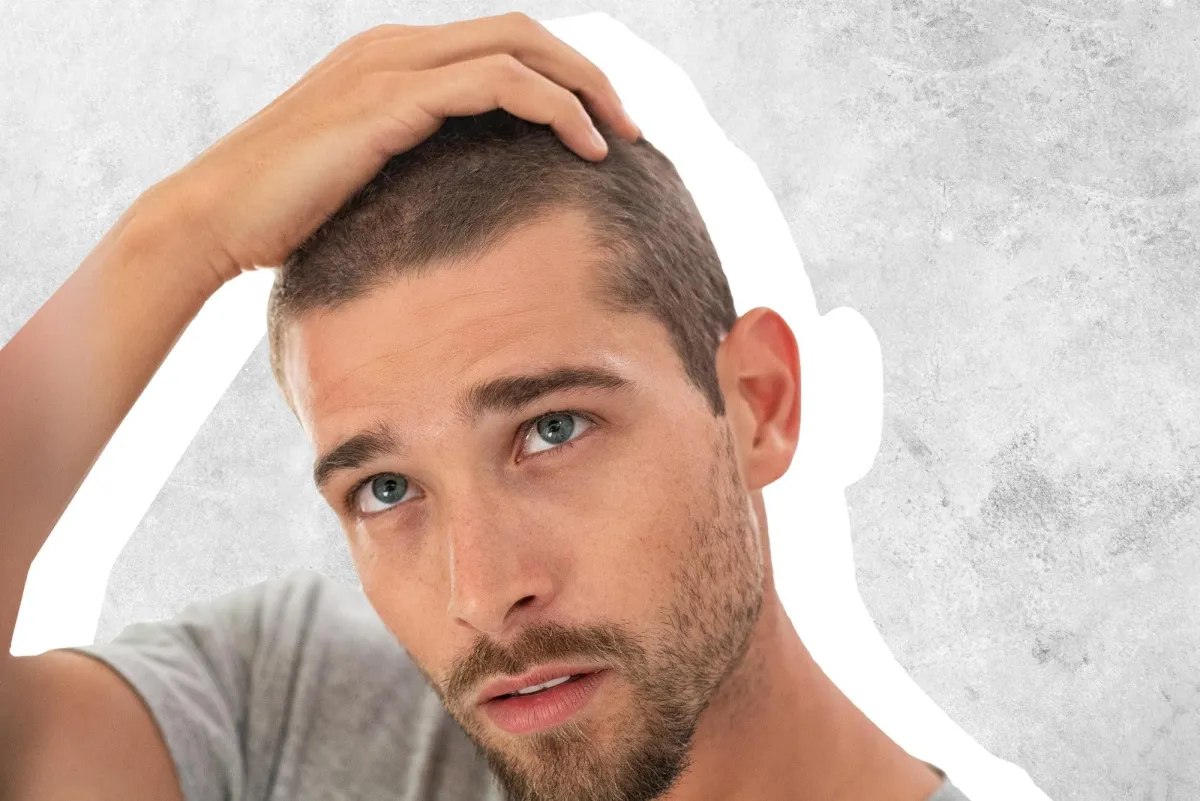
Losing your hair is never a good feeling, most men tend to feel self-conscious about it. Some men decide to completely shave off their heads or constantly wear a hat. One of the most common insecurities men face is hair thinning; for some men, it starts as early as in their 20s. The loss of confidence really starts to affect the way men do their hair and the types of hair cuts they get. Men start to worry about how they will be perceived by friends, family, and colleagues. Hair thinning should not be the cause of self distraughtness, and it should not limit men to have to continuously cover their heads. CADMEN Barbershop has compiled a list of the top 5 best haircuts for men experiencing early hair loss.

How Often Should Men Wash Their Hair?
How Often Should Men Wash Their Hair?
Daily hair washing strips the scalp of natural oils, causes overproduction of sebum in response, and leads to the greasy cycle most men are trying to avoid. The right frequency depends on hair type, activity level, and scalp behavior. Here is how to figure out the right schedule.
Why Washing Frequency Matters
The scalp produces sebum to condition the hair and protect the scalp. Shampoo strips sebum. When the scalp is stripped daily, it compensates by producing more sebum, which makes the hair appear greasy faster after each wash, which triggers more frequent washing, which triggers more sebum production. This cycle creates the illusion that daily washing is necessary when the scalp has actually been conditioned to require it. Reducing washing frequency initially produces a greasy transition period; this resolves within 2 to 4 weeks as sebum production normalizes to the new schedule.
Frequency by Hair Type
Short to medium straight hair: every 2 to 3 days is appropriate for most men. Daily washing is usually unnecessary unless the scalp is producing high sebum levels or the man is working in a high-heat, high-physical-activity environment. Fine straight hair tends toward greasiness faster than coarse straight hair; fine hair may need washing every 2 days, coarse straight hair every 3 to 4 days.
Wavy hair: every 2 to 3 days. Wavy hair benefits from some sebum coat because it helps the wave pattern hold definition and reduces frizz. Daily washing tends to dehydrate the wave and create volume without definition.
Curly hair: every 5 to 7 days, with co-washing (conditioner-only washing) in between as needed. The tight curl pattern prevents sebum from traveling down the shaft, making curly hair naturally drier than straight or wavy hair. Frequent shampoo washing strips what little natural oil reaches the lengths and increases dryness and breakage. Many curly-haired men find washing once a week or less maintains better curl definition than more frequent washing.
Coily and type 4 hair: every 7 to 14 days for shampooing, with co-washing or rinse-only refresh sessions between washes. The moisture retention challenges of coily hair make frequent shampoo use counterproductive.
Activity-Level Adjustments
Heavy exercise, manual labor in dirt or dust, or swimming (particularly in chlorinated pools) may require more frequent washing. The principle is washing in response to actual build-up or contamination rather than on a fixed daily schedule. A light rinse with conditioner (no shampoo) after exercise maintains scalp freshness without the stripping effect of daily shampoo.
Frequently Asked Questions
What is the greasy transition period?
When men reduce washing frequency from daily to every 2 to 3 days, the scalp that has been conditioned to produce high sebum volumes continues to do so. For the first 1 to 3 weeks, hair may appear greasy earlier in the day than before. This resolves as the scalp adjusts its sebum production down to match the new washing frequency. Dry shampoo applied to the roots on non-wash days manages the greasiness during the transition period.
Should I use conditioner every time I shampoo?
For most hair types and lengths, yes. Shampoo removes oils and leaves the hair shaft slightly roughened; conditioner smooths the cuticle and restores some moisture. Short hair (buzz cuts, very close cuts) may not need conditioner applied to the hair because there is not enough length for the shaft to show the rough-cuticle dryness that conditioner addresses; scalp conditioning is less relevant for very short hair. For any length past an inch, conditioner applied to the mid-lengths and ends (not the scalp, which does not need additional oil) is a standard part of the wash routine.
Is dry shampoo a substitute for washing?
No. Dry shampoo absorbs surface oil and reduces the greasy appearance of un-washed hair. It does not remove product build-up, sweat residue, or scalp flake. Used correctly, it extends the time between washes without building up on the scalp. Used as a permanent substitute for washing, dry shampoo residue accumulates on the scalp and can contribute to scalp irritation and blocked follicles. Apply to roots only, allow to absorb for 2 minutes, then brush or massage out before styling. Do not apply to already-dry hair as a styling base; it is a scalp freshener, not a product.
Does water temperature affect the hair and scalp?
Hot water opens the hair cuticle and strips oil more aggressively than lukewarm water. Cold water rinses are often recommended at the end of a wash to close the cuticle and seal in the conditioner moisture. In practice, a lukewarm wash (not scalding hot) followed by a cool rinse is a simple routine that maintains scalp health without the extremes. Men who wash with very hot water frequently and then wonder why their hair is dry are typically contributing to the dryness through their wash temperature rather than through the products they use.
Related Reading From CADMEN Barber Academy
- How Often Should Men Wash Their Hair? A Barber's Perspective
- Cutting Coily Hair: The Techniques That Work and the Mistakes That Damage the Pattern
- Cutting Curly Hair: What Barbers Do Differently
- How to Cut Curly Hair: Barber Techniques and Approach
- Curly Hair at the Barbershop: What Barbers Do Differently
- Curly Hair at the Barbershop: Cuts and Products That Actually Work

5 Best Haircuts for Men with
Early Hair Thinning
Losing your hair is never a good feeling, most men tend to feel self-conscious about it. Some men decide to completely shave off their heads or constantly wear a hat. One of the most common insecurities men face is hair thinning; for some men, it starts as early as in their 20s. The loss of confidence really starts to affect the way men do their hair and the types of hair cuts they get. Men start to worry about how they will be perceived by friends, family, and colleagues. Hair thinning should not be the cause of self distraughtness, and it should not limit men to have to continuously cover their heads. CADMEN Barbershop has compiled a list of the top 5 best haircuts for men experiencing early hair loss.


For any request, please contact us at info@cadmen.ca