
Barber Tips & Tricks
Follow us for the latest barber techniques and tips
Barber Tips & Tricks
Follow us for the latest barber techniques and tips
Top 7 Reasons Why Your Clients
Aren't Returning
Stay Ahead in the Barbering Game: Nurturing
Lifelong Clientele
You might have come across the saying “give a client a good cut at a reasonable price, and they'll be yours for life.” Unfortunately in reality this is not always the case. That’s where we come in! Check out some of the reasons why your clients may not be returning, whether they were long-term customers or a first-time appointment, below.

Top 7 Reasons Why Your Clients
Aren't Returning
Stay Ahead in the Barbering Game: Nurturing
Lifelong Clientele
You might have come across the saying “give a client a good cut at a reasonable price, and they'll be yours for life.” Unfortunately in reality this is not always the case. That’s where we come in! Check out some of the reasons why your clients may not be returning, whether they were long-term customers or a first-time appointment, below.
Career in Mobile Barbering: Key
Things You Need to Know about
While most barbers work in physical barbershops or hair salons, there are a growing number of barbers who work on-call. What does it mean to be a mobile barber? What are their primary responsibilities? Where to find them? In this blog, we will explain some key terms you should know about mobile barbering and how you can start a new career in it.

Career in Mobile Barbering: Key
Things You Need to Know about
While most barbers work in physical barbershops or hair salons, there are a growing number of barbers who work on-call. What does it mean to be a mobile barber? What are their primary responsibilities? Where to find them? In this blog, we will explain some key terms you should know about mobile barbering and how you can start a new career in it.
Top 4 Ways for Barbers to
Promote Themselves
Marketing is key. Knowing how to market yourself as a barber can be the difference between having 5 to 20 clients a day. If you are interested in boosting the number of your customers and furthering your advertising skills, read the list below with four ways to promote yourself as a barber.

Top 4 Ways for Barbers to
Promote Themselves
Marketing is key. Knowing how to market yourself as a barber can be the difference between having 5 to 20 clients a day. If you are interested in boosting the number of your customers and furthering your advertising skills, read the list below with four ways to promote yourself as a barber.
5 Tips for Social Media Content
Creating as a Barber
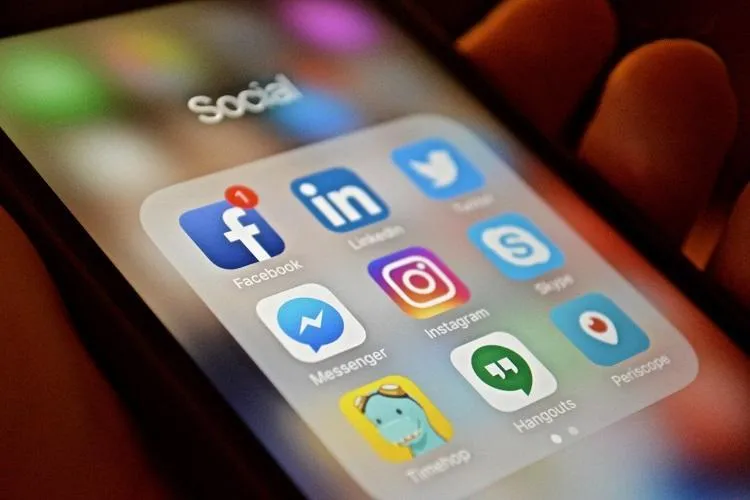
It is next to impossible to find someone who is not on social media today. More than just a tool for connection, social media is key helping barbers market themselves and promote their names and skills. If you want to up your barber game quickly, here are five tips on how to promote content online that you don't want to miss out on.
5 Tips for Social Media Content
Creating as a Barber
It is next to impossible to find someone who is not on social media today. More than just a tool for connection, social media is key helping barbers market themselves and promote their names and skills. If you want to up your barber game quickly, here are five tips on how to promote content online that you don't want to miss out on.
5 Best Haircuts for Men with
Early Hair Thinning
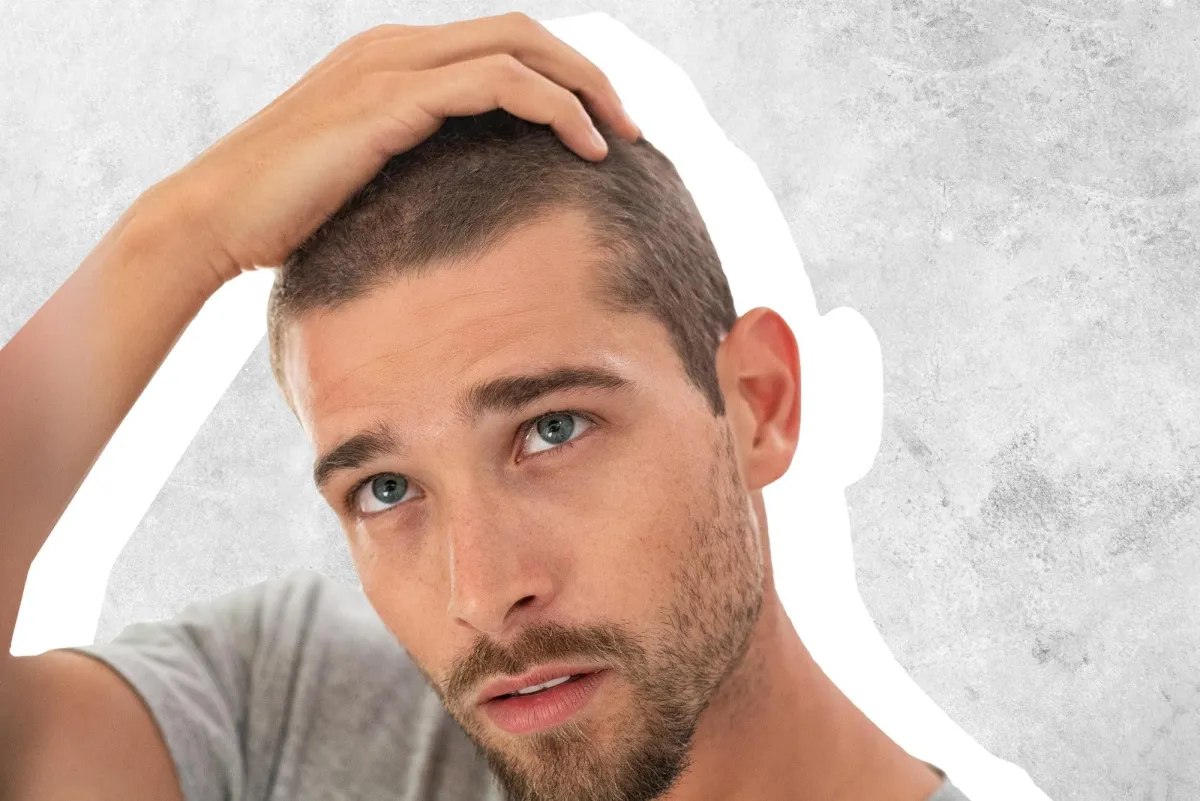
Losing your hair is never a good feeling, most men tend to feel self-conscious about it. Some men decide to completely shave off their heads or constantly wear a hat. One of the most common insecurities men face is hair thinning; for some men, it starts as early as in their 20s. The loss of confidence really starts to affect the way men do their hair and the types of hair cuts they get. Men start to worry about how they will be perceived by friends, family, and colleagues. Hair thinning should not be the cause of self distraughtness, and it should not limit men to have to continuously cover their heads. CADMEN Barbershop has compiled a list of the top 5 best haircuts for men experiencing early hair loss.
How Often Should Men Wash Their Hair? A Barber's Perspective
How Often Should Men Wash Their Hair? A Barber's Perspective
There is no single correct frequency for washing men's hair. The right answer depends on hair type, scalp type, and the styling products used. Most generic advice applies average conditions to all situations, here is how to identify the right frequency for your specific hair.
What Actually Determines Frequency
The main factors are scalp oil production and product usage. Men with oily scalps produce more sebum, which makes hair look flat, greasy, and weighed down faster. Those men generally benefit from washing every 1 to 2 days. Men with dry or normal scalps may find daily washing strips their scalp of the oils it needs to stay healthy, leading to flaking and irritation, every 2 to 3 days is often better. Product usage matters because heavy products (oil-based pomades, waxes) build up on the hair and scalp and require shampoo to remove. If you use product daily, you need to wash frequently enough to prevent buildup. Lightweight products (matte clays, sprays) break down more easily and require less frequent washing.
What Happens If You Wash Too Often
Over-washing strips the scalp's natural oil layer. The scalp responds by producing more oil to compensate, a cycle that leaves the scalp alternating between stripped and overly oily. Men who shampoo daily and still have persistently oily scalps are often stuck in this cycle. Reducing frequency, temporarily, often allows the scalp to normalize its oil production over 2 to 3 weeks.
Conditioner and the Washing Routine
Conditioner applied to the lengths and ends (not the scalp) helps with manageable, healthy hair regardless of washing frequency. For men with short hair where conditioner on the scalp is unavoidable, a lightweight leave-in conditioner applied to the ends only is an alternative.
CADMEN Training
Scalp health and client education on hair care are covered as part of CADMEN's barbering curriculum. academy.cadmen.ca/in-person-training.
Frequently Asked Questions
How often should men shampoo their hair?
The answer to how often men should shampoo depends on three variables: scalp type, hair type, and product usage. By scalp type: oily scalp (hair looks flat or greasy within 12 to 24 hours of washing): daily or every other day shampooing is appropriate. The scalp produces enough sebum that buildup is the primary concern. Normal scalp (hair looks fine for 2 to 3 days after washing): shampooing every 2 to 3 days is typically sufficient. Dry scalp (hair looks dry rather than greasy, possible flaking or tightness): shampooing every 3 to 4 days or less. Frequent washing removes what little natural oil is being produced. By hair type: fine hair, tends to become weighed down by oil faster than thick hair. Generally needs more frequent washing (every 1 to 2 days for oily scalps, every 2 days for normal scalps). Thick or coarse hair, retains moisture better and is less prone to the flat appearance that comes from oil buildup. Can typically go longer between washes. Curly or coily hair, washing too frequently strips the moisture that curly hair needs to maintain its pattern and prevent frizz. Most barbers and hair care professionals recommend washing curly hair no more than 2 to 3 times per week and often less. By product usage: heavy oil-based pomades require shampoo to remove fully. If you use these daily, wash daily. Lightweight water-based products rinse out with water, reducing the buildup concern and allowing less frequent shampooing. The two-shampoo myth: shampooing twice in one wash session (the "lather, rinse, repeat" instruction) is generally unnecessary unless the hair has extreme buildup from heavy products or has not been washed in many days. For standard maintenance washing, one thorough shampoo followed by conditioner is sufficient.
Is it bad to wash your hair every day?
Whether daily hair washing is harmful depends on the individual's scalp type, the shampoo used, and whether conditioner is applied afterward. For men with oily scalps: daily washing is often necessary and does not cause harm as long as the shampoo is not excessively harsh (sulfate-heavy formulas used daily can cause irritation in some people) and conditioner is used to replace moisture on the lengths. For men with normal scalps: daily washing is not necessary and may, over time, disrupt the scalp's oil production cycle. The scalp produces sebum as a protective mechanism. Washing it away daily trains the scalp to produce more sebum to compensate, some people notice their scalp becomes oilier over time with daily washing. Reducing to every other day often normalizes the oil cycle over 2 to 3 weeks. For men with dry scalps: daily washing is actively counterproductive. It removes the limited oils the scalp produces and is a common cause of dry scalp symptoms in men who otherwise have good hair health. The shampoo type matters: a gentle, moisturizing shampoo used daily does less scalp disruption than a clarifying or strong-sulfate shampoo. If daily washing is genuinely needed for your scalp type or product routine, choose a gentle formula appropriate for daily use. The conditioner rule: regardless of how often you shampoo, conditioning the lengths (not the scalp) helps maintain moisture balance and manageability. For very short hair where scalp application is unavoidable, use a lightweight conditioner or a conditioning rinse rather than a heavy leave-in.
Does washing hair affect how a haircut looks?
How you wash and condition your hair does affect how the haircut looks and holds between barbershop visits. The main effects: product buildup and the fade: heavy product buildup on the hair and scalp can make a fade look dull or less precise between visits. The buildup changes how the hair lies and reflects light, which makes the gradient appear less clean. Regular washing appropriate to your product use keeps the hair in the condition it was in right after the barbershop. Hair health and movement: hair that is regularly moisturized (through appropriate conditioning and not over-stripped by washing) tends to hold a style better, have more natural movement, and look healthier overall. Dry, brittle hair from over-washing without conditioning or under-moisturized hair from under-washing with heavy product use both look worse in a haircut than well-maintained hair. Scalp flaking and the haircut: scalp flaking (from dry scalp or seborrheic dermatitis) is visible in short haircuts, particularly dark-hair cuts where white flakes are contrast against the scalp. Managing the underlying scalp condition, whether through appropriate washing frequency, medicated shampoo, or dermatologist guidance, is more effective than any haircut adjustment. Wash day timing: some men prefer to get their barbershop appointments shortly after a wash day when the hair is clean, product-free, and in its natural state. This allows the barber to see the hair as it actually grows rather than affected by day-old product. Others come with day-old product and have the barber work with it. Both approaches work, communicate with your barber about what you did that morning if they ask.
Related Reading From CADMEN Barber Academy
- How Often Should Men Wash Their Hair?
- Cutting Coily Hair: The Techniques That Work and the Mistakes That Damage the Pattern
- Cutting Curly Hair: What Barbers Do Differently
- How to Cut Curly Hair: Barber Techniques and Approach
- Curly Hair at the Barbershop: What Barbers Do Differently
- Curly Hair at the Barbershop: Cuts and Products That Actually Work

5 Best Haircuts for Men with
Early Hair Thinning
Losing your hair is never a good feeling, most men tend to feel self-conscious about it. Some men decide to completely shave off their heads or constantly wear a hat. One of the most common insecurities men face is hair thinning; for some men, it starts as early as in their 20s. The loss of confidence really starts to affect the way men do their hair and the types of hair cuts they get. Men start to worry about how they will be perceived by friends, family, and colleagues. Hair thinning should not be the cause of self distraughtness, and it should not limit men to have to continuously cover their heads. CADMEN Barbershop has compiled a list of the top 5 best haircuts for men experiencing early hair loss.


For any request, please contact us at info@cadmen.ca