
Barber Tips & Tricks
Follow us for the latest barber techniques and tips
Barber Tips & Tricks
Follow us for the latest barber techniques and tips
Top 7 Reasons Why Your Clients
Aren't Returning
Stay Ahead in the Barbering Game: Nurturing
Lifelong Clientele
You might have come across the saying “give a client a good cut at a reasonable price, and they'll be yours for life.” Unfortunately in reality this is not always the case. That’s where we come in! Check out some of the reasons why your clients may not be returning, whether they were long-term customers or a first-time appointment, below.

Top 7 Reasons Why Your Clients
Aren't Returning
Stay Ahead in the Barbering Game: Nurturing
Lifelong Clientele
You might have come across the saying “give a client a good cut at a reasonable price, and they'll be yours for life.” Unfortunately in reality this is not always the case. That’s where we come in! Check out some of the reasons why your clients may not be returning, whether they were long-term customers or a first-time appointment, below.
Career in Mobile Barbering: Key
Things You Need to Know about
While most barbers work in physical barbershops or hair salons, there are a growing number of barbers who work on-call. What does it mean to be a mobile barber? What are their primary responsibilities? Where to find them? In this blog, we will explain some key terms you should know about mobile barbering and how you can start a new career in it.

Career in Mobile Barbering: Key
Things You Need to Know about
While most barbers work in physical barbershops or hair salons, there are a growing number of barbers who work on-call. What does it mean to be a mobile barber? What are their primary responsibilities? Where to find them? In this blog, we will explain some key terms you should know about mobile barbering and how you can start a new career in it.
Top 4 Ways for Barbers to
Promote Themselves
Marketing is key. Knowing how to market yourself as a barber can be the difference between having 5 to 20 clients a day. If you are interested in boosting the number of your customers and furthering your advertising skills, read the list below with four ways to promote yourself as a barber.

Top 4 Ways for Barbers to
Promote Themselves
Marketing is key. Knowing how to market yourself as a barber can be the difference between having 5 to 20 clients a day. If you are interested in boosting the number of your customers and furthering your advertising skills, read the list below with four ways to promote yourself as a barber.
5 Tips for Social Media Content
Creating as a Barber
It is next to impossible to find someone who is not on social media today. More than just a tool for connection, social media is key helping barbers market themselves and promote their names and skills. If you want to up your barber game quickly, here are five tips on how to promote content online that you don't want to miss out on.

5 Tips for Social Media Content
Creating as a Barber
It is next to impossible to find someone who is not on social media today. More than just a tool for connection, social media is key helping barbers market themselves and promote their names and skills. If you want to up your barber game quickly, here are five tips on how to promote content online that you don't want to miss out on.
5 Best Haircuts for Men with
Early Hair Thinning
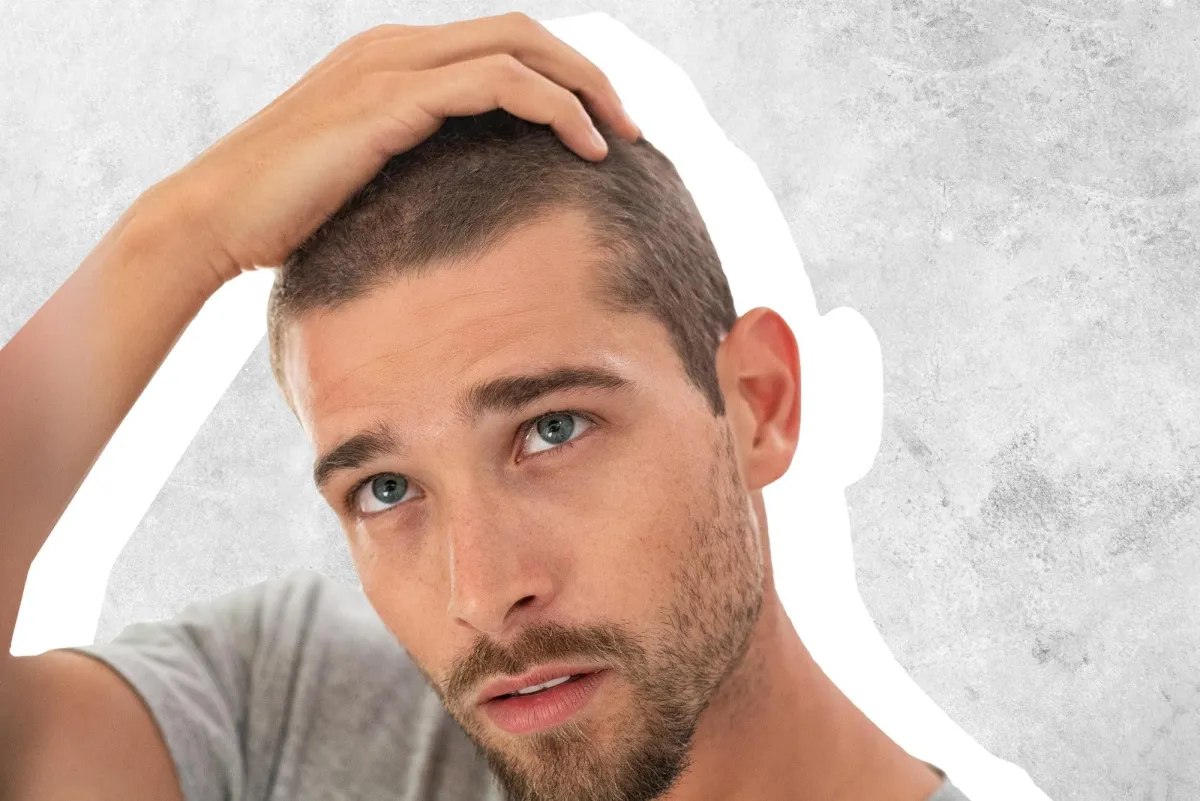
Losing your hair is never a good feeling, most men tend to feel self-conscious about it. Some men decide to completely shave off their heads or constantly wear a hat. One of the most common insecurities men face is hair thinning; for some men, it starts as early as in their 20s. The loss of confidence really starts to affect the way men do their hair and the types of hair cuts they get. Men start to worry about how they will be perceived by friends, family, and colleagues. Hair thinning should not be the cause of self distraughtness, and it should not limit men to have to continuously cover their heads. CADMEN Barbershop has compiled a list of the top 5 best haircuts for men experiencing early hair loss.
How to Do a Low Fade: Technique for a Clean Gradual Blend Starting at the Ear
How to Do a Low Fade: Technique for a Clean Gradual Blend Starting at the Ear
A low fade starts at or just above the natural ear and hairline level, with the blend zone occupying the lower quarter of the sides and back. The blended section is shorter, which means the graduation from skin or close-cut to medium guard lengths happens over a smaller vertical distance than a mid or high fade. That compression makes the low fade more technically demanding: there is less room for gradual transitions, and every line and blend is more visible because it sits near the most-examined part of the head from the front and side view.
Low Fade vs. Mid Fade vs. High Fade
The distinction is the height at which the visible graduation begins. Low fade: the blend zone starts at or just above the ear and natural hairline. Mid fade: the blend zone starts at approximately temple level, roughly halfway up the sides. High fade: the blend zone starts above the temple line, close to the parietal ridge. All three follow the same blending mechanics; the difference is where on the head those mechanics are applied. A low fade leaves more length on the sides overall, creating a less dramatic contrast between top and sides than a high or skin fade.
The Process
Step 1: Establish the bottom line
On a low fade, the base of the cut (skin or very short guard) follows the natural hairline around the ear and back. Use the outliner to define the hairline perimeter: around the ear, the nape, and the sideburns. This outline is the visible boundary of the finished cut. A precise outline is the foundation of a precise low fade.
Step 2: Set the fade start height
The fade begins at or just above the ear level. Depending on the client's natural hairline and the desired look, the fade line may track just above the ear (more conservative, smaller fade zone) or an inch above (slightly taller fade zone, still classified as low). Confirm the intended height with the client before beginning the blend.
Step 3: Work from skin upward
Start with the shortest guard (or skin with the trimmer) at the base, working in short, upward strokes. Move up through guard sizes as you move up the head. On a low fade, the guard changes happen over a narrow vertical band. Typical sequence: skin or 0.5 at base, to guard 1 or 1.5, to guard 2 or 3 at the fade line, then transitioning into the longer length above. The exact guards depend on the length of the top section and how dramatic the contrast is intended to be.
Step 4: Blend the transitions
The most common error on a low fade is a visible line between guard sizes. Blend each transition by working with the clipper at a slight outward angle and using shorter, lighter strokes at the transition zone. The goal is a gradual graduation with no visible step between guard lengths. Hold the clipper horizontally and rock it slightly outward as you pass through the transition zone to feather the line.
Step 5: Final detail work
Use the trimmer to clean the outline around the ear, nape, and sideburns. Check the fade line from directly behind and from both sides; inconsistencies in the blend are easier to spot from behind than from the front. A hand mirror for the client's review and your own inspection catches errors before the client leaves the chair.
Frequently Asked Questions
What is a low fade haircut?
A low fade is a haircut where the blending from short to longer hair starts at or just above the natural ear and hairline. The sides taper gradually from very short or skin near the bottom to longer hair at the top. The "low" refers to where the visible graduation begins on the head. It creates a cleaner, more conservative profile than a mid or high fade.
Is a low fade harder than a high fade?
For most barbers, yes. The blend zone on a low fade is compressed into a smaller vertical space. The graduation from short to longer has less room to develop, which means transitions need to be executed cleanly over a shorter distance. On a high fade, there is more surface area to blend gradually. The low fade also sits in the most-viewed portion of the head from the front and side, so any blend errors are immediately visible.
How long does a low fade last?
2 to 4 weeks before the outline and blend become visibly grown out. The nape and sideburn outline grow in fastest and show the most wear. Clients who want the low fade at its sharpest need a trim every 2 weeks. Clients who are comfortable with some softening can go 3 to 4 weeks. At 6 weeks without a trim, the fade is largely grown out and the haircut reads as a standard taper rather than a defined low fade.
What face shapes does a low fade suit?
The low fade is one of the most versatile fades in terms of face shape compatibility. Because it leaves more length on the sides than a high fade, it does not dramatically alter the perceived proportions of the face. It suits round, oval, square, and oblong face shapes, with the top section and overall silhouette doing most of the face-shape work. A high fade on a round face creates visual length; a low fade on the same face maintains the proportions, making the top length the key styling variable.
Related Reading From CADMEN Barber Academy
- The Low Fade: What It Is, How It Works, and When to Ask for It
- How to Cut a Low Fade: Guard Progression, Blending, and the Common Mistakes
- Mid Fade vs. Low Fade: How to Choose
- Bald Fade vs Skin Fade: Are They the Same Thing?
- How to Fade Natural Afro Hair: Technique Adjustments for High-Density Texture
- The Afro Fade: How It's Done and What Makes It Work
Want to learn to cut a low fade yourself? CADMEN Barber Academy teaches cutting hands-on, with an educator beside you. See the barber academy in Mississauga or view in-person classes and send an enquiry.
Learn this fade step by step in our free Fade Tutorials playlist on YouTube.

5 Best Haircuts for Men with
Early Hair Thinning
Losing your hair is never a good feeling, most men tend to feel self-conscious about it. Some men decide to completely shave off their heads or constantly wear a hat. One of the most common insecurities men face is hair thinning; for some men, it starts as early as in their 20s. The loss of confidence really starts to affect the way men do their hair and the types of hair cuts they get. Men start to worry about how they will be perceived by friends, family, and colleagues. Hair thinning should not be the cause of self distraughtness, and it should not limit men to have to continuously cover their heads. CADMEN Barbershop has compiled a list of the top 5 best haircuts for men experiencing early hair loss.


For any request, please contact us at info@cadmen.ca