
Barber Tips & Tricks
Follow us for the latest barber techniques and tips
Barber Tips & Tricks
Follow us for the latest barber techniques and tips
Top 7 Reasons Why Your Clients
Aren't Returning
Stay Ahead in the Barbering Game: Nurturing
Lifelong Clientele
You might have come across the saying “give a client a good cut at a reasonable price, and they'll be yours for life.” Unfortunately in reality this is not always the case. That’s where we come in! Check out some of the reasons why your clients may not be returning, whether they were long-term customers or a first-time appointment, below.

Top 7 Reasons Why Your Clients
Aren't Returning
Stay Ahead in the Barbering Game: Nurturing
Lifelong Clientele
You might have come across the saying “give a client a good cut at a reasonable price, and they'll be yours for life.” Unfortunately in reality this is not always the case. That’s where we come in! Check out some of the reasons why your clients may not be returning, whether they were long-term customers or a first-time appointment, below.
Career in Mobile Barbering: Key
Things You Need to Know about
While most barbers work in physical barbershops or hair salons, there are a growing number of barbers who work on-call. What does it mean to be a mobile barber? What are their primary responsibilities? Where to find them? In this blog, we will explain some key terms you should know about mobile barbering and how you can start a new career in it.

Career in Mobile Barbering: Key
Things You Need to Know about
While most barbers work in physical barbershops or hair salons, there are a growing number of barbers who work on-call. What does it mean to be a mobile barber? What are their primary responsibilities? Where to find them? In this blog, we will explain some key terms you should know about mobile barbering and how you can start a new career in it.
Top 4 Ways for Barbers to
Promote Themselves
Marketing is key. Knowing how to market yourself as a barber can be the difference between having 5 to 20 clients a day. If you are interested in boosting the number of your customers and furthering your advertising skills, read the list below with four ways to promote yourself as a barber.

Top 4 Ways for Barbers to
Promote Themselves
Marketing is key. Knowing how to market yourself as a barber can be the difference between having 5 to 20 clients a day. If you are interested in boosting the number of your customers and furthering your advertising skills, read the list below with four ways to promote yourself as a barber.
5 Tips for Social Media Content
Creating as a Barber
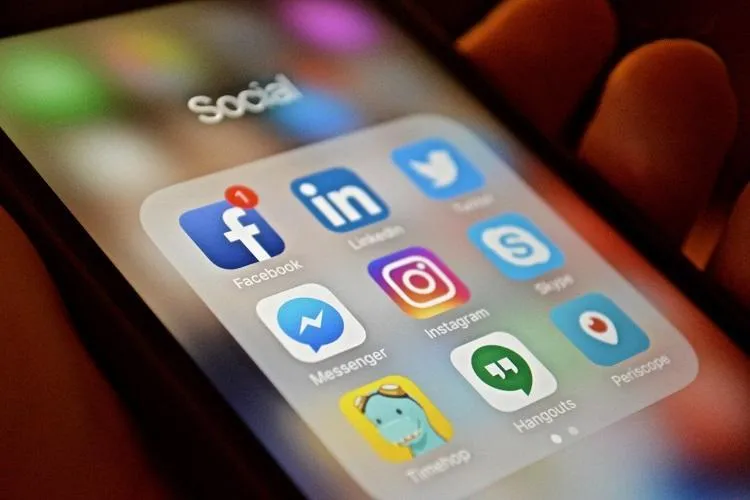
It is next to impossible to find someone who is not on social media today. More than just a tool for connection, social media is key helping barbers market themselves and promote their names and skills. If you want to up your barber game quickly, here are five tips on how to promote content online that you don't want to miss out on.
5 Tips for Social Media Content
Creating as a Barber
It is next to impossible to find someone who is not on social media today. More than just a tool for connection, social media is key helping barbers market themselves and promote their names and skills. If you want to up your barber game quickly, here are five tips on how to promote content online that you don't want to miss out on.
5 Best Haircuts for Men with
Early Hair Thinning
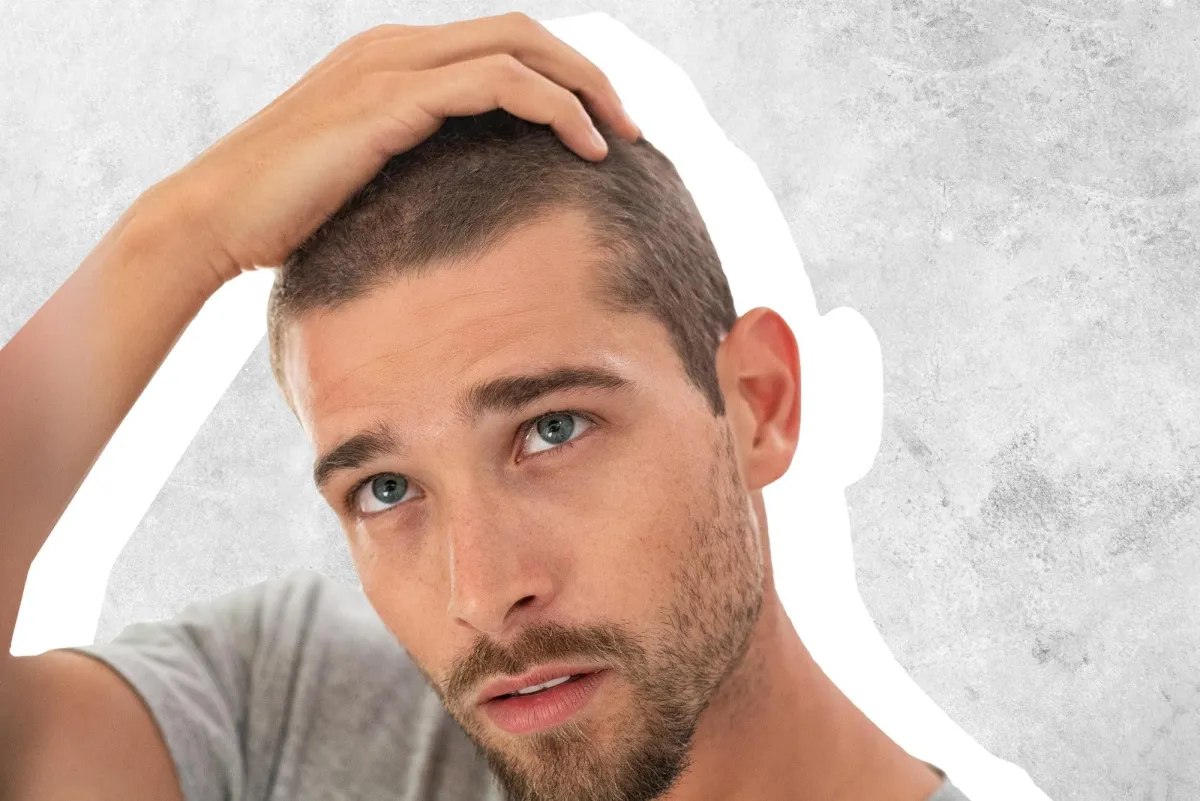
Losing your hair is never a good feeling, most men tend to feel self-conscious about it. Some men decide to completely shave off their heads or constantly wear a hat. One of the most common insecurities men face is hair thinning; for some men, it starts as early as in their 20s. The loss of confidence really starts to affect the way men do their hair and the types of hair cuts they get. Men start to worry about how they will be perceived by friends, family, and colleagues. Hair thinning should not be the cause of self distraughtness, and it should not limit men to have to continuously cover their heads. CADMEN Barbershop has compiled a list of the top 5 best haircuts for men experiencing early hair loss.
How to Retain Barbershop Clients Long-Term
How to Retain Barbershop Clients Long-Term
The math on retention is simple. A barbershop with a 90% monthly retention rate is replacing 10% of its clients every month. At 80%, it is replacing 20%. The cost of replacing a client (advertising, new-client discounts, the time it takes to understand a new client's preferences) is significantly higher than the cost of keeping an existing one. Retention is not a soft metric, it directly determines how much the shop has to spend on acquisition just to stay flat.
The Primary Driver of Retention: Consistency
Clients return when they trust that the cut will be good. Not when it was great the one time they came in. Consistency visit to visit, the same quality, the same standards, the same attention to the things that matter to that client, is what converts a single visit into a multi-year relationship.
The most common reason clients leave a barbershop is not price, not hours, not location. It is one bad cut or one visit that felt significantly worse than the others. Inconsistency destroys trust faster than any other factor.
Client Notes and Preferences
Storing client cut notes creates the foundation for consistency. The barber who remembers that the client prefers a guard 1.5 on the sides, a part on the left, and does not want the neckline tapered hard, without the client having to repeat it every visit, provides a materially different experience than the barber who starts fresh each time.
The note does not need to be long. Four items captured after the first service: guard level on sides, top length, styling preference, and any specific requests or quirks. Stored in the booking system. Read before each return visit. 60 seconds of work that compounds into a significantly better client experience over years.
Rebooking at the Chair
The highest-retention shops rebook clients before they leave. "When do you want to come back in?" asked while the client is still in the chair, product still in their hair, looking at the result, this is the moment they are most satisfied with the service. Booking the next appointment at this moment converts at a much higher rate than follow-up texts sent days later.
For clients who need a regular cadence (every 3 weeks, every 4 weeks), offering a standing appointment, the same day and time every cycle, removes the scheduling friction entirely. Loyal clients who can lock in their standing appointment time are among the most retained clients in any shop.
Reminders and Follow-Ups
Automated appointment reminders reduce no-shows. Follow-up messages after a new client's first visit ("Great meeting you, here when you're ready for the next one") confirm the relationship and lower the friction for returning.
Win-back messages to clients who have not returned in 60 or 90 days recover a portion of dormant clients. A simple message: "Haven't seen you in a while, want to book?" catches some clients who did not leave intentionally but just drifted. Not all will return, but enough will to make the message worth sending.
Handling Complaints
A client who is unhappy and tells you is a retention opportunity. A client who is unhappy and says nothing, then does not come back, is a lost client with no chance for recovery. Actively creating moments for clients to give feedback (asking at the end of the service, a follow-up message after the first visit) catches dissatisfaction before it becomes attrition.
When a client does express dissatisfaction: respond the same day, acknowledge specifically what they described (not a generic apology), offer a specific remedy (a complimentary adjustment, credit toward the next visit). The response to a complaint is more memorable than the complaint itself. A barber or shop that handles feedback well often retains the client better than if no problem had occurred.
Experience Beyond the Cut
The cut is the primary retention driver, but the experience around the cut influences the decision to return. A clean shop, staff who remember clients' names, a waiting area that is comfortable, music and atmosphere that matches the target clientele, these details are the difference between a shop that feels like a commodity and one that clients are loyal to beyond just the quality of the cut.
CADMEN Business Coaching
Client retention systems, rebooking strategies, and the full barbershop operations framework are covered in CADMEN's owner coaching program. $4,000 USD. Inquiry at academy.cadmen.ca.
Frequently Asked Questions
What is a good client retention rate for a barbershop?
A retention rate above 85% monthly is considered strong for an established barbershop. Shops with 90%+ monthly retention are typically thriving without significant acquisition pressure. New shops naturally have lower retention (clients try the shop once, some do not return simply because they have not found their preferred barber yet). For a shop in its first year, a 70% to 75% return rate is reasonable while the client base is still forming. Track the metric monthly: it tells you more about the health of the business than revenue alone.
Why do barbershop clients stop coming back?
The most common reasons: inconsistent cut quality visit to visit, a single significantly bad experience, a barber they liked leaving the shop (the client relationship is often with the barber, not the shop), inconvenient booking or scheduling, or simply finding a closer option. Price is rarely the primary reason in established client relationships. The shop cannot control all of these, but it can control consistency, how it handles the departure of barbers, and how accessible booking is.
How do you get barbershop clients to rebook?
Ask at the end of every service. While the client is in the chair, satisfied with the result, show them the availability and offer to book the next visit. The friction to rebook is at its lowest at this exact moment. If they need to think about it or check their schedule, a follow-up reminder 2 to 3 weeks later (matched to their typical return cadence) catches them when the haircut is starting to grow out. Standing appointments for clients who come on a consistent schedule remove the need to ask entirely.
Should barbershops use loyalty programs?
Loyalty programs can reinforce return behavior, but they are not a substitute for cut quality and consistency. The classic "every 10th haircut free" approach appeals to clients who were going to return anyway and adds minimal acquisition value. A more effective loyalty structure: priority booking access for frequent clients, preferential time slot access, or recognition (remembering names, preferences, life events) that makes loyal clients feel like regulars rather than transactions. The intangible loyalty experience often outperforms a punch card.
How do you recover a lost barbershop client?
Win-back messages to clients who have not returned in 60 to 90 days recover a portion. The message should be direct, not apologetic, and offer a genuine incentive (not just "we miss you"). "It's been a while, we have an opening this week if you want to come in" works better than promotional language. Some clients who drifted return simply because the reminder was timely. Others have moved on permanently. Run win-back campaigns every 90 days on dormant clients, the cost is low and the recovery rate on even a fraction pays for itself.
Related Reading From CADMEN Barber Academy
- Barber Client Retention: Why Clients Leave and What Keeps Them Coming Back
- Barber Client Retention: 5 Systems That Keep Clients Coming Back
- Barbershop Client Retention: What Keeps Clients Coming Back Every 3 Weeks
- Barber Client Communication: How to Run a Consultation That Produces the Right Haircut Every Time
- The Barber Consultation: What to Ask Before Every Cut
- Barber Client Consultation Tips: Getting the Information You Need Before the First Cut

5 Best Haircuts for Men with
Early Hair Thinning
Losing your hair is never a good feeling, most men tend to feel self-conscious about it. Some men decide to completely shave off their heads or constantly wear a hat. One of the most common insecurities men face is hair thinning; for some men, it starts as early as in their 20s. The loss of confidence really starts to affect the way men do their hair and the types of hair cuts they get. Men start to worry about how they will be perceived by friends, family, and colleagues. Hair thinning should not be the cause of self distraughtness, and it should not limit men to have to continuously cover their heads. CADMEN Barbershop has compiled a list of the top 5 best haircuts for men experiencing early hair loss.


For any request, please contact us at info@cadmen.ca