
Barber Tips & Tricks
Follow us for the latest barber techniques and tips
Barber Tips & Tricks
Follow us for the latest barber techniques and tips
Top 7 Reasons Why Your Clients
Aren't Returning
Stay Ahead in the Barbering Game: Nurturing
Lifelong Clientele
You might have come across the saying “give a client a good cut at a reasonable price, and they'll be yours for life.” Unfortunately in reality this is not always the case. That’s where we come in! Check out some of the reasons why your clients may not be returning, whether they were long-term customers or a first-time appointment, below.

Top 7 Reasons Why Your Clients
Aren't Returning
Stay Ahead in the Barbering Game: Nurturing
Lifelong Clientele
You might have come across the saying “give a client a good cut at a reasonable price, and they'll be yours for life.” Unfortunately in reality this is not always the case. That’s where we come in! Check out some of the reasons why your clients may not be returning, whether they were long-term customers or a first-time appointment, below.
Career in Mobile Barbering: Key
Things You Need to Know about
While most barbers work in physical barbershops or hair salons, there are a growing number of barbers who work on-call. What does it mean to be a mobile barber? What are their primary responsibilities? Where to find them? In this blog, we will explain some key terms you should know about mobile barbering and how you can start a new career in it.

Career in Mobile Barbering: Key
Things You Need to Know about
While most barbers work in physical barbershops or hair salons, there are a growing number of barbers who work on-call. What does it mean to be a mobile barber? What are their primary responsibilities? Where to find them? In this blog, we will explain some key terms you should know about mobile barbering and how you can start a new career in it.
Top 4 Ways for Barbers to
Promote Themselves
Marketing is key. Knowing how to market yourself as a barber can be the difference between having 5 to 20 clients a day. If you are interested in boosting the number of your customers and furthering your advertising skills, read the list below with four ways to promote yourself as a barber.

Top 4 Ways for Barbers to
Promote Themselves
Marketing is key. Knowing how to market yourself as a barber can be the difference between having 5 to 20 clients a day. If you are interested in boosting the number of your customers and furthering your advertising skills, read the list below with four ways to promote yourself as a barber.
5 Tips for Social Media Content
Creating as a Barber
It is next to impossible to find someone who is not on social media today. More than just a tool for connection, social media is key helping barbers market themselves and promote their names and skills. If you want to up your barber game quickly, here are five tips on how to promote content online that you don't want to miss out on.

5 Tips for Social Media Content
Creating as a Barber
It is next to impossible to find someone who is not on social media today. More than just a tool for connection, social media is key helping barbers market themselves and promote their names and skills. If you want to up your barber game quickly, here are five tips on how to promote content online that you don't want to miss out on.
5 Best Haircuts for Men with
Early Hair Thinning
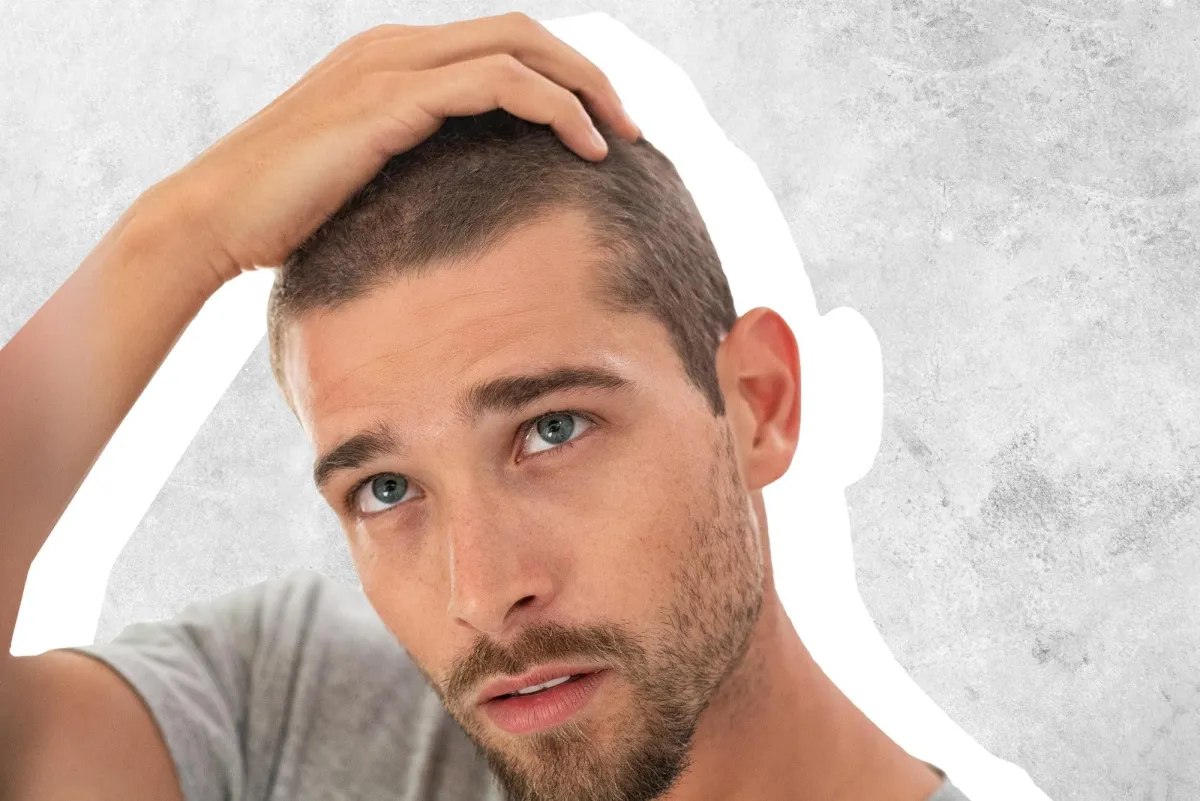
Losing your hair is never a good feeling, most men tend to feel self-conscious about it. Some men decide to completely shave off their heads or constantly wear a hat. One of the most common insecurities men face is hair thinning; for some men, it starts as early as in their 20s. The loss of confidence really starts to affect the way men do their hair and the types of hair cuts they get. Men start to worry about how they will be perceived by friends, family, and colleagues. Hair thinning should not be the cause of self distraughtness, and it should not limit men to have to continuously cover their heads. CADMEN Barbershop has compiled a list of the top 5 best haircuts for men experiencing early hair loss.
Barber Client Communication: How to Run a Consultation That Produces the Right Haircut Every Time
Barber Client Communication: How to Run a Consultation That Produces the Right Haircut Every Time
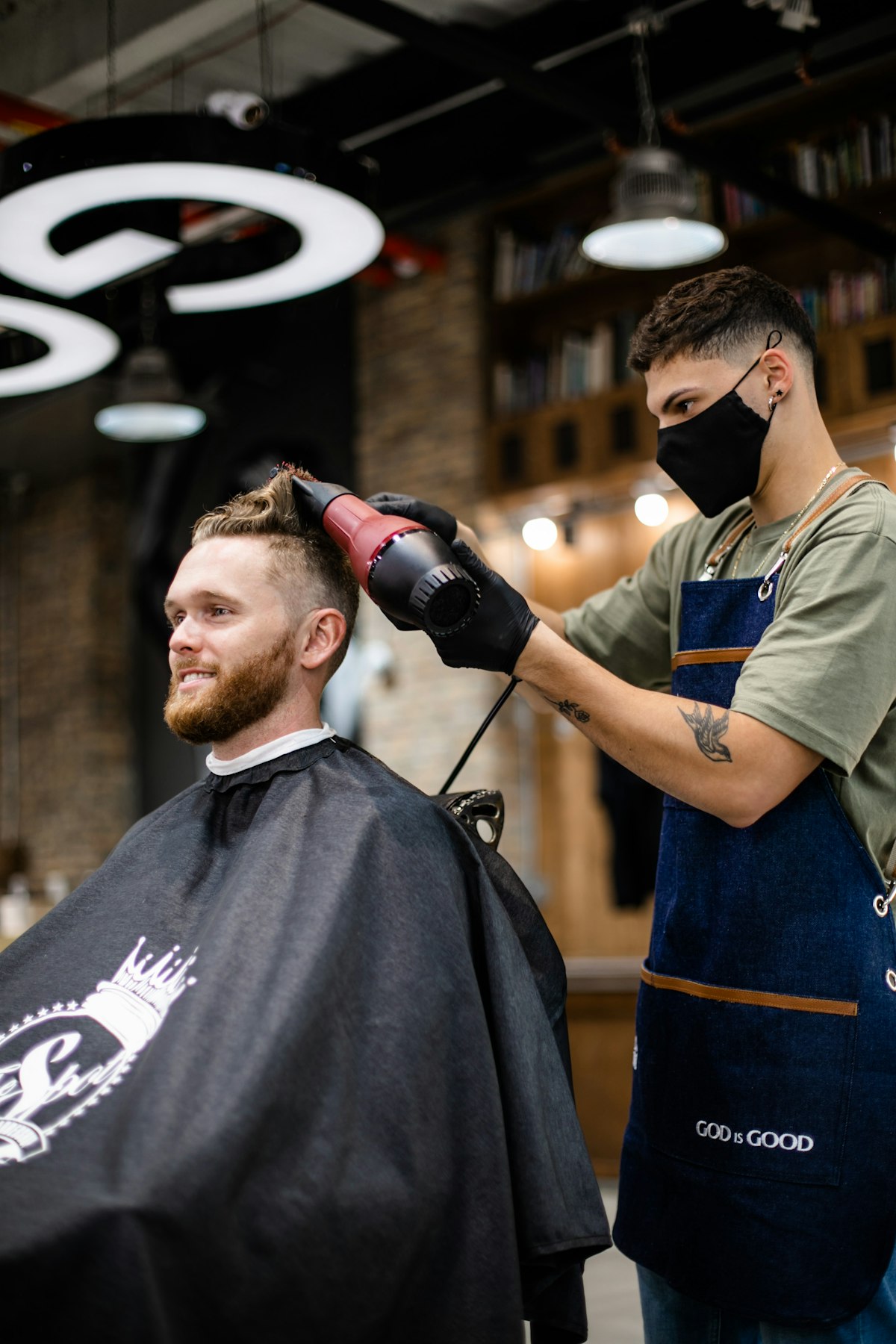
Most haircut miscommunications happen in the first 90 seconds or not at all. A barber who does not confirm three specific things before the first cut is made is operating on assumptions. Assumptions produce the wrong haircut often enough that every regular barber has experienced the moment a client looks in the mirror and says "that's not what I meant." That moment is not the fault of the cut; it is the fault of an incomplete consultation.
What the Consultation Must Confirm
The length
Every description of length is ambiguous until it is confirmed with a physical reference. "A little off the top" means different things to every client who says it. The clearest method: show the client, using the comb, where you are planning to cut. "I'm going to leave the top at about this length, does that work?" A client who disagrees will say so at this point. A client who nods has confirmed a specific result.
On the sides: "How short on the sides?" with a reference to a specific guard size or a visual reference on the clipper is more accurate than a language description. A 2 guard and a 3 guard are only 1.5 millimetres apart but produce visibly different results. If the client has been to the shop before and has a service history, the previous guard size is the starting point for the conversation, not a general question.
The fade type and height
Fade height (low, mid, high, skin) varies enough across barbers and clients that confirmation is required. A "low fade" to one client means the fade line sits just above the ear; to another it means the fade barely starts above the hairline. If you can show the client on their own head where the fade line will sit ("I'm going to bring it up to about here on the side") before committing, you eliminate the most common source of fade-related miscommunication.
The finish and texture
Does the client want a clean, sharp finish or a textured, lived-in result? These are different cuts with different techniques. Textured top hair versus tightly tapered top hair looks different and requires different scissor or clipper work. A client who says "I want it to look natural" is communicating something different from a client who says "I want it tight and clean," even if both use similar length guidelines. Asking "do you want it more textured or more polished on top?" is a single question that surfaces the finish preference before the cut begins.
Reference Photos
A reference photo shown at the start of the consultation reduces ambiguity more than any other tool. Look at the photo for three things: the fade type and height, the top length and texture, and whether the hair in the photo has a similar texture to the client in your chair. If the photo shows a style on pin-straight hair and the client has coarse, wavy hair, say so now: "Your texture is different from this photo, so it will look similar but not identical. The shape I can match; the exact finish will depend on your texture." Managing expectations before the cut is professional; managing disappointment after it is not.
Repeat Clients vs First-Time Clients
A first-time client needs a full consultation: all three confirmations above plus a question about what they did not like about their last haircut at another shop, if relevant. A repeat client who has had the same cut 10 times needs: "Same as last time?" plus one optional question about anything they wanted to change. Reading the consultation need accurately saves time with regulars while protecting against the miscommunication that still happens when a regular decides to change something but does not volunteer that information.
Frequently Asked Questions
How do you ask a client what haircut they want?
Start with a direct open question: "What are we doing today?" Let them lead. Then confirm the three things that are ambiguous from any open description: the specific length on top, the fade type and height on the sides, and the finish (textured or clean). Use physical references (showing with the comb where the cut will sit) rather than relying on language alone. End the consultation with a summary: "So I'm going to leave the top at about here, high fade on the sides, and keep it textured on top. Sound right?" A client who confirms that summary has agreed to a specific result.
What do you do if a client does not know what haircut they want?
Ask three questions: What do you not like about your hair right now? What did you like about the last great haircut you had? How much time do you spend styling in the morning? The answers to these three questions reveal the problem to solve, a reference point for the direction, and the maintenance expectation. From those answers, you can propose a specific cut and explain why it addresses what they described. A client who cannot describe what they want can almost always describe what they do not want and what problem they are trying to solve.
How do you handle a client who is unhappy with their haircut?
Address it directly and calmly. Ask them to describe specifically what they would change. If the issue is correctable with adjustments before they leave, make the adjustments. If the result cannot be changed (cut too short, cannot add length back), acknowledge the issue, explain what can be done, and offer a discounted or free follow-up when their hair grows back to work toward the result they were looking for. Most clients who are handled professionally when a miscommunication happens become long-term clients; the handling of the problem matters more than the problem itself.
How important is the consultation for experienced barbers?
The consultation does not become less important with experience; it becomes faster. An experienced barber confirms the same three things (length, fade height, finish) in 30 to 60 seconds rather than 3 minutes. Skipping the consultation because you are experienced is the fastest way to produce a haircut a client did not ask for. The consultation is not a skill-gap compensator; it is a communication tool that any competent barber runs by default.
Related Reading From CADMEN Barber Academy
- The Barber Consultation: What to Ask Before Every Cut
- Barber Client Consultation Tips: Getting the Information You Need Before the First Cut
- What Barbers Wish More Clients Knew Before Sitting in the Chair
- How to Build Client Loyalty in Your Barbershop
- Barber Client Retention: Why Clients Leave and What Keeps Them Coming Back
- Barber Client Retention: 5 Systems That Keep Clients Coming Back

5 Best Haircuts for Men with
Early Hair Thinning
Losing your hair is never a good feeling, most men tend to feel self-conscious about it. Some men decide to completely shave off their heads or constantly wear a hat. One of the most common insecurities men face is hair thinning; for some men, it starts as early as in their 20s. The loss of confidence really starts to affect the way men do their hair and the types of hair cuts they get. Men start to worry about how they will be perceived by friends, family, and colleagues. Hair thinning should not be the cause of self distraughtness, and it should not limit men to have to continuously cover their heads. CADMEN Barbershop has compiled a list of the top 5 best haircuts for men experiencing early hair loss.


For any request, please contact us at info@cadmen.ca