
Barber Tips & Tricks
Follow us for the latest barber techniques and tips
Barber Tips & Tricks
Follow us for the latest barber techniques and tips
Top 7 Reasons Why Your Clients
Aren't Returning
Stay Ahead in the Barbering Game: Nurturing
Lifelong Clientele
You might have come across the saying “give a client a good cut at a reasonable price, and they'll be yours for life.” Unfortunately in reality this is not always the case. That’s where we come in! Check out some of the reasons why your clients may not be returning, whether they were long-term customers or a first-time appointment, below.

Top 7 Reasons Why Your Clients
Aren't Returning
Stay Ahead in the Barbering Game: Nurturing
Lifelong Clientele
You might have come across the saying “give a client a good cut at a reasonable price, and they'll be yours for life.” Unfortunately in reality this is not always the case. That’s where we come in! Check out some of the reasons why your clients may not be returning, whether they were long-term customers or a first-time appointment, below.
Career in Mobile Barbering: Key
Things You Need to Know about
While most barbers work in physical barbershops or hair salons, there are a growing number of barbers who work on-call. What does it mean to be a mobile barber? What are their primary responsibilities? Where to find them? In this blog, we will explain some key terms you should know about mobile barbering and how you can start a new career in it.

Career in Mobile Barbering: Key
Things You Need to Know about
While most barbers work in physical barbershops or hair salons, there are a growing number of barbers who work on-call. What does it mean to be a mobile barber? What are their primary responsibilities? Where to find them? In this blog, we will explain some key terms you should know about mobile barbering and how you can start a new career in it.
Top 4 Ways for Barbers to
Promote Themselves
Marketing is key. Knowing how to market yourself as a barber can be the difference between having 5 to 20 clients a day. If you are interested in boosting the number of your customers and furthering your advertising skills, read the list below with four ways to promote yourself as a barber.

Top 4 Ways for Barbers to
Promote Themselves
Marketing is key. Knowing how to market yourself as a barber can be the difference between having 5 to 20 clients a day. If you are interested in boosting the number of your customers and furthering your advertising skills, read the list below with four ways to promote yourself as a barber.
5 Tips for Social Media Content
Creating as a Barber
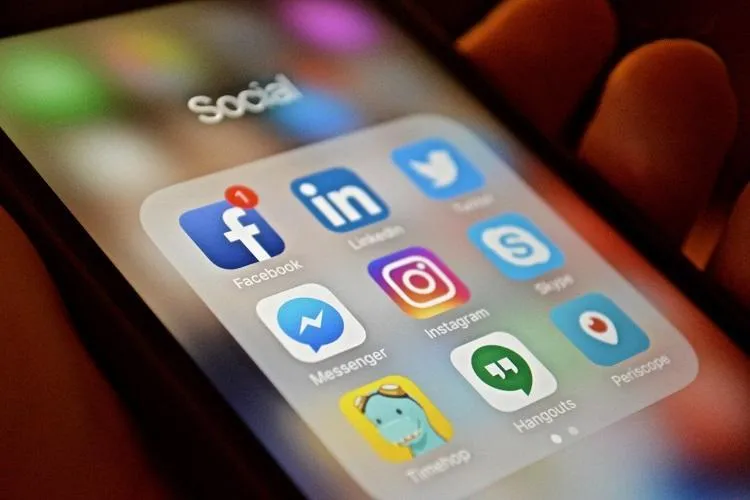
It is next to impossible to find someone who is not on social media today. More than just a tool for connection, social media is key helping barbers market themselves and promote their names and skills. If you want to up your barber game quickly, here are five tips on how to promote content online that you don't want to miss out on.
5 Tips for Social Media Content
Creating as a Barber
It is next to impossible to find someone who is not on social media today. More than just a tool for connection, social media is key helping barbers market themselves and promote their names and skills. If you want to up your barber game quickly, here are five tips on how to promote content online that you don't want to miss out on.
5 Best Haircuts for Men with
Early Hair Thinning
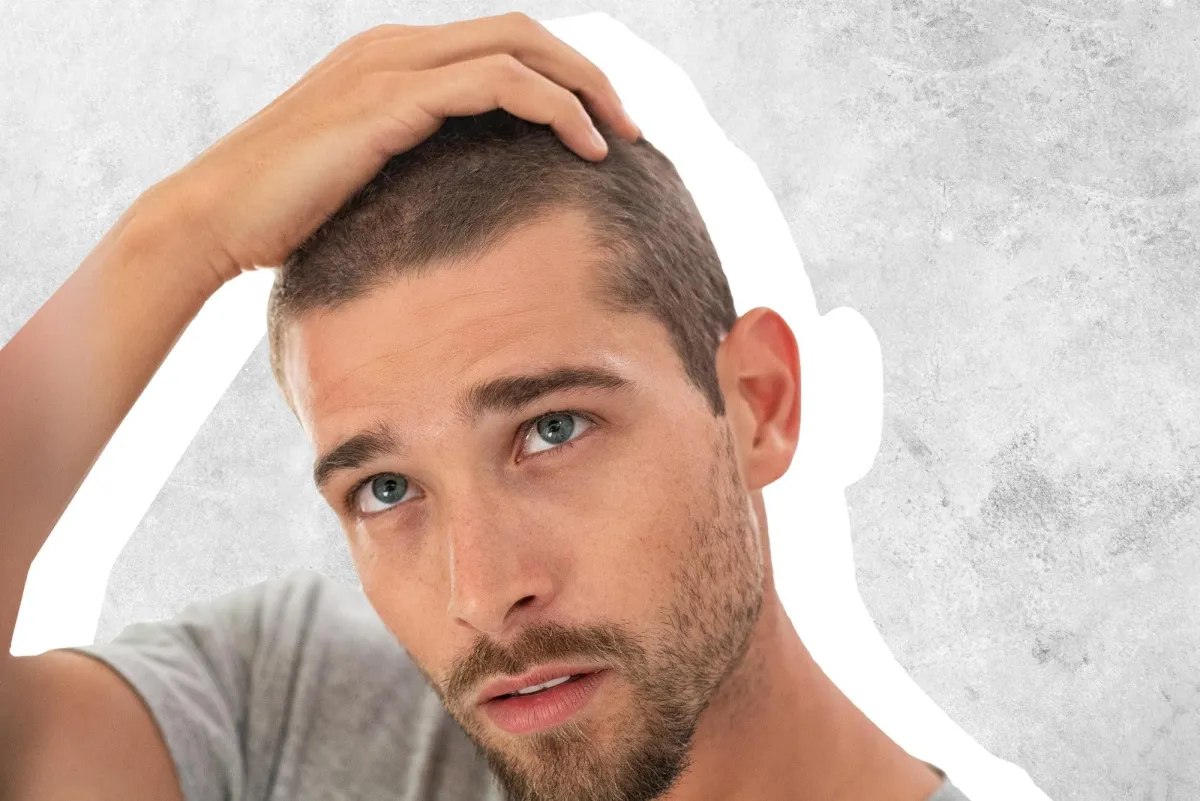
Losing your hair is never a good feeling, most men tend to feel self-conscious about it. Some men decide to completely shave off their heads or constantly wear a hat. One of the most common insecurities men face is hair thinning; for some men, it starts as early as in their 20s. The loss of confidence really starts to affect the way men do their hair and the types of hair cuts they get. Men start to worry about how they will be perceived by friends, family, and colleagues. Hair thinning should not be the cause of self distraughtness, and it should not limit men to have to continuously cover their heads. CADMEN Barbershop has compiled a list of the top 5 best haircuts for men experiencing early hair loss.
Barbershop Client Retention: What Keeps Clients Coming Back Every 3 Weeks
Barbershop Client Retention: What Keeps Clients Coming Back Every 3 Weeks
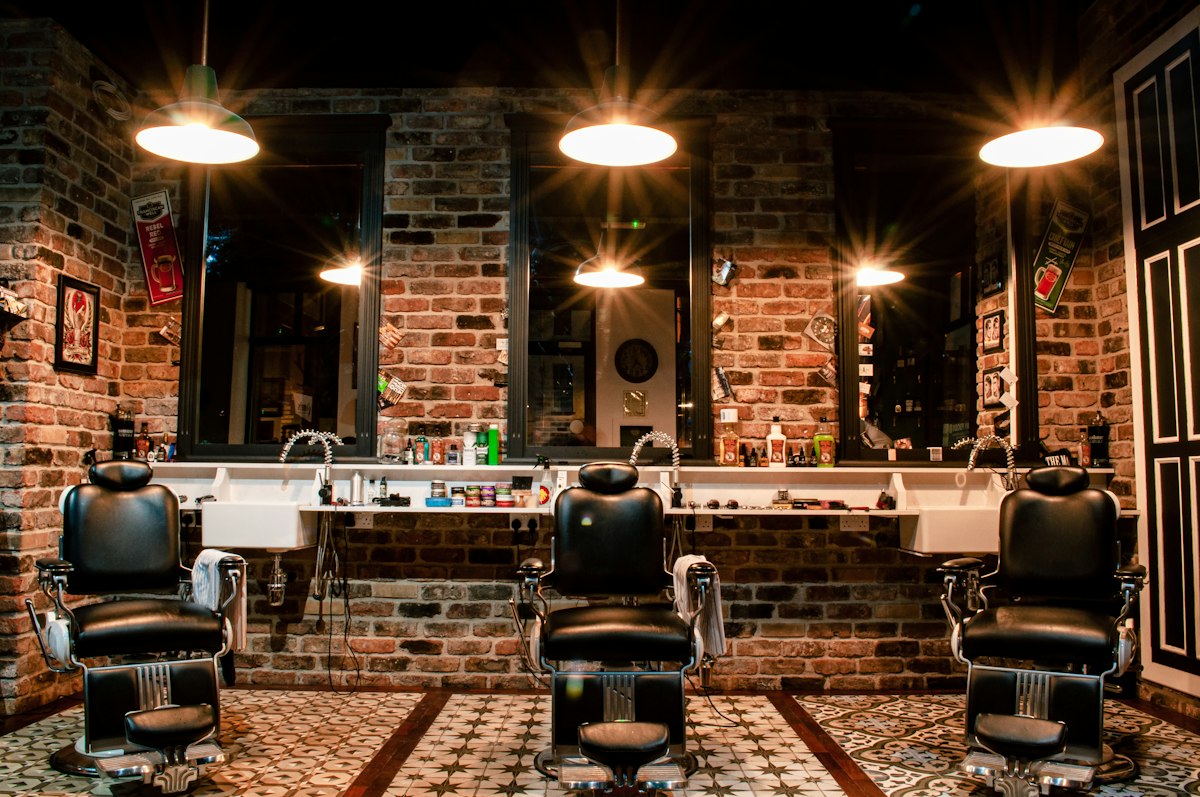
Client retention is the most important metric in a barbershop that is not being tracked by most barbershop owners. Revenue per week or bookings per day are visible. Retention rate is invisible unless you measure it. But it is the number that determines whether the business is growing, maintaining, or slowly declining even when it looks busy.
The Retention Math
A client who visits every 3 weeks generates approximately 17 visits per year. At a $40 average service price plus product or tip, that client is worth $700 to $900 per year. A client who visits every 6 weeks generates 9 visits per year, worth $350 to $450.
If a barbershop has 200 regular clients and improves the average visit frequency from once every 5 weeks to once every 4 weeks, that is approximately 520 additional visits per year across the client base. At $40 per visit: $20,800 in additional annual revenue from frequency improvement alone, with no new clients added.
Retention and frequency are the two levers that cost nothing to improve and have an immediate revenue impact. New client acquisition is the third lever, and the most expensive.
What Drives Retention
Consistency of result
Clients return to the barber who produces the same result every time. Variation in the haircut from visit to visit is the single most common reason clients quietly drift to a different barber. They do not complain. They do not tell you why. They simply book elsewhere next time. The standard to hold: every returning client should get a result that is at least as good as their best previous visit.
The consultation at every visit
A returning client should never feel like the barber is starting from zero. Knowing that a client likes the fade kept very tight in summer but a little longer in winter, that they prefer no conversation before 9am, or that they are growing out for a wedding shows that you are paying attention to them specifically. This is the relationship that walk-in volume does not build and that appointment booking supports.
Rebooking at the chair
The single most effective retention tactic: ask the client to rebook before they leave. "Same time in 3 weeks?" or "Do you want to get your next one on the calendar before you go?" at the end of the service converts a satisfied client immediately. The rebooking rate from asking is dramatically higher than the rate from hoping the client remembers to book later. The question costs 10 seconds.
Post-visit follow-up
An automated text or email 2 to 3 weeks after the visit (via the booking system or CRM) that says "Your last visit was X weeks ago, book your next one here [link]" is a low-effort, high-return retention tool. It reminds clients who intended to come back but forgot to book, and it positions the barbershop as a service that values the relationship. The automation makes this cost near-zero in time per client.
Why Clients Leave Without Saying Anything
The three most common causes of silent client departure:
- Inconsistent quality: one bad haircut followed by no recovery attempt
- Wait time exceeding expectation: the client's time was consistently not respected
- Feeling like a number: no evidence that the barber remembered them as a person
None of these require the client to have a complaint. They are passive dissatisfactions that do not produce feedback, just absence.
Recovering Lapsed Clients
A client who has not visited in 6 or more weeks when they were previously a 3-to-4-week regular has lapsed. An automated win-back message at the 6-week mark ("Haven't seen you in a while, here's an open slot this week") recovers a meaningful percentage of lapsed clients at near-zero cost. The window for win-back narrows rapidly after 8 to 10 weeks; by 3 months, the client has likely established a relationship with another barber.
The Business Coaching Angle
Client retention is one of the core operational systems covered in CADMEN's $4,000 USD barbershop owner coaching program. The program covers booking system setup, follow-up automation, rebooking strategy, and the metrics framework for tracking retention at the shop level. Apply at academy.cadmen.ca/business-coaching.
Frequently Asked Questions
What is a good client retention rate for a barbershop?
A retention rate of 65% or higher (meaning 65% of clients who visited in a given period return within a defined time window) is a healthy baseline for a stable barbershop. Shops with 75% to 85% retention are growing via compounding client relationships. Below 50% retention means the business is working extremely hard to fill chairs with new clients just to replace the ones leaving, which is a sustainable growth ceiling. Track it by measuring how many clients who visited in month 1 also visit in month 3. That ratio is your rolling retention rate.
How do you calculate barbershop client retention?
Define a cohort: all clients who visited in a specific month. Track how many of those same clients returned within 6 weeks (or whatever your expected visit frequency is). Divide returning clients by total cohort clients. The resulting percentage is your retention rate for that cohort. Most barbershop CRM tools (GHL, Vagaro, Booksy) can produce this report with some configuration. If the tool cannot produce it, a manual count from the appointment history accomplishes the same thing.
Why do barbershop clients switch barbers?
The most common reasons, in order of frequency based on client exit research in service businesses: inconsistent quality, long wait times, feeling like they were not remembered or valued, and a better-priced option in their area. Price is typically fourth, not first. Clients will pay a fair price for consistent quality and a relationship. They leave over quality and experience before they leave over price.
How much does client retention affect barbershop revenue?
Significantly. Improving visit frequency by 1 to 2 weeks across an established client base produces more annual revenue than a moderate amount of new client acquisition. A 10% improvement in retention on a 200-client base at $40 per service generates $14,000 to $20,000 in additional annual revenue with no increase in marketing spend. New client acquisition via ads at a $30 to $50 cost per acquisition would require 280 to 500 new clients to produce the same revenue gain.
Does having an online booking system improve barbershop retention?
Yes, for two reasons. First, it removes friction from the rebooking step: a client who wants to book at midnight can do so without waiting for a phone call. Friction at the booking step converts willing clients into lapsed clients. Second, booking systems generate the data needed to run automated retention follow-up sequences. Without a system, you cannot know when a regular client has gone quiet until weeks have passed and the relationship has already cooled.
Related Reading From CADMEN Barber Academy
- Barber Client Retention: Why Clients Leave and What Keeps Them Coming Back
- Barber Client Retention: 5 Systems That Keep Clients Coming Back
- How to Retain Barbershop Clients Long-Term
- Barber Client Communication: How to Run a Consultation That Produces the Right Haircut Every Time
- The Barber Consultation: What to Ask Before Every Cut
- Barber Client Consultation Tips: Getting the Information You Need Before the First Cut

5 Best Haircuts for Men with
Early Hair Thinning
Losing your hair is never a good feeling, most men tend to feel self-conscious about it. Some men decide to completely shave off their heads or constantly wear a hat. One of the most common insecurities men face is hair thinning; for some men, it starts as early as in their 20s. The loss of confidence really starts to affect the way men do their hair and the types of hair cuts they get. Men start to worry about how they will be perceived by friends, family, and colleagues. Hair thinning should not be the cause of self distraughtness, and it should not limit men to have to continuously cover their heads. CADMEN Barbershop has compiled a list of the top 5 best haircuts for men experiencing early hair loss.


For any request, please contact us at info@cadmen.ca