
Barber Tips & Tricks
Follow us for the latest barber techniques and tips
Barber Tips & Tricks
Follow us for the latest barber techniques and tips
Top 7 Reasons Why Your Clients
Aren't Returning
Stay Ahead in the Barbering Game: Nurturing
Lifelong Clientele
You might have come across the saying “give a client a good cut at a reasonable price, and they'll be yours for life.” Unfortunately in reality this is not always the case. That’s where we come in! Check out some of the reasons why your clients may not be returning, whether they were long-term customers or a first-time appointment, below.

Top 7 Reasons Why Your Clients
Aren't Returning
Stay Ahead in the Barbering Game: Nurturing
Lifelong Clientele
You might have come across the saying “give a client a good cut at a reasonable price, and they'll be yours for life.” Unfortunately in reality this is not always the case. That’s where we come in! Check out some of the reasons why your clients may not be returning, whether they were long-term customers or a first-time appointment, below.
Career in Mobile Barbering: Key
Things You Need to Know about
While most barbers work in physical barbershops or hair salons, there are a growing number of barbers who work on-call. What does it mean to be a mobile barber? What are their primary responsibilities? Where to find them? In this blog, we will explain some key terms you should know about mobile barbering and how you can start a new career in it.

Career in Mobile Barbering: Key
Things You Need to Know about
While most barbers work in physical barbershops or hair salons, there are a growing number of barbers who work on-call. What does it mean to be a mobile barber? What are their primary responsibilities? Where to find them? In this blog, we will explain some key terms you should know about mobile barbering and how you can start a new career in it.
Top 4 Ways for Barbers to
Promote Themselves
Marketing is key. Knowing how to market yourself as a barber can be the difference between having 5 to 20 clients a day. If you are interested in boosting the number of your customers and furthering your advertising skills, read the list below with four ways to promote yourself as a barber.

Top 4 Ways for Barbers to
Promote Themselves
Marketing is key. Knowing how to market yourself as a barber can be the difference between having 5 to 20 clients a day. If you are interested in boosting the number of your customers and furthering your advertising skills, read the list below with four ways to promote yourself as a barber.
5 Tips for Social Media Content
Creating as a Barber
It is next to impossible to find someone who is not on social media today. More than just a tool for connection, social media is key helping barbers market themselves and promote their names and skills. If you want to up your barber game quickly, here are five tips on how to promote content online that you don't want to miss out on.

5 Tips for Social Media Content
Creating as a Barber
It is next to impossible to find someone who is not on social media today. More than just a tool for connection, social media is key helping barbers market themselves and promote their names and skills. If you want to up your barber game quickly, here are five tips on how to promote content online that you don't want to miss out on.
5 Best Haircuts for Men with
Early Hair Thinning
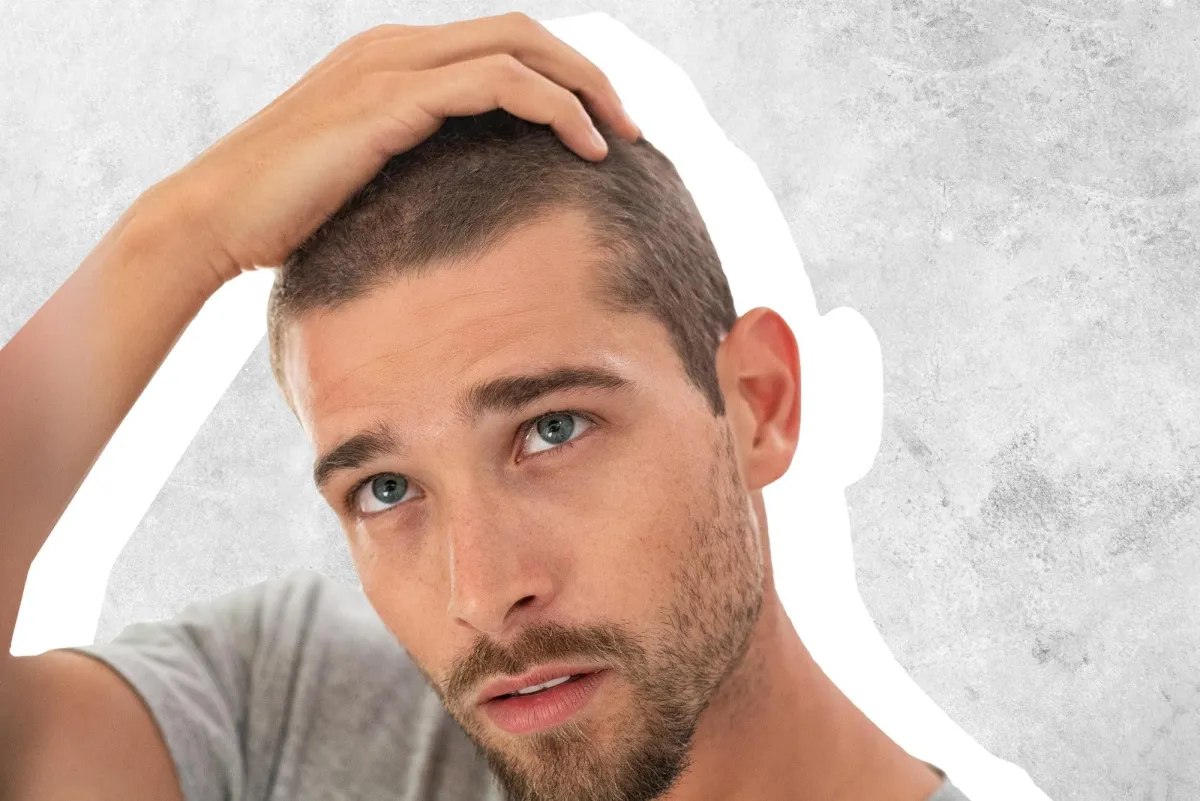
Losing your hair is never a good feeling, most men tend to feel self-conscious about it. Some men decide to completely shave off their heads or constantly wear a hat. One of the most common insecurities men face is hair thinning; for some men, it starts as early as in their 20s. The loss of confidence really starts to affect the way men do their hair and the types of hair cuts they get. Men start to worry about how they will be perceived by friends, family, and colleagues. Hair thinning should not be the cause of self distraughtness, and it should not limit men to have to continuously cover their heads. CADMEN Barbershop has compiled a list of the top 5 best haircuts for men experiencing early hair loss.
Barber Client Consultation Tips: Getting the Information You Need Before the First Cut
Barber Client Consultation Tips: Getting the Information You Need Before the First Cut
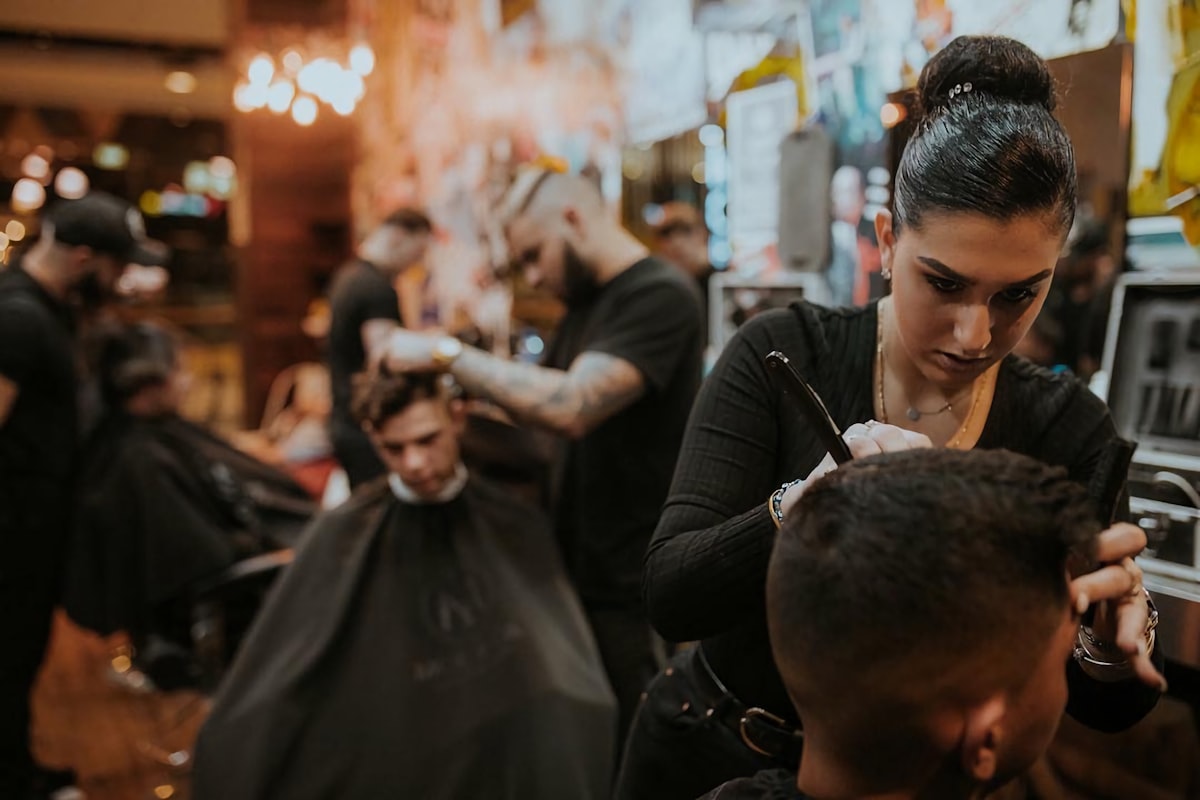
A missed consultation is the most common preventable cause of client disappointment. The barber assumed they understood what the client wanted; they did not. The client did not know how to describe what they wanted clearly; the barber did not ask the right questions to extract it. Two minutes of specific questions before the first clipper pass prevents the scenarios that generate negative reviews, re-cuts, and lost clients.
What a Good Consultation Accomplishes
A pre-cut consultation serves three purposes: it confirms the technical parameters of the cut (fade height, top length, outline shape, specific techniques), it surfaces any constraints (past bad experiences, hair conditions the barber needs to know about, events the client has upcoming), and it creates a shared visual reference so both the barber and client are aiming at the same result.
Clients who do not receive a consultation regularly leave with a haircut that is technically correct but not what they had in mind. They do not always say so; they just do not book again. The consultation is retention infrastructure.
The Specific Questions That Matter
"What are we doing today?"
Open-ended, invites the client to describe in their own words. Most clients will give you a useful starting description (the style name, or a reference to last time, or a description of what they want to change). Follow up to confirm the specifics.
Fade height: "Are you thinking high, mid, or low on the sides?"
Many clients do not know these terms; they will tell you by approximating ("around the ear" = low/mid, "up high on the sides" = high or skin). What they are telling you with vague descriptions is what they have in mind; your job is to translate it into a technical decision and confirm it with them.
Base length: "How close at the bottom?"
Skin, very close, or with some length visible. This is the most consequential technical decision; a client who wanted a skin fade and got a 0.5 base will notice. A client who wanted a 0.5 and got skin may be unhappy. Ask and confirm before cutting.
Top length: "How much are we leaving on top?"
Especially important on first visits or when the client is making a change from their current length. Showing the client a finger-length estimate before cutting lets them course-correct before there is hair on the floor.
Reference photo
"Do you have a photo of what you have in mind?" is always a useful question. A photo shared on a phone eliminates the ambiguity of verbal descriptions for most style details. When a client has a photo, look at the photo critically: is this cut possible on this client's hair texture and head shape? If not, say so before starting and describe what you can achieve. If yes, identify the key elements in the photo and confirm they match what the client is asking for.
Handling Clients Who Cannot Describe What They Want
Some clients say "same as usual" (use your records), some say "just a cleanup" (ask what that means to them specifically), and some say "you decide" (which is a trust extension, not a free-for-all; ask one guiding question: "Do you want to keep the length or take it shorter?"). The client who says "I don't know, just make it look good" is telling you to use your professional judgment; use it, and show them with the mirror and a specific question before you leave the style they are in.
Frequently Asked Questions
How long should a barber consultation take?
2 to 3 minutes for a first-time client or a client making a significant change. 30 to 60 seconds for a returning client with a known preference. The consultation is not a design session; it is a confirmation that both parties are aligned before irreversible technical decisions are made. Experienced barbers ask targeted questions that extract the key information quickly, not open-ended conversations that extend significantly into the service time.
What should a barber ask a new client?
What style they want (or a photo), fade height and base length, top length preference, any past haircut experiences that went wrong (tells you what to avoid), and whether there are any upcoming events that affect timing or style requirements. These five categories cover the information a barber needs to start with confidence. First-visit clients also benefit from hearing the barber explain what they are going to do before starting; it signals competence and builds the trust that determines whether the client returns.
What do you do when a client is unhappy with their haircut?
Ask what specifically they want changed and whether it is correctable in the current cut. Some disappointments are correctable (the outline can be adjusted, the blend can be refined). Others are not (the top is too short to add length back). For correctable issues: fix it without charging. For non-correctable issues: offer to address it at the next cut at no charge, and be specific about what you will do differently. Do not argue about whether the current cut is objectively good. The client's perception of the result is what determines whether they return. A specific offer to make it right at the next visit retains the client in most cases.
Related Reading From CADMEN Barber Academy
- The Barber Consultation: What to Ask Before Every Cut
- How Barbers Read a Client in the Consultation
- How to Do a Client Consultation Before Every Haircut
- The Barbershop Consultation: How to Get the Cut Right Every Time
- Barber Client Communication: How to Run a Consultation That Produces the Right Haircut Every Time
- How to Choose a Barber in Toronto for the Best Fade

5 Best Haircuts for Men with
Early Hair Thinning
Losing your hair is never a good feeling, most men tend to feel self-conscious about it. Some men decide to completely shave off their heads or constantly wear a hat. One of the most common insecurities men face is hair thinning; for some men, it starts as early as in their 20s. The loss of confidence really starts to affect the way men do their hair and the types of hair cuts they get. Men start to worry about how they will be perceived by friends, family, and colleagues. Hair thinning should not be the cause of self distraughtness, and it should not limit men to have to continuously cover their heads. CADMEN Barbershop has compiled a list of the top 5 best haircuts for men experiencing early hair loss.


For any request, please contact us at info@cadmen.ca