
Barber Tips & Tricks
Follow us for the latest barber techniques and tips
Barber Tips & Tricks
Follow us for the latest barber techniques and tips
Top 7 Reasons Why Your Clients
Aren't Returning
Stay Ahead in the Barbering Game: Nurturing
Lifelong Clientele
You might have come across the saying “give a client a good cut at a reasonable price, and they'll be yours for life.” Unfortunately in reality this is not always the case. That’s where we come in! Check out some of the reasons why your clients may not be returning, whether they were long-term customers or a first-time appointment, below.

Top 7 Reasons Why Your Clients
Aren't Returning
Stay Ahead in the Barbering Game: Nurturing
Lifelong Clientele
You might have come across the saying “give a client a good cut at a reasonable price, and they'll be yours for life.” Unfortunately in reality this is not always the case. That’s where we come in! Check out some of the reasons why your clients may not be returning, whether they were long-term customers or a first-time appointment, below.
Career in Mobile Barbering: Key
Things You Need to Know about
While most barbers work in physical barbershops or hair salons, there are a growing number of barbers who work on-call. What does it mean to be a mobile barber? What are their primary responsibilities? Where to find them? In this blog, we will explain some key terms you should know about mobile barbering and how you can start a new career in it.

Career in Mobile Barbering: Key
Things You Need to Know about
While most barbers work in physical barbershops or hair salons, there are a growing number of barbers who work on-call. What does it mean to be a mobile barber? What are their primary responsibilities? Where to find them? In this blog, we will explain some key terms you should know about mobile barbering and how you can start a new career in it.
Top 4 Ways for Barbers to
Promote Themselves
Marketing is key. Knowing how to market yourself as a barber can be the difference between having 5 to 20 clients a day. If you are interested in boosting the number of your customers and furthering your advertising skills, read the list below with four ways to promote yourself as a barber.

Top 4 Ways for Barbers to
Promote Themselves
Marketing is key. Knowing how to market yourself as a barber can be the difference between having 5 to 20 clients a day. If you are interested in boosting the number of your customers and furthering your advertising skills, read the list below with four ways to promote yourself as a barber.
5 Tips for Social Media Content
Creating as a Barber
It is next to impossible to find someone who is not on social media today. More than just a tool for connection, social media is key helping barbers market themselves and promote their names and skills. If you want to up your barber game quickly, here are five tips on how to promote content online that you don't want to miss out on.

5 Tips for Social Media Content
Creating as a Barber
It is next to impossible to find someone who is not on social media today. More than just a tool for connection, social media is key helping barbers market themselves and promote their names and skills. If you want to up your barber game quickly, here are five tips on how to promote content online that you don't want to miss out on.
5 Best Haircuts for Men with
Early Hair Thinning
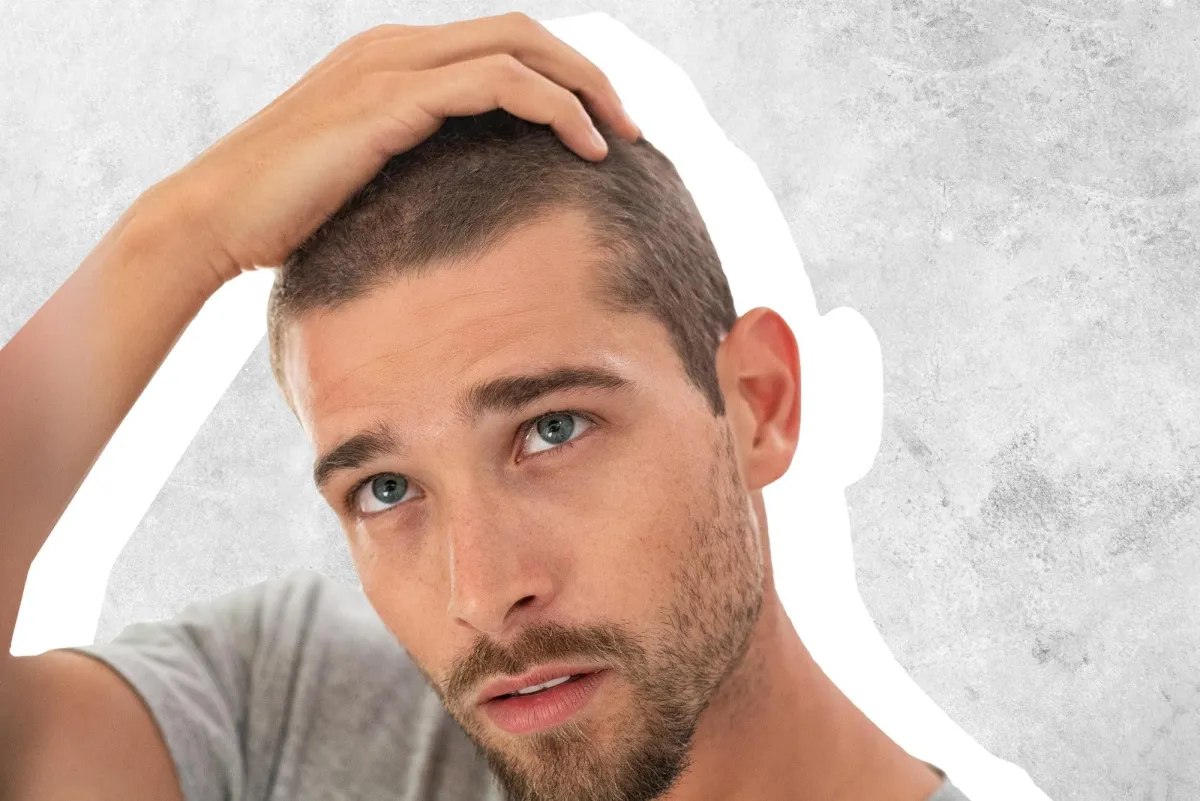
Losing your hair is never a good feeling, most men tend to feel self-conscious about it. Some men decide to completely shave off their heads or constantly wear a hat. One of the most common insecurities men face is hair thinning; for some men, it starts as early as in their 20s. The loss of confidence really starts to affect the way men do their hair and the types of hair cuts they get. Men start to worry about how they will be perceived by friends, family, and colleagues. Hair thinning should not be the cause of self distraughtness, and it should not limit men to have to continuously cover their heads. CADMEN Barbershop has compiled a list of the top 5 best haircuts for men experiencing early hair loss.

How to Talk to Your Barber: Getting the Haircut You Actually Want
How to Talk to Your Barber: Getting the Haircut You Actually Want
Most haircut disappointments are communication failures, not skill failures. The barber executed a cut that differed from what the client had in mind, and both parties thought they were talking about the same thing. Here is how to avoid that.
Use a Reference Photo
A single photo communicates more than most verbal descriptions can. "Short on the sides, longer on top with some texture" describes hundreds of different haircuts. A photo narrows it to one. You do not need to find someone who looks exactly like you. The barber is reading the structural elements: where the fade starts, how long the top is, what direction the hair is styled, what the neckline looks like. Those elements transfer across different hair types, face shapes, and face structures.
If you cannot find one perfect photo, two photos (one from the front, one from the side) describe the cut more completely than one. Photos from the back are less commonly needed but useful if the neckline style matters to you.
Describe What You Want to Keep, Not Just What to Remove
Many clients describe haircuts in terms of how much to take off ("just a trim," "not too much") rather than what the result should look like. This puts the interpretation entirely in the barber's hands. More useful information includes: how long you want the top section to be, whether you want the sides faded or tapered, where you want the fade to start (low, mid, or high), and how you plan to style it daily. These describe the result you are working toward.
Know Your Hair's Behavior
If your hair is thick, fine, curly, or has a strong growth direction, mentioning this before the cut helps the barber plan the approach. Thick hair that appears shorter wet than dry affects where the barber sets the length. Cowlicks affect which styles will fall naturally versus require daily product to maintain. Hair that has been chemically processed may behave differently from untreated hair. The barber will observe these things themselves, but knowing them upfront speeds up the consultation.
During the Cut: Check and Confirm
Many clients stay silent throughout the cut and only evaluate the result at the end, when changes are harder to make. If the barber pauses to show you a section in the mirror and asks if the length is right, answer honestly. If you are uncertain about the direction the cut is going, ask to see it at a stage before proceeding further. A barber would rather adjust mid-cut than redo significant work at the end. Speaking up at the right moment is not interrupting the process; it is part of it.
After a Bad Haircut: What to Say
If you receive a cut that did not match what you wanted, the most useful response is specific rather than general. "The top is shorter than I wanted" or "the fade started higher than I expected" gives the barber something actionable. A complaint about the overall result without specifics is harder for the barber to resolve immediately or to apply on your next visit. Good barbers want to know when the result missed; that feedback is how they calibrate to your preferences over time.
Frequently Asked Questions
What if I do not know the terminology?
A photo removes the need for terminology entirely. If you do not have a photo, describing in plain terms is fine. "I want the sides shorter than the top, and I want it to blend rather than have a hard line" communicates the structure of a fade cut without using the word "fade." Barbers are accustomed to translating plain descriptions into technical execution. What helps is specificity about length and structure, not knowledge of industry terms.
How specific should I be about length?
As specific as you can be. "A little shorter" is ambiguous. "About a half inch off the top" is actionable. If you know the guard size used for your sides on previous cuts, that is highly useful information. If you have a previous cut you liked, saying "similar to last time but slightly shorter on the sides" gives the barber a benchmark. Ranges are also useful: "somewhere between a 2 and 3 guard on the sides" is more actionable than "not too short."
Should I describe the style I want or the maintenance I prefer?
Both. A style that looks sharp but requires 20 minutes of daily styling may not be realistic for your routine. Telling the barber your maintenance preference ("I want something I can leave without product" or "I style with product every morning") allows them to recommend and shape a cut that will look correct under your actual usage habits. A great haircut should also be a functional one.
Is it rude to correct the barber during the cut?
No. Professional barbers expect feedback during the cut. Politely saying "actually, could we leave a bit more length on top" is not rude; it is useful. The alternative of staying silent and accepting a result you are unhappy with benefits neither of you. The earlier in the cut you raise a concern, the more options the barber has. Once significant length has been removed, corrections become narrower.
Related Reading From CADMEN Barber Academy
- The Barbershop Consultation: How to Get the Cut Right Every Time
- The Barber Consultation: What to Ask Before Every Cut
- Barber Client Consultation Tips: Getting the Information You Need Before the First Cut
- Barber Consultation Questions: What to Ask Before Every Cut
- How to Do a Barber Consultation: The Questions That Prevent Bad Haircuts
- How to Choose a Barber in Toronto for the Best Fade

5 Best Haircuts for Men with
Early Hair Thinning
Losing your hair is never a good feeling, most men tend to feel self-conscious about it. Some men decide to completely shave off their heads or constantly wear a hat. One of the most common insecurities men face is hair thinning; for some men, it starts as early as in their 20s. The loss of confidence really starts to affect the way men do their hair and the types of hair cuts they get. Men start to worry about how they will be perceived by friends, family, and colleagues. Hair thinning should not be the cause of self distraughtness, and it should not limit men to have to continuously cover their heads. CADMEN Barbershop has compiled a list of the top 5 best haircuts for men experiencing early hair loss.


For any request, please contact us at info@cadmen.ca