
Barber Tips & Tricks
Follow us for the latest barber techniques and tips
Barber Tips & Tricks
Follow us for the latest barber techniques and tips
Top 7 Reasons Why Your Clients
Aren't Returning
Stay Ahead in the Barbering Game: Nurturing
Lifelong Clientele
You might have come across the saying “give a client a good cut at a reasonable price, and they'll be yours for life.” Unfortunately in reality this is not always the case. That’s where we come in! Check out some of the reasons why your clients may not be returning, whether they were long-term customers or a first-time appointment, below.

Top 7 Reasons Why Your Clients
Aren't Returning
Stay Ahead in the Barbering Game: Nurturing
Lifelong Clientele
You might have come across the saying “give a client a good cut at a reasonable price, and they'll be yours for life.” Unfortunately in reality this is not always the case. That’s where we come in! Check out some of the reasons why your clients may not be returning, whether they were long-term customers or a first-time appointment, below.
Career in Mobile Barbering: Key
Things You Need to Know about
While most barbers work in physical barbershops or hair salons, there are a growing number of barbers who work on-call. What does it mean to be a mobile barber? What are their primary responsibilities? Where to find them? In this blog, we will explain some key terms you should know about mobile barbering and how you can start a new career in it.

Career in Mobile Barbering: Key
Things You Need to Know about
While most barbers work in physical barbershops or hair salons, there are a growing number of barbers who work on-call. What does it mean to be a mobile barber? What are their primary responsibilities? Where to find them? In this blog, we will explain some key terms you should know about mobile barbering and how you can start a new career in it.
Top 4 Ways for Barbers to
Promote Themselves
Marketing is key. Knowing how to market yourself as a barber can be the difference between having 5 to 20 clients a day. If you are interested in boosting the number of your customers and furthering your advertising skills, read the list below with four ways to promote yourself as a barber.

Top 4 Ways for Barbers to
Promote Themselves
Marketing is key. Knowing how to market yourself as a barber can be the difference between having 5 to 20 clients a day. If you are interested in boosting the number of your customers and furthering your advertising skills, read the list below with four ways to promote yourself as a barber.
5 Tips for Social Media Content
Creating as a Barber
It is next to impossible to find someone who is not on social media today. More than just a tool for connection, social media is key helping barbers market themselves and promote their names and skills. If you want to up your barber game quickly, here are five tips on how to promote content online that you don't want to miss out on.

5 Tips for Social Media Content
Creating as a Barber
It is next to impossible to find someone who is not on social media today. More than just a tool for connection, social media is key helping barbers market themselves and promote their names and skills. If you want to up your barber game quickly, here are five tips on how to promote content online that you don't want to miss out on.
5 Best Haircuts for Men with
Early Hair Thinning
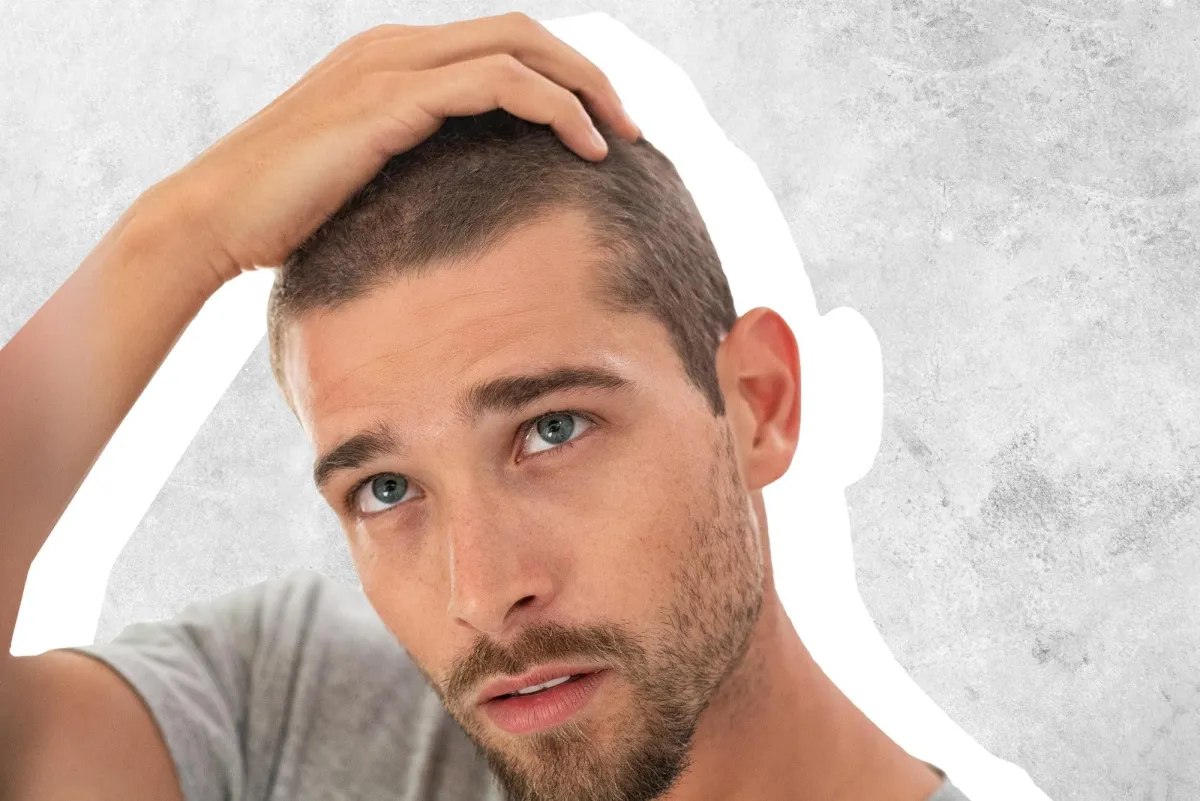
Losing your hair is never a good feeling, most men tend to feel self-conscious about it. Some men decide to completely shave off their heads or constantly wear a hat. One of the most common insecurities men face is hair thinning; for some men, it starts as early as in their 20s. The loss of confidence really starts to affect the way men do their hair and the types of hair cuts they get. Men start to worry about how they will be perceived by friends, family, and colleagues. Hair thinning should not be the cause of self distraughtness, and it should not limit men to have to continuously cover their heads. CADMEN Barbershop has compiled a list of the top 5 best haircuts for men experiencing early hair loss.

Barber Consultation Questions: What to Ask Before Every Cut
Barber Consultation Questions: What to Ask Before Every Cut
The consultation happens before the first clipper pass. It determines the result. A haircut performed with full technical skill on a misunderstood brief produces a dissatisfied client. The consultation is the quality control step that every other step in the service depends on.
The Four Core Consultation Questions
1. What are you looking for today?
Open-ended, not leading. This gives the client the first opportunity to describe what they want without being anchored by a list of options. Many clients can describe it; others will say "the same as last time" or show a photo. All of these responses give useful information. A client who says nothing specific or gives a very vague answer is telling you they want a version of what they already have, which means the clarifying questions become more important.
2. Do you have a photo or reference?
If the client has a reference photo, use it. A photo communicates length, fade height, texture, and overall shape in a way that words rarely match. If they do not have one, describe the key variables specifically: "Are you thinking a high, mid, or low fade?" and "How much length on top?" Most clients can answer these even if they cannot describe the full cut from scratch.
3. How have you been maintaining it between cuts?
This tells the barber how the client relates to their hair at home. If they are coming in regularly and the cut has grown out evenly, that is different information than if they have not been in for 10 weeks and the sides have grown past what they want. The maintenance habit also informs the product and styling recommendation at the end of the service.
4. Anything you want differently this time?
For returning clients, this is the most important question. Most returning clients do not volunteer that they want a change; they assume the barber will do the same thing and are then disappointed when the small adjustment they wanted was not made. This question makes space for the feedback that was going unsaid.
Handling Clients Who Cannot Describe What They Want
Some clients genuinely do not have a specific vision. They want to look good but cannot articulate how. For these clients:
- Assess what they currently have and identify the most likely intention (maintaining the shape, cleaning it up, a fresh start)
- Make a specific suggestion: "Based on your hair and your face shape, I'd suggest a mid fade with the top kept around this length. Does that sound good?"
- Get a clear yes before starting
The barber making a suggestion is not overriding the client; it is doing the expertise part of the job that the client came for. A client who could not describe what they wanted but got a great result that was clearly explained to them before the cut becomes a loyal client.
What the Consultation Is Not
The consultation is not a upsell moment. It is a service alignment step. Upsells come after the consultation has established what the client wants from their primary service. Mixing the two (consultation and upsell pitch in the same moment at the start of the service) makes the consultation feel transactional and the client feel like the opening was a setup.
The consultation is also not a long conversation. The entire consultation should take 60 to 90 seconds. It is not an interview; it is a brief alignment to confirm the brief. The barber should be able to begin cutting within 2 minutes of the client sitting down.
Frequently Asked Questions
Why is the barber consultation important?
The consultation is the only moment where the barber can align on the client's expectation before the work is irreversible. A haircut performed without a clear brief is a guess. When the guess is wrong, the client is dissatisfied, the barber did not intend the wrong result, and the relationship is damaged over a communication failure that 90 seconds at the start would have prevented.
What should a client bring to a barber consultation?
A photo of the style they want is the single most useful thing a client can bring. It removes ambiguity about length, fade height, and overall shape in a way that descriptions rarely replicate. If the client does not have a photo, they should be ready to answer two questions: how short on the sides (or what type of fade), and how much length on top. Those two answers cover the majority of the brief for most haircuts.
How do you tell a barber what you want?
Describe the two most important variables: side length or fade type, and top length. Add any specific requests (no skin, keep the fringe, clean up the neckline). If you have a photo reference, show it. If you are not sure what you want, tell the barber what you do not want. "Not too short on top" and "I want the sides fairly tight" is enough information to start a productive consultation.
What is the difference between a consultation and a brief for a barber?
They are the same thing. The consultation is the process; the brief is the output. After the consultation, the barber should have a clear brief that answers: what style, what length on top, what fade height and type, any specific preferences or constraints. That brief guides every decision in the haircut. Both terms refer to the alignment that happens before the cut starts.
Should a barber consult with every client at every visit?
Yes, even for returning clients who always want the same thing. A quick check ("Same as last time?" "Anything different this visit?") takes 10 seconds and surfaces changes the client may not have mentioned. Skipping the consultation for regulars is a retention risk because the client who wanted a small change but did not volunteer it and was not asked walks out less satisfied than if the question had been asked.
Related Reading From CADMEN Barber Academy
- The Barbershop Consultation: How to Get the Cut Right Every Time
- The Barber Consultation: What to Ask Before Every Cut
- Barber Client Consultation Tips: Getting the Information You Need Before the First Cut
- How to Talk to Your Barber: Getting the Haircut You Actually Want
- How to Do a Barber Consultation: The Questions That Prevent Bad Haircuts
- How to Choose a Barber in Toronto for the Best Fade

5 Best Haircuts for Men with
Early Hair Thinning
Losing your hair is never a good feeling, most men tend to feel self-conscious about it. Some men decide to completely shave off their heads or constantly wear a hat. One of the most common insecurities men face is hair thinning; for some men, it starts as early as in their 20s. The loss of confidence really starts to affect the way men do their hair and the types of hair cuts they get. Men start to worry about how they will be perceived by friends, family, and colleagues. Hair thinning should not be the cause of self distraughtness, and it should not limit men to have to continuously cover their heads. CADMEN Barbershop has compiled a list of the top 5 best haircuts for men experiencing early hair loss.


For any request, please contact us at info@cadmen.ca