
Barber Tips & Tricks
Follow us for the latest barber techniques and tips
Barber Tips & Tricks
Follow us for the latest barber techniques and tips
Top 7 Reasons Why Your Clients
Aren't Returning
Stay Ahead in the Barbering Game: Nurturing
Lifelong Clientele
You might have come across the saying “give a client a good cut at a reasonable price, and they'll be yours for life.” Unfortunately in reality this is not always the case. That’s where we come in! Check out some of the reasons why your clients may not be returning, whether they were long-term customers or a first-time appointment, below.

Top 7 Reasons Why Your Clients
Aren't Returning
Stay Ahead in the Barbering Game: Nurturing
Lifelong Clientele
You might have come across the saying “give a client a good cut at a reasonable price, and they'll be yours for life.” Unfortunately in reality this is not always the case. That’s where we come in! Check out some of the reasons why your clients may not be returning, whether they were long-term customers or a first-time appointment, below.
Career in Mobile Barbering: Key
Things You Need to Know about
While most barbers work in physical barbershops or hair salons, there are a growing number of barbers who work on-call. What does it mean to be a mobile barber? What are their primary responsibilities? Where to find them? In this blog, we will explain some key terms you should know about mobile barbering and how you can start a new career in it.

Career in Mobile Barbering: Key
Things You Need to Know about
While most barbers work in physical barbershops or hair salons, there are a growing number of barbers who work on-call. What does it mean to be a mobile barber? What are their primary responsibilities? Where to find them? In this blog, we will explain some key terms you should know about mobile barbering and how you can start a new career in it.
Top 4 Ways for Barbers to
Promote Themselves
Marketing is key. Knowing how to market yourself as a barber can be the difference between having 5 to 20 clients a day. If you are interested in boosting the number of your customers and furthering your advertising skills, read the list below with four ways to promote yourself as a barber.

Top 4 Ways for Barbers to
Promote Themselves
Marketing is key. Knowing how to market yourself as a barber can be the difference between having 5 to 20 clients a day. If you are interested in boosting the number of your customers and furthering your advertising skills, read the list below with four ways to promote yourself as a barber.
5 Tips for Social Media Content
Creating as a Barber
It is next to impossible to find someone who is not on social media today. More than just a tool for connection, social media is key helping barbers market themselves and promote their names and skills. If you want to up your barber game quickly, here are five tips on how to promote content online that you don't want to miss out on.

5 Tips for Social Media Content
Creating as a Barber
It is next to impossible to find someone who is not on social media today. More than just a tool for connection, social media is key helping barbers market themselves and promote their names and skills. If you want to up your barber game quickly, here are five tips on how to promote content online that you don't want to miss out on.
5 Best Haircuts for Men with
Early Hair Thinning
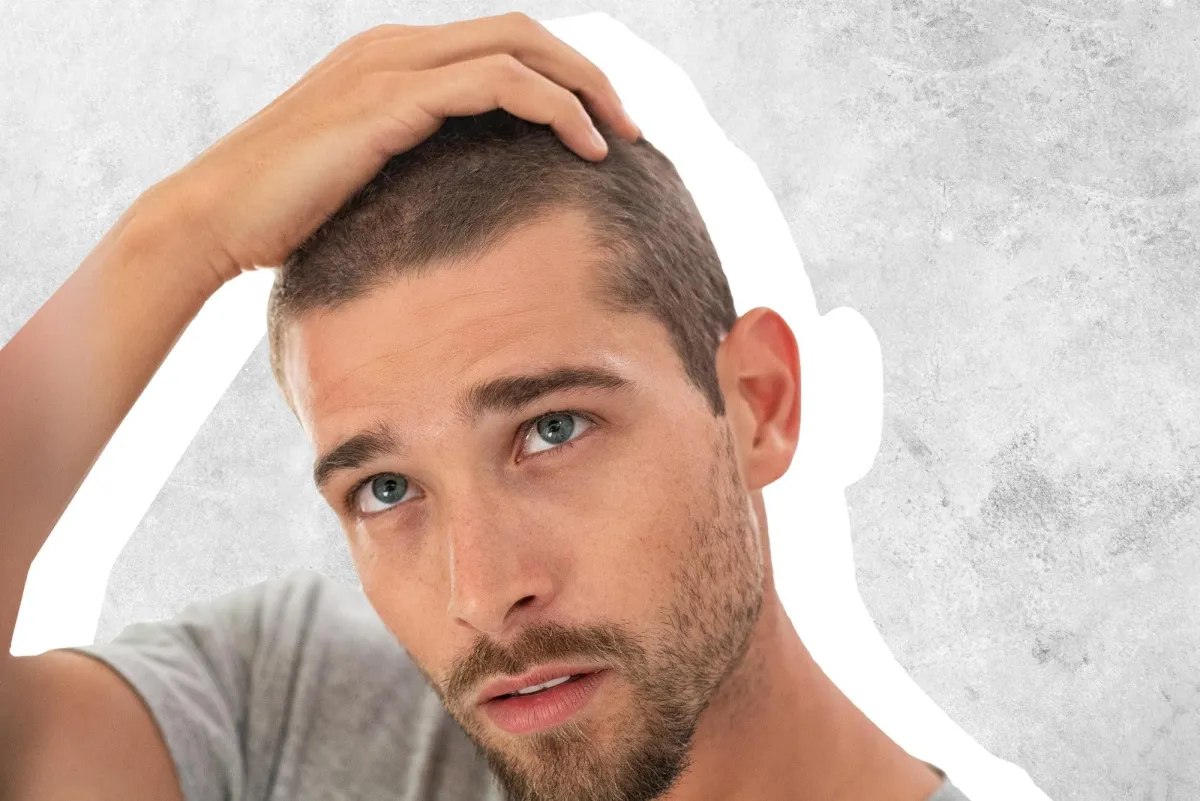
Losing your hair is never a good feeling, most men tend to feel self-conscious about it. Some men decide to completely shave off their heads or constantly wear a hat. One of the most common insecurities men face is hair thinning; for some men, it starts as early as in their 20s. The loss of confidence really starts to affect the way men do their hair and the types of hair cuts they get. Men start to worry about how they will be perceived by friends, family, and colleagues. Hair thinning should not be the cause of self distraughtness, and it should not limit men to have to continuously cover their heads. CADMEN Barbershop has compiled a list of the top 5 best haircuts for men experiencing early hair loss.
The Mohawk Fade: From Classic Mohawk to Modern Fohawk
The Mohawk Fade: From Classic Mohawk to Modern Fohawk
The mohawk has two versions that are often confused. The classic mohawk is a genuinely extreme cut with shaved sides. The modern mohawk fade, sometimes called a fohawk, achieves a similar visual effect with a softer approach that is appropriate for most environments. Here is the difference and what to ask for.
The Classic Mohawk
The traditional mohawk shaves the sides to skin from temple to neckline, leaving only a central strip of hair running front to back across the top of the head. This strip is typically worn long and styled upward. The look is deliberately dramatic and reads as a statement style in nearly any professional context.
The hard version is still done at barbershops for those who want it. It requires commitment because it is not a reversible style on a short timeline. Growing out shaved sides takes months.
The Mohawk Fade
The mohawk fade replicates the structural idea of the mohawk without shaving the sides entirely. Instead, a high skin fade or a very tight high fade takes the sides down as short as possible, creating a strong visual contrast with a wider, fuller central strip on top. From a short distance, the effect is similar to the classic mohawk. Up close, the sides have a faded gradient rather than a shaved finish.
The mohawk fade is significantly more practical than the classic mohawk. It grows out as any high fade does, which is predictably and within a few weeks. It is repairable and adjustable in a way the shaved mohawk is not.
The Fohawk
The fohawk (fake mohawk) keeps more hair on the sides than the mohawk fade. Rather than a high skin fade, the sides may have a mid fade or even a moderate taper. The top hair is styled upward and toward the center to create the mohawk silhouette. Viewed from the front or top, the silhouette suggests a mohawk. The sides retain enough hair that the cut is versatile in how it is worn day to day.
The fohawk can be worn flat for professional settings and styled up for casual contexts. It is a versatile cut that borrows from the mohawk aesthetic without committing to it.
Which to Choose
Classic mohawk: if you want the dramatic look and accept the commitment involved in growing it out when you are done.
Mohawk fade: if you want the structural look with practical maintenance and a shorter recovery time.
Fohawk: if you want the option to wear the style upward on some days and flat on others, with the most versatility from a single cut.
Frequently Asked Questions
Can a mohawk fade work in a professional setting?
The mohawk fade worn flat or with minimal product reads as a high fade with a wider top section. In most professional environments this is acceptable. The look is more assertive than a standard taper but within the range of what most workplaces consider groomed. The fohawk worn flat is even more neutral. Whether it suits a specific professional context depends on the environment's formality level.
How much length does the top need for a mohawk fade?
At minimum 1.5 to 2 inches to style upward. Longer top hair creates more pronounced height when styled up. Most mohawk fade variants aim for 2 to 4 inches on top for versatility. Too short and the top cannot hold height. Too long and the weight of the hair makes upward styling difficult without a significant amount of product.
What product is best for styling a mohawk or fohawk upward?
A strong-hold gel or a water-based pomade with high hold provides the structure needed to maintain the upward style. Clay alone may not provide sufficient hold for a full upright mohawk. For the fohawk styled moderately upward rather than straight up, a medium-hold clay or wax is sufficient.
How often does a mohawk fade need to be maintained?
Every 2 to 3 weeks because the high fade that defines the sides of the cut is visible when grown out. The mohawk structure depends on the contrast between the short sides and the longer central strip. Once the sides grow out significantly, that contrast diminishes and the style loses its definition.
Can any hair texture get a mohawk fade?
Yes. Mohawk fades and fohawks are common across all hair textures. Coily and curly hair creates a particularly striking mohawk fade because the natural volume of the top hair creates dramatic height without requiring as much styling product as straight hair needs to achieve the same effect.
Related Reading From CADMEN Barber Academy
- Mohawk Fade: How to Cut and Blend a Modern Mohawk With a Faded Base
- Bald Fade vs Skin Fade: Are They the Same Thing?
- How to Fade Natural Afro Hair: Technique Adjustments for High-Density Texture
- The Afro Fade: How It's Done and What Makes It Work
- How to Cut a Bald Fade Step by Step
- The Bald Fade: What It Is, Who It Suits, and How to Maintain It
Want to learn to cut a mohawk fade yourself? CADMEN Barber Academy teaches cutting hands-on, with an educator beside you. See the barber academy in Mississauga or view in-person classes and send an enquiry.
Learn this fade step by step in our free Fade Tutorials playlist on YouTube.

5 Best Haircuts for Men with
Early Hair Thinning
Losing your hair is never a good feeling, most men tend to feel self-conscious about it. Some men decide to completely shave off their heads or constantly wear a hat. One of the most common insecurities men face is hair thinning; for some men, it starts as early as in their 20s. The loss of confidence really starts to affect the way men do their hair and the types of hair cuts they get. Men start to worry about how they will be perceived by friends, family, and colleagues. Hair thinning should not be the cause of self distraughtness, and it should not limit men to have to continuously cover their heads. CADMEN Barbershop has compiled a list of the top 5 best haircuts for men experiencing early hair loss.


For any request, please contact us at info@cadmen.ca