
Barber Tips & Tricks
Follow us for the latest barber techniques and tips
Barber Tips & Tricks
Follow us for the latest barber techniques and tips
Top 7 Reasons Why Your Clients
Aren't Returning
Stay Ahead in the Barbering Game: Nurturing
Lifelong Clientele
You might have come across the saying “give a client a good cut at a reasonable price, and they'll be yours for life.” Unfortunately in reality this is not always the case. That’s where we come in! Check out some of the reasons why your clients may not be returning, whether they were long-term customers or a first-time appointment, below.

Top 7 Reasons Why Your Clients
Aren't Returning
Stay Ahead in the Barbering Game: Nurturing
Lifelong Clientele
You might have come across the saying “give a client a good cut at a reasonable price, and they'll be yours for life.” Unfortunately in reality this is not always the case. That’s where we come in! Check out some of the reasons why your clients may not be returning, whether they were long-term customers or a first-time appointment, below.
Career in Mobile Barbering: Key
Things You Need to Know about
While most barbers work in physical barbershops or hair salons, there are a growing number of barbers who work on-call. What does it mean to be a mobile barber? What are their primary responsibilities? Where to find them? In this blog, we will explain some key terms you should know about mobile barbering and how you can start a new career in it.

Career in Mobile Barbering: Key
Things You Need to Know about
While most barbers work in physical barbershops or hair salons, there are a growing number of barbers who work on-call. What does it mean to be a mobile barber? What are their primary responsibilities? Where to find them? In this blog, we will explain some key terms you should know about mobile barbering and how you can start a new career in it.
Top 4 Ways for Barbers to
Promote Themselves
Marketing is key. Knowing how to market yourself as a barber can be the difference between having 5 to 20 clients a day. If you are interested in boosting the number of your customers and furthering your advertising skills, read the list below with four ways to promote yourself as a barber.

Top 4 Ways for Barbers to
Promote Themselves
Marketing is key. Knowing how to market yourself as a barber can be the difference between having 5 to 20 clients a day. If you are interested in boosting the number of your customers and furthering your advertising skills, read the list below with four ways to promote yourself as a barber.
5 Tips for Social Media Content
Creating as a Barber
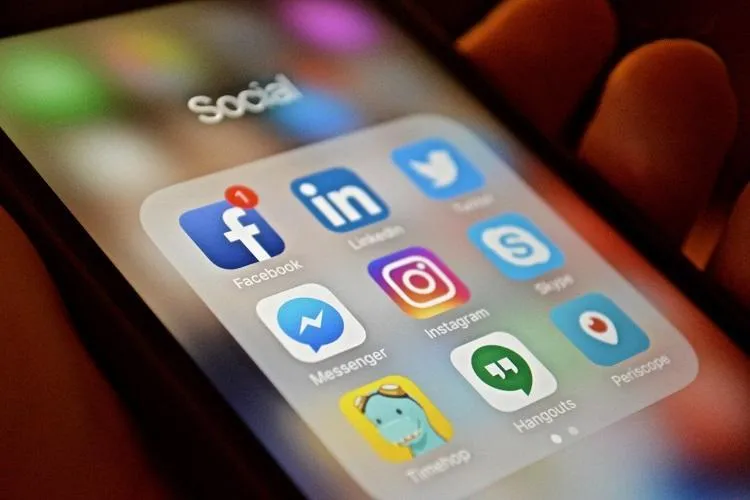
It is next to impossible to find someone who is not on social media today. More than just a tool for connection, social media is key helping barbers market themselves and promote their names and skills. If you want to up your barber game quickly, here are five tips on how to promote content online that you don't want to miss out on.
5 Tips for Social Media Content
Creating as a Barber
It is next to impossible to find someone who is not on social media today. More than just a tool for connection, social media is key helping barbers market themselves and promote their names and skills. If you want to up your barber game quickly, here are five tips on how to promote content online that you don't want to miss out on.
5 Best Haircuts for Men with
Early Hair Thinning
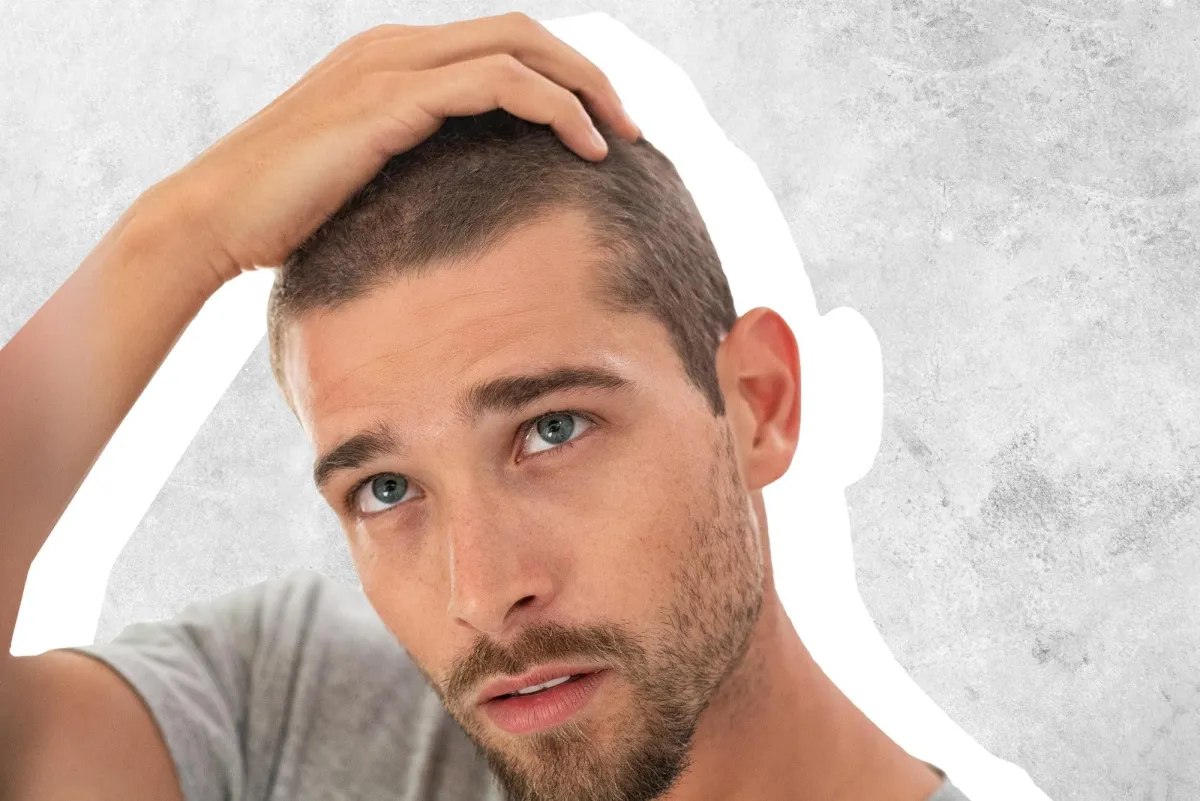
Losing your hair is never a good feeling, most men tend to feel self-conscious about it. Some men decide to completely shave off their heads or constantly wear a hat. One of the most common insecurities men face is hair thinning; for some men, it starts as early as in their 20s. The loss of confidence really starts to affect the way men do their hair and the types of hair cuts they get. Men start to worry about how they will be perceived by friends, family, and colleagues. Hair thinning should not be the cause of self distraughtness, and it should not limit men to have to continuously cover their heads. CADMEN Barbershop has compiled a list of the top 5 best haircuts for men experiencing early hair loss.
Hair Thickness vs. Hair Density in Men's Hair: What's the Difference
Hair Thickness vs. Hair Density in Men's Hair: What's the Difference
Hair thickness and hair density are two different properties that are often confused. They affect haircut choices differently and require different product and styling approaches. Here is how to distinguish them.
Hair Thickness: Individual Strand Width
Hair thickness refers to the diameter of an individual hair strand. Fine hair has a narrow strand diameter; coarse hair has a wide strand diameter. You can roughly assess your strand thickness by holding a single hair strand between your fingers: fine hair is barely perceptible; medium hair has some tactile presence; coarse hair feels distinctly substantial between the fingers. Most people have medium strand thickness. Fine hair is common in Northern European and East Asian heritage populations. Coarse hair is common in African and some Mediterranean heritage populations. Strand thickness affects how products interact with the hair and how the hair holds styles; fine strands are lighter and more limp under product weight, while coarse strands are stiffer and hold curl or texture patterns more strongly.
Hair Density: Number of Follicles Per Area
Hair density refers to how many hair follicles are present per square centimeter of scalp. High-density hair means many follicles close together, producing a full, thick-looking head of hair. Low-density hair means fewer follicles per area, which can produce thin-looking hair regardless of the individual strand thickness. An average human scalp has approximately 100,000 follicles, but this varies from roughly 80,000 to 120,000 across individuals. To roughly assess your density, pull back a section of hair and look at the scalp underneath: if you can clearly see large patches of scalp through a section of hair, you have lower density. If the scalp is barely visible, you have higher density.
Why the Distinction Matters for Haircuts
A man with fine, high-density hair looks like he has a full head of hair because the large number of strands compensates for the thinness of each individual strand. The issue is that fine strands go limp easily and do not hold volume well. A man with coarse, low-density hair may have hair that looks thin because there are not enough strands to cover the scalp fully, despite each individual strand being thick. The haircut solutions for each situation are different. Fine/high-density hair benefits from texturizing techniques that reduce bulk and create movement. Coarse/low-density hair benefits from longer lengths that provide coverage and avoiding short styles that expose the scalp gaps between strands.
Frequently Asked Questions
Can I have both thick and thin hair?
Yes, in the sense that you can have coarse individual strands (thick) and low density (thin coverage). Or you can have fine individual strands (thin) and high density (full coverage). These two properties are independent of each other. When people say they have "thick hair" they typically mean either high density (full-looking) or coarse strands (stiff, hard to manage). When they say they have "thin hair" they typically mean either fine strands (limp, won't hold styles) or low density (scalp shows through). Clarifying which you mean when talking to a barber is useful because the solution for each is different.
What haircuts work best for fine hair?
Fine hair benefits from shorter lengths and textured cuts. At shorter lengths, the hair does not have the weight to pull itself down and go flat; the shorter the cut, the more the fine strands stand up naturally and create the appearance of volume. Textured crops, buzz cuts, and short fades all work well with fine hair because they keep the length short enough that limpness is not a factor. At medium to long lengths, fine hair tends to go flat, lose its style quickly, and show the scalp at the part line. Lighter hold products (sea salt spray, light clay) work better than heavy products, which weigh fine strands down further.
What haircuts work best for low-density hair?
Low-density hair benefits from longer lengths that provide more coverage of the scalp. Longer cuts give each strand more length to overlap with adjacent strands, creating coverage even when follicle count is lower. Layered cuts on medium to longer hair distribute the strands more evenly. Very short cuts (buzz cuts, close fades) on low-density hair can expose scalp gaps clearly. Avoid center parts at low density, as the parted line exposes the scalp. Side parts or no-part styling (combed back, pushed forward) create fuller-looking coverage by distributing the available hair mass more broadly.
Does low density change over time?
Density can decrease over time due to androgenic alopecia (male pattern baldness), which shrinks follicles progressively. Density can also appear to decrease due to diffuse thinning from nutritional deficiencies, stress, or medication side effects, some of which are reversible. Density cannot be increased by products or scalp massages beyond marginal improvements from better scalp health. The natural follicle count is genetically determined. If you are experiencing noticeable thinning, a dermatologist or trichologist (hair and scalp specialist) can assess whether it is androgenic or another type, and the latter group often has treatable causes.
Related Reading From CADMEN Barber Academy
- Hair Density vs Hair Thickness: The Difference and Why It Changes Your Cut
- Hair Density vs. Hair Thickness: What Men Need to Know
- Cutting Coily Hair: The Techniques That Work and the Mistakes That Damage the Pattern
- Cutting Curly Hair: What Barbers Do Differently
- How to Cut Curly Hair: Barber Techniques and Approach
- Curly Hair at the Barbershop: What Barbers Do Differently

5 Best Haircuts for Men with
Early Hair Thinning
Losing your hair is never a good feeling, most men tend to feel self-conscious about it. Some men decide to completely shave off their heads or constantly wear a hat. One of the most common insecurities men face is hair thinning; for some men, it starts as early as in their 20s. The loss of confidence really starts to affect the way men do their hair and the types of hair cuts they get. Men start to worry about how they will be perceived by friends, family, and colleagues. Hair thinning should not be the cause of self distraughtness, and it should not limit men to have to continuously cover their heads. CADMEN Barbershop has compiled a list of the top 5 best haircuts for men experiencing early hair loss.


For any request, please contact us at info@cadmen.ca