
Barber Tips & Tricks
Follow us for the latest barber techniques and tips
Barber Tips & Tricks
Follow us for the latest barber techniques and tips
Top 7 Reasons Why Your Clients
Aren't Returning
Stay Ahead in the Barbering Game: Nurturing
Lifelong Clientele
You might have come across the saying “give a client a good cut at a reasonable price, and they'll be yours for life.” Unfortunately in reality this is not always the case. That’s where we come in! Check out some of the reasons why your clients may not be returning, whether they were long-term customers or a first-time appointment, below.

Top 7 Reasons Why Your Clients
Aren't Returning
Stay Ahead in the Barbering Game: Nurturing
Lifelong Clientele
You might have come across the saying “give a client a good cut at a reasonable price, and they'll be yours for life.” Unfortunately in reality this is not always the case. That’s where we come in! Check out some of the reasons why your clients may not be returning, whether they were long-term customers or a first-time appointment, below.
Career in Mobile Barbering: Key
Things You Need to Know about
While most barbers work in physical barbershops or hair salons, there are a growing number of barbers who work on-call. What does it mean to be a mobile barber? What are their primary responsibilities? Where to find them? In this blog, we will explain some key terms you should know about mobile barbering and how you can start a new career in it.

Career in Mobile Barbering: Key
Things You Need to Know about
While most barbers work in physical barbershops or hair salons, there are a growing number of barbers who work on-call. What does it mean to be a mobile barber? What are their primary responsibilities? Where to find them? In this blog, we will explain some key terms you should know about mobile barbering and how you can start a new career in it.
Top 4 Ways for Barbers to
Promote Themselves
Marketing is key. Knowing how to market yourself as a barber can be the difference between having 5 to 20 clients a day. If you are interested in boosting the number of your customers and furthering your advertising skills, read the list below with four ways to promote yourself as a barber.

Top 4 Ways for Barbers to
Promote Themselves
Marketing is key. Knowing how to market yourself as a barber can be the difference between having 5 to 20 clients a day. If you are interested in boosting the number of your customers and furthering your advertising skills, read the list below with four ways to promote yourself as a barber.
5 Tips for Social Media Content
Creating as a Barber
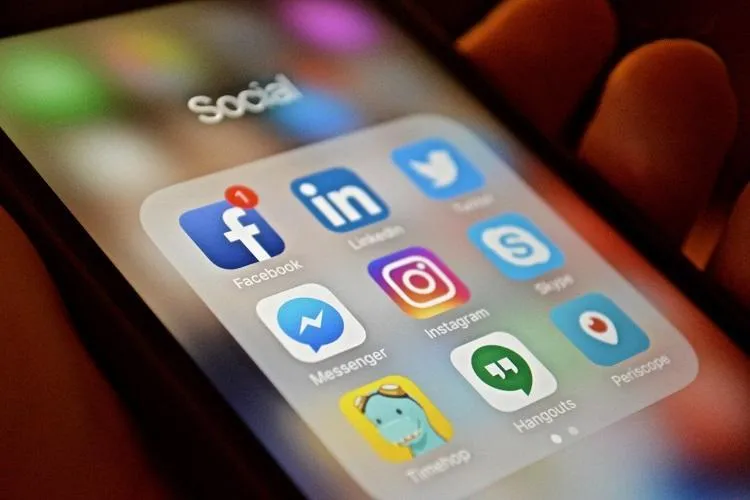
It is next to impossible to find someone who is not on social media today. More than just a tool for connection, social media is key helping barbers market themselves and promote their names and skills. If you want to up your barber game quickly, here are five tips on how to promote content online that you don't want to miss out on.
5 Tips for Social Media Content
Creating as a Barber
It is next to impossible to find someone who is not on social media today. More than just a tool for connection, social media is key helping barbers market themselves and promote their names and skills. If you want to up your barber game quickly, here are five tips on how to promote content online that you don't want to miss out on.
5 Best Haircuts for Men with
Early Hair Thinning
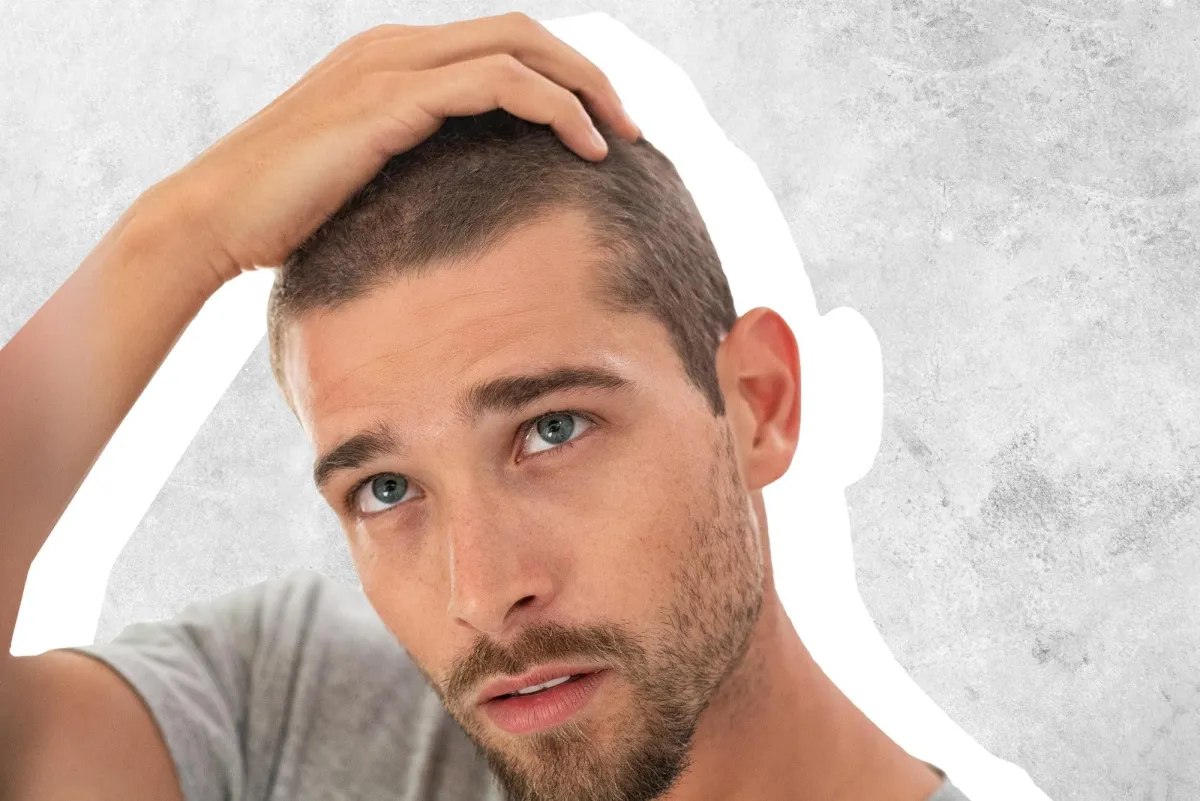
Losing your hair is never a good feeling, most men tend to feel self-conscious about it. Some men decide to completely shave off their heads or constantly wear a hat. One of the most common insecurities men face is hair thinning; for some men, it starts as early as in their 20s. The loss of confidence really starts to affect the way men do their hair and the types of hair cuts they get. Men start to worry about how they will be perceived by friends, family, and colleagues. Hair thinning should not be the cause of self distraughtness, and it should not limit men to have to continuously cover their heads. CADMEN Barbershop has compiled a list of the top 5 best haircuts for men experiencing early hair loss.
Walk-In vs. Appointment Model for Barbershops
Walk-In vs. Appointment Model for Barbershops
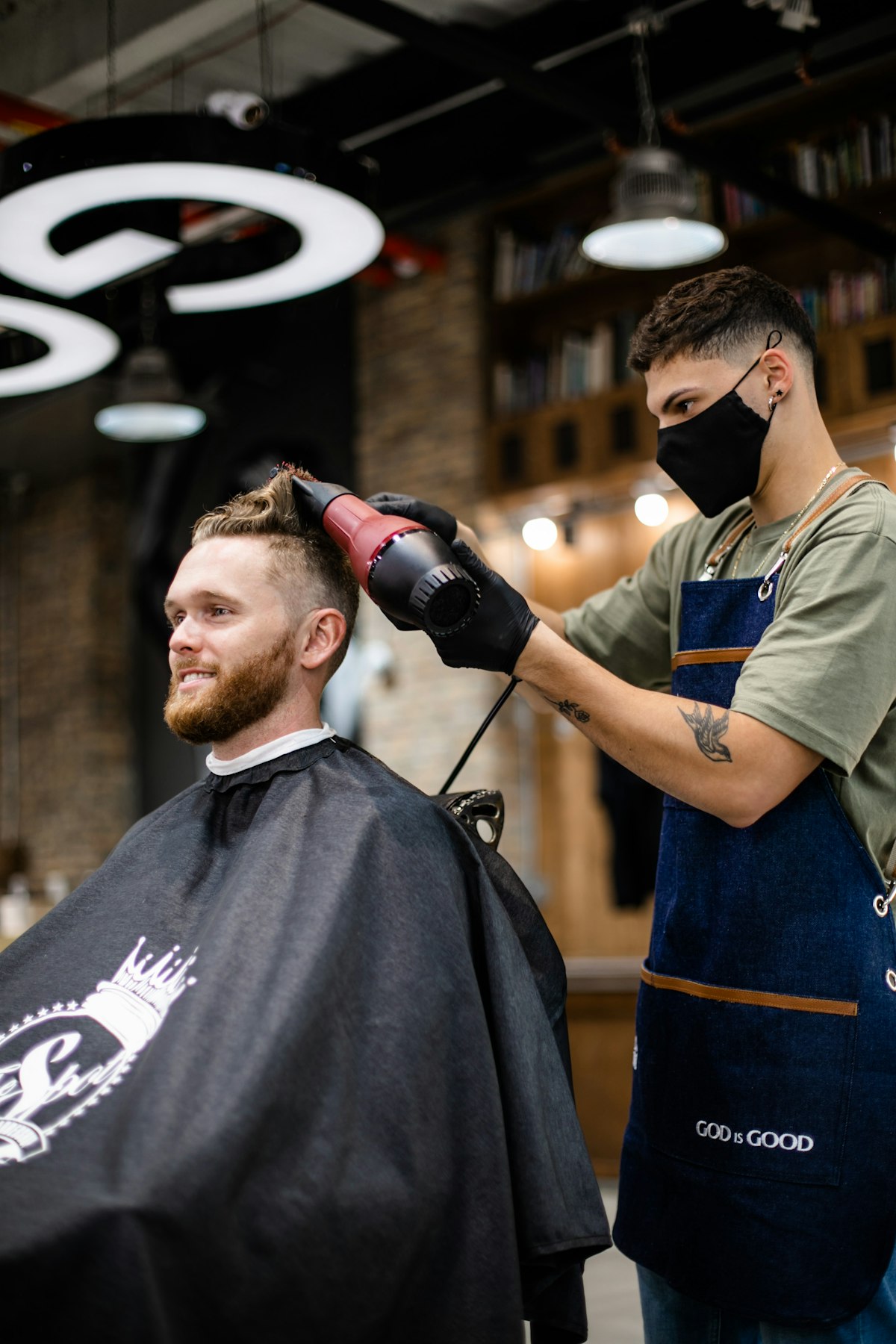
Most barbershops in Canada and the US run one of two scheduling models: walk-in only (clients arrive and wait) or appointment-based (clients book specific time slots). Hybrid models (appointments available but walk-ins accepted in open slots) exist as well. Each has real trade-offs in revenue predictability, client experience, and how barbers spend their time.
The Walk-In Model
Walk-in barbershops operate on first-come, first-served basis. Clients arrive, put their name on the list, and wait. No scheduling system needed, no no-shows, no cancellations.
Advantages
Lower barrier to entry: Clients do not need to plan ahead. Impulse visits and same-day decisions bring traffic. Busy walk-in shops can benefit significantly from foot traffic and visibility (near transit, busy street, high-density area).
Simple operations: No booking system, no reminders, no cancellation policies to enforce. The operation is purely: client arrives, barber cuts, client pays.
Tolerance for no-plans clients: A large portion of the market (particularly men who do not plan haircuts in advance) strongly prefers walk-in. Removing the friction of booking captures this client behavior naturally.
Disadvantages
Revenue unpredictability: Slow Monday afternoons and overloaded Saturday mornings with no way to smooth the curve. Barbers either sit idle or run behind with no buffer.
Wait time management: Long wait times drive clients away. In a busy walk-in shop without a clear wait time system, some clients look in, see a full waiting area, and leave without even asking how long. You lose those clients silently.
Barber experience: Barbers who are fully booked for 8 hours straight or sitting completely idle because of slow periods have worse experiences than barbers with predictable, steady appointment flow. This affects retention of good talent.
The Appointment Model
Appointment-based shops have clients book specific time slots in advance. Barbers know their schedule before arriving. Revenue is predictable within the booking window.
Advantages
Revenue visibility: You can see tomorrow's revenue today. Partially-filled books still give you an accurate floor. This makes payroll, staffing, and supply planning more precise.
Client experience: No waiting. The client arrives at their time, gets in the chair within minutes, and leaves. For working professionals and clients with tight schedules, this is a significant value difference.
Higher average ticket: Appointment clients typically convert better on add-ons. They are not watching a full waiting room wondering when they will get in, they have time, they booked it, and they are relaxed. The consultation and add-on offer happen in a lower-pressure environment.
Barber quality of life: Predictable schedules. Barbers can plan breaks, manage their energy through the day, and do not have the anxiety of not knowing whether the next hour will be empty or slammed.
Disadvantages
No-shows and cancellations: Appointment models are vulnerable to no-shows. A booked slot with no client is dead time. Deposit policies and cancellation fees help, but they also create friction in the booking process.
Barrier to entry: Some clients (particularly walk-in-habituated clients or older demographics) will not book online. Requiring appointments loses this segment.
Booking friction: A client who needs a haircut today and sees the next available slot is 5 days out will go somewhere else. Appointment shops need consistent demand and full or near-full books to make this work, it is harder in the early stages when the client base is still growing.
The Hybrid Model
Many shops run hybrid: appointment priority with walk-in slots filled from whatever open time exists. This preserves the predictability benefit for the core client base while remaining accessible to walk-in traffic.
Hybrid works when there is enough appointment demand to keep the books mostly full, with a small buffer for walk-ins. When appointment demand is low, hybrid becomes effectively a walk-in shop with a booking system that no one uses, which is the worst of both worlds (the operational complexity of appointments without the benefit of predictable fill).
Which Model Is Right
New shops with low brand awareness typically run walk-in because appointment demand does not exist yet. As the client base builds and the shop gets consistently busy, moving toward appointments makes operational sense. The transition from walk-in to appointment is a sign of demand maturity, it means the shop has more clients who want to come than it can accommodate without structure.
CADMEN Business Coaching
Scheduling model decisions, operations structure, and the full barbershop business framework are covered in CADMEN's owner coaching program. Inquiry at academy.cadmen.ca.
Frequently Asked Questions
Is it better for a barbershop to take walk-ins or appointments?
Neither is universally better. Walk-in works well for high-visibility, high-traffic locations with consistent footfall. Appointments work well for established shops with loyal, planning-oriented client bases and barbers who value schedule predictability. The answer depends on the shop's market, location, client demographics, and stage of growth. Most successful shops move from walk-in to appointment or hybrid as they grow.
How do you handle no-shows in an appointment-based barbershop?
Set out how appointments, late arrivals and cancellations will be handled before clients book. Ask clients to confirm their contact details and provide a clear way to reschedule. Before collecting a deposit or storing payment details, confirm the applicable payment, privacy and consumer requirements with qualified advisers and your payment provider. Compare no-shows and client feedback after any policy change; do not assume a particular reminder schedule will produce a fixed reduction.
How do you transition a walk-in shop to appointments?
Introduce booking as an option first, promote it to existing clients as a convenience feature ("skip the wait, book your spot"). Let the demand for appointments build naturally. Once a significant portion of traffic is booking, begin limiting walk-in availability to specific hours or slots. A hard cutover (appointments only, no more walk-ins) can alienate clients who relied on walk-in access. A gradual transition that lets the client base adapt retains more clients through the change.
What booking system should a barbershop use?
The booking system choice depends on what the shop already uses for CRM and communication. GoHighLevel handles bookings well for shops already on that platform. Booksy and Square Appointments are widely used barbershop-specific options. The key requirements: online booking (clients can book without calling), automated reminders, calendar view for barbers, and integration with the payment system. The specific tool matters less than having one that is consistently used and integrated with the shop's operations.
What is a good wait time for a walk-in barbershop?
30 minutes or less is the threshold where most walk-in clients will wait without complaint. 45 minutes is tolerable for clients who have specifically sought out a particular barber. Over 60 minutes, significant drop-off occurs, particularly for clients who do not have a strong relationship with the shop or barber. Managing wait time visibility (posting current wait time on a digital board, through an app, or by having the front desk be transparent about the current queue) reduces walk-off rates by setting expectations before the client decides to stay or leave.
Related Reading From CADMEN Barber Academy
- Walk-In vs. Appointment: How to Structure Your Barbershop Policy
- Barbershop Walk-In vs Appointment: Which Model Fits Which Business
- Barber Consultation Questions: What to Ask Before Every Cut
- What to Ask a New Client Before You Cut Their Hair
- Barber Tipping Etiquette in Canada: How Much to Tip and When
- Barber Near Osgoode Station: Finding CADMEN Barbershop
- Barbering Topics Index: Every Guide by Subject

5 Best Haircuts for Men with
Early Hair Thinning
Losing your hair is never a good feeling, most men tend to feel self-conscious about it. Some men decide to completely shave off their heads or constantly wear a hat. One of the most common insecurities men face is hair thinning; for some men, it starts as early as in their 20s. The loss of confidence really starts to affect the way men do their hair and the types of hair cuts they get. Men start to worry about how they will be perceived by friends, family, and colleagues. Hair thinning should not be the cause of self distraughtness, and it should not limit men to have to continuously cover their heads. CADMEN Barbershop has compiled a list of the top 5 best haircuts for men experiencing early hair loss.


For any request, please contact us at info@cadmen.ca