
Barber Tips & Tricks
Follow us for the latest barber techniques and tips
Barber Tips & Tricks
Follow us for the latest barber techniques and tips
Top 7 Reasons Why Your Clients
Aren't Returning
Stay Ahead in the Barbering Game: Nurturing
Lifelong Clientele
You might have come across the saying “give a client a good cut at a reasonable price, and they'll be yours for life.” Unfortunately in reality this is not always the case. That’s where we come in! Check out some of the reasons why your clients may not be returning, whether they were long-term customers or a first-time appointment, below.

Top 7 Reasons Why Your Clients
Aren't Returning
Stay Ahead in the Barbering Game: Nurturing
Lifelong Clientele
You might have come across the saying “give a client a good cut at a reasonable price, and they'll be yours for life.” Unfortunately in reality this is not always the case. That’s where we come in! Check out some of the reasons why your clients may not be returning, whether they were long-term customers or a first-time appointment, below.
Career in Mobile Barbering: Key
Things You Need to Know about
While most barbers work in physical barbershops or hair salons, there are a growing number of barbers who work on-call. What does it mean to be a mobile barber? What are their primary responsibilities? Where to find them? In this blog, we will explain some key terms you should know about mobile barbering and how you can start a new career in it.

Career in Mobile Barbering: Key
Things You Need to Know about
While most barbers work in physical barbershops or hair salons, there are a growing number of barbers who work on-call. What does it mean to be a mobile barber? What are their primary responsibilities? Where to find them? In this blog, we will explain some key terms you should know about mobile barbering and how you can start a new career in it.
Top 4 Ways for Barbers to
Promote Themselves
Marketing is key. Knowing how to market yourself as a barber can be the difference between having 5 to 20 clients a day. If you are interested in boosting the number of your customers and furthering your advertising skills, read the list below with four ways to promote yourself as a barber.

Top 4 Ways for Barbers to
Promote Themselves
Marketing is key. Knowing how to market yourself as a barber can be the difference between having 5 to 20 clients a day. If you are interested in boosting the number of your customers and furthering your advertising skills, read the list below with four ways to promote yourself as a barber.
5 Tips for Social Media Content
Creating as a Barber
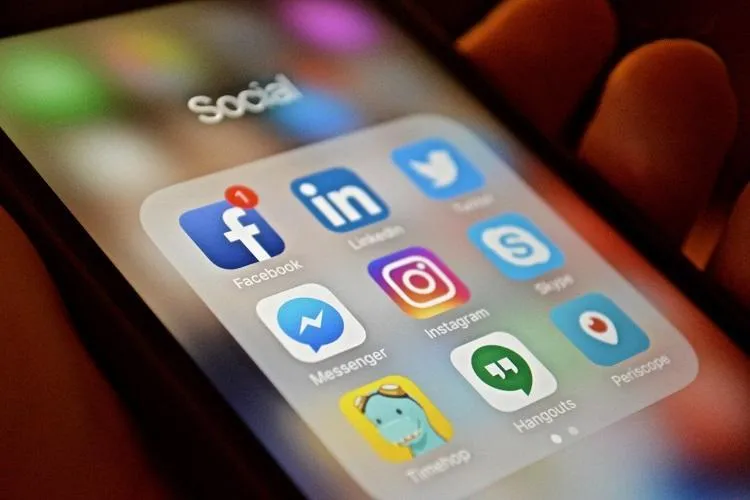
It is next to impossible to find someone who is not on social media today. More than just a tool for connection, social media is key helping barbers market themselves and promote their names and skills. If you want to up your barber game quickly, here are five tips on how to promote content online that you don't want to miss out on.
5 Tips for Social Media Content
Creating as a Barber
It is next to impossible to find someone who is not on social media today. More than just a tool for connection, social media is key helping barbers market themselves and promote their names and skills. If you want to up your barber game quickly, here are five tips on how to promote content online that you don't want to miss out on.
5 Best Haircuts for Men with
Early Hair Thinning
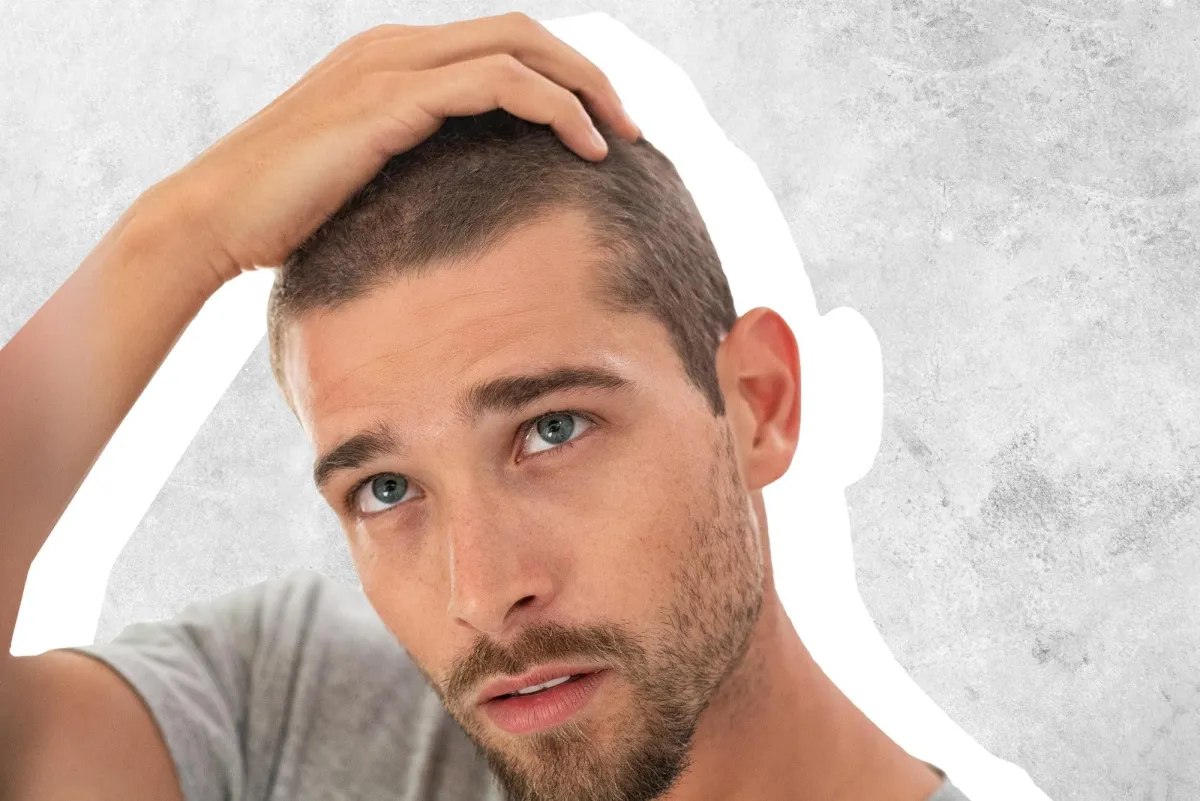
Losing your hair is never a good feeling, most men tend to feel self-conscious about it. Some men decide to completely shave off their heads or constantly wear a hat. One of the most common insecurities men face is hair thinning; for some men, it starts as early as in their 20s. The loss of confidence really starts to affect the way men do their hair and the types of hair cuts they get. Men start to worry about how they will be perceived by friends, family, and colleagues. Hair thinning should not be the cause of self distraughtness, and it should not limit men to have to continuously cover their heads. CADMEN Barbershop has compiled a list of the top 5 best haircuts for men experiencing early hair loss.

Aftershave: What It Does and How to Use It
Aftershave: What It Does and How to Use It
Aftershave is a product applied to the skin immediately after shaving. The primary functions are reducing bacteria on the freshly shaved skin (preventing infection in the small nicks and abrasions common to shaving), soothing irritation from the razor, and temporarily closing pores. The secondary function, fragrance, is what most people associate with aftershave, but it is not the primary purpose.
The Main Types
Aftershave splash or toner: typically alcohol-based, sometimes with witch hazel as the active ingredient. The alcohol acts as an antiseptic and provides a cooling sensation. The downside is that alcohol can dry out the skin, particularly for men with dry or sensitive skin. These are the classic aftershaves, the ones that sting and produce the movie scene reaction. Aftershave balm: a moisturizing, cream or gel-based product with less or no alcohol. Balms are less drying than splashes and are better suited to men with dry, sensitive, or irritation-prone skin. They provide soothing and hydration without the antiseptic stinging of an alcohol-based splash. Aftershave with healing ingredients: some products specifically include aloe vera, witch hazel, chamomile, or other anti-inflammatory ingredients that actively reduce redness and soothe post-shave irritation. These are the most skin-friendly options and are often marketed to men with sensitive skin or frequent razor irritation.
At the Barbershop
After a straight razor shave or a hot towel shave at a barbershop, the barber typically applies an aftershave product as part of the service. The cold towel applied before the aftershave constricts the pores and reduces irritation; the aftershave then provides the antiseptic and soothing function.
CADMEN Training
Post-shave protocols and skin care are part of CADMEN's professional barbering curriculum. academy.cadmen.ca/in-person-training.
Frequently Asked Questions
Should I use aftershave after every shave?
Using aftershave after every shave is a reasonable practice and is beneficial for most men, though the type of aftershave matters. The case for using it every time: every time you shave, the razor removes a small amount of the top layer of skin along with the hair. This creates minor abrasions and temporarily opens the skin's surface. Bacteria present on the skin can enter these microscopic openings and cause irritation or folliculitis (infected follicles). An aftershave with antiseptic properties (alcohol or witch hazel) addresses this by reducing bacteria on the freshly shaved surface. This is particularly relevant in the beard area and along the jawline where folliculitis is more common, and in the nape area after a barbershop cleanup. The question is which type: for men with normal to oily skin who shave in the shower or immediately after: an alcohol-based splash or witch hazel toner is appropriate. The slight drying effect of the alcohol is balanced by the natural oil production of oily or combination skin. For men with dry or sensitive skin: an aftershave balm is a better choice. The alcohol in a splash can over-dry already-dry skin and cause tightness and flaking. A balm provides the soothing and some protection without the drying effect. For men who experience regular razor bumps: products with salicylic acid in the aftershave step can help prevent ingrown hairs by gently exfoliating the skin surface after the shave. This is a more targeted aftershave approach for a specific skin concern. Who can skip it: men who do not shave frequently (beard wearers who only shave the perimeter) or men who use an electric razor (which is much less abrasive on the skin than a blade) may find aftershave less necessary. The benefit is most relevant immediately after a close blade shave.
What is the difference between aftershave and cologne?
Aftershave and cologne are both fragranced products, but they are not interchangeable and serve different primary purposes. The key difference: aftershave is a skin treatment with fragrance as a secondary feature. Cologne is a fragrance product designed to be worn on the body for scent duration and projection. Aftershave fragrance concentration: traditional aftershave products have a lower fragrance oil concentration (typically 1 to 3 percent) compared to cologne (typically 3 to 8 percent) or eau de toilette (5 to 15 percent). This means aftershave fragrance dissipates within 1 to 2 hours, while cologne lasts 3 to 5 hours and eau de toilette 4 to 7 hours. What aftershave contains that cologne does not: antiseptic agents (alcohol, witch hazel) that provide skin protection after shaving. Soothing ingredients (aloe, glycerin, chamomile) in balm formulations. These ingredients are irrelevant to a fragrance-only product and are absent from colognes. Using them together: many men use both, aftershave applied immediately after shaving for the skin protection benefits, followed by cologne applied to the neck and wrists for fragrance throughout the day. The aftershave fragrance is usually faint and short-lasting; the cologne provides the day-long scent. They are not competing products used for the same purpose. When choosing: if you are primarily looking for a product that protects and soothes post-shave skin, choose an aftershave product (splash or balm) based on its ingredients and suitability for your skin type. If you are primarily looking for a fragrance to wear through the day, choose a cologne or eau de toilette based on the scent and lasting power you want. The two decisions are separate.
Why does aftershave sting and is the sting necessary?
Aftershave stings because most traditional aftershave formulations contain alcohol as their active antiseptic ingredient. Alcohol causes a stinging sensation when applied to skin that has been abraded, nicked, or where pores are open. The sting is the most common complaint about aftershave and is not a necessary feature of an effective product. Why the sting is not required for effectiveness: the antiseptic function of aftershave can be achieved with ingredients that do not cause the same sting sensation. Witch hazel is a widely used alternative that provides antibacterial properties and mild skin-tightening without the burning sensation of ethanol. It is used as the primary active ingredient in many alcohol-free aftershave products. Aloe vera and tea tree oil provide anti-inflammatory and mild antiseptic effects without stinging. Balm formulations with no alcohol or very low alcohol content protect and soothe the skin without causing the burning sensation. The sting is a property of the alcohol concentration, not of the aftershave category. The perception that sting means it is working: there is a widespread cultural association between the sting of aftershave and its effectiveness. This is not supported by skin care science. The antiseptic effect is from the alcohol's ability to disrupt bacterial cell membranes, this process does not require pain to be effective. A non-stinging aftershave with witch hazel as the active ingredient is doing the same antiseptic job with less skin irritation. Who stinging aftershave is appropriate for: men with normal or oily skin who prefer the traditional aftershave experience and do not find the alcohol drying or irritating. The cooling, bracing sensation of an alcohol aftershave is genuinely enjoyed by many men as part of a shaving ritual. Men with dry, sensitive, or frequently irritated skin, or men who experience significant post-shave redness, are better served by a witch hazel toner, a balm formulation, or an alcohol-free soothing product.
Related Reading From CADMEN Barber Academy
- Aftershave and Skincare for Men: What Barbers Recommend
- Men's Hair Thinning: What Is Actually Happening and What the Barbershop Can Do
- Men's Hair Thinning: What to Tell Your Barber and What Actually Helps
- Hair Loss at the Barbershop: What Your Barber Can and Cannot Do
- A Practical Morning Grooming Routine for Men: What to Do and in What Order
- Skincare at the Barbershop: What Men Should Know
- Barbering Topics Index: Every Guide by Subject

5 Best Haircuts for Men with
Early Hair Thinning
Losing your hair is never a good feeling, most men tend to feel self-conscious about it. Some men decide to completely shave off their heads or constantly wear a hat. One of the most common insecurities men face is hair thinning; for some men, it starts as early as in their 20s. The loss of confidence really starts to affect the way men do their hair and the types of hair cuts they get. Men start to worry about how they will be perceived by friends, family, and colleagues. Hair thinning should not be the cause of self distraughtness, and it should not limit men to have to continuously cover their heads. CADMEN Barbershop has compiled a list of the top 5 best haircuts for men experiencing early hair loss.


For any request, please contact us at info@cadmen.ca