
Barber Tips & Tricks
Follow us for the latest barber techniques and tips
Barber Tips & Tricks
Follow us for the latest barber techniques and tips
Top 7 Reasons Why Your Clients
Aren't Returning
Stay Ahead in the Barbering Game: Nurturing
Lifelong Clientele
You might have come across the saying “give a client a good cut at a reasonable price, and they'll be yours for life.” Unfortunately in reality this is not always the case. That’s where we come in! Check out some of the reasons why your clients may not be returning, whether they were long-term customers or a first-time appointment, below.

Top 7 Reasons Why Your Clients
Aren't Returning
Stay Ahead in the Barbering Game: Nurturing
Lifelong Clientele
You might have come across the saying “give a client a good cut at a reasonable price, and they'll be yours for life.” Unfortunately in reality this is not always the case. That’s where we come in! Check out some of the reasons why your clients may not be returning, whether they were long-term customers or a first-time appointment, below.
Career in Mobile Barbering: Key
Things You Need to Know about
While most barbers work in physical barbershops or hair salons, there are a growing number of barbers who work on-call. What does it mean to be a mobile barber? What are their primary responsibilities? Where to find them? In this blog, we will explain some key terms you should know about mobile barbering and how you can start a new career in it.

Career in Mobile Barbering: Key
Things You Need to Know about
While most barbers work in physical barbershops or hair salons, there are a growing number of barbers who work on-call. What does it mean to be a mobile barber? What are their primary responsibilities? Where to find them? In this blog, we will explain some key terms you should know about mobile barbering and how you can start a new career in it.
Top 4 Ways for Barbers to
Promote Themselves
Marketing is key. Knowing how to market yourself as a barber can be the difference between having 5 to 20 clients a day. If you are interested in boosting the number of your customers and furthering your advertising skills, read the list below with four ways to promote yourself as a barber.

Top 4 Ways for Barbers to
Promote Themselves
Marketing is key. Knowing how to market yourself as a barber can be the difference between having 5 to 20 clients a day. If you are interested in boosting the number of your customers and furthering your advertising skills, read the list below with four ways to promote yourself as a barber.
5 Tips for Social Media Content
Creating as a Barber
It is next to impossible to find someone who is not on social media today. More than just a tool for connection, social media is key helping barbers market themselves and promote their names and skills. If you want to up your barber game quickly, here are five tips on how to promote content online that you don't want to miss out on.

5 Tips for Social Media Content
Creating as a Barber
It is next to impossible to find someone who is not on social media today. More than just a tool for connection, social media is key helping barbers market themselves and promote their names and skills. If you want to up your barber game quickly, here are five tips on how to promote content online that you don't want to miss out on.
5 Best Haircuts for Men with
Early Hair Thinning
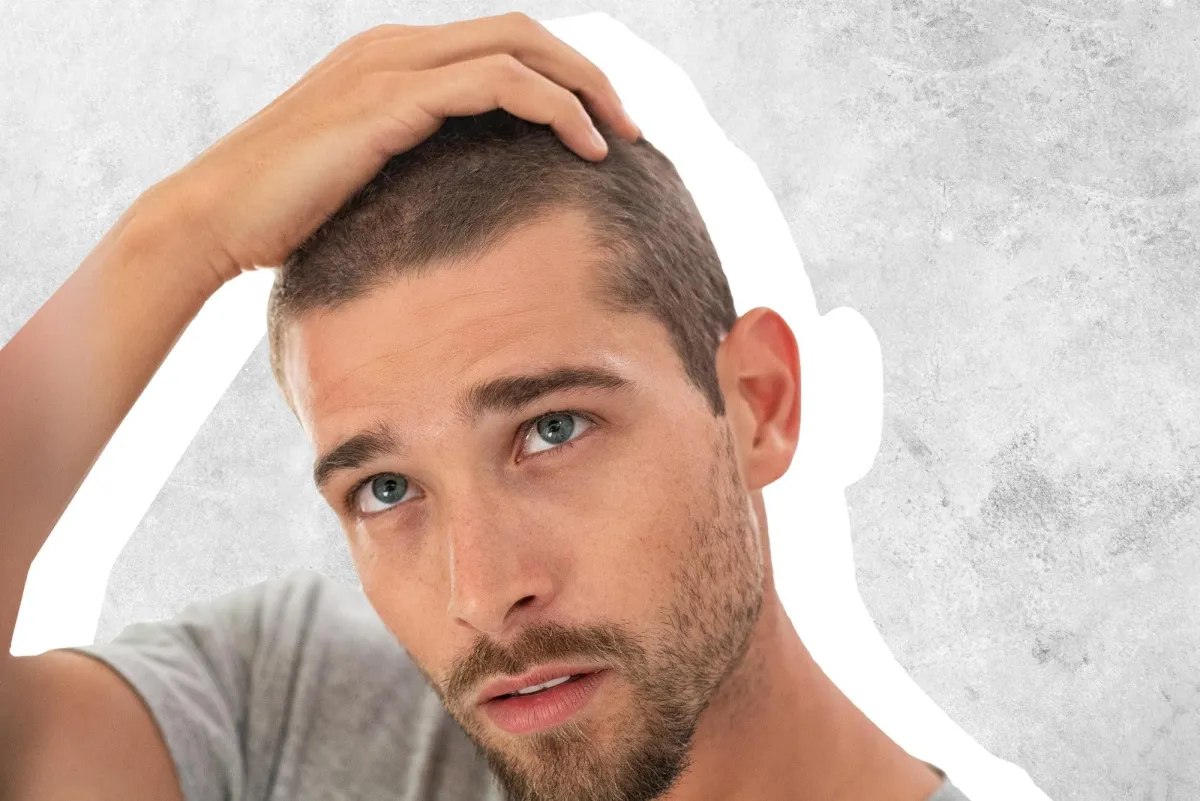
Losing your hair is never a good feeling, most men tend to feel self-conscious about it. Some men decide to completely shave off their heads or constantly wear a hat. One of the most common insecurities men face is hair thinning; for some men, it starts as early as in their 20s. The loss of confidence really starts to affect the way men do their hair and the types of hair cuts they get. Men start to worry about how they will be perceived by friends, family, and colleagues. Hair thinning should not be the cause of self distraughtness, and it should not limit men to have to continuously cover their heads. CADMEN Barbershop has compiled a list of the top 5 best haircuts for men experiencing early hair loss.

Barber Work-Life Balance: How Working Barbers Manage Long Hours and Physical Demands
Barber Work-Life Balance: How Working Barbers Manage Long Hours and Physical Demands
Barbering is a physically demanding trade. A barber who works a full schedule is on their feet for 6 to 10 hours per day, with their arms elevated or extended for most of that time. The cumulative physical load on the neck, shoulders, wrists, and lower back is significant. Most barbers who work in the trade for 15 to 25 years have developed at least one recurring physical issue related to the occupational demands. Managing those demands proactively is the difference between a 30-year career and burning out in 10.
The Physical Demands
Standing: 6 to 10 hours per day on hard floors. Without good footwear and anti-fatigue mats, the cumulative impact on the feet, knees, and lower back is substantial. An investment in quality footwear (cushioned, supportive, with good arch support) and anti-fatigue mats at each station is one of the highest-ROI health investments a barber can make.
Shoulder and neck position: clipper and scissor work keeps the arms at a sustained elevated position. Static muscle loading (holding the arms up and in position) generates fatigue and eventual strain differently from dynamic movement. Barbering puts the neck and shoulders in a sustained non-neutral position for hours. Regular mobility work for the shoulders and neck reduces the cumulative strain that builds over months and years.
Wrist and hand: repetitive precision cutting, clipper technique, and scissor work load the tendons and muscles of the wrist and hand. Grip strength exercises and wrist mobility work can help prevent the cumulative strain injuries (tendinitis, carpal tunnel, trigger finger) that affect a significant percentage of barbers who work high volumes over many years.
Scheduling for Sustainability
A barber who books 12 consecutive clients with no breaks is running a different business model than one who builds in 15-minute gaps between clients. The immediate economics favor the fully-booked model; the long-term career health economics favor building in recovery time during the day. This is a business decision that each barber makes based on their income needs, physical condition, and career-length goals.
Mandatory days off: barbers who work 6 or 7 days per week consistently are in the highest-risk group for early burnout and repetitive strain injury. Two consecutive days off per week allows physical and mental recovery that one day off does not fully provide. This is a basic principle of occupational health that applies directly to the barbering trade.
Mental Demands
The social and interpersonal demands of barbering are underestimated. A barber is in continuous social engagement throughout the workday, managing client expectations, conversations, and relationship maintenance while simultaneously executing precise technical work. The combination of high concentration and high social demand creates a type of fatigue that is not purely physical. Barbers who find their "off" time depleted by the same social energy they use at work benefit from genuinely restorative activities that do not require social engagement.
Frequently Asked Questions
How many clients should a barber do per day?
The sustainable range for most barbers is 8 to 12 clients per day with appropriate spacing, depending on the average service time and the barber's physical condition. Above 12 consecutive clients in a single shift without breaks, technique quality typically degrades and physical recovery requirements increase significantly. Income-maximizing schedules that push above 12 clients per day can be sustained for short periods but accumulate physical and technique debt over time.
What physical problems do barbers develop over time?
The most commonly reported occupational health issues among barbers are: lower back pain from sustained standing, shoulder and neck strain from the sustained elevated arm position, wrist and hand issues (tendinitis, carpal tunnel, trigger finger) from repetitive precision work, and varicose veins or foot problems from long standing on hard floors. These are not inevitable outcomes; they are correlated with high-volume work without physical maintenance practices. Regular mobility work, proper footwear and floor surfaces, and not overloading the schedule significantly reduce the incidence and severity of these issues.
Is barbering a good long-term career in Canada?
For barbers who manage the physical demands and build a loyal client base, yes. A barber with a strong book and good physical maintenance practices can work productively into their 50s and 60s. The limiting factors are the physical cumulative load (manageable with proactive practice) and whether the barber has built their career on their personal client relationships or on shop employment (which creates income vulnerability when they move between shops). Barbers who build strong personal client relationships and manage the physical demands have the foundation for a genuinely sustainable long-term career.
Related Reading From CADMEN Barber Academy
- Cutting Techniques for Thick Hair
- Walk-In vs. Appointment Model for Barbershops
- Walk-Ins vs. Appointments at the Barbershop: How Each Works
- How Much to Tip Your Barber: A Straightforward Guide
- How to Build a Barber Portfolio That Gets You Hired or Booked
- Barber Instagram Portfolio: How to Build a Feed That Converts to Bookings
- Barbering Topics Index: Every Guide by Subject

5 Best Haircuts for Men with
Early Hair Thinning
Losing your hair is never a good feeling, most men tend to feel self-conscious about it. Some men decide to completely shave off their heads or constantly wear a hat. One of the most common insecurities men face is hair thinning; for some men, it starts as early as in their 20s. The loss of confidence really starts to affect the way men do their hair and the types of hair cuts they get. Men start to worry about how they will be perceived by friends, family, and colleagues. Hair thinning should not be the cause of self distraughtness, and it should not limit men to have to continuously cover their heads. CADMEN Barbershop has compiled a list of the top 5 best haircuts for men experiencing early hair loss.


For any request, please contact us at info@cadmen.ca