
Barber Tips & Tricks
Follow us for the latest barber techniques and tips
Barber Tips & Tricks
Follow us for the latest barber techniques and tips
Top 7 Reasons Why Your Clients
Aren't Returning
Stay Ahead in the Barbering Game: Nurturing
Lifelong Clientele
You might have come across the saying “give a client a good cut at a reasonable price, and they'll be yours for life.” Unfortunately in reality this is not always the case. That’s where we come in! Check out some of the reasons why your clients may not be returning, whether they were long-term customers or a first-time appointment, below.

Top 7 Reasons Why Your Clients
Aren't Returning
Stay Ahead in the Barbering Game: Nurturing
Lifelong Clientele
You might have come across the saying “give a client a good cut at a reasonable price, and they'll be yours for life.” Unfortunately in reality this is not always the case. That’s where we come in! Check out some of the reasons why your clients may not be returning, whether they were long-term customers or a first-time appointment, below.
Career in Mobile Barbering: Key
Things You Need to Know about
While most barbers work in physical barbershops or hair salons, there are a growing number of barbers who work on-call. What does it mean to be a mobile barber? What are their primary responsibilities? Where to find them? In this blog, we will explain some key terms you should know about mobile barbering and how you can start a new career in it.

Career in Mobile Barbering: Key
Things You Need to Know about
While most barbers work in physical barbershops or hair salons, there are a growing number of barbers who work on-call. What does it mean to be a mobile barber? What are their primary responsibilities? Where to find them? In this blog, we will explain some key terms you should know about mobile barbering and how you can start a new career in it.
Top 4 Ways for Barbers to
Promote Themselves
Marketing is key. Knowing how to market yourself as a barber can be the difference between having 5 to 20 clients a day. If you are interested in boosting the number of your customers and furthering your advertising skills, read the list below with four ways to promote yourself as a barber.

Top 4 Ways for Barbers to
Promote Themselves
Marketing is key. Knowing how to market yourself as a barber can be the difference between having 5 to 20 clients a day. If you are interested in boosting the number of your customers and furthering your advertising skills, read the list below with four ways to promote yourself as a barber.
5 Tips for Social Media Content
Creating as a Barber
It is next to impossible to find someone who is not on social media today. More than just a tool for connection, social media is key helping barbers market themselves and promote their names and skills. If you want to up your barber game quickly, here are five tips on how to promote content online that you don't want to miss out on.

5 Tips for Social Media Content
Creating as a Barber
It is next to impossible to find someone who is not on social media today. More than just a tool for connection, social media is key helping barbers market themselves and promote their names and skills. If you want to up your barber game quickly, here are five tips on how to promote content online that you don't want to miss out on.
5 Best Haircuts for Men with
Early Hair Thinning
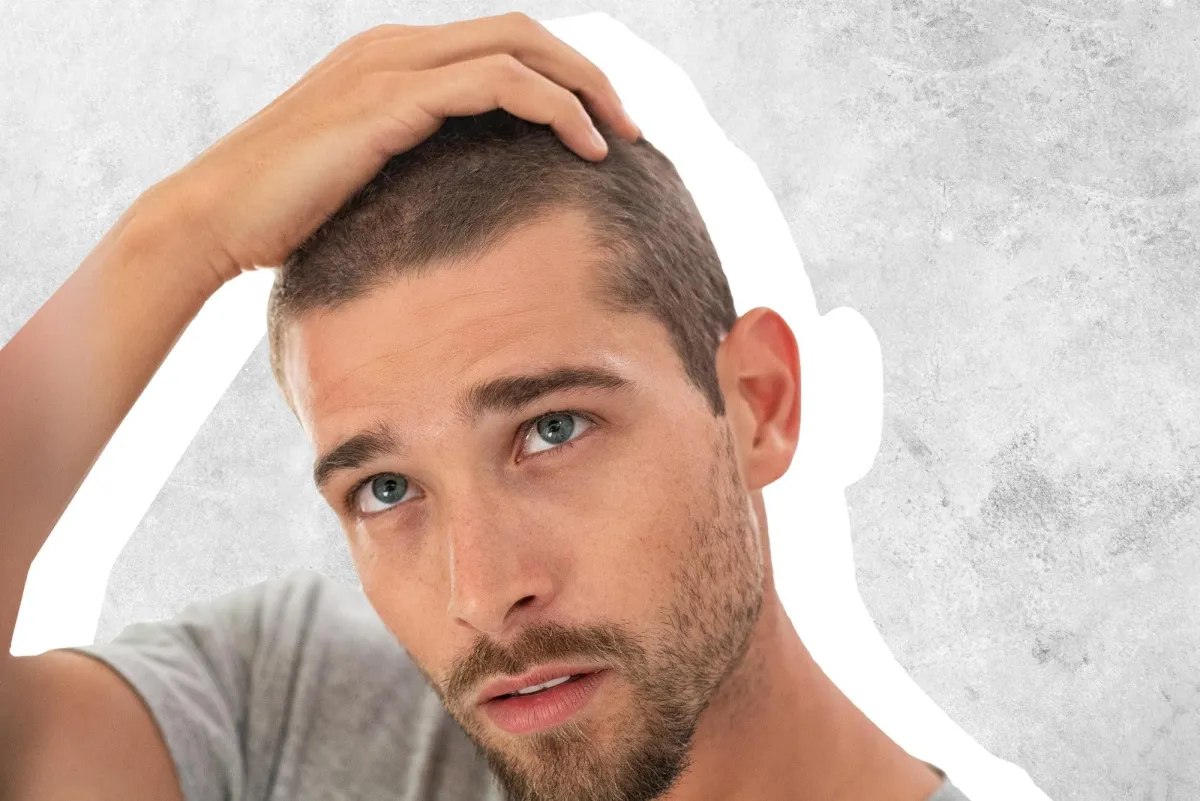
Losing your hair is never a good feeling, most men tend to feel self-conscious about it. Some men decide to completely shave off their heads or constantly wear a hat. One of the most common insecurities men face is hair thinning; for some men, it starts as early as in their 20s. The loss of confidence really starts to affect the way men do their hair and the types of hair cuts they get. Men start to worry about how they will be perceived by friends, family, and colleagues. Hair thinning should not be the cause of self distraughtness, and it should not limit men to have to continuously cover their heads. CADMEN Barbershop has compiled a list of the top 5 best haircuts for men experiencing early hair loss.
How to Use Texturizing Scissors: Barber Guide
How to Use Texturizing Scissors: Barber Guide
Texturizing scissors, also called thinning shears or blending shears, have one standard blade and one serrated blade. When closed, the serrated blade cuts only some of the hairs it touches, removing weight while preserving overall length. The result is reduced bulk and added movement without changing the visible length of the cut.
What Texturizing Scissors Do
Three things:
- Remove bulk: Dense hair has weight that prevents it from moving naturally or holding a shape. Removing some of the interior weight through texturizing allows the hair to fall and move more freely.
- Soften ends: Regular scissors cut a blunt line across all the hairs in a section. Texturizing scissors cut some hairs shorter than others within the section, creating an uneven, soft, natural-looking end rather than a hard blunt edge.
- Add movement: Sections of hair that have had weight removed fall differently than unaltered sections. This creates texture and movement in styles that would otherwise look heavy and flat.
When to Use Texturizing Scissors
Dense, heavy hair: The most common use case. Clients with thick, dense hair often have styles that look bulky or heavy because the hair has more volume than the cut can manage. One or two passes with texturizing scissors in specific sections can dramatically improve how the style lays.
Finishing the top after a fade: Many barbers finish the top section with a combination of regular scissors for length and texturizing scissors for movement. The texturizing pass happens after the length work, not before.
Removing bulk at the perimeter: The ends of the cut, particularly where the top transitions to the sides, can look blunt and heavy without texturizing. A light pass at the perimeter softens the line.
When NOT to use texturizing scissors: On very thin or fine hair, where removing weight will make the hair look even thinner. On clients who already have less hair than they want on top. On any section that has already been texturized recently (over-texturizing is permanent until new growth comes in).
Technique: How to Use Texturizing Scissors
Position and angle
Unlike regular scissors which close fully across the hair, texturizing scissors are typically used with a rocking or point-cutting motion, or with short open-and-close strokes that do not fully close the blade. This controls how much hair is cut and prevents removing too much in a single pass.
Depth into the section
Insert the texturizing scissors mid-shaft into the hair section, not at the ends and not at the roots. Working at the ends only creates soft ends but does not remove interior weight. Working too close to the roots leaves short, visible hairs sticking through the top layer. Mid-shaft is the sweet spot for most texturizing applications.
One pass at a time
Remove weight in passes and check the result after each one. Texturizing removes hair permanently until regrowth. It is always easier to make a second pass than to explain why you over-texturized in one.
The sections
Work section by section through the top. Comb each section upward or outward from the head, then make 2 to 4 snips with the texturizing scissors. Comb out and assess. The hair should visibly move and lie differently after each texturized section. If you cannot see any difference, make another pass. If the section looks dramatically thinner than the surrounding hair, you have gone too far in that spot.
Different Types of Texturizing Scissors
Texturizing scissors vary in how many teeth the serrated blade has. More teeth per inch = less hair removed per pass (finer texturizing). Fewer teeth = more hair removed per pass (chunkier, more dramatic texturizing).
For beginners, a higher-tooth count (30 to 40 teeth) is safer because it removes less hair per pass and gives more control. As technique develops, lower-tooth options (18 to 25 teeth) are used for more dramatic weight removal.
After Texturizing: Checking the Result
Comb the hair into the finished style and look at it in its natural resting position. The hair should look lighter and move more freely. If specific sections look visibly thinner or more sparse than the surrounding hair, the distribution of texturizing was uneven. In a live client situation, you can correct by texturizing the adjacent areas to balance the look.
CADMEN Scissor Skills Training
CADMEN offers a dedicated scissors class alongside the fade and beard programs. The class covers scissor-over-comb, point cutting, and texturizing on live models.
Scissor class details at academy.cadmen.ca/in-person-training.
Frequently Asked Questions
What are texturizing scissors used for?
Texturizing scissors (also called thinning shears) remove interior weight from hair and soften the ends of a cut without significantly reducing overall length. They create movement, reduce bulk in dense hair, and soften blunt cut lines. They are used on the top section after the main scissor work to improve how the style sits and moves.
How are texturizing scissors different from regular scissors?
Regular scissors have two straight blades that cut all hairs they touch when closed. Texturizing scissors have one straight blade and one serrated (toothed) blade. When closed, the serrated blade only cuts some of the hairs, leaving others at full length. The result is weight removal without a full-length reduction.
How do you use thinning shears without damaging hair?
Work mid-shaft (not at roots or ends), use short open-and-close strokes rather than fully closing the blade, work in passes and check after each one, avoid over-texturizing by staying conservative with the number of passes, and do not use on fine or thin hair where further weight removal is counterproductive.
Can you over-texturize hair?
Yes. Over-texturizing removes too much interior hair, making sections look visibly sparse or thin. This is permanent until regrowth. The correction is to either texturize adjacent areas to balance the look, or wait for the hair to grow. Working in conservative passes and assessing after each one prevents over-texturizing.
When should you not use texturizing scissors?
Avoid texturizing scissors on fine or thin hair, on hair that has already been recently texturized, on very short sections where there is not enough length to work mid-shaft, and on clients who are sensitive about hair loss or density. For clients with already-thin hair, adding movement through styling technique rather than weight removal is the better approach.
Related Reading From CADMEN Barber Academy

5 Best Haircuts for Men with
Early Hair Thinning
Losing your hair is never a good feeling, most men tend to feel self-conscious about it. Some men decide to completely shave off their heads or constantly wear a hat. One of the most common insecurities men face is hair thinning; for some men, it starts as early as in their 20s. The loss of confidence really starts to affect the way men do their hair and the types of hair cuts they get. Men start to worry about how they will be perceived by friends, family, and colleagues. Hair thinning should not be the cause of self distraughtness, and it should not limit men to have to continuously cover their heads. CADMEN Barbershop has compiled a list of the top 5 best haircuts for men experiencing early hair loss.


For any request, please contact us at info@cadmen.ca