
Barber Tips & Tricks
Follow us for the latest barber techniques and tips
Barber Tips & Tricks
Follow us for the latest barber techniques and tips
Top 7 Reasons Why Your Clients
Aren't Returning
Stay Ahead in the Barbering Game: Nurturing
Lifelong Clientele
You might have come across the saying “give a client a good cut at a reasonable price, and they'll be yours for life.” Unfortunately in reality this is not always the case. That’s where we come in! Check out some of the reasons why your clients may not be returning, whether they were long-term customers or a first-time appointment, below.

Top 7 Reasons Why Your Clients
Aren't Returning
Stay Ahead in the Barbering Game: Nurturing
Lifelong Clientele
You might have come across the saying “give a client a good cut at a reasonable price, and they'll be yours for life.” Unfortunately in reality this is not always the case. That’s where we come in! Check out some of the reasons why your clients may not be returning, whether they were long-term customers or a first-time appointment, below.
Career in Mobile Barbering: Key
Things You Need to Know about
While most barbers work in physical barbershops or hair salons, there are a growing number of barbers who work on-call. What does it mean to be a mobile barber? What are their primary responsibilities? Where to find them? In this blog, we will explain some key terms you should know about mobile barbering and how you can start a new career in it.

Career in Mobile Barbering: Key
Things You Need to Know about
While most barbers work in physical barbershops or hair salons, there are a growing number of barbers who work on-call. What does it mean to be a mobile barber? What are their primary responsibilities? Where to find them? In this blog, we will explain some key terms you should know about mobile barbering and how you can start a new career in it.
Top 4 Ways for Barbers to
Promote Themselves
Marketing is key. Knowing how to market yourself as a barber can be the difference between having 5 to 20 clients a day. If you are interested in boosting the number of your customers and furthering your advertising skills, read the list below with four ways to promote yourself as a barber.

Top 4 Ways for Barbers to
Promote Themselves
Marketing is key. Knowing how to market yourself as a barber can be the difference between having 5 to 20 clients a day. If you are interested in boosting the number of your customers and furthering your advertising skills, read the list below with four ways to promote yourself as a barber.
5 Tips for Social Media Content
Creating as a Barber
It is next to impossible to find someone who is not on social media today. More than just a tool for connection, social media is key helping barbers market themselves and promote their names and skills. If you want to up your barber game quickly, here are five tips on how to promote content online that you don't want to miss out on.

5 Tips for Social Media Content
Creating as a Barber
It is next to impossible to find someone who is not on social media today. More than just a tool for connection, social media is key helping barbers market themselves and promote their names and skills. If you want to up your barber game quickly, here are five tips on how to promote content online that you don't want to miss out on.
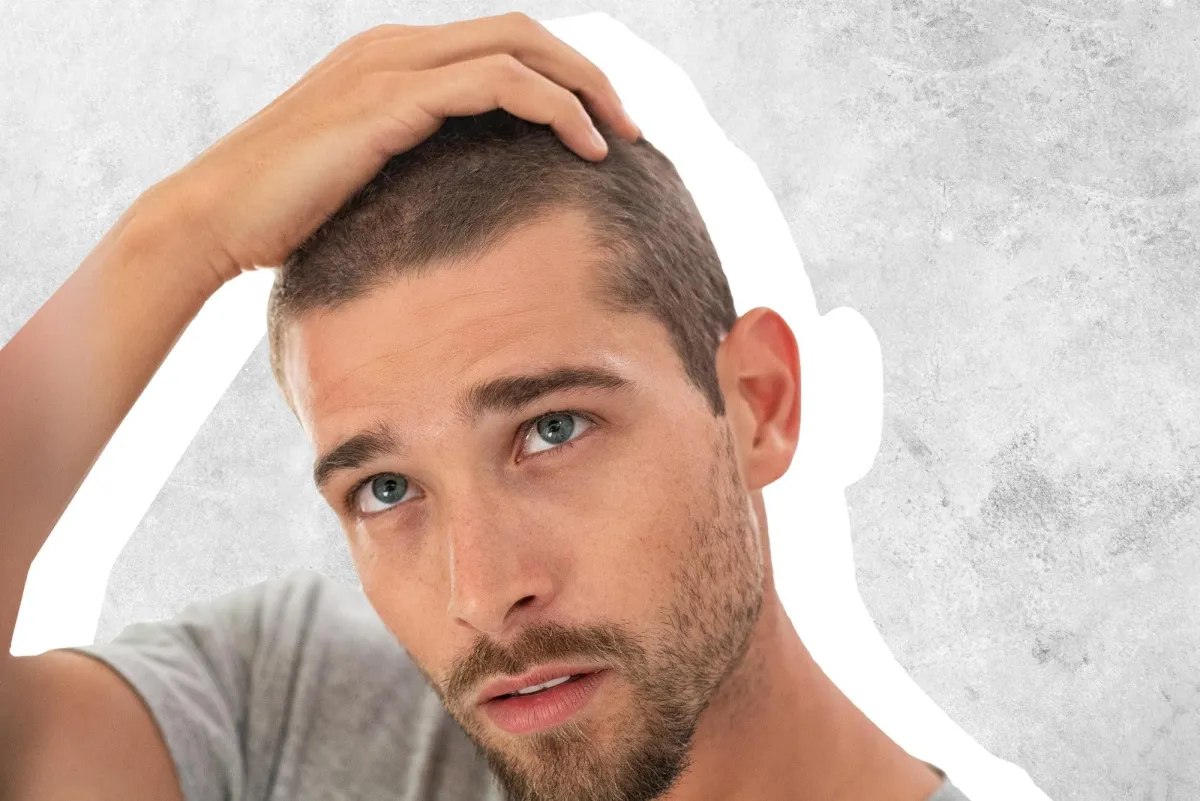
5 Best Haircuts for Men with
Early Hair Thinning
Losing your hair is never a good feeling, most men tend to feel self-conscious about it. Some men decide to completely shave off their heads or constantly wear a hat. One of the most common insecurities men face is hair thinning; for some men, it starts as early as in their 20s. The loss of confidence really starts to affect the way men do their hair and the types of hair cuts they get. Men start to worry about how they will be perceived by friends, family, and colleagues. Hair thinning should not be the cause of self distraughtness, and it should not limit men to have to continuously cover their heads. CADMEN Barbershop has compiled a list of the top 5 best haircuts for men experiencing early hair loss.

Scissors Technique for Barbers: The Fundamentals
Scissors Technique for Barbers: The Fundamentals
Clipper technique gets most of the attention in barbering. Scissors technique is what separates barbers who can do one style from barbers who can do any style.
A barber who can only fade cannot take a client who wants their length preserved. A barber with strong scissors work can handle any service: clipper cuts, scissor cuts, mixed-technique cuts, and longer hair on any texture. Scissors open the full range of clients.
Proper Scissors Grip
The ring finger and thumb hold the scissors. The thumb goes in the smaller ring, the ring finger in the larger. The middle finger rests on the finger rest or handle for support. The index finger and pinky rest naturally against the scissors body.
The key rule: only the thumb moves. The ring finger stays still. Moving both rings opens and closes the scissors with full arm effort, which is tiring and imprecise. Moving only the thumb gives you control with minimal fatigue.
Check your technique: with the scissors in hand, try to open and close using only thumb movement while the ring finger remains completely stationary. If your ring finger is moving, your grip needs adjustment.
Tension Control
The tension screw on your scissors controls how tight or loose the blades move. Tension that is too loose causes the blades to fold the hair instead of cutting it, creating a bent edge rather than a clean cut. Too tight makes the scissors fatiguing to operate and wears down the blades faster.
Test the tension by holding the scissors horizontal and opening the blades. Release one handle. The blades should close about halfway under their own weight, then stop. If they close all the way, tension is too loose. If they do not move, tension is too tight.
Adjust the tension screw with a coin or the included key. Half-turn adjustments are usually enough to feel a difference.
Scissor Over Comb
Scissor over comb is the technique of holding the comb in the non-dominant hand, lifting hair away from the head at a controlled angle, and cutting along the comb with the scissors. It is the primary technique for blending, tapering, and cutting without clipper marks.
The comb controls the length by how far it is away from the scalp. Closer to the scalp = shorter. Further from the scalp = longer. Moving the comb position while keeping the scissor cutting line consistent creates the blend.
Scissor over comb requires:
- Consistent comb angle throughout the pass
- Steady scissor movement that follows the comb without chasing it
- Enough comb pressure to control the hair tension, but not so much that it flattens the hair to an unnatural angle
Speed comes with repetition. In the learning phase, focus on consistency of comb angle, not speed. Uneven angles create uneven cuts. A slow, consistent cut is better than a fast, uneven one.
Point Cutting
Point cutting means cutting into the ends of the hair with the tips of the scissors at an angle rather than cutting straight across. The result is a textured, softer edge rather than a blunt, heavy edge.
It is used to:
- Remove bulk without removing visible length
- Soften lines that are too heavy
- Add movement to otherwise flat hair
Point cutting angle: 30 to 45 degrees into the hair ends is typical. Deeper angles remove more texture. Shallower angles are more conservative.
Freehand Cutting
Freehand cutting means working without a comb or guide, cutting the hair as it falls. It is used primarily for longer hair, curly textures, and finishing work. Pulling each section with the fingers rather than the comb lets the hair fall at its natural weight, which produces a more natural result for many styles.
The finger tension technique: use two fingers of the non-dominant hand to hold a section of hair at the target length, then cut along or just below the fingers. The tension on the hair and the finger position control the length.
Dry vs Wet Cutting
Most barbershop scissor work is done dry. Dry cutting shows you how the hair actually behaves: where it falls naturally, where it wants to curl, and what the finished style looks like while cutting. Wet hair is heavier and straighter than it will be dry, which can lead to cutting more length than intended.
Wet cutting is sometimes used for very curly or dense hair where the hair needs to be elongated to cut evenly. The technique is the same; the result needs to account for the hair's behavior once dry.
Building Scissors Proficiency
Scissors technique improves through live client repetition more than through practice on mannequins. Mannequin hair has different tension, curl behavior, and weight distribution than real hair. Mannequins are useful for motion practice. Skill development happens on real clients.
CADMEN's scissors class in Mississauga focuses on scissor over comb, point cutting, freehand technique, and long hair cutting. The class runs over 2 days, with approximately 2 live clients and mannequin work for longer hair technique foundations. Maximum 3 students. Direct correction from Francis Paua on every cut.
Scissors class: $1,750 + HST (small group) or $1,950 + HST (1-on-1). Book at academy.cadmen.ca/in-person-training.
Frequently Asked Questions
What is the proper scissors grip for barbers?
Ring finger in the larger ring, thumb in the smaller ring, middle finger on the finger rest. Only the thumb should move to open and close the scissors. The ring finger stays stationary. This reduces fatigue and improves precision.
What is scissor over comb technique?
Scissor over comb is holding a comb in the non-dominant hand to lift hair away from the head at a controlled angle, then cutting along the comb with scissors. The comb position controls the length. It is used for blending, tapering, and cuts where you want to preserve length while controlling the shape.
What is point cutting in barbering?
Point cutting means cutting into the ends of the hair with the scissor tips at an angle (30 to 45 degrees) rather than cutting straight across. It removes bulk, softens heavy lines, and adds movement without visibly reducing length.
Should barbers cut hair wet or dry with scissors?
Most barbershop scissor work is done dry. Dry hair shows its natural behavior, fall, and texture, which helps you see what the finished style will look like while you are cutting. Wet cutting can cause you to cut more length than intended because wet hair hangs straighter and heavier than it does dry.
How do you get better at scissors technique?
Live client repetition with feedback. Mannequins help with motion practice, but real skill development comes from cutting real hair under correction. Focus on consistent comb angles before building speed. Speed follows naturally from consistency once the mechanics are right.
Related Reading From CADMEN Barber Academy
- Cutting Afro and Type 4 Hair: Techniques for Barbers Working with Coily Textures
- The Bald Fade: Technique and Common Mistakes
- The Blowout Haircut: What It Is, How to Cut It, and Why It Requires More Than Just Volume
- How Barbers Use Clippers vs. Scissors: What Each Tool Does
- Cutting Coily Hair: The Techniques That Work and the Mistakes That Damage the Pattern
- Cutting Curly Hair as a Barber: How to Work With the Curl Pattern, Not Against It

5 Best Haircuts for Men with
Early Hair Thinning
Losing your hair is never a good feeling, most men tend to feel self-conscious about it. Some men decide to completely shave off their heads or constantly wear a hat. One of the most common insecurities men face is hair thinning; for some men, it starts as early as in their 20s. The loss of confidence really starts to affect the way men do their hair and the types of hair cuts they get. Men start to worry about how they will be perceived by friends, family, and colleagues. Hair thinning should not be the cause of self distraughtness, and it should not limit men to have to continuously cover their heads. CADMEN Barbershop has compiled a list of the top 5 best haircuts for men experiencing early hair loss.


For any request, please contact us at info@cadmen.ca