
Barber Tips & Tricks
Follow us for the latest barber techniques and tips
Barber Tips & Tricks
Follow us for the latest barber techniques and tips
Top 7 Reasons Why Your Clients
Aren't Returning
Stay Ahead in the Barbering Game: Nurturing
Lifelong Clientele
You might have come across the saying “give a client a good cut at a reasonable price, and they'll be yours for life.” Unfortunately in reality this is not always the case. That’s where we come in! Check out some of the reasons why your clients may not be returning, whether they were long-term customers or a first-time appointment, below.

Top 7 Reasons Why Your Clients
Aren't Returning
Stay Ahead in the Barbering Game: Nurturing
Lifelong Clientele
You might have come across the saying “give a client a good cut at a reasonable price, and they'll be yours for life.” Unfortunately in reality this is not always the case. That’s where we come in! Check out some of the reasons why your clients may not be returning, whether they were long-term customers or a first-time appointment, below.
Career in Mobile Barbering: Key
Things You Need to Know about
While most barbers work in physical barbershops or hair salons, there are a growing number of barbers who work on-call. What does it mean to be a mobile barber? What are their primary responsibilities? Where to find them? In this blog, we will explain some key terms you should know about mobile barbering and how you can start a new career in it.

Career in Mobile Barbering: Key
Things You Need to Know about
While most barbers work in physical barbershops or hair salons, there are a growing number of barbers who work on-call. What does it mean to be a mobile barber? What are their primary responsibilities? Where to find them? In this blog, we will explain some key terms you should know about mobile barbering and how you can start a new career in it.
Top 4 Ways for Barbers to
Promote Themselves
Marketing is key. Knowing how to market yourself as a barber can be the difference between having 5 to 20 clients a day. If you are interested in boosting the number of your customers and furthering your advertising skills, read the list below with four ways to promote yourself as a barber.

Top 4 Ways for Barbers to
Promote Themselves
Marketing is key. Knowing how to market yourself as a barber can be the difference between having 5 to 20 clients a day. If you are interested in boosting the number of your customers and furthering your advertising skills, read the list below with four ways to promote yourself as a barber.
5 Tips for Social Media Content
Creating as a Barber
It is next to impossible to find someone who is not on social media today. More than just a tool for connection, social media is key helping barbers market themselves and promote their names and skills. If you want to up your barber game quickly, here are five tips on how to promote content online that you don't want to miss out on.

5 Tips for Social Media Content
Creating as a Barber
It is next to impossible to find someone who is not on social media today. More than just a tool for connection, social media is key helping barbers market themselves and promote their names and skills. If you want to up your barber game quickly, here are five tips on how to promote content online that you don't want to miss out on.
5 Best Haircuts for Men with
Early Hair Thinning
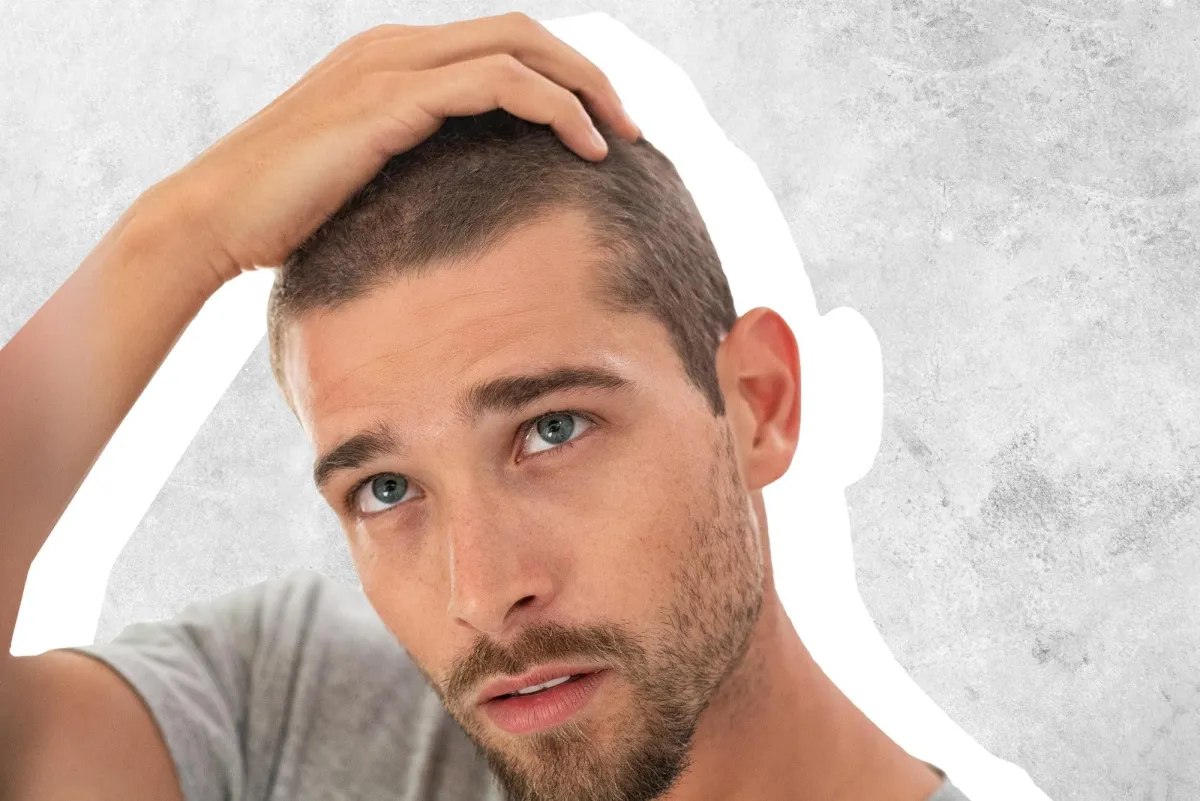
Losing your hair is never a good feeling, most men tend to feel self-conscious about it. Some men decide to completely shave off their heads or constantly wear a hat. One of the most common insecurities men face is hair thinning; for some men, it starts as early as in their 20s. The loss of confidence really starts to affect the way men do their hair and the types of hair cuts they get. Men start to worry about how they will be perceived by friends, family, and colleagues. Hair thinning should not be the cause of self distraughtness, and it should not limit men to have to continuously cover their heads. CADMEN Barbershop has compiled a list of the top 5 best haircuts for men experiencing early hair loss.
Men's Scalp Health: What Affects It and How to Keep It in Good Condition
Men's Scalp Health: What Affects It and How to Keep It in Good Condition
The scalp is skin, and like skin on any other part of the body, it has its own health status that affects how it looks and feels, and how the hair that grows from it performs. Most men spend effort on the visible hair and give little thought to the scalp underneath, but scalp condition directly affects hair quality, growth, and comfort.
The Main Scalp Issues
Dandruff: white or yellowish flakes on the scalp and in the hair. The most common scalp issue. Caused by a combination of fungal activity (Malassezia yeast), excess oil production, and skin cell turnover rate. Not caused by poor hygiene, dandruff can affect men who wash their hair frequently. Dandruff shampoos containing zinc pyrithione, selenium sulfide, or ketoconazole address the underlying fungal component. Dry scalp: flaking that resembles dandruff but caused by lack of moisture rather than fungal activity. Dry scalp flakes tend to be smaller and whiter than dandruff flakes. Over-washing with harsh shampoo is a common contributor. Seborrheic dermatitis: a more severe form of dandruff characterized by thicker, yellowish scales and inflammation. More persistent than standard dandruff and may require medicated shampoo or a dermatologist consultation. Product build-up: accumulation of styling products, dry shampoo residue, and natural oils on the scalp surface. Causes itchiness, dullness, and can contribute to blocked follicles over time. Addressed with a clarifying shampoo used once every 2 to 4 weeks.
The Basics That Help
Wash at the right frequency (not too often, not too infrequently). Rinse shampoo completely. Exfoliate the scalp occasionally. Avoid excess heat at the scalp.
CADMEN Training
Scalp health assessment is part of the client consultation training at CADMEN Barber Academy. academy.cadmen.ca/in-person-training.
Frequently Asked Questions
How do I get rid of dandruff?
Dandruff is manageable for most people with the right approach. The evidence-based treatment path: use an anti-dandruff shampoo consistently. This is the most direct intervention. The main active ingredients in anti-dandruff shampoos that have demonstrated efficacy: zinc pyrithione (found in Head and Shoulders and similar products), reduces the Malassezia yeast population on the scalp, which is the primary driver of dandruff. This is the most widely available and generally well-tolerated option. Selenium sulfide (found in Selsun Blue), works similarly to zinc pyrithione. Stronger than zinc pyrithione in some formulations. Ketoconazole (found in Nizoral), an antifungal that is more potent than zinc pyrithione. Available in 1% versions over-the-counter and 2% by prescription. Often recommended for more persistent dandruff that does not respond adequately to zinc pyrithione. Coal tar, reduces skin cell turnover rate, which is elevated in dandruff. Effective but with a strong smell and the potential to temporarily stain light-colored hair. How to use: use the anti-dandruff shampoo 2 to 3 times per week, leaving it on the scalp for 2 to 5 minutes before rinsing (contact time matters for antifungal efficacy). Regular shampoo can be used on the other wash days. What not to do: do not over-wash trying to remove the flakes. More frequent washing with a harsh shampoo can irritate the scalp and make dandruff worse. Do not scratch aggressively, this irritates and sometimes breaks the skin. When dandruff does not respond to over-the-counter treatment within 4 to 6 weeks of consistent use, or if the scalp is inflamed and uncomfortable, this warrants a dermatologist consultation. Seborrheic dermatitis may require prescription-strength antifungal treatment.
Is it bad to scratch your scalp?
Occasional, gentle scratching of the scalp is not harmful. The scalp, like skin anywhere on the body, can itch for various reasons and a brief, gentle scratch provides temporary relief without causing damage. The problem is persistent, forceful, or habitual scratching. Why excessive scalp scratching is a concern: it can break the skin. The scalp skin is thinner and more delicate than it feels. Vigorous scratching with fingernails can cause small abrasions and breaks in the skin surface. These micro-wounds create entry points for bacteria, which can lead to folliculitis (infected follicles) or other scalp infections. It can spread the issue. If the scratching is in response to dandruff or seborrheic dermatitis, mechanical scratching disturbs the scale build-up but does not treat the underlying cause. It can also spread the Malassezia yeast across the scalp and temporarily displace scales without reducing them. It causes inflammation. Repeated scratching stimulates an inflammatory response in the scalp, which can worsen itchy scalp conditions rather than resolve them. Some conditions are self-reinforcing: the itch leads to scratch, the scratch causes irritation, the irritation leads to more itch. It can cause temporary hair loss. Chronic, aggressive scalp scratching over time can damage the follicles in the scratched areas, causing temporary hair shedding in those locations. The practical approach: if your scalp itches persistently enough to cause frequent, difficult-to-resist scratching, that is a symptom worth addressing, it signals an underlying issue (dandruff, dry scalp, product build-up, seborrheic dermatitis, or contact dermatitis from a product ingredient). Treat the underlying cause rather than managing the symptom with scratching.
What causes an itchy scalp after a haircut?
Scalp irritation after a haircut is common and usually has a straightforward cause. The main culprits: cut hair fragments. When the hair is cut, fine fragments of hair fall onto the scalp, neck, and inside the collar. These sharp-ended fragments cause an itching sensation similar to the itch from beard stubble on the skin. The itching typically resolves within 24 to 48 hours once the fragments work themselves out of the hair and are washed away. Washing the hair as soon as possible after a haircut removes the fragments and usually eliminates this itch quickly. Razor or trimmer irritation. If the barber used a razor on the neck or hairline, or if the clippers were set very close to the skin, the closely cut or shaved skin can be temporarily sensitized. This is most common along the neckline and the sides of the head where the fade was applied. The irritation typically resolves within 24 to 48 hours as the skin adapts. Product residue. If the barbershop used finishing products (spray, wax, or gel) and the hair has not been washed since, product residue on the scalp can cause itching. Washing the hair removes the residue and usually resolves the itch. Contact dermatitis from a product ingredient. In some men, a product applied during the service (scalp spray, aftershave, hair wax) contains an ingredient that causes a delayed allergic reaction. This type of itch typically appears 12 to 48 hours after the haircut and may be accompanied by redness or a rash at the scalp. If washing with mild shampoo does not resolve it within a few days, identifying and avoiding the triggering product and seeing a dermatologist if the reaction is significant is the appropriate next step. Clippers transferring bacteria or product residue from a previous client. Barbershops are required to sanitize clippers and tools between clients. Properly sanitized tools do not transfer material between clients. If you have concerns about a shop's sanitation practices, this is worth observing during your visit.
Related Reading From CADMEN Barber Academy
- Scalp Health for Men: What Causes Issues and How to Fix Them
- Scalp Health for Men: What Barbers See and What to Do About It
- Men's Scalp Problems: What Barbers Commonly See and What to Do About Them
- Barber Wrist and Hand Health: Preventing and Managing Repetitive Strain Injuries
- Dry Scalp in Men: What Causes It and What Helps
- Men's Scalp Care: What to Know and What to Do

5 Best Haircuts for Men with
Early Hair Thinning
Losing your hair is never a good feeling, most men tend to feel self-conscious about it. Some men decide to completely shave off their heads or constantly wear a hat. One of the most common insecurities men face is hair thinning; for some men, it starts as early as in their 20s. The loss of confidence really starts to affect the way men do their hair and the types of hair cuts they get. Men start to worry about how they will be perceived by friends, family, and colleagues. Hair thinning should not be the cause of self distraughtness, and it should not limit men to have to continuously cover their heads. CADMEN Barbershop has compiled a list of the top 5 best haircuts for men experiencing early hair loss.


For any request, please contact us at info@cadmen.ca