
Barber Tips & Tricks
Follow us for the latest barber techniques and tips
Barber Tips & Tricks
Follow us for the latest barber techniques and tips
Top 7 Reasons Why Your Clients
Aren't Returning
Stay Ahead in the Barbering Game: Nurturing
Lifelong Clientele
You might have come across the saying “give a client a good cut at a reasonable price, and they'll be yours for life.” Unfortunately in reality this is not always the case. That’s where we come in! Check out some of the reasons why your clients may not be returning, whether they were long-term customers or a first-time appointment, below.

Top 7 Reasons Why Your Clients
Aren't Returning
Stay Ahead in the Barbering Game: Nurturing
Lifelong Clientele
You might have come across the saying “give a client a good cut at a reasonable price, and they'll be yours for life.” Unfortunately in reality this is not always the case. That’s where we come in! Check out some of the reasons why your clients may not be returning, whether they were long-term customers or a first-time appointment, below.
Career in Mobile Barbering: Key
Things You Need to Know about
While most barbers work in physical barbershops or hair salons, there are a growing number of barbers who work on-call. What does it mean to be a mobile barber? What are their primary responsibilities? Where to find them? In this blog, we will explain some key terms you should know about mobile barbering and how you can start a new career in it.

Career in Mobile Barbering: Key
Things You Need to Know about
While most barbers work in physical barbershops or hair salons, there are a growing number of barbers who work on-call. What does it mean to be a mobile barber? What are their primary responsibilities? Where to find them? In this blog, we will explain some key terms you should know about mobile barbering and how you can start a new career in it.
Top 4 Ways for Barbers to
Promote Themselves
Marketing is key. Knowing how to market yourself as a barber can be the difference between having 5 to 20 clients a day. If you are interested in boosting the number of your customers and furthering your advertising skills, read the list below with four ways to promote yourself as a barber.

Top 4 Ways for Barbers to
Promote Themselves
Marketing is key. Knowing how to market yourself as a barber can be the difference between having 5 to 20 clients a day. If you are interested in boosting the number of your customers and furthering your advertising skills, read the list below with four ways to promote yourself as a barber.
5 Tips for Social Media Content
Creating as a Barber
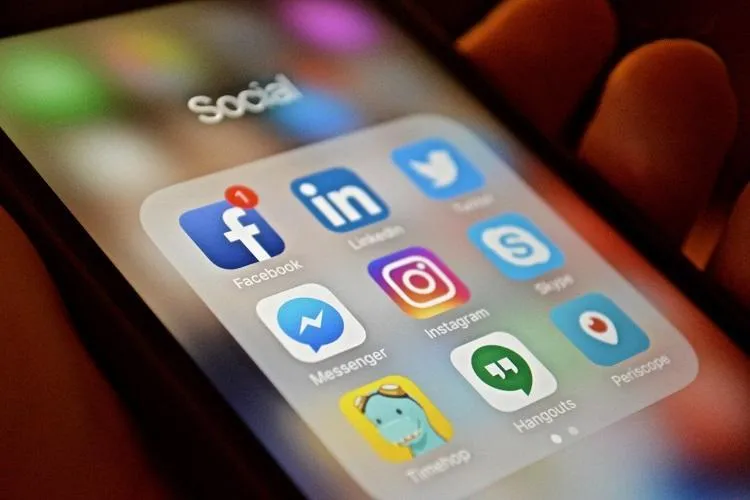
It is next to impossible to find someone who is not on social media today. More than just a tool for connection, social media is key helping barbers market themselves and promote their names and skills. If you want to up your barber game quickly, here are five tips on how to promote content online that you don't want to miss out on.
5 Tips for Social Media Content
Creating as a Barber
It is next to impossible to find someone who is not on social media today. More than just a tool for connection, social media is key helping barbers market themselves and promote their names and skills. If you want to up your barber game quickly, here are five tips on how to promote content online that you don't want to miss out on.
5 Best Haircuts for Men with
Early Hair Thinning
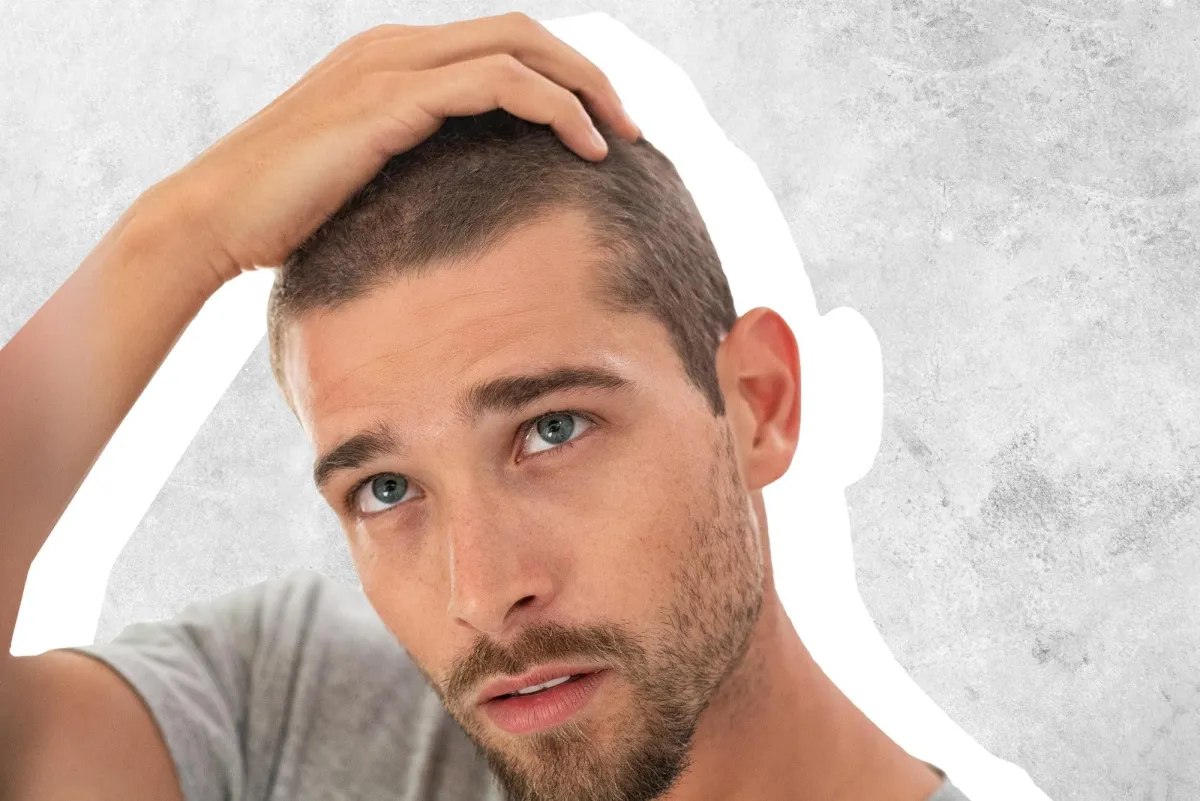
Losing your hair is never a good feeling, most men tend to feel self-conscious about it. Some men decide to completely shave off their heads or constantly wear a hat. One of the most common insecurities men face is hair thinning; for some men, it starts as early as in their 20s. The loss of confidence really starts to affect the way men do their hair and the types of hair cuts they get. Men start to worry about how they will be perceived by friends, family, and colleagues. Hair thinning should not be the cause of self distraughtness, and it should not limit men to have to continuously cover their heads. CADMEN Barbershop has compiled a list of the top 5 best haircuts for men experiencing early hair loss.
Should Men Use Conditioner? What Barbers Actually Recommend
Should Men Use Conditioner? What Barbers Actually Recommend
A large percentage of men who shampoo their hair regularly skip conditioner entirely. For some hair types, this is not a problem. For others, it is the primary reason their hair looks dull, breaks easily, or does not hold a style well. Here is what conditioner actually does, when it matters, and what the professional recommendation is for different hair types.
What Conditioner Does
Shampoo cleans the hair by removing oils, product buildup, and debris from the scalp and shaft. The process is effective but leaves the hair's outer layer (the cuticle) slightly raised and stripped of natural oils. Conditioner smooths the cuticle back down, seals the hair shaft, and replenishes some of the moisture lost during washing. The result: hair that is smoother, more manageable, less prone to static and frizz, and stronger against breakage.
When Conditioner Matters Most
For men with very short hair (grade 2 or shorter), the practical effect of conditioner is minimal, there is not enough shaft length for the cuticle condition to matter. For men with medium to longer hair (an inch or more), conditioner meaningfully affects how the hair looks, feels, and responds to styling. For curly, coily, or dry hair types: conditioner is often the most impactful product in the routine. These hair types lose moisture faster and benefit most from the sealing and moisturizing effect of conditioner.
How to Use It
Apply conditioner to the mid-lengths and ends after shampooing. Leave it on for 1 to 2 minutes. Rinse. Avoid applying conditioner directly to the scalp, the scalp produces its own oils and conditioning the scalp often leads to the greasy, flat feeling that causes men to stop using it. The product is for the hair shaft, not the scalp.
CADMEN Training
CADMEN Barber Academy covers hair and scalp health as part of barber training. academy.cadmen.ca/in-person-training.
Frequently Asked Questions
Will conditioner make men's hair greasy or flat?
Yes, if applied incorrectly. No, if used as intended. The flat or greasy feeling that many men report after using conditioner is almost always caused by applying it to the roots and scalp rather than to the mid-lengths and ends. The scalp already produces sebum (natural oil). Adding a conditioner on top of the scalp adds more oil and weight to the roots, which flattens and greases the hair at its base. The fix: apply conditioner to the hair from the ears down (approximately). The roots and scalp do not need conditioning and are where the problem starts when men apply it all over. With this adjustment, conditioner adds smoothness and manageability to the hair shaft without affecting the scalp's natural oil balance. Product choice also matters: heavy, thick conditioners designed for dry or curly hair can feel heavy on fine or straight hair. A lighter-weight conditioner (labeled for fine, thin, or normal hair) applies to straight hair without the heavy feeling. If a conditioner consistently feels too heavy, the product weight does not match the hair type. Switching to a lighter formulation resolves this without abandoning conditioner entirely. Frequency: men who shampoo daily and condition daily on fine hair may find that conditioning every other wash (alternating shampoo-and-condition with shampoo-only) gives them the manageability benefit without the accumulated weight feeling. Adjustment by frequency is reasonable based on how the hair responds.
What is the difference between regular conditioner and deep conditioner?
Regular rinse-out conditioner: applied after shampoo, left on for 1 to 3 minutes, rinsed out. It smooths the cuticle and adds surface moisture to the hair shaft. Its effect is primarily on the outer layer of the hair and lasts until the next wash. It is a maintenance product, not a repair product. Deep conditioner (also called a hair mask or intensive conditioner): applied to the hair for a longer period (5 to 30 minutes), often with heat to open the cuticle and allow the product to penetrate deeper. Deep conditioners typically contain higher concentrations of conditioning agents (butters, proteins, oils) and are designed to address specific hair concerns: dryness, damage, brittleness, or loss of elasticity. Their effect penetrates beyond the surface layer and produces changes that last several washes. When men need deep conditioning: hair that has been bleached, colored, chemically treated, or heat-styled regularly has compromised cuticle integrity. Deep conditioning restores elasticity and manageability to this damaged hair in a way regular conditioner cannot. Men who use heat tools frequently, swim in chlorinated pools regularly, or expose their hair to saltwater often benefit from a monthly deep conditioning treatment. Men with coily or 4-type hair often use a deep conditioner weekly as part of a regular wash routine, because these hair types are naturally more prone to dryness. For men with short, healthy hair who shampoo twice a week and do not use heat tools: deep conditioning is unlikely to produce a noticeable difference. It is a product for damaged, dry, or high-maintenance hair textures rather than a universal upgrade to every man's routine.
Can men use the same conditioner as women or do they need a "men's" product?
There is no technical difference between men's and women's conditioners that would make one ineffective for the other. The product differences are largely marketing and fragrance. What is actually in conditioner: the active conditioning agents (cetyl alcohol, cetrimonium chloride, dimethicone, panthenol, protein derivatives, botanical extracts) are the same regardless of the product's gender marketing. A $6 women's conditioner and a $12 men's conditioner from the same brand may contain nearly identical ingredient lists, with the primary differences being the scent, the packaging, and the price. What matters when choosing a conditioner, for any person: hair type match (fine, thick, curly, dry, oily, color-treated). These categories are more relevant to how the product performs than any gendered designation. Ingredient focus (moisturizing vs. strengthening vs. volumizing). The product's weight relative to your hair type. The practical recommendation: buy conditioner based on your hair type and the result you want, not based on whether it is marketed toward men. If a product labeled for women performs well on your hair type, there is no reason to pay a premium for the same chemistry in different packaging. The men's grooming market prices products marketed to men higher than equivalent products marketed to women in many categories. Conditioner is no exception. Shopping by ingredient list and hair-type match rather than by packaging gender gives you more options and often lower prices for equivalent performance.
Related Reading From CADMEN Barber Academy
- Do Men Need to Use Conditioner? A Barber's Explanation
- Beard Conditioner: What It Does and Whether You Need It
- Men's Thinning Hair: Cuts and Approaches That Actually Help
- Building a Home Grooming Kit for Men
- Split Ends in Men's Hair: What Causes Them and What to Do
- What Barbers Need to Know About Twist Outs and Coil Styles
- Barbering Topics Index: Every Guide by Subject

5 Best Haircuts for Men with
Early Hair Thinning
Losing your hair is never a good feeling, most men tend to feel self-conscious about it. Some men decide to completely shave off their heads or constantly wear a hat. One of the most common insecurities men face is hair thinning; for some men, it starts as early as in their 20s. The loss of confidence really starts to affect the way men do their hair and the types of hair cuts they get. Men start to worry about how they will be perceived by friends, family, and colleagues. Hair thinning should not be the cause of self distraughtness, and it should not limit men to have to continuously cover their heads. CADMEN Barbershop has compiled a list of the top 5 best haircuts for men experiencing early hair loss.


For any request, please contact us at info@cadmen.ca