
Barber Tips & Tricks
Follow us for the latest barber techniques and tips
Barber Tips & Tricks
Follow us for the latest barber techniques and tips
Top 7 Reasons Why Your Clients
Aren't Returning
Stay Ahead in the Barbering Game: Nurturing
Lifelong Clientele
You might have come across the saying “give a client a good cut at a reasonable price, and they'll be yours for life.” Unfortunately in reality this is not always the case. That’s where we come in! Check out some of the reasons why your clients may not be returning, whether they were long-term customers or a first-time appointment, below.

Top 7 Reasons Why Your Clients
Aren't Returning
Stay Ahead in the Barbering Game: Nurturing
Lifelong Clientele
You might have come across the saying “give a client a good cut at a reasonable price, and they'll be yours for life.” Unfortunately in reality this is not always the case. That’s where we come in! Check out some of the reasons why your clients may not be returning, whether they were long-term customers or a first-time appointment, below.
Career in Mobile Barbering: Key
Things You Need to Know about
While most barbers work in physical barbershops or hair salons, there are a growing number of barbers who work on-call. What does it mean to be a mobile barber? What are their primary responsibilities? Where to find them? In this blog, we will explain some key terms you should know about mobile barbering and how you can start a new career in it.

Career in Mobile Barbering: Key
Things You Need to Know about
While most barbers work in physical barbershops or hair salons, there are a growing number of barbers who work on-call. What does it mean to be a mobile barber? What are their primary responsibilities? Where to find them? In this blog, we will explain some key terms you should know about mobile barbering and how you can start a new career in it.
Top 4 Ways for Barbers to
Promote Themselves
Marketing is key. Knowing how to market yourself as a barber can be the difference between having 5 to 20 clients a day. If you are interested in boosting the number of your customers and furthering your advertising skills, read the list below with four ways to promote yourself as a barber.

Top 4 Ways for Barbers to
Promote Themselves
Marketing is key. Knowing how to market yourself as a barber can be the difference between having 5 to 20 clients a day. If you are interested in boosting the number of your customers and furthering your advertising skills, read the list below with four ways to promote yourself as a barber.
5 Tips for Social Media Content
Creating as a Barber
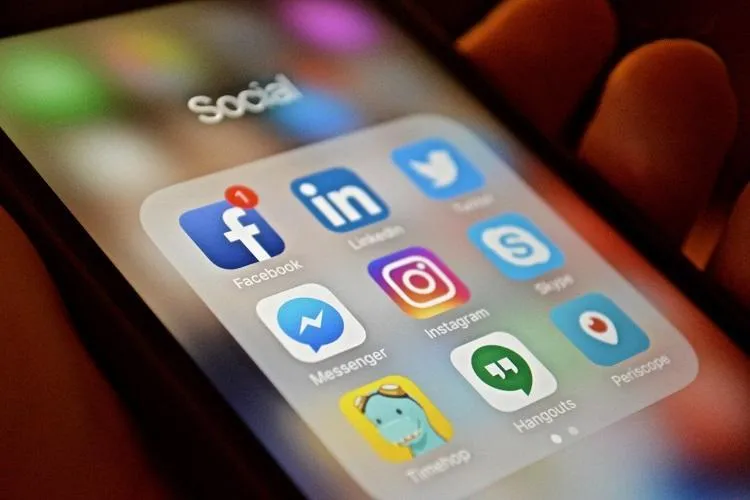
It is next to impossible to find someone who is not on social media today. More than just a tool for connection, social media is key helping barbers market themselves and promote their names and skills. If you want to up your barber game quickly, here are five tips on how to promote content online that you don't want to miss out on.
5 Tips for Social Media Content
Creating as a Barber
It is next to impossible to find someone who is not on social media today. More than just a tool for connection, social media is key helping barbers market themselves and promote their names and skills. If you want to up your barber game quickly, here are five tips on how to promote content online that you don't want to miss out on.
5 Best Haircuts for Men with
Early Hair Thinning
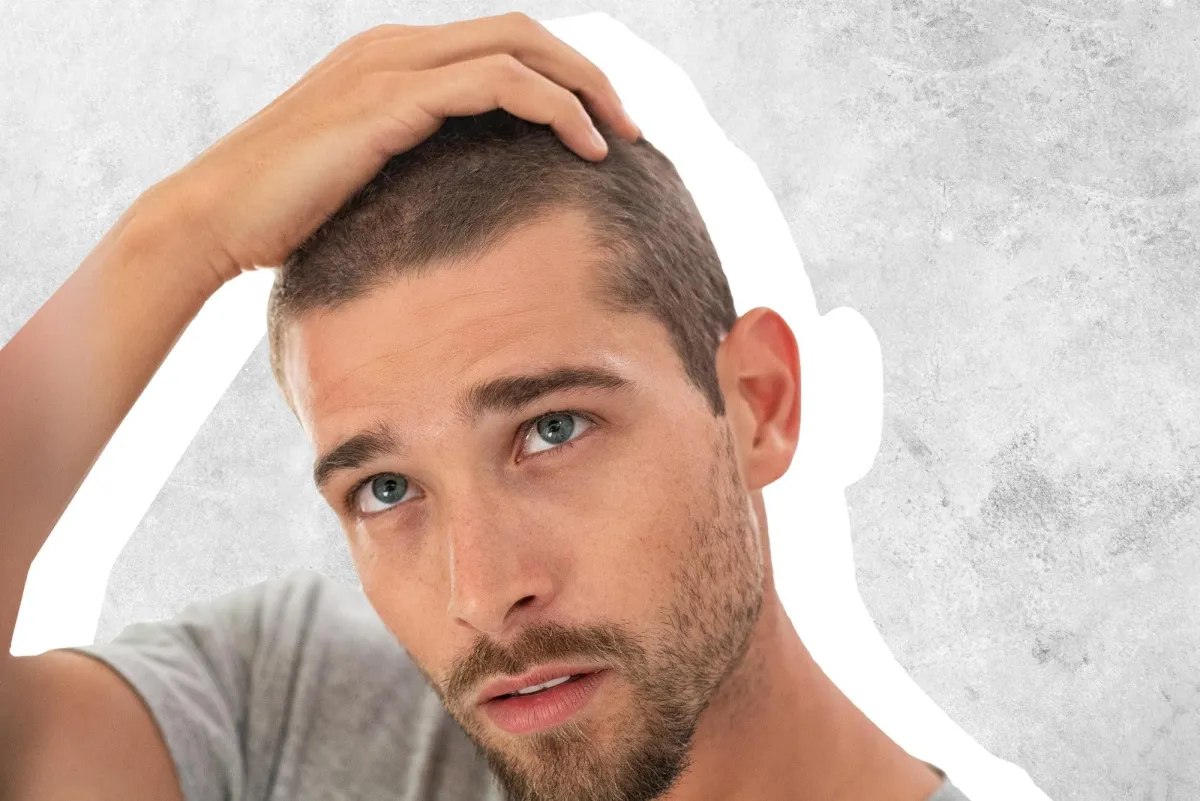
Losing your hair is never a good feeling, most men tend to feel self-conscious about it. Some men decide to completely shave off their heads or constantly wear a hat. One of the most common insecurities men face is hair thinning; for some men, it starts as early as in their 20s. The loss of confidence really starts to affect the way men do their hair and the types of hair cuts they get. Men start to worry about how they will be perceived by friends, family, and colleagues. Hair thinning should not be the cause of self distraughtness, and it should not limit men to have to continuously cover their heads. CADMEN Barbershop has compiled a list of the top 5 best haircuts for men experiencing early hair loss.
Do Men Need to Use Conditioner? A Barber's Explanation
Do Men Need to Use Conditioner? A Barber's Explanation
Most men either skip conditioner entirely or use it without knowing what it does. Either position is fine, but the answer to whether conditioner is necessary depends on hair length, hair type, shampoo frequency, and what the hair is expected to do after washing.
What Conditioner Actually Does
Shampoo removes oil, product buildup, and dirt from the hair and scalp. It also removes the natural oils that coat the hair shaft and provide moisture and lubrication. For very short hair, this is fine, the scalp replenishes surface oil quickly, and short hair does not have enough length for the stripped-oil effect to be noticeable.
For longer hair (generally over 3 to 4 inches), the natural oil produced at the scalp does not travel the full length of the hair shaft, particularly after shampooing. Conditioner replaces the moisture that shampoo removes by depositing conditioning agents (typically fatty alcohols, silicones, or protein compounds) onto the hair shaft. These fill the lifted cuticle surface and make the hair feel smoother, look less frizzy, and be easier to comb through when wet.
Short Hair: Do You Need Conditioner?
At under 2 inches of length, conditioner is optional and provides minimal perceptible benefit for most men. The hair shaft is too short for moisture content to make a visible difference in texture or manageability. Scalp-level oil replenishment happens faster at short lengths because the natural oils do not need to travel far.
Exception: men with naturally dry or coarse hair types may benefit from a lightweight leave-in conditioner or a moisturizing shampoo even at short lengths. The hair texture itself, not just the length, is a factor.
Medium and Longer Hair: Conditioner Is Useful
At 3 inches and above, regular conditioner use makes a meaningful difference in how the hair looks and behaves. Conditioned hair at medium-to-long length is significantly easier to comb when wet (less breakage from tugging through tangles), dries with a smoother surface (less frizz for wavy or curly hair types), and holds moisture better through the day.
Frequency: 2 to 3 times per week is sufficient for most men with medium hair. Daily conditioning on medium-length hair can make it feel slightly heavy or limp (over-conditioned) for men with fine hair. Men with coarse or curly hair often benefit from more frequent conditioning, sometimes daily.
How to Apply Conditioner Correctly
Apply conditioner to the mid-length and ends of the hair, not primarily the scalp. The scalp produces its own oil and does not need conditioner, applying conditioner to the roots contributes to buildup without benefit. Work the conditioner through the mid-length to ends with the fingers. Leave on for 1 to 3 minutes. Rinse thoroughly with cool water (warm or hot water can reduce the conditioning effect by re-lifting the cuticle).
Leave-In Conditioner
A lightweight leave-in conditioner applied to damp hair after washing can replace rinse-out conditioner for men who prefer a simplified routine. Leave-in conditioners double as a base layer that helps styling products distribute more evenly and provides ongoing moisture between washes. Useful for men with naturally dry hair or medium-to-long hair that dries out quickly.
CADMEN Training
Client education on hair care is part of the CADMEN barber training program. Barbers who can explain product use clearly retain more clients. academy.cadmen.ca.
Frequently Asked Questions
Should men use conditioner?
Men with hair over 3 inches long should use conditioner regularly (2 to 3 times per week), it makes a noticeable difference in texture, manageability, and appearance at that length. Men with very short hair (under 2 inches) see minimal benefit from conditioner and can skip it without any practical effect on hair health. The key determining factors are hair length and hair type: longer hair and naturally drier or coarser hair types benefit more from conditioning than short, fine, or naturally oily hair. If you shampoo daily, regardless of length, adding conditioner 2 to 3 times per week compensates for the moisture removal from frequent washing.
What happens if you never use conditioner?
For very short hair: nothing significant. For medium to long hair: the hair shaft becomes more porous over time as the cuticle layer is repeatedly stripped by shampoo without moisture replenishment. Porous hair absorbs and releases moisture unevenly, which produces frizz, dryness, and (over the long term) increased breakage. The effect is cumulative and gradual, a man going without conditioner for a month will not see dramatic results, but the same man over 2 to 3 years of daily shampooing without conditioning will have noticeably less healthy hair than he would have with regular conditioning. The effect is more pronounced in wavy, curly, and coarse hair types, where cuticle condition has a larger impact on the visible surface appearance.
Can you use conditioner every day?
For most hair types, daily conditioning is not necessary and can produce slight buildup over time, making the hair feel heavy or limp. 2 to 3 times per week is appropriate for most men with medium-length hair. However, men with very dry, coarse, or curly hair (particularly type 3 and type 4 curls) often benefit from daily or near-daily conditioning because their hair type loses moisture more rapidly. Lightweight conditioners or conditioner-free wash days (rinsing with water only) are the practical middle ground for men who want more frequent conditioning without buildup.
What is the difference between shampoo and conditioner?
Shampoo is a surfactant-based cleanser that removes oil, product buildup, and dirt from the hair and scalp. Its mechanism is attraction to both oil and water (surfactant molecules bind oil and are rinsed away with water, taking the oil and anything in it with them). This cleaning action also removes natural oils from the hair shaft. Conditioner is a moisturizing treatment that deposits conditioning agents (most commonly fatty alcohols or silicones) onto the hair shaft surface, smoothing the cuticle layer and replacing the moisture removed by shampooing. The two products are designed for different purposes, shampoo cleans, conditioner treats. Using shampoo without conditioner (for medium-to-long hair) cleans but leaves the hair without moisture replenishment. Using conditioner without shampoo is sometimes called "co-washing" and is a practice some curly-hair clients use to retain moisture while avoiding the stripping effect of frequent shampooing.
Is 2-in-1 shampoo and conditioner worth using?
2-in-1 products are a compromise between efficiency and performance. They clean less effectively than a dedicated shampoo and condition less effectively than a dedicated conditioner, because the formulations are designed to be compatible with each other within one product (which creates limitations on both sides). For men with very short hair who primarily want scalp cleansing and minimal conditioning benefit, a 2-in-1 is perfectly functional. For men with medium-to-long hair, a dedicated conditioner used after a dedicated shampoo will produce better results than any 2-in-1. The efficiency argument for 2-in-1 holds, but if hair health and manageability matter, the two-product approach outperforms it at any equivalent price point.
Related Reading From CADMEN Barber Academy
- Should Men Use Conditioner? What Barbers Actually Recommend
- Beard Conditioner: What It Does and Whether You Need It
- Men's Pomade Guide: Water-Based vs Oil-Based
- Why Barbershops Sell Grooming Products (And Why It Matters)
- Early Signs of Hair Loss in Men: What to Look For and What to Do First
- Men's Thinning Hair: What Barbershop Techniques Actually Help
- Barbering Topics Index: Every Guide by Subject

5 Best Haircuts for Men with
Early Hair Thinning
Losing your hair is never a good feeling, most men tend to feel self-conscious about it. Some men decide to completely shave off their heads or constantly wear a hat. One of the most common insecurities men face is hair thinning; for some men, it starts as early as in their 20s. The loss of confidence really starts to affect the way men do their hair and the types of hair cuts they get. Men start to worry about how they will be perceived by friends, family, and colleagues. Hair thinning should not be the cause of self distraughtness, and it should not limit men to have to continuously cover their heads. CADMEN Barbershop has compiled a list of the top 5 best haircuts for men experiencing early hair loss.


For any request, please contact us at info@cadmen.ca