
Barber Tips & Tricks
Follow us for the latest barber techniques and tips
Barber Tips & Tricks
Follow us for the latest barber techniques and tips
Top 7 Reasons Why Your Clients
Aren't Returning
Stay Ahead in the Barbering Game: Nurturing
Lifelong Clientele
You might have come across the saying “give a client a good cut at a reasonable price, and they'll be yours for life.” Unfortunately in reality this is not always the case. That’s where we come in! Check out some of the reasons why your clients may not be returning, whether they were long-term customers or a first-time appointment, below.

Top 7 Reasons Why Your Clients
Aren't Returning
Stay Ahead in the Barbering Game: Nurturing
Lifelong Clientele
You might have come across the saying “give a client a good cut at a reasonable price, and they'll be yours for life.” Unfortunately in reality this is not always the case. That’s where we come in! Check out some of the reasons why your clients may not be returning, whether they were long-term customers or a first-time appointment, below.
Career in Mobile Barbering: Key
Things You Need to Know about
While most barbers work in physical barbershops or hair salons, there are a growing number of barbers who work on-call. What does it mean to be a mobile barber? What are their primary responsibilities? Where to find them? In this blog, we will explain some key terms you should know about mobile barbering and how you can start a new career in it.

Career in Mobile Barbering: Key
Things You Need to Know about
While most barbers work in physical barbershops or hair salons, there are a growing number of barbers who work on-call. What does it mean to be a mobile barber? What are their primary responsibilities? Where to find them? In this blog, we will explain some key terms you should know about mobile barbering and how you can start a new career in it.
Top 4 Ways for Barbers to
Promote Themselves
Marketing is key. Knowing how to market yourself as a barber can be the difference between having 5 to 20 clients a day. If you are interested in boosting the number of your customers and furthering your advertising skills, read the list below with four ways to promote yourself as a barber.

Top 4 Ways for Barbers to
Promote Themselves
Marketing is key. Knowing how to market yourself as a barber can be the difference between having 5 to 20 clients a day. If you are interested in boosting the number of your customers and furthering your advertising skills, read the list below with four ways to promote yourself as a barber.
5 Tips for Social Media Content
Creating as a Barber
It is next to impossible to find someone who is not on social media today. More than just a tool for connection, social media is key helping barbers market themselves and promote their names and skills. If you want to up your barber game quickly, here are five tips on how to promote content online that you don't want to miss out on.

5 Tips for Social Media Content
Creating as a Barber
It is next to impossible to find someone who is not on social media today. More than just a tool for connection, social media is key helping barbers market themselves and promote their names and skills. If you want to up your barber game quickly, here are five tips on how to promote content online that you don't want to miss out on.
5 Best Haircuts for Men with
Early Hair Thinning
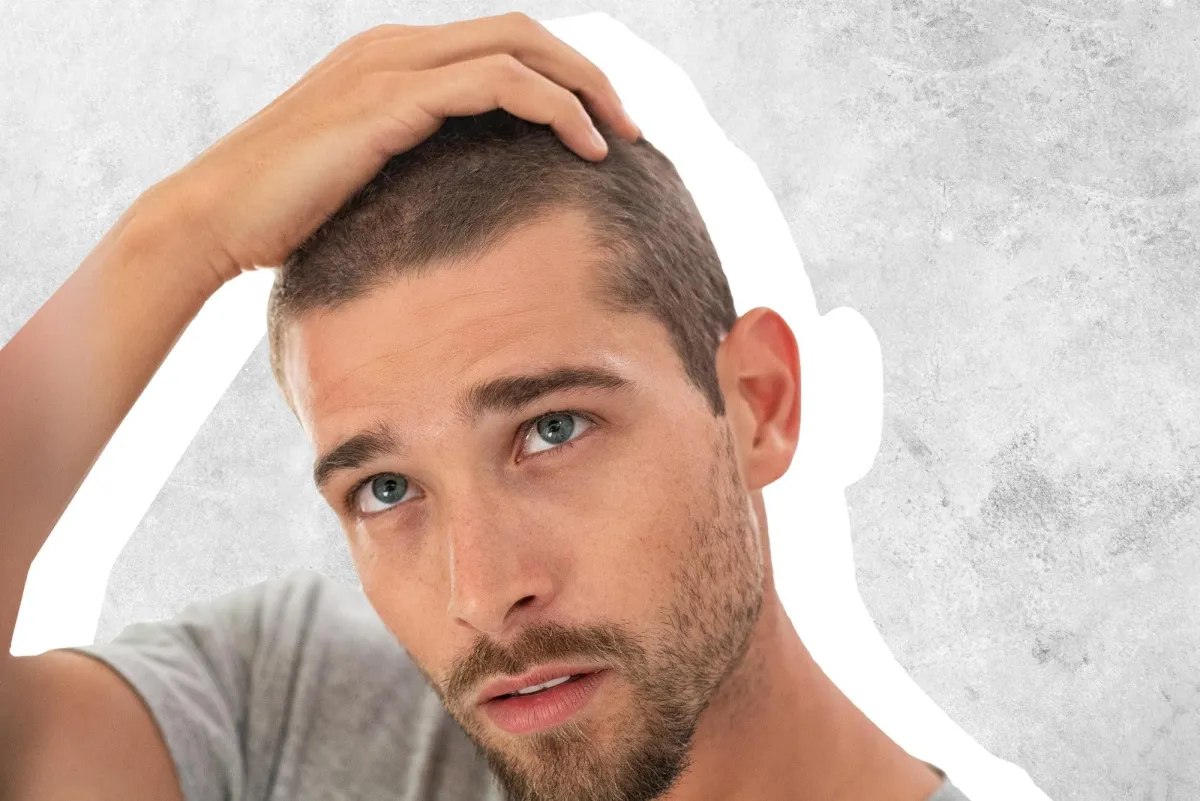
Losing your hair is never a good feeling, most men tend to feel self-conscious about it. Some men decide to completely shave off their heads or constantly wear a hat. One of the most common insecurities men face is hair thinning; for some men, it starts as early as in their 20s. The loss of confidence really starts to affect the way men do their hair and the types of hair cuts they get. Men start to worry about how they will be perceived by friends, family, and colleagues. Hair thinning should not be the cause of self distraughtness, and it should not limit men to have to continuously cover their heads. CADMEN Barbershop has compiled a list of the top 5 best haircuts for men experiencing early hair loss.
How to Do Finger Waves: Barber Technique Guide
How to Do Finger Waves: Barber Technique Guide
Finger waves are a styling technique that creates defined, flowing S-wave patterns in short hair. They are most commonly requested by clients with naturally wavy or loosely coiled hair, and by clients who have had their hair texturized or processed to create a wavier pattern.
The technique requires practice to produce consistent, even waves, but the tool setup is minimal: a medium-hold pomade or wave cream, a hard brush, and a du-rag or wave cap for setting.
Hair Requirements for Finger Waves
Finger waves work best on hair that is:
- Short to medium length: Typically 0.5 to 3 centimetres on top. Longer hair can hold waves but the technique becomes more complex and the waves less defined.
- Fine to medium texture: Dense, kinky textures require more product and more setting time. The wave pattern is possible but harder to achieve the clean, defined look associated with the style.
- Clean and slightly damp: Waves are applied to damp or lightly moisturized hair. Dry hair is more resistant and produces less defined patterns.
Tools and Products
- Wave brush: A hard-bristle brush specifically designed for wave training. The density and angle of the bristles matters. A soft brush will not create enough friction to define the wave pattern.
- Wave cream or pomade: Medium to firm hold, water-based. Avoid heavy oils that do not allow the hair to hold the wave shape. The product should provide hold and moisture without weighing the hair down.
- Du-rag or wave cap: Used to compress the hair after brushing to set the wave pattern. Required for waves to hold after the client leaves the shop.
- Comb (optional): A fine-tooth comb can be used to section the hair before brushing and to define the wave troughs more sharply.
The Wave Brushing Technique
Waves are created by brushing the hair in alternating directions that follow the natural crown pattern of the head.
Understanding the crown: Hair naturally grows outward from the crown in a spiral or whorl pattern. The wave pattern follows this growth direction. On most heads, brushing forward from the crown toward the forehead creates the front waves, and brushing outward and downward from the crown creates the waves on the sides and back.
Step 1: Apply product
Apply a small amount of wave cream or pomade to damp hair. Work it through evenly with your fingers. The hair should be moisturized and slightly tacky but not wet or heavily coated.
Step 2: Start at the crown
Begin brushing from the crown. Brush forward toward the forehead in the direction of hair growth. Apply consistent, firm pressure. Each brush stroke should travel at least 5 to 8 centimetres. Short, choppy strokes create irregular patterns. Long, consistent strokes create defined waves.
Step 3: Work outward from the crown
After establishing the front wave direction, work outward and downward from the crown toward the sides and back. The brushing direction follows the spiral of the crown outward in every direction.
Step 4: Define the wave troughs
Waves are defined by their ridges (the high points) and troughs (the low points). After the initial brushing, use your finger or a comb to press down along the trough lines between waves, reinforcing the shape. This is where the term "finger waves" comes from: using the finger to define the shape between brush strokes.
Step 5: Apply the du-rag
Once the pattern is established, apply the du-rag or wave cap to compress the hair and hold the wave pattern while it dries. The client should keep this on for at least 30 minutes, ideally until the hair is dry.
Maintaining Waves at Home
Clients who want defined waves need to brush consistently at home. The wave pattern is trained into the hair over time through repeated brushing. A client who brushes twice daily with the correct technique will see progressively more defined waves over 4 to 8 weeks.
Key home care advice: brush before bed and put on the du-rag to sleep. The compression overnight helps lock in the pattern. Moisture is important, especially for tighter textures. Dry hair resists wave definition. Recommend a light wave cream or wave activator spray for daily moisturizing.
The Fade and Waves Combination
Most wave clients want a tight skin fade on the sides with the wave pattern preserved on top. The barber's job is to fade the sides without disturbing the wave definition on top. Avoid getting the top section wet during the fade service unless the client specifically wants the waves reset.
CADMEN Training in Mississauga
Mastering texture work including wave techniques requires live client repetition. CADMEN's intensive fade classes focus on building the live-rep volume that makes technique consistent across hair types. Sessions are capped at 3 students with direct correction on every cut.
Fade class: $1,750 + HST (small group) or $1,950 + HST (1-on-1). Book at academy.cadmen.ca/in-person-training.
Frequently Asked Questions
What are finger waves on hair?
Finger waves are defined S-wave patterns created on short to medium natural or processed hair using a wave brush, wave cream, and a du-rag or wave cap to set the pattern. The technique follows the natural crown growth direction and uses finger pressure to define the wave troughs between brush strokes.
What hair type is best for finger waves?
Naturally wavy or loosely coiled hair (type 2 to 3) responds best and produces the most defined waves with the least effort. Tighter textures (type 4) can produce waves but require more product, longer setting time, and consistent daily brushing to maintain definition.
How long does it take to get finger waves?
A single session in a barbershop to establish the pattern and apply the du-rag takes 20 to 30 minutes. The wave pattern is not trained in a single session. It develops over 4 to 8 weeks of consistent daily brushing. After the pattern is established, maintenance is easier.
What products do you use for finger waves?
A medium-hold wave cream or water-based pomade, a hard-bristle wave brush, and a du-rag or wave cap. Avoid heavy oils that prevent the hair from holding the wave shape. Moisture is important for wave definition, especially on tighter textures.
Do you need to relax or process hair for finger waves?
No. Finger waves work on natural hair. Clients with natural type 2 to 4 hair can develop defined wave patterns through consistent brushing technique without any chemical processing. Processing can make waves easier to define on tighter textures, but it is not required.
Related Reading From CADMEN Barber Academy
- 360 Waves: What Barbers Need to Know
- 360 Waves: What They Are and How They're Done
- Waves Haircut: How to Get and Maintain 360 Waves
- 360 Waves for Men: What the Barbershop Does and What You Do at Home
- 360 Waves: What They Are and What the Process Involves
- 360 Waves: What the Haircut Actually Involves

5 Best Haircuts for Men with
Early Hair Thinning
Losing your hair is never a good feeling, most men tend to feel self-conscious about it. Some men decide to completely shave off their heads or constantly wear a hat. One of the most common insecurities men face is hair thinning; for some men, it starts as early as in their 20s. The loss of confidence really starts to affect the way men do their hair and the types of hair cuts they get. Men start to worry about how they will be perceived by friends, family, and colleagues. Hair thinning should not be the cause of self distraughtness, and it should not limit men to have to continuously cover their heads. CADMEN Barbershop has compiled a list of the top 5 best haircuts for men experiencing early hair loss.


For any request, please contact us at info@cadmen.ca