
Barber Tips & Tricks
Follow us for the latest barber techniques and tips
Barber Tips & Tricks
Follow us for the latest barber techniques and tips
Top 7 Reasons Why Your Clients
Aren't Returning
Stay Ahead in the Barbering Game: Nurturing
Lifelong Clientele
You might have come across the saying “give a client a good cut at a reasonable price, and they'll be yours for life.” Unfortunately in reality this is not always the case. That’s where we come in! Check out some of the reasons why your clients may not be returning, whether they were long-term customers or a first-time appointment, below.

Top 7 Reasons Why Your Clients
Aren't Returning
Stay Ahead in the Barbering Game: Nurturing
Lifelong Clientele
You might have come across the saying “give a client a good cut at a reasonable price, and they'll be yours for life.” Unfortunately in reality this is not always the case. That’s where we come in! Check out some of the reasons why your clients may not be returning, whether they were long-term customers or a first-time appointment, below.
Career in Mobile Barbering: Key
Things You Need to Know about
While most barbers work in physical barbershops or hair salons, there are a growing number of barbers who work on-call. What does it mean to be a mobile barber? What are their primary responsibilities? Where to find them? In this blog, we will explain some key terms you should know about mobile barbering and how you can start a new career in it.

Career in Mobile Barbering: Key
Things You Need to Know about
While most barbers work in physical barbershops or hair salons, there are a growing number of barbers who work on-call. What does it mean to be a mobile barber? What are their primary responsibilities? Where to find them? In this blog, we will explain some key terms you should know about mobile barbering and how you can start a new career in it.
Top 4 Ways for Barbers to
Promote Themselves
Marketing is key. Knowing how to market yourself as a barber can be the difference between having 5 to 20 clients a day. If you are interested in boosting the number of your customers and furthering your advertising skills, read the list below with four ways to promote yourself as a barber.

Top 4 Ways for Barbers to
Promote Themselves
Marketing is key. Knowing how to market yourself as a barber can be the difference between having 5 to 20 clients a day. If you are interested in boosting the number of your customers and furthering your advertising skills, read the list below with four ways to promote yourself as a barber.
5 Tips for Social Media Content
Creating as a Barber
It is next to impossible to find someone who is not on social media today. More than just a tool for connection, social media is key helping barbers market themselves and promote their names and skills. If you want to up your barber game quickly, here are five tips on how to promote content online that you don't want to miss out on.

5 Tips for Social Media Content
Creating as a Barber
It is next to impossible to find someone who is not on social media today. More than just a tool for connection, social media is key helping barbers market themselves and promote their names and skills. If you want to up your barber game quickly, here are five tips on how to promote content online that you don't want to miss out on.
5 Best Haircuts for Men with
Early Hair Thinning
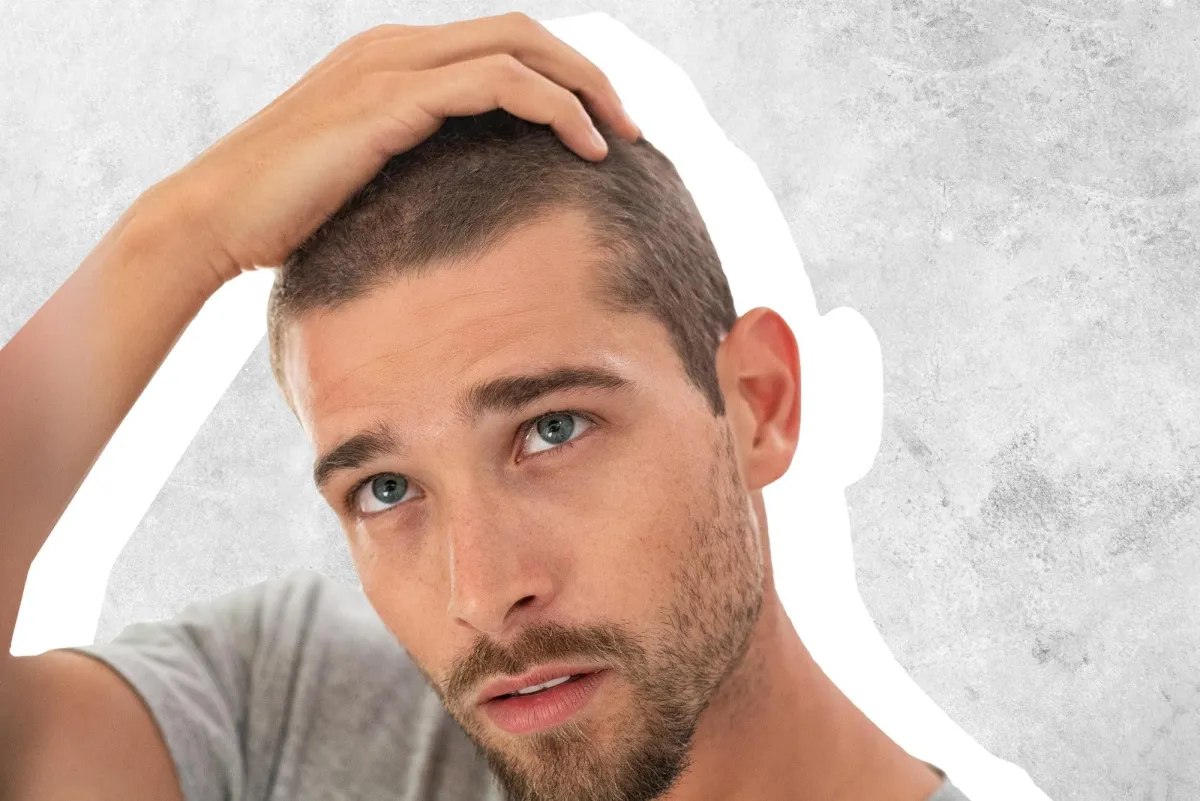
Losing your hair is never a good feeling, most men tend to feel self-conscious about it. Some men decide to completely shave off their heads or constantly wear a hat. One of the most common insecurities men face is hair thinning; for some men, it starts as early as in their 20s. The loss of confidence really starts to affect the way men do their hair and the types of hair cuts they get. Men start to worry about how they will be perceived by friends, family, and colleagues. Hair thinning should not be the cause of self distraughtness, and it should not limit men to have to continuously cover their heads. CADMEN Barbershop has compiled a list of the top 5 best haircuts for men experiencing early hair loss.

Waves Haircut: How to Get and Maintain 360 Waves
Waves Haircut: How to Get and Maintain 360 Waves
360 waves are a textured hairstyle that requires a specific combination of barber work and home maintenance. The waves are not cut into the hair; they are trained into it through brushing and moisture. The barber's role is to maintain the length and shape. The wave pattern develops from consistent daily work done at home.
How Waves Are Formed
The wave pattern forms when coily or tightly curly hair is repeatedly brushed in the same directional pattern while the hair is moisturized and then secured flat (typically under a du-rag or wave cap). The brushing trains the hair to curl in a rippled direction rather than growing outward. With consistent daily brushing over several weeks to months, the curl pattern aligns into the concentric ring (360-degree) wave formation. The process requires hair that has natural curl or coil; straight hair cannot form waves.
The Barber's Role
The barber handles the fade and the lineup. Waves are typically paired with a low to mid fade on the sides and a clean geometric lineup at the hairline (forehead, temples, and sideburns). The barber does not create the waves; they maintain the cut short enough that the wave pattern is visible and the style looks intentional rather than grown-out. A common mistake is cutting the hair too short between wolfing phases, which disrupts the developing wave pattern. Communicate clearly with your barber about whether you are actively wolfing (growing the wave pattern) and what guard length to use on top.
Wolfing
Wolfing is the process of growing the hair out longer than your target wave length while brushing consistently, then cutting it back down to the target length. The longer length allows the wave pattern to deepen and set more firmly. A standard wolf period is 4 to 8 weeks, during which the haircut is not touched except for lineup maintenance. The trade-off is a messier look during the wolf period in exchange for deeper, more defined waves when the cut is taken back down. Many men with established waves skip wolfing and maintain a consistent short length with regular barbershop visits.
Home Maintenance
Daily brushing with a medium to hard boar bristle brush (front to back, then side to side following the directional pattern) while the hair is moisturized. A light wave cream or pomade applied before brushing. A du-rag or wave cap worn during sleep and during sedentary periods to hold the pattern flat while the hair dries. Without consistent home maintenance, the wave pattern loses definition between cuts regardless of how skilled the barber is. The quality of the waves reflects home routine more than barbershop technique.
Frequently Asked Questions
How long does it take to get waves?
For men with naturally coily or tight curly hair (Type 3C to 4C), visible wave formation typically begins at 2 to 6 weeks of consistent brushing. A fully defined 360-degree wave pattern that looks intentional from any angle typically takes 3 to 6 months of consistent maintenance. Men with looser curl patterns (Type 2C to 3B) take longer or may not achieve the tight wave formation possible with tighter curl types. Starting fresh from very short hair adds time compared to training a hair length that already has some curl development.
What guard length do you use for waves?
A 1.5 or 2 guard on top is the most common range for maintaining established waves. This length is short enough to show the wave pattern clearly while leaving enough hair for the curl to form visible ripples. A guard 1 may be too short for the wave to be visible; a guard 3 or higher leaves the hair long enough that the wave pattern may look undefined rather than tight. During wolfing, the top guard is not cut. Ask your barber specifically to avoid cutting the wave pattern if you are in a wolf period and only want the fade and lineup maintained.
Want to learn to cut a haircut for waves yourself? CADMEN Barber Academy teaches cutting hands-on, with an educator beside you. See the barber academy in Mississauga or view in-person classes and send an enquiry.
Watch the free Barbering for Beginners playlist on YouTube.

5 Best Haircuts for Men with
Early Hair Thinning
Losing your hair is never a good feeling, most men tend to feel self-conscious about it. Some men decide to completely shave off their heads or constantly wear a hat. One of the most common insecurities men face is hair thinning; for some men, it starts as early as in their 20s. The loss of confidence really starts to affect the way men do their hair and the types of hair cuts they get. Men start to worry about how they will be perceived by friends, family, and colleagues. Hair thinning should not be the cause of self distraughtness, and it should not limit men to have to continuously cover their heads. CADMEN Barbershop has compiled a list of the top 5 best haircuts for men experiencing early hair loss.


For any request, please contact us at info@cadmen.ca