
Barber Tips & Tricks
Follow us for the latest barber techniques and tips
Barber Tips & Tricks
Follow us for the latest barber techniques and tips
Top 7 Reasons Why Your Clients
Aren't Returning
Stay Ahead in the Barbering Game: Nurturing
Lifelong Clientele
You might have come across the saying “give a client a good cut at a reasonable price, and they'll be yours for life.” Unfortunately in reality this is not always the case. That’s where we come in! Check out some of the reasons why your clients may not be returning, whether they were long-term customers or a first-time appointment, below.

Top 7 Reasons Why Your Clients
Aren't Returning
Stay Ahead in the Barbering Game: Nurturing
Lifelong Clientele
You might have come across the saying “give a client a good cut at a reasonable price, and they'll be yours for life.” Unfortunately in reality this is not always the case. That’s where we come in! Check out some of the reasons why your clients may not be returning, whether they were long-term customers or a first-time appointment, below.
Career in Mobile Barbering: Key
Things You Need to Know about
While most barbers work in physical barbershops or hair salons, there are a growing number of barbers who work on-call. What does it mean to be a mobile barber? What are their primary responsibilities? Where to find them? In this blog, we will explain some key terms you should know about mobile barbering and how you can start a new career in it.

Career in Mobile Barbering: Key
Things You Need to Know about
While most barbers work in physical barbershops or hair salons, there are a growing number of barbers who work on-call. What does it mean to be a mobile barber? What are their primary responsibilities? Where to find them? In this blog, we will explain some key terms you should know about mobile barbering and how you can start a new career in it.
Top 4 Ways for Barbers to
Promote Themselves
Marketing is key. Knowing how to market yourself as a barber can be the difference between having 5 to 20 clients a day. If you are interested in boosting the number of your customers and furthering your advertising skills, read the list below with four ways to promote yourself as a barber.

Top 4 Ways for Barbers to
Promote Themselves
Marketing is key. Knowing how to market yourself as a barber can be the difference between having 5 to 20 clients a day. If you are interested in boosting the number of your customers and furthering your advertising skills, read the list below with four ways to promote yourself as a barber.
5 Tips for Social Media Content
Creating as a Barber
It is next to impossible to find someone who is not on social media today. More than just a tool for connection, social media is key helping barbers market themselves and promote their names and skills. If you want to up your barber game quickly, here are five tips on how to promote content online that you don't want to miss out on.

5 Tips for Social Media Content
Creating as a Barber
It is next to impossible to find someone who is not on social media today. More than just a tool for connection, social media is key helping barbers market themselves and promote their names and skills. If you want to up your barber game quickly, here are five tips on how to promote content online that you don't want to miss out on.
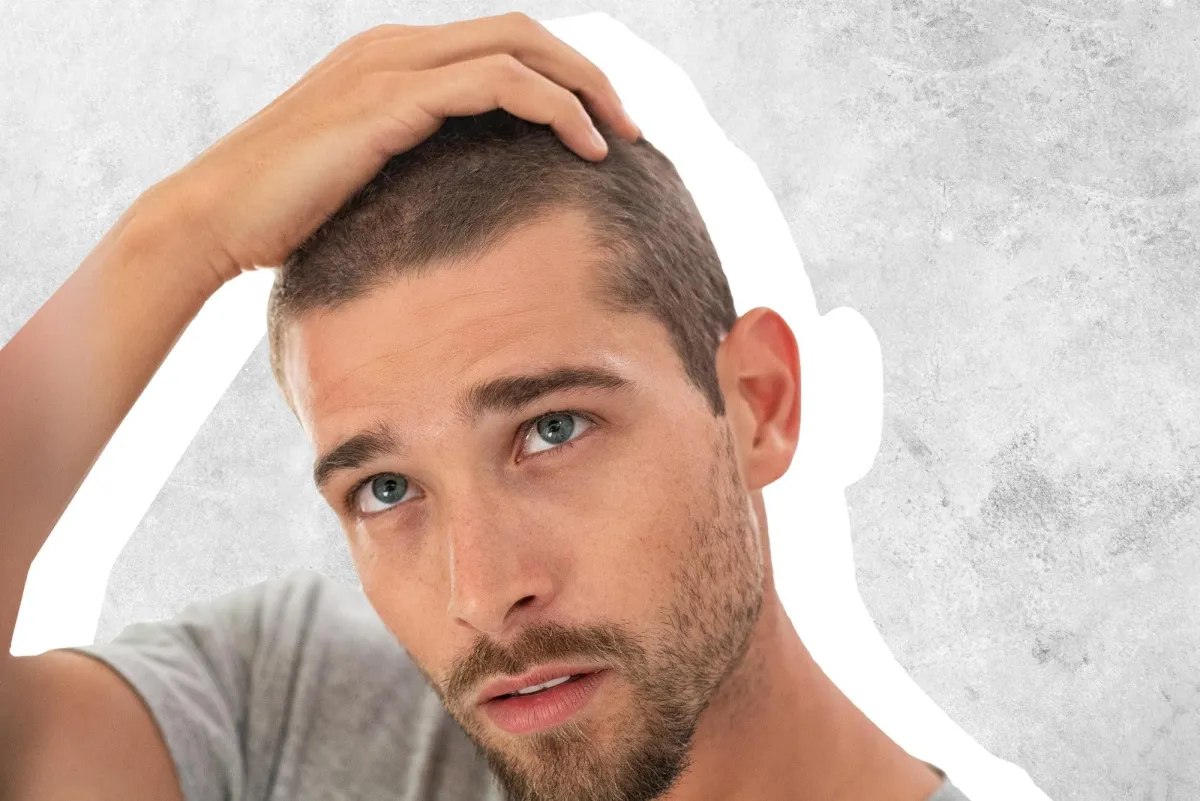
5 Best Haircuts for Men with
Early Hair Thinning
Losing your hair is never a good feeling, most men tend to feel self-conscious about it. Some men decide to completely shave off their heads or constantly wear a hat. One of the most common insecurities men face is hair thinning; for some men, it starts as early as in their 20s. The loss of confidence really starts to affect the way men do their hair and the types of hair cuts they get. Men start to worry about how they will be perceived by friends, family, and colleagues. Hair thinning should not be the cause of self distraughtness, and it should not limit men to have to continuously cover their heads. CADMEN Barbershop has compiled a list of the top 5 best haircuts for men experiencing early hair loss.
What to Say at the Barber: Exact Phrases That Work
What to Say at the Barber: Exact Phrases That Work
Most communication failures at the barbershop happen because clients describe what they want in vague terms and barbers interpret those terms differently. Specific language produces specific results. Here are the phrases that actually work.
Describing Length
Guard numbers are the most precise length description available. A "2 on the sides" means a number 2 guard (1/4 inch). A "3 on top" means a number 3 guard (3/8 inch). Guard numbers remove ambiguity. "Short on the sides" means different things to different people; "a 1 on the sides" means the same thing to every barber. If you do not know the guard number you want, say "the same length as last time" (if you are a returning client) or bring a reference photo. The phrase "a little shorter than [reference]" works when the reference is a number; "a little shorter" without a reference is difficult to execute accurately.
Describing the Fade
Specify the height (low, mid, high) and the base (skin/bald, zero, or a specific short guard). "Low fade to skin" tells the barber: start the graduation at a low position (just above the ear) and take it down to bare skin. "Mid fade with a 1 guard at the base" tells them: start mid-height, base at a 1 guard (not to skin). "High fade" without specifying the base usually implies a close finish but not necessarily skin; specify if skin is what you want. Adding "blended" or "clean line" tells them the transition style: blended means no visible line at the top of the fade, clean line means a defined edge where the fade meets the longer hair.
Describing the Top
"Leave 2 inches on top" is clear. "Textured on top" tells them to cut with texture (point cutting or razor work) rather than a blunt scissor cut. "Scissor-only on top" tells them not to use clippers on the top section. "Keep the length, just clean it up" tells them: minimal removal from the top, just trim for shape and health. If you have a specific style in mind for the top (quiff, pushed back, side-parted), name it or show a reference photo; style intent helps the barber cut in a way that supports how the hair will be worn.
Describing the Neckline
"Blocked neckline" means a straight horizontal line. "Tapered neckline" or "natural taper" means follow the natural hairline. "Rounded neckline" means a curved U-shape. If you have a preference, state it; if not, the barber's default (usually a natural taper) is a safe option.
Frequently Asked Questions
What if I do not know the guard numbers I want?
Show a reference photo. A photo communicates length, fade height, and top style simultaneously without requiring you to know guard numbers. After the barber executes it, ask what guards they used; noting these for next time builds your vocabulary over a few visits. Alternatively, describe relative to a recent cut: "a little shorter than last time on the sides" (if you are a returning client) or "similar to this photo but slightly shorter on top." Building vocabulary with a regular barber is a natural process; you do not need the full vocabulary before your first visit.
How do I ask for a specific haircut style I have seen?
Name it and show a photo: "I want a textured crop with a mid fade, here is a reference." Most barbershop style names (textured crop, Edgar cut, Caesar cut, taper fade, quiff) are standard vocabulary that any professional barber will recognize. The photo clarifies the specific version you want within the style name. Style names alone can still cover significant variation in length and fade height; the photo removes the remaining ambiguity.
Is it rude to correct the barber mid-cut?
No. Saying "that is shorter than I wanted on the sides" while the barber is cutting is not rude; it is useful information. A barber who wants to give you a good result will prefer the feedback mid-cut when adjustments are still possible over a client who says nothing and leaves unhappy. Be specific: "the sides are going shorter than I wanted" is more actionable than "I am not sure about this." Being direct and calm is the right register; there is no need to apologize for stating your preference.
Related Reading From CADMEN Barber Academy
- First Visit to a New Barbershop: Exactly What to Say
- How to Find a Good Barber: What to Look For
- Barber vs. Hairstylist: Key Differences Explained
- Signs It Is Time to Find a New Barber
- How to Choose a Barber in Toronto for the Best Fade
- How to Choose a Barber: What to Look For
- Barbering Topics Index: Every Guide by Subject

5 Best Haircuts for Men with
Early Hair Thinning
Losing your hair is never a good feeling, most men tend to feel self-conscious about it. Some men decide to completely shave off their heads or constantly wear a hat. One of the most common insecurities men face is hair thinning; for some men, it starts as early as in their 20s. The loss of confidence really starts to affect the way men do their hair and the types of hair cuts they get. Men start to worry about how they will be perceived by friends, family, and colleagues. Hair thinning should not be the cause of self distraughtness, and it should not limit men to have to continuously cover their heads. CADMEN Barbershop has compiled a list of the top 5 best haircuts for men experiencing early hair loss.


For any request, please contact us at info@cadmen.ca