
Barber Tips & Tricks
Follow us for the latest barber techniques and tips
Barber Tips & Tricks
Follow us for the latest barber techniques and tips
Top 7 Reasons Why Your Clients
Aren't Returning
Stay Ahead in the Barbering Game: Nurturing
Lifelong Clientele
You might have come across the saying “give a client a good cut at a reasonable price, and they'll be yours for life.” Unfortunately in reality this is not always the case. That’s where we come in! Check out some of the reasons why your clients may not be returning, whether they were long-term customers or a first-time appointment, below.

Top 7 Reasons Why Your Clients
Aren't Returning
Stay Ahead in the Barbering Game: Nurturing
Lifelong Clientele
You might have come across the saying “give a client a good cut at a reasonable price, and they'll be yours for life.” Unfortunately in reality this is not always the case. That’s where we come in! Check out some of the reasons why your clients may not be returning, whether they were long-term customers or a first-time appointment, below.
Career in Mobile Barbering: Key
Things You Need to Know about
While most barbers work in physical barbershops or hair salons, there are a growing number of barbers who work on-call. What does it mean to be a mobile barber? What are their primary responsibilities? Where to find them? In this blog, we will explain some key terms you should know about mobile barbering and how you can start a new career in it.

Career in Mobile Barbering: Key
Things You Need to Know about
While most barbers work in physical barbershops or hair salons, there are a growing number of barbers who work on-call. What does it mean to be a mobile barber? What are their primary responsibilities? Where to find them? In this blog, we will explain some key terms you should know about mobile barbering and how you can start a new career in it.
Top 4 Ways for Barbers to
Promote Themselves
Marketing is key. Knowing how to market yourself as a barber can be the difference between having 5 to 20 clients a day. If you are interested in boosting the number of your customers and furthering your advertising skills, read the list below with four ways to promote yourself as a barber.

Top 4 Ways for Barbers to
Promote Themselves
Marketing is key. Knowing how to market yourself as a barber can be the difference between having 5 to 20 clients a day. If you are interested in boosting the number of your customers and furthering your advertising skills, read the list below with four ways to promote yourself as a barber.
5 Tips for Social Media Content
Creating as a Barber
It is next to impossible to find someone who is not on social media today. More than just a tool for connection, social media is key helping barbers market themselves and promote their names and skills. If you want to up your barber game quickly, here are five tips on how to promote content online that you don't want to miss out on.

5 Tips for Social Media Content
Creating as a Barber
It is next to impossible to find someone who is not on social media today. More than just a tool for connection, social media is key helping barbers market themselves and promote their names and skills. If you want to up your barber game quickly, here are five tips on how to promote content online that you don't want to miss out on.
5 Best Haircuts for Men with
Early Hair Thinning
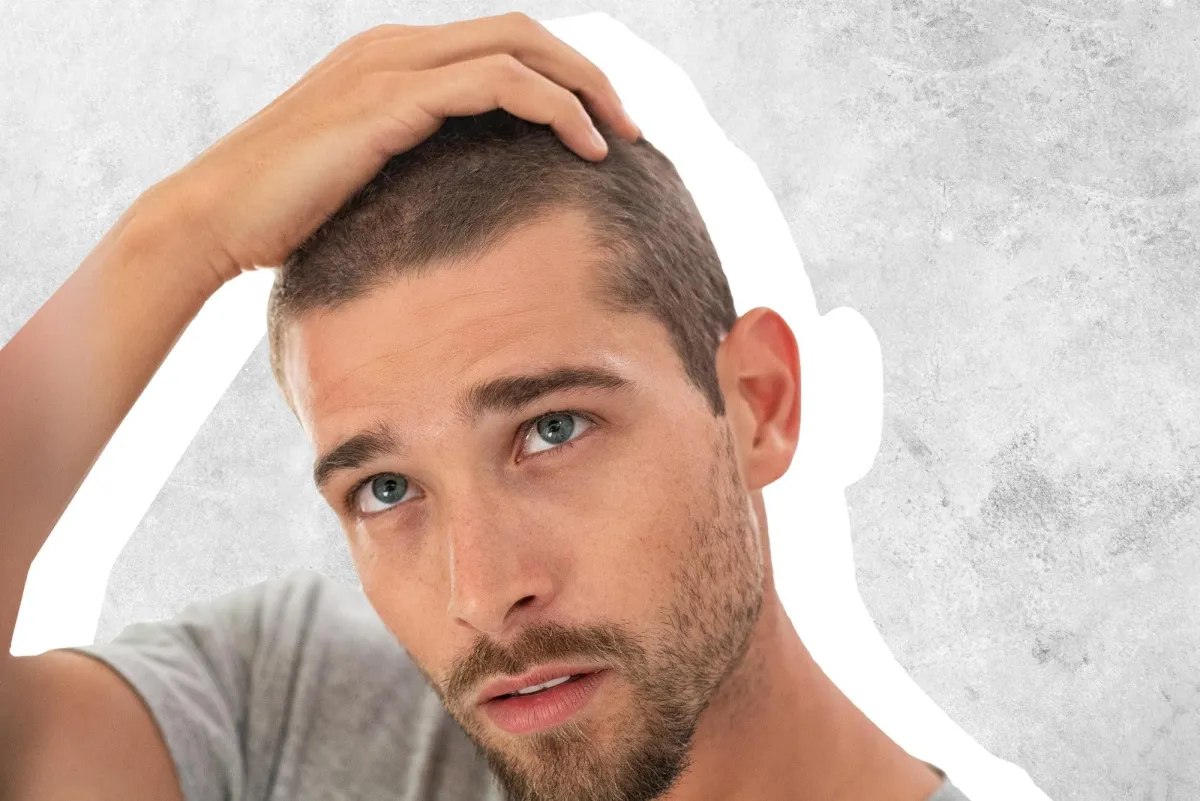
Losing your hair is never a good feeling, most men tend to feel self-conscious about it. Some men decide to completely shave off their heads or constantly wear a hat. One of the most common insecurities men face is hair thinning; for some men, it starts as early as in their 20s. The loss of confidence really starts to affect the way men do their hair and the types of hair cuts they get. Men start to worry about how they will be perceived by friends, family, and colleagues. Hair thinning should not be the cause of self distraughtness, and it should not limit men to have to continuously cover their heads. CADMEN Barbershop has compiled a list of the top 5 best haircuts for men experiencing early hair loss.

The Ivy League Haircut: What It Is and Why It Stays Relevant
The Ivy League Haircut: What It Is and Why It Stays Relevant
The Ivy League haircut has been a standard in men's barbering for over 70 years. It remains one of the most reliable haircuts for professional environments and formal occasions. Here is what it involves and why it continues to work.
The Structure
The Ivy League is a variation of the crew cut with enough length on top to allow a side part and some styling. The sides and back are tapered or faded (traditionally tapered in the classic version), and the top section is cut to approximately 1.5 to 2.5 inches, long enough to comb and part but short enough to maintain a clean, low-profile appearance. The front hairline is kept crisp and the neckline is tapered cleanly.
The defining characteristic is the combination of a clean taper on the sides and back with just enough length on top for a defined side part. This creates a structured, deliberate appearance without the volume or complexity of longer styles.
How It Differs from a Crew Cut
A crew cut typically has slightly shorter length on top and does not require or emphasize a visible part. The Ivy League is essentially a longer crew cut where the additional top length enables the side part that defines the look. The Ivy League leans toward classic men's formal grooming; the crew cut is slightly more casual and utilitarian. The two styles share the same side taper structure; the difference is the top length and styling approach.
Why It Works
The Ivy League works across almost all face shapes because the proportions are designed to be balanced rather than dramatic. The moderate top length adds visual height without excess volume. The clean sides and back keep the profile controlled. The side part adds structure without formality that would be inappropriate in casual contexts. It is one of the few haircuts that reads equally appropriately at a job interview, a wedding, and a weekend dinner without modification.
Maintenance
Every 3 to 4 weeks for a full cut. The taper on the sides and back grows out within this window but not to the point of looking uncontrolled. The top section maintains styling capability throughout the cycle. Daily maintenance requires a small amount of product (light hold cream, paste, or pomade) and a comb to establish the part. It takes under 2 minutes.
Frequently Asked Questions
Is the Ivy League and the Princeton the same haircut?
Essentially yes. The Princeton is another name for the same haircut, named after the same era of American college culture. The terms are interchangeable in most barbershops. If you use either term, you will typically receive the same haircut structure: tapered sides and back, medium-short top with a side part. A reference photo removes any ambiguity.
Does the Ivy League work for older men?
Yes, consistently. The Ivy League was designed for men in professional environments and has no age upper limit. For older men with thinning hair at the crown, the short length on top reduces the contrast between thinning and full areas and generally looks cleaner than medium-to-long styles that make thinning more visible. The classic structure of the Ivy League also tends to look better with grey or salt-and-pepper hair than many contemporary styles.
What products does the Ivy League require?
At its simplest: a light hold cream, pomade, or paste and a comb. A matte or low-shine product keeps the style looking natural rather than slick. A high-shine pomade creates a more formal, classic 1950s aesthetic that may or may not suit the overall look you want. For the most effortless version of the Ivy League, a small amount of product worked through the top section and a quick comb is sufficient.
Can the Ivy League work with a fade instead of a taper?
Yes. The contemporary Ivy League often incorporates a low or mid fade on the sides rather than a traditional taper. This updates the silhouette while keeping the classic top section intact. The faded version is slightly more contemporary and high-contrast than the tapered original. Both work; the choice depends on whether you want the classic or the updated aesthetic.
Related Reading From CADMEN Barber Academy
- The Ivy League Haircut: What It Is and How It Differs From a Crew Cut
- The Ivy League Haircut: Professional and Easy to Wear
- The Ivy League Cut: What It Is, Who It Works For, and How to Ask for It
- Ivy League Haircut for Men: What It Is and How to Get It
- The Ivy League Haircut: Classic, Versatile, and Still Relevant
- The Ivy League Haircut: What It Is and When to Wear It
Want to learn to cut an Ivy League cut yourself? CADMEN Barber Academy teaches cutting hands-on, with an educator beside you. See the barber academy in Mississauga or view in-person classes and send an enquiry.
Watch the free Barbering for Beginners playlist on YouTube.

5 Best Haircuts for Men with
Early Hair Thinning
Losing your hair is never a good feeling, most men tend to feel self-conscious about it. Some men decide to completely shave off their heads or constantly wear a hat. One of the most common insecurities men face is hair thinning; for some men, it starts as early as in their 20s. The loss of confidence really starts to affect the way men do their hair and the types of hair cuts they get. Men start to worry about how they will be perceived by friends, family, and colleagues. Hair thinning should not be the cause of self distraughtness, and it should not limit men to have to continuously cover their heads. CADMEN Barbershop has compiled a list of the top 5 best haircuts for men experiencing early hair loss.


For any request, please contact us at info@cadmen.ca