
Barber Tips & Tricks
Follow us for the latest barber techniques and tips
Barber Tips & Tricks
Follow us for the latest barber techniques and tips
Top 7 Reasons Why Your Clients
Aren't Returning
Stay Ahead in the Barbering Game: Nurturing
Lifelong Clientele
You might have come across the saying “give a client a good cut at a reasonable price, and they'll be yours for life.” Unfortunately in reality this is not always the case. That’s where we come in! Check out some of the reasons why your clients may not be returning, whether they were long-term customers or a first-time appointment, below.

Top 7 Reasons Why Your Clients
Aren't Returning
Stay Ahead in the Barbering Game: Nurturing
Lifelong Clientele
You might have come across the saying “give a client a good cut at a reasonable price, and they'll be yours for life.” Unfortunately in reality this is not always the case. That’s where we come in! Check out some of the reasons why your clients may not be returning, whether they were long-term customers or a first-time appointment, below.
Career in Mobile Barbering: Key
Things You Need to Know about
While most barbers work in physical barbershops or hair salons, there are a growing number of barbers who work on-call. What does it mean to be a mobile barber? What are their primary responsibilities? Where to find them? In this blog, we will explain some key terms you should know about mobile barbering and how you can start a new career in it.

Career in Mobile Barbering: Key
Things You Need to Know about
While most barbers work in physical barbershops or hair salons, there are a growing number of barbers who work on-call. What does it mean to be a mobile barber? What are their primary responsibilities? Where to find them? In this blog, we will explain some key terms you should know about mobile barbering and how you can start a new career in it.
Top 4 Ways for Barbers to
Promote Themselves
Marketing is key. Knowing how to market yourself as a barber can be the difference between having 5 to 20 clients a day. If you are interested in boosting the number of your customers and furthering your advertising skills, read the list below with four ways to promote yourself as a barber.

Top 4 Ways for Barbers to
Promote Themselves
Marketing is key. Knowing how to market yourself as a barber can be the difference between having 5 to 20 clients a day. If you are interested in boosting the number of your customers and furthering your advertising skills, read the list below with four ways to promote yourself as a barber.
5 Tips for Social Media Content
Creating as a Barber
It is next to impossible to find someone who is not on social media today. More than just a tool for connection, social media is key helping barbers market themselves and promote their names and skills. If you want to up your barber game quickly, here are five tips on how to promote content online that you don't want to miss out on.

5 Tips for Social Media Content
Creating as a Barber
It is next to impossible to find someone who is not on social media today. More than just a tool for connection, social media is key helping barbers market themselves and promote their names and skills. If you want to up your barber game quickly, here are five tips on how to promote content online that you don't want to miss out on.
5 Best Haircuts for Men with
Early Hair Thinning
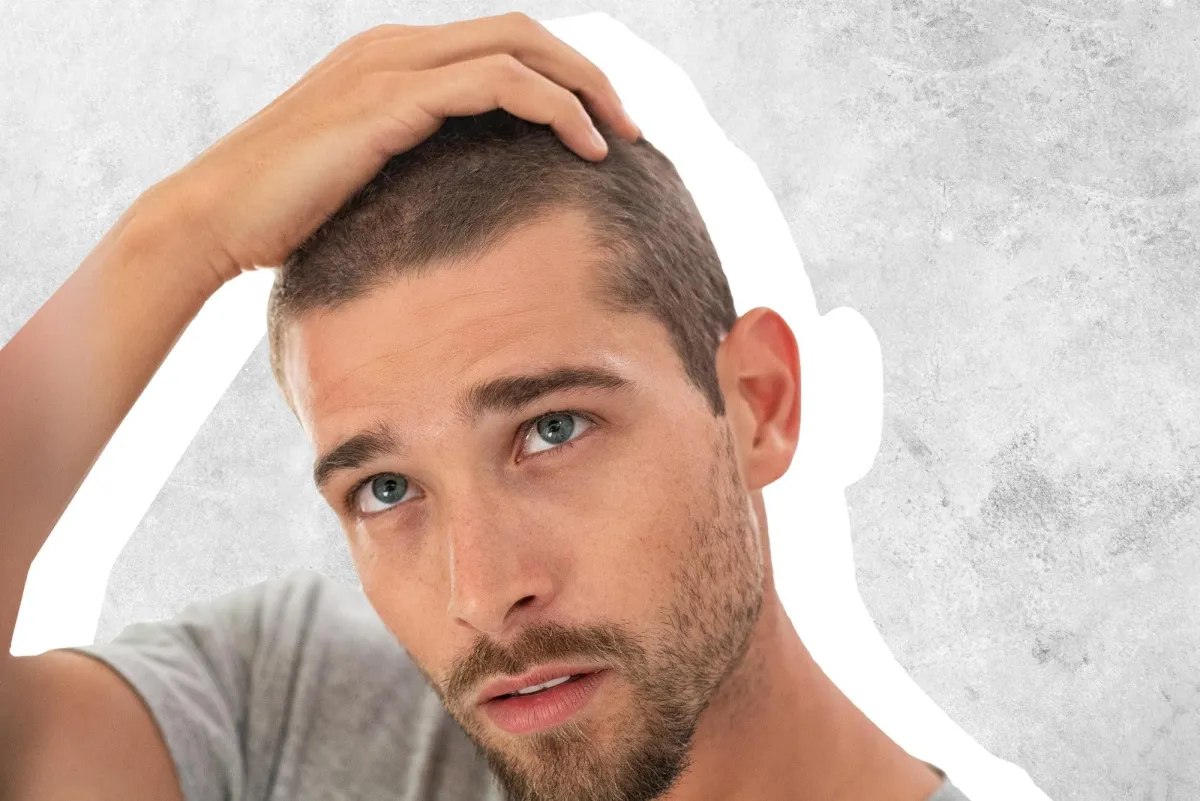
Losing your hair is never a good feeling, most men tend to feel self-conscious about it. Some men decide to completely shave off their heads or constantly wear a hat. One of the most common insecurities men face is hair thinning; for some men, it starts as early as in their 20s. The loss of confidence really starts to affect the way men do their hair and the types of hair cuts they get. Men start to worry about how they will be perceived by friends, family, and colleagues. Hair thinning should not be the cause of self distraughtness, and it should not limit men to have to continuously cover their heads. CADMEN Barbershop has compiled a list of the top 5 best haircuts for men experiencing early hair loss.
How to Identify Your Hair Type and Why It Matters for Products
How to Identify Your Hair Type and Why It Matters for Products
Most men buy grooming products based on brand or price, not based on their actual hair type. The result is products that do not perform or perform inconsistently. Understanding your hair type takes five minutes and affects every product and styling decision you make afterward. Here is how to do it.
The Two Dimensions of Hair Type
Hair type has two separate dimensions that are often confused: texture and curl pattern. Both affect product selection, but in different ways.
Texture refers to the diameter of the individual hair strand. Fine hair has a narrow diameter and feels soft and lightweight. Medium hair falls between extremes. Coarse hair has a wide diameter and feels thick and wiry. You can check your texture by holding a single strand up to a light source. A strand that is barely visible is fine. A strand you can see clearly and feel between your fingers is coarse.
Curl pattern refers to the shape the hair takes as it grows. The widely used classification system runs from Type 1 (straight) through Type 4 (tightly coiled). Type 2 covers wavy hair in three sub-categories. Type 3 covers curly hair. Type 4 covers coily and kinky hair. Most men are one or two types across their head, with the nape and sides sometimes curling tighter than the crown.
How to Determine Your Curl Pattern
Wash your hair, let it air dry with no product, and observe the result. Straight hair: dries flat with no wave. Wavy hair: dries with an S-shaped wave, ranging from slight to pronounced. Curly hair: dries with defined loops or spirals. Coily or kinky hair: dries with very tight coils that shrink significantly from the wet length.
Do not judge your curl pattern on hair that has been heat styled, chemically processed, or has significant product buildup. These factors alter the natural pattern and will give you an inaccurate reading.
Why Texture Affects Product Choice
Fine hair cannot handle heavy products. Pomades with a thick, oil-based formula weigh fine hair down and make it look greasy within hours. Fine hair needs lightweight products: a light clay, a volumizing mousse, or a water-based pomade with a medium consistency. The goal with fine hair is hold without weight.
Coarse hair needs more product and stronger hold. A light clay will not control coarse hair effectively. Oil-based pomade, strong-hold clay, or a styling cream with a thicker consistency works better. Coarse hair also benefits from conditioner before any styling, which softens the texture and makes it easier to manage.
Medium texture hair is the most forgiving. Most products work, and the main variable is the desired finish and hold level rather than the formula weight.
Why Curl Pattern Affects Product Choice
Straight hair (Type 1) responds to almost all styling products predictably. The main variable is hold level and shine.
Wavy hair (Type 2) benefits from products that enhance the natural wave without making it frizzy. Lightweight leave-in conditioners and sea salt sprays bring out the wave pattern. Heavy products flatten it.
Curly hair (Type 3) needs moisture above all else. Curl creams, leave-in conditioners, and gels designed for curly hair define the pattern while preventing frizz. Products with drying alcohols high on the ingredient list are the enemy of curly hair.
Coily and kinky hair (Type 4) needs the most moisture and the most product to manage. The LOC method (liquid, oil, cream in layers) is the standard approach. Single products rarely provide enough moisture and hold simultaneously.
Combining Texture and Curl Pattern
A man with fine, straight hair needs completely different products than a man with coarse, straight hair. Both are straight, but the texture variable changes everything. Similarly, a man with fine, curly hair needs lighter products than a man with coarse, curly hair, even though both are curly.
When choosing a product, identify both variables before deciding. The correct product for your specific combination exists, but most marketing does not make this distinction clear.
Frequently Asked Questions
Can my hair type change over time?
Yes. Hair texture and curl pattern can change with age, hormonal shifts, pregnancy, certain medications, and significant changes in diet or health. Reassess your hair type if your hair suddenly behaves differently than it did for years.
What if my hair is different types in different areas?
This is common. The nape often has a tighter curl pattern than the top. Use the dominant type for your primary product selection and adjust the approach for the areas that behave differently.
Does hair type affect how often I should wash my hair?
Yes. Fine hair tends to look oily faster because the scalp oil reaches the ends of short strands more quickly. Coily and kinky hair can go longer without washing because the oil has a long, curved path to travel. Curly hair falls between the two.
My barber recommended a specific product. Should I follow that advice?
Generally yes. A barber who works with your hair regularly has direct experience with its behavior. Take their recommendation seriously, but check the product formula against your hair type to confirm it makes sense.
Do the hair type numbers matter for barbershop cuts?
For the cut itself, what matters most to the barber is the texture. Fine hair cuts differently than coarse hair, and wavy or curly hair needs different technique than straight hair. The curl pattern number is more relevant for your home care routine than for the cut itself.
Related Reading From CADMEN Barber Academy
- Cutting Type 3 Curly Hair: What Barbers Need to Know
- Men's Hair Types: What They Are and Why They Matter for Haircuts
- Men's Hair Type Chart Explained: Types 1 Through 4
- Men's Hair Types Explained: How to Work With What You Have
- Men's Hair Types Explained: Straight, Wavy, Curly, Coily
- Cutting Coily Hair: The Techniques That Work and the Mistakes That Damage the Pattern

5 Best Haircuts for Men with
Early Hair Thinning
Losing your hair is never a good feeling, most men tend to feel self-conscious about it. Some men decide to completely shave off their heads or constantly wear a hat. One of the most common insecurities men face is hair thinning; for some men, it starts as early as in their 20s. The loss of confidence really starts to affect the way men do their hair and the types of hair cuts they get. Men start to worry about how they will be perceived by friends, family, and colleagues. Hair thinning should not be the cause of self distraughtness, and it should not limit men to have to continuously cover their heads. CADMEN Barbershop has compiled a list of the top 5 best haircuts for men experiencing early hair loss.


For any request, please contact us at info@cadmen.ca