
Barber Tips & Tricks
Follow us for the latest barber techniques and tips
Barber Tips & Tricks
Follow us for the latest barber techniques and tips
Top 7 Reasons Why Your Clients
Aren't Returning
Stay Ahead in the Barbering Game: Nurturing
Lifelong Clientele
You might have come across the saying “give a client a good cut at a reasonable price, and they'll be yours for life.” Unfortunately in reality this is not always the case. That’s where we come in! Check out some of the reasons why your clients may not be returning, whether they were long-term customers or a first-time appointment, below.

Top 7 Reasons Why Your Clients
Aren't Returning
Stay Ahead in the Barbering Game: Nurturing
Lifelong Clientele
You might have come across the saying “give a client a good cut at a reasonable price, and they'll be yours for life.” Unfortunately in reality this is not always the case. That’s where we come in! Check out some of the reasons why your clients may not be returning, whether they were long-term customers or a first-time appointment, below.
Career in Mobile Barbering: Key
Things You Need to Know about
While most barbers work in physical barbershops or hair salons, there are a growing number of barbers who work on-call. What does it mean to be a mobile barber? What are their primary responsibilities? Where to find them? In this blog, we will explain some key terms you should know about mobile barbering and how you can start a new career in it.

Career in Mobile Barbering: Key
Things You Need to Know about
While most barbers work in physical barbershops or hair salons, there are a growing number of barbers who work on-call. What does it mean to be a mobile barber? What are their primary responsibilities? Where to find them? In this blog, we will explain some key terms you should know about mobile barbering and how you can start a new career in it.
Top 4 Ways for Barbers to
Promote Themselves
Marketing is key. Knowing how to market yourself as a barber can be the difference between having 5 to 20 clients a day. If you are interested in boosting the number of your customers and furthering your advertising skills, read the list below with four ways to promote yourself as a barber.

Top 4 Ways for Barbers to
Promote Themselves
Marketing is key. Knowing how to market yourself as a barber can be the difference between having 5 to 20 clients a day. If you are interested in boosting the number of your customers and furthering your advertising skills, read the list below with four ways to promote yourself as a barber.
5 Tips for Social Media Content
Creating as a Barber
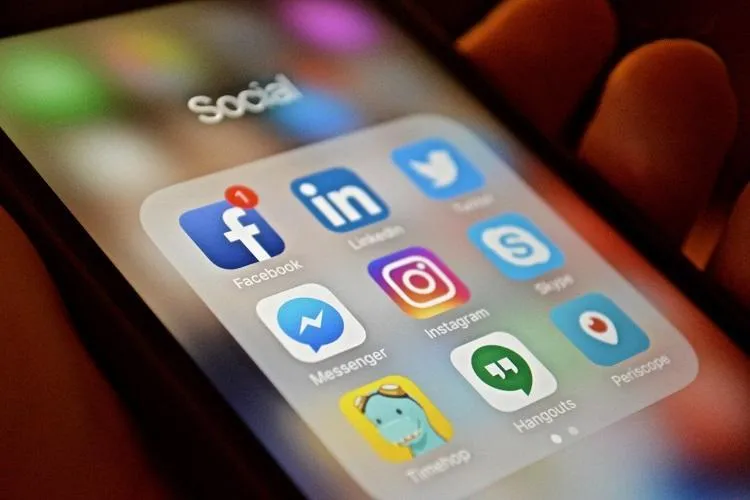
It is next to impossible to find someone who is not on social media today. More than just a tool for connection, social media is key helping barbers market themselves and promote their names and skills. If you want to up your barber game quickly, here are five tips on how to promote content online that you don't want to miss out on.
5 Tips for Social Media Content
Creating as a Barber
It is next to impossible to find someone who is not on social media today. More than just a tool for connection, social media is key helping barbers market themselves and promote their names and skills. If you want to up your barber game quickly, here are five tips on how to promote content online that you don't want to miss out on.
5 Best Haircuts for Men with
Early Hair Thinning
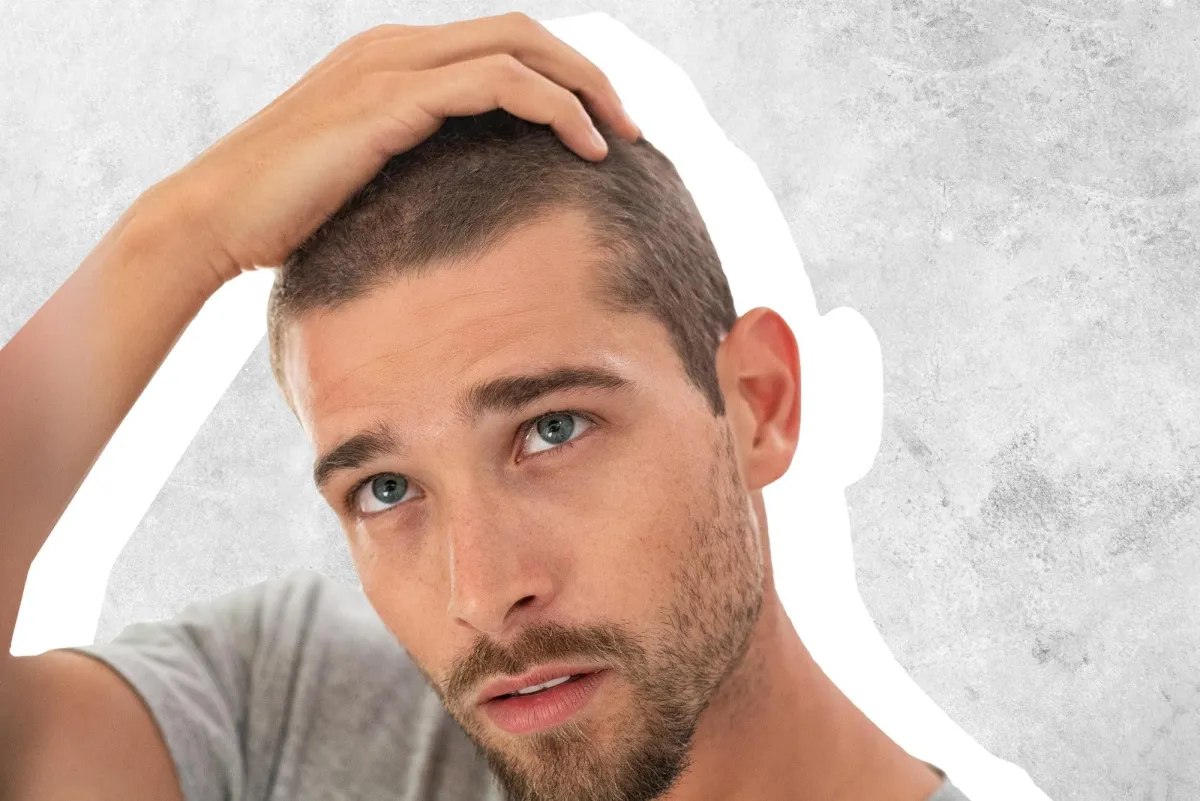
Losing your hair is never a good feeling, most men tend to feel self-conscious about it. Some men decide to completely shave off their heads or constantly wear a hat. One of the most common insecurities men face is hair thinning; for some men, it starts as early as in their 20s. The loss of confidence really starts to affect the way men do their hair and the types of hair cuts they get. Men start to worry about how they will be perceived by friends, family, and colleagues. Hair thinning should not be the cause of self distraughtness, and it should not limit men to have to continuously cover their heads. CADMEN Barbershop has compiled a list of the top 5 best haircuts for men experiencing early hair loss.
How Much to Tip Your Barber: What Is Standard
How Much to Tip Your Barber: What Is Standard
Tipping at the barbershop is expected in North America. The amount and when it is expected is less uniform. Understanding the norm and the reasoning behind it makes the decision straightforward rather than guesswork at the checkout counter.
The Standard Range
15 to 20 percent is the standard tip range for a barbershop visit in Canada and the United States. This mirrors the restaurant tipping standard and has become the broadly understood expectation in most professional barbershops.
On a $40 haircut, 15 to 20 percent is $6 to $8. On a $60 combined haircut and shave, it is $9 to $12. These amounts are the expected norm for satisfactory service, not an above-and-beyond recognition.
When to Tip More
20 to 25 percent (or a flat amount above the percentage) is appropriate for: a significantly complex service that took longer than typical, exceptional work on a challenging haircut or style, a barber who went out of their way to fit you in on short notice or stay late, or a long-term barber who has maintained your hair consistently for years. A holiday tip (additional gratuity at the end of the year) is common for clients with regular barbers in the same range.
When You Are Not Obligated to Tip
If the service was genuinely unsatisfactory, significantly different from what you requested, poorly executed, a tip is not obligatory. Most clients in this situation still tip a reduced amount (10 percent) and address the service quality separately with the shop. Walking out without tipping after a service you requested and received, regardless of quality concerns, is uncommon in barbershop culture and will typically not go unnoticed.
Owner-Operated Barbershops
There is a long-standing convention that you do not tip the shop owner because they earn the full service price. This convention is outdated in the current barbershop landscape where most "owners" are barber-owners earning service revenue comparable to employed barbers. Tip the barber who cut your hair regardless of their ownership status unless they specifically decline.
CADMEN Training
Understanding the full client-barber relationship is part of what CADMEN's barbering program covers. academy.cadmen.ca/in-person-training.
Frequently Asked Questions
How much should you tip your barber?
The standard tip at a barbershop in Canada and the United States is 15 to 20 percent of the service cost. This is the broadly understood norm in the service industry and aligns with tipping expectations at restaurants and other personal services. On a $40 haircut, this is $6 to $8. On a $50 cut, $7.50 to $10. On a $30 cut, $4.50 to $6. Tipping below 10 percent is generally interpreted as a signal that the client was dissatisfied with the service rather than a budget limitation. If cost is a constraint, a flat $5 on any haircut is broadly acceptable and will be appreciated. If the service was excellent, complex, or the barber made a particular effort (squeezing you in, staying late, doing an unusually complex cut), tipping above 20 percent is a meaningful recognition. There is no ceiling to an appropriate tip for genuinely exceptional service, flat dollar amounts above the 20 percent threshold are common for long-term barber relationships around the holidays or for major events like weddings where the stakes of the haircut are higher.
Is it rude not to tip your barber?
In North American barbershop culture, yes, not tipping after a service you received is generally interpreted as a signal of dissatisfaction, not simply a choice. Barbers at most barbershops are paid on commission (a percentage of each service, typically 40 to 60 percent of the service price) or a wage that is calibrated with the expectation that tip income supplements it. A tip is not an optional bonus, it is part of the expected compensation structure in the service industry in North America. There are exceptions: if the service was genuinely wrong or substandard in a way you can describe, a reduced or no tip paired with a direct conversation with the shop is more appropriate than silently not tipping. Most barbers and shops would prefer to know there was a problem and address it. Silently not tipping and not returning is common but leaves the barber without the information to improve.
Do you tip the barber on the full price or the pre-discount price?
Standard practice is to tip on the pre-discount price (the original service price before any discount, coupon, or promotional reduction is applied). The tip is based on the value of the service and the barber's labor, which does not change because the shop chose to offer a discount. If a $50 haircut is discounted to $35 via a first-visit promotion, tipping on $50 (roughly $7 to $10) is appropriate. Tipping on the $35 discounted price is not wrong, but understanding that the discount is a marketing decision by the shop rather than a reflection of the service value helps frame the tip correctly. For services that have a fixed set menu pricing, tip on the menu price regardless of what promotional structure brought you in.
Should you tip on a credit card or cash at the barbershop?
Either is appropriate, but cash tips are generally preferable from the barber's perspective when possible. Cash tips reach the barber immediately without any card processing delay. Credit card tips are typically settled at the end of the business day or in the next payment cycle, which means the barber may not receive a card tip for 24 to 48 hours. Card tip processing also sometimes involves fees depending on the payment processor, though this varies by shop and processor. If cash is not available, a card tip is absolutely fine and will be appreciated, it is significantly better than no tip. Some barbers and shops have Venmo, Interac, or similar payment links for tips if you prefer a digital method over cash but want the immediacy of a direct transfer.
Related Reading From CADMEN Barber Academy
- Barber Tipping Etiquette in Canada: How Much to Tip and When
- How Much to Tip Your Barber: A Straightforward Guide
- How to Read a Barber's Portfolio Before Booking
- Why Seeing the Same Barber Consistently Makes a Difference
- How to Talk to Your Barber: Getting the Haircut You Actually Want
- What to Ask a New Client Before You Cut Their Hair
- Barbering Topics Index: Every Guide by Subject

5 Best Haircuts for Men with
Early Hair Thinning
Losing your hair is never a good feeling, most men tend to feel self-conscious about it. Some men decide to completely shave off their heads or constantly wear a hat. One of the most common insecurities men face is hair thinning; for some men, it starts as early as in their 20s. The loss of confidence really starts to affect the way men do their hair and the types of hair cuts they get. Men start to worry about how they will be perceived by friends, family, and colleagues. Hair thinning should not be the cause of self distraughtness, and it should not limit men to have to continuously cover their heads. CADMEN Barbershop has compiled a list of the top 5 best haircuts for men experiencing early hair loss.


For any request, please contact us at info@cadmen.ca