
Barber Tips & Tricks
Follow us for the latest barber techniques and tips
Barber Tips & Tricks
Follow us for the latest barber techniques and tips
Top 7 Reasons Why Your Clients
Aren't Returning
Stay Ahead in the Barbering Game: Nurturing
Lifelong Clientele
You might have come across the saying “give a client a good cut at a reasonable price, and they'll be yours for life.” Unfortunately in reality this is not always the case. That’s where we come in! Check out some of the reasons why your clients may not be returning, whether they were long-term customers or a first-time appointment, below.

Top 7 Reasons Why Your Clients
Aren't Returning
Stay Ahead in the Barbering Game: Nurturing
Lifelong Clientele
You might have come across the saying “give a client a good cut at a reasonable price, and they'll be yours for life.” Unfortunately in reality this is not always the case. That’s where we come in! Check out some of the reasons why your clients may not be returning, whether they were long-term customers or a first-time appointment, below.
Career in Mobile Barbering: Key
Things You Need to Know about
While most barbers work in physical barbershops or hair salons, there are a growing number of barbers who work on-call. What does it mean to be a mobile barber? What are their primary responsibilities? Where to find them? In this blog, we will explain some key terms you should know about mobile barbering and how you can start a new career in it.

Career in Mobile Barbering: Key
Things You Need to Know about
While most barbers work in physical barbershops or hair salons, there are a growing number of barbers who work on-call. What does it mean to be a mobile barber? What are their primary responsibilities? Where to find them? In this blog, we will explain some key terms you should know about mobile barbering and how you can start a new career in it.
Top 4 Ways for Barbers to
Promote Themselves
Marketing is key. Knowing how to market yourself as a barber can be the difference between having 5 to 20 clients a day. If you are interested in boosting the number of your customers and furthering your advertising skills, read the list below with four ways to promote yourself as a barber.

Top 4 Ways for Barbers to
Promote Themselves
Marketing is key. Knowing how to market yourself as a barber can be the difference between having 5 to 20 clients a day. If you are interested in boosting the number of your customers and furthering your advertising skills, read the list below with four ways to promote yourself as a barber.
5 Tips for Social Media Content
Creating as a Barber
It is next to impossible to find someone who is not on social media today. More than just a tool for connection, social media is key helping barbers market themselves and promote their names and skills. If you want to up your barber game quickly, here are five tips on how to promote content online that you don't want to miss out on.

5 Tips for Social Media Content
Creating as a Barber
It is next to impossible to find someone who is not on social media today. More than just a tool for connection, social media is key helping barbers market themselves and promote their names and skills. If you want to up your barber game quickly, here are five tips on how to promote content online that you don't want to miss out on.
5 Best Haircuts for Men with
Early Hair Thinning
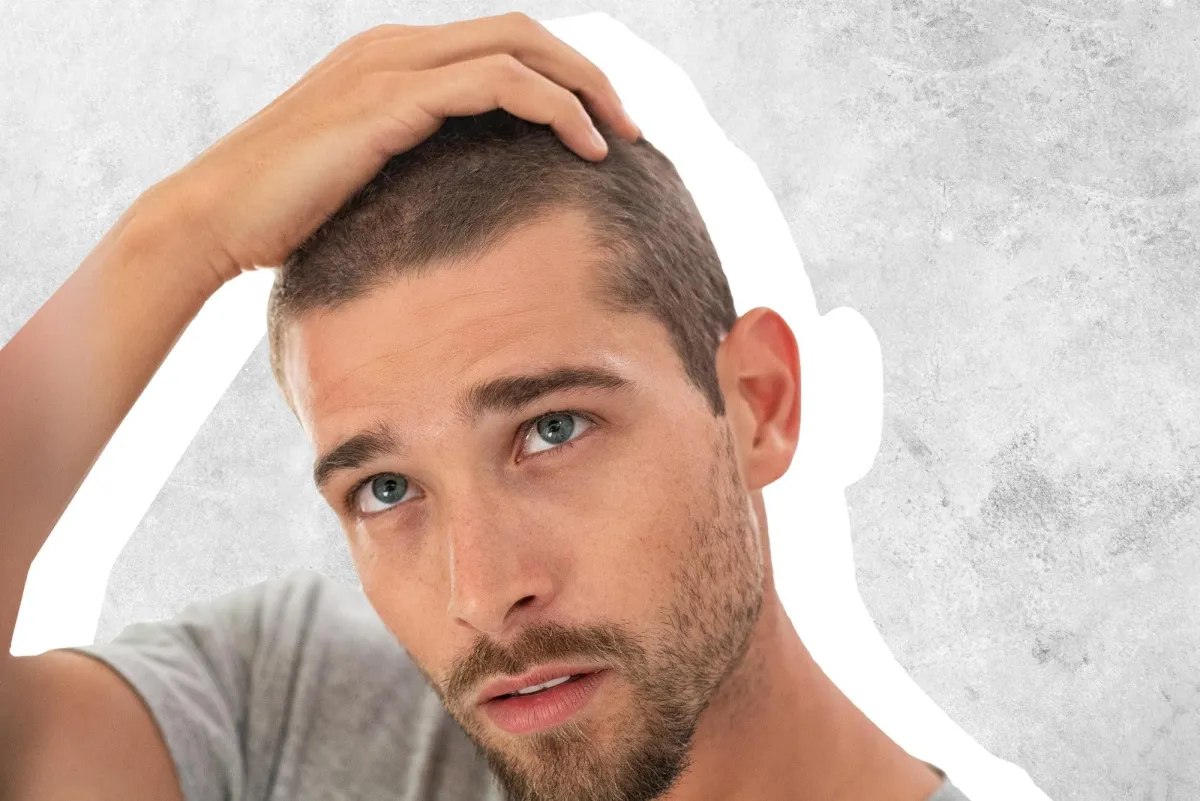
Losing your hair is never a good feeling, most men tend to feel self-conscious about it. Some men decide to completely shave off their heads or constantly wear a hat. One of the most common insecurities men face is hair thinning; for some men, it starts as early as in their 20s. The loss of confidence really starts to affect the way men do their hair and the types of hair cuts they get. Men start to worry about how they will be perceived by friends, family, and colleagues. Hair thinning should not be the cause of self distraughtness, and it should not limit men to have to continuously cover their heads. CADMEN Barbershop has compiled a list of the top 5 best haircuts for men experiencing early hair loss.

Barbershop Owner Tips: What Successful Operators Do Differently
Barbershop Owner Tips: What Successful Operators Do Differently
Most barbershop owners who plateau are working in the business, not on it. They are cutting hair, handling complaints, chasing staff, and running out of time before noon. The ones who grow have a different relationship with their shop: the shop can run without them cutting every day.
Here are the operational decisions that separate shops that grow from shops that grind.
Pricing: The Decision That Compounds More Than Any Other
Underpriced shops work harder and earn less. This is one of the few statements in barbershop operations that is almost universally true.
The number of haircuts a shop can do per day is fixed by chair count and operating hours. There is a ceiling on volume. There is no ceiling on price, except the one in the owner's head. Shops that raise prices systematically, backed by quality and reputation, grow revenue without adding a single chair.
The resistance to raising prices is almost always emotional rather than market-based. Test the market before assuming it. A $5 or $10 price increase across the board, with no other change, typically produces a retention rate of 85% to 95% in an established shop. The math almost always works in favor of the raise.
Review pricing every year. Compare to what premium shops in your market charge. If you are significantly below the range, close the gap incrementally. If a client leaves over a $5 increase, they were not a client you could build a business on.
Staffing: Booth Rental vs. Commission and Why It Changes the Business
Booth rental and commission produce fundamentally different businesses. Neither is universally better. The wrong choice for your situation creates problems that are hard to undo.
Booth rental: barbers pay a weekly or monthly fee for the chair. They keep all their revenue. They set their own hours and run their own client relationships. The owner has predictable income regardless of whether any individual barber is busy. The downside: the owner has almost no operational control over barber behavior, quality, or culture.
Commission: barbers earn a percentage of the revenue they generate. The shop keeps the rest. The owner has much more control over standards, pricing, branding, and culture. Revenue is variable. The downside: the owner is responsible for filling all chairs, not just providing the space.
The choice should come before hiring, not after. Changing models mid-operation requires renegotiating agreements and often creates turnover. Decide which model fits your operational style and capital position before signing your first barber agreement.
The Danger of Barber-Dependent Client Relationships
One of the most common sources of barbershop failure is a barber who builds a personal clientele at the shop and then leaves, taking the clients. If the barber is a booth renter, this is especially likely: those clients are the barber's relationship, not the shop's.
Operators who build defensible businesses structure client relationships with the shop first. This means: the booking system is the shop's system, the Google Business Profile is the shop's profile, the reviews are tied to the brand, and client communications go through the shop's channels. When a barber leaves under these conditions, the shop retains the relationship and the next barber steps into it.
Building this structure from day one is much easier than retrofitting it after a client-taking departure.
Systems That Run Without the Owner
A shop that depends on the owner to function is a job, not a business. The goal is a shop that generates revenue whether the owner is cutting hair, managing from an office, or traveling.
The core systems every shop needs that do not depend on the owner's daily presence:
- Booking: online, available 24/7, confirmation and reminder automated
- Onboarding: new client flow standardized across all barbers
- Reviews: ask process triggered at end of every appointment, not dependent on any individual barber remembering to ask
- Payroll and cash: recorded, not dependent on the owner being physically present to collect and distribute
- Staff agreements: written, not verbal. Covers services offered, pricing, social media use of clients, non-solicitation (where legally enforceable), and the consequences of client poaching
Content and Marketing: What Returns the Most
For most barbershops, the highest-return marketing activities are Google reviews and a complete Google Business Profile. Instagram and TikTok have real value but require consistent execution over 6 to 18 months before producing meaningful client volume.
The cheapest clients a barbershop will ever acquire are referred ones. Before investing in paid advertising or social media strategy, exhaust the referral channel first. A systematic ask process at the end of every cut is free and compounds every month.
What the Business Is When It Exits
Barbershops that sell well are not selling a building and equipment. They are selling systems, brand, client relationships, and revenue predictability. A shop where the owner is still cutting every day sells for far less than an identically-sized shop where the owner manages from behind the desk and the operation runs on documented systems.
The decision to stop cutting and start operating changes the valuation of the asset you are building. It is worth making earlier than most owners do.
CADMEN's barbershop owner coaching covers all of this in depth: pricing architecture, staffing models, systems buildout, and the operational frameworks that supported CADMEN's multi-location GTA barbershop business. $4,000 USD. Apply at academy.cadmen.ca/business-coaching.
Frequently Asked Questions
What makes a barbershop profitable?
Three variables: pricing at or above market, high chair utilization (few empty appointment slots), and retained clients who rebook consistently. The most common cause of low-profit barbershops is pricing below market combined with high client churn. Fix those two things and profitability improves without any increase in chair count or hours.
How much should a barbershop owner pay themselves?
This depends on whether the owner is also cutting. If cutting, separate the owner pay from the cutting pay: pay yourself what you would pay a barber for the same chair production, then pay yourself additionally for ownership/management. Conflating the two makes it impossible to understand whether the business is profitable without the owner cutting. The goal is a business that profits even if you hire someone to replace every task you currently do yourself.
What is the biggest mistake new barbershop owners make?
Underpricing at opening and building a client base on a price point they cannot sustain long-term. The second most common: not putting client relationships in the shop's systems from day one, making the business vulnerable to barber departure.
Should a barbershop owner also cut hair?
In the early stage, often yes, for cash flow and to maintain credibility in the shop. Long-term, the goal should be a shop that is profitable without the owner cutting. Every hour the owner spends behind the chair is an hour not spent building the business. The transition from operator to owner-operator to owner is the most important career move a barbershop owner makes.
How do you scale a barbershop?
The same way any service business scales: document every decision that currently lives in your head, hire people to execute the documented systems, and focus your time on building the next level of the operation rather than the current one. Multi-location barbershops that succeed are fundamentally systems businesses that happen to cut hair, not collections of individual barber talents.
Related Reading From CADMEN Barber Academy
- Opening a Barbershop: What New Owners Need to Know
- Barbershop Owner Business Coaching: What Top Shop Owners Learn
- Barbershop Owner Coaching Program: What CADMEN's $4,000 Business Coaching Actually Covers
- How Much Does a Barbershop Owner Make in Canada: Revenue, Costs, and Realistic Net Income
- How Much Do Barbershop Owners Make in Canada
- How Much Does a Barbershop Owner Make in Canada

5 Best Haircuts for Men with
Early Hair Thinning
Losing your hair is never a good feeling, most men tend to feel self-conscious about it. Some men decide to completely shave off their heads or constantly wear a hat. One of the most common insecurities men face is hair thinning; for some men, it starts as early as in their 20s. The loss of confidence really starts to affect the way men do their hair and the types of hair cuts they get. Men start to worry about how they will be perceived by friends, family, and colleagues. Hair thinning should not be the cause of self distraughtness, and it should not limit men to have to continuously cover their heads. CADMEN Barbershop has compiled a list of the top 5 best haircuts for men experiencing early hair loss.


For any request, please contact us at info@cadmen.ca