
Barber Tips & Tricks
Follow us for the latest barber techniques and tips
Barber Tips & Tricks
Follow us for the latest barber techniques and tips
Top 7 Reasons Why Your Clients
Aren't Returning
Stay Ahead in the Barbering Game: Nurturing
Lifelong Clientele
You might have come across the saying “give a client a good cut at a reasonable price, and they'll be yours for life.” Unfortunately in reality this is not always the case. That’s where we come in! Check out some of the reasons why your clients may not be returning, whether they were long-term customers or a first-time appointment, below.

Top 7 Reasons Why Your Clients
Aren't Returning
Stay Ahead in the Barbering Game: Nurturing
Lifelong Clientele
You might have come across the saying “give a client a good cut at a reasonable price, and they'll be yours for life.” Unfortunately in reality this is not always the case. That’s where we come in! Check out some of the reasons why your clients may not be returning, whether they were long-term customers or a first-time appointment, below.
Career in Mobile Barbering: Key
Things You Need to Know about
While most barbers work in physical barbershops or hair salons, there are a growing number of barbers who work on-call. What does it mean to be a mobile barber? What are their primary responsibilities? Where to find them? In this blog, we will explain some key terms you should know about mobile barbering and how you can start a new career in it.

Career in Mobile Barbering: Key
Things You Need to Know about
While most barbers work in physical barbershops or hair salons, there are a growing number of barbers who work on-call. What does it mean to be a mobile barber? What are their primary responsibilities? Where to find them? In this blog, we will explain some key terms you should know about mobile barbering and how you can start a new career in it.
Top 4 Ways for Barbers to
Promote Themselves
Marketing is key. Knowing how to market yourself as a barber can be the difference between having 5 to 20 clients a day. If you are interested in boosting the number of your customers and furthering your advertising skills, read the list below with four ways to promote yourself as a barber.

Top 4 Ways for Barbers to
Promote Themselves
Marketing is key. Knowing how to market yourself as a barber can be the difference between having 5 to 20 clients a day. If you are interested in boosting the number of your customers and furthering your advertising skills, read the list below with four ways to promote yourself as a barber.
5 Tips for Social Media Content
Creating as a Barber
It is next to impossible to find someone who is not on social media today. More than just a tool for connection, social media is key helping barbers market themselves and promote their names and skills. If you want to up your barber game quickly, here are five tips on how to promote content online that you don't want to miss out on.

5 Tips for Social Media Content
Creating as a Barber
It is next to impossible to find someone who is not on social media today. More than just a tool for connection, social media is key helping barbers market themselves and promote their names and skills. If you want to up your barber game quickly, here are five tips on how to promote content online that you don't want to miss out on.
5 Best Haircuts for Men with
Early Hair Thinning
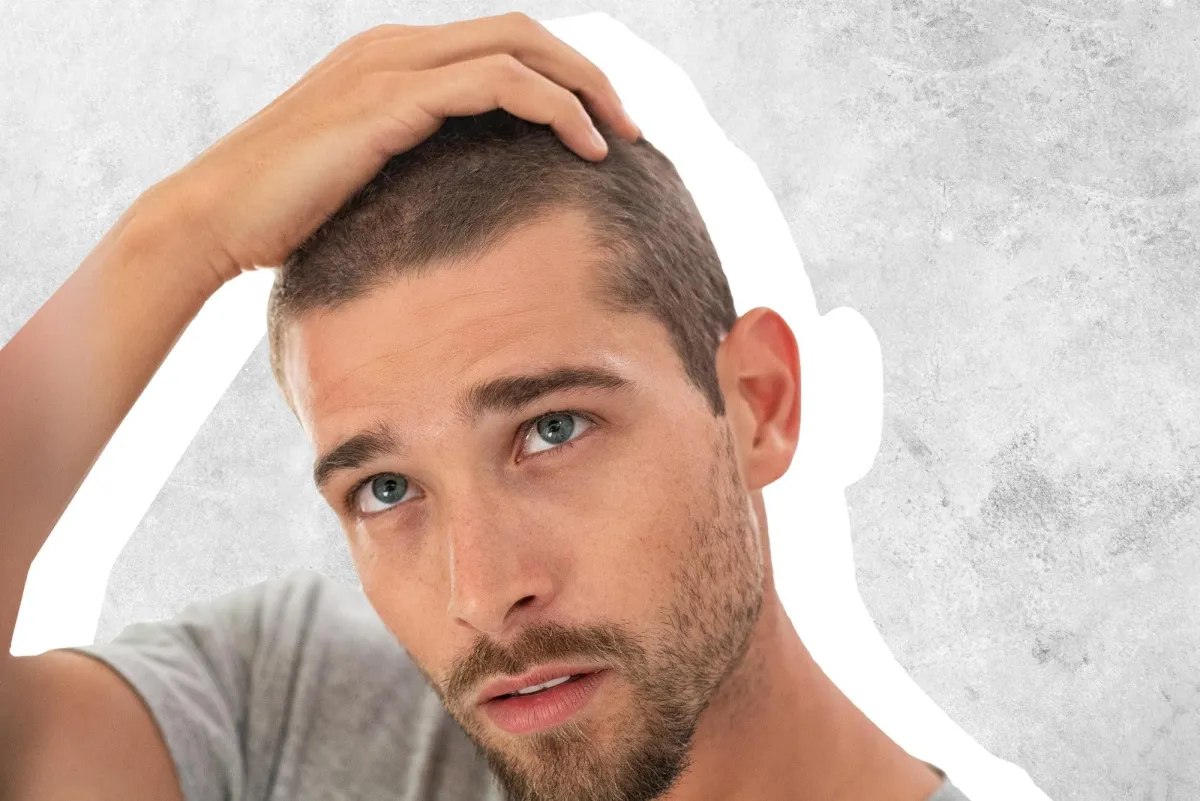
Losing your hair is never a good feeling, most men tend to feel self-conscious about it. Some men decide to completely shave off their heads or constantly wear a hat. One of the most common insecurities men face is hair thinning; for some men, it starts as early as in their 20s. The loss of confidence really starts to affect the way men do their hair and the types of hair cuts they get. Men start to worry about how they will be perceived by friends, family, and colleagues. Hair thinning should not be the cause of self distraughtness, and it should not limit men to have to continuously cover their heads. CADMEN Barbershop has compiled a list of the top 5 best haircuts for men experiencing early hair loss.
Thick Hair in Men: What to Expect at the Barbershop and How to Manage It
Thick Hair in Men: What to Expect at the Barbershop and How to Manage It
Thick hair is often considered an advantage, and in many ways it is. It holds styles well, looks full, and has a natural visual weight that thinner hair lacks. But thick hair also requires more deliberate work at the barbershop and a different approach at home than most men apply.
Understanding how thick hair behaves changes how you communicate with your barber and what you do with it every morning.
What Thick Hair Actually Means
Thickness refers to two different things that are often confused: hair density and hair strand width. A man can have high density (many hairs per square inch) but fine individual strands, or lower density with very wide individual strands. Most men who describe their hair as thick have both, which creates the heaviness and volume they are referring to.
For barbershop purposes, the distinction matters because the techniques differ. Dense fine hair needs different thinning than wide-strand coarse hair. If you know which kind of thick you have, mention it to your barber. Most will assess it themselves during the consultation, but giving them this information upfront saves time.
How Barbers Work Differently on Thick Hair
Thick hair takes longer to cut. The blade resistance is higher, which means the barber makes more passes with scissors and moves more slowly through each section. A good barber accounts for this in the appointment time. A rushed cut on thick hair produces uneven results because the barber did not have enough time to layer and thin it properly.
Texturizing and thinning are essential for most thick-haired men. Without them, the hair sits as a solid mass that is difficult to style and may look heavier or puffier than intended. A barber uses texturizing scissors, a razor, or a thinning comb to remove volume from inside the hair without changing the outside length. This creates movement and reduces the overall weight.
How much thinning you need depends on the style. A slick-back or pompadour benefits from some thinning on the sides to reduce bulk. A textured crop on top might benefit from selective thinning to prevent it from sitting too high or looking too full.
Cuts That Work Well for Thick Hair
Thick hair is not equally suited to every cut. Some styles are difficult to execute or maintain on very thick hair.
Cuts that work well:
- Textured crop: the deliberate texture of this cut suits thick hair's natural tendency toward volume
- Pompadour: thick hair holds the height and structure of a pomp without product fighting the weight
- Quiff: similar to the pompadour, thick hair gives this cut natural volume without over-styling
- Buzz cut: the even length removes the volume management problem entirely
- French crop: this cut suits the natural bluntness of thick hair
Cuts that are more difficult on very thick hair:
- Very tight fades: the transition can look choppy if the barber does not account for the extra hair volume at each length
- Long flowing styles: thick hair tends to expand sideways as it grows longer, creating a wide silhouette that requires significant product to control
- Very flat, sleek styles: thick hair naturally wants to sit with body and volume, which works against the sleek look without significant product use
The Thinning Problem: Too Much or Too Little
One of the most common issues men with thick hair encounter is inconsistent thinning between barbers. If one barber thins aggressively and the next does not, the cut grows out unevenly. Some sections are noticeably lighter than others.
Communicating your preference for thinning clearly at the start of each appointment avoids this. Tell the barber whether the previous cut felt too heavy or too light at the sides and top. This gives them a starting point and reduces the chance of an outcome that requires immediate correction.
Managing Thick Hair at Home
Thick hair responds differently to products than fine or medium hair. Heavy creams and butters that work well on fine hair often make thick hair look greasy or weighed down. Products with lighter consistency and strong hold perform better.
Clay and paste are generally the best product types for thick hair. They provide hold without adding too much shine or weight. Apply to slightly damp hair for better distribution. Working product through thick hair is harder when it is completely dry.
A boar bristle brush or a wide-tooth comb is more effective on thick hair than a fine-tooth comb, which drags and creates static in coarser hair types.
Drying thick hair completely before styling produces more consistent results. Thick hair holds moisture for longer than fine hair, and styling it while still damp often leads to the shape changing as it continues to dry. Use a hairdryer on medium heat, not high, to avoid drying the hair unevenly.
Dealing with Cowlicks and Growth Patterns
Cowlicks are more visible and more persistent on thick hair because the weight of the hair amplifies the direction of the growth pattern. A cowlick in fine hair may cooperate with some styling. The same cowlick in thick hair may resist styling entirely.
The best approach is to work with the cowlick rather than against it. A barber who understands thick hair growth patterns will cut the hair in a direction that allows the cowlick to sit naturally rather than requiring constant fighting. Cuts that attempt to push thick hair against its natural growth direction typically require heavy product and frequent restyling throughout the day.
Mention any pronounced cowlicks or growth patterns to your barber before they start cutting. Pointing them out while your hair is dry, before any water or product has been applied, gives the clearest picture of how the hair naturally sits.
Frequently Asked Questions
Should men with thick hair wash it less often?
Not necessarily. Thick hair benefits from washing every two to three days in most cases. More frequent washing can dry it out, which makes it harder to manage. Less frequent washing allows product and oil buildup that adds weight. The right interval depends on your scalp's oil production, which varies by individual.
Why does my thick hair look puffy after a haircut?
This usually means the barber did not thin it enough. The outer length was cut but the interior volume was not reduced. A puffy result is almost always a thinning issue. Tell the barber before you leave the chair. A few passes with thinning scissors takes less than five minutes and makes an immediate difference.
Can thick hair be thinned too much?
Yes. Over-thinning creates a different problem where the hair looks inconsistent, with see-through sections mixed with fuller sections. The goal is even volume reduction, not elimination. If your previous barber over-thinned, grow it out before the next cut and communicate that you want minimal thinning this time.
Does thick hair grow faster than thin hair?
No. Hair growth rate is determined by genetics and nutrition, not hair thickness. However, thick hair may feel like it grows faster because volume changes are more noticeable. A quarter inch of growth is visually more obvious on thick hair than on fine hair.
What products work best for thick hair in humid conditions?
Anti-humidity products help thick hair maintain its shape in humid environments. Look for products with polymers that resist moisture absorption, such as certain pomades and styling creams labeled "humidity resistant" or "frizz control." Clay products typically hold up better in humidity than water-based gels, which can reactivate in humid conditions.
Related Reading From CADMEN Barber Academy
- Getting a Fade with Thick Hair: What to Tell the Barber
- Cutting Techniques for Thick Hair
- Cutting Thick Hair: The Adjustments Barbers Make on High-Density Hair to Get a Clean Result
- Men's Haircuts for Thick Hair: What Works Best
- How Barbers Handle Thick vs. Thin Hair Differently
- Thick Hair in Men: The Best Cuts and Products for Managing High Density

5 Best Haircuts for Men with
Early Hair Thinning
Losing your hair is never a good feeling, most men tend to feel self-conscious about it. Some men decide to completely shave off their heads or constantly wear a hat. One of the most common insecurities men face is hair thinning; for some men, it starts as early as in their 20s. The loss of confidence really starts to affect the way men do their hair and the types of hair cuts they get. Men start to worry about how they will be perceived by friends, family, and colleagues. Hair thinning should not be the cause of self distraughtness, and it should not limit men to have to continuously cover their heads. CADMEN Barbershop has compiled a list of the top 5 best haircuts for men experiencing early hair loss.


For any request, please contact us at info@cadmen.ca