
Barber Tips & Tricks
Follow us for the latest barber techniques and tips
Barber Tips & Tricks
Follow us for the latest barber techniques and tips
Top 7 Reasons Why Your Clients
Aren't Returning
Stay Ahead in the Barbering Game: Nurturing
Lifelong Clientele
You might have come across the saying “give a client a good cut at a reasonable price, and they'll be yours for life.” Unfortunately in reality this is not always the case. That’s where we come in! Check out some of the reasons why your clients may not be returning, whether they were long-term customers or a first-time appointment, below.

Top 7 Reasons Why Your Clients
Aren't Returning
Stay Ahead in the Barbering Game: Nurturing
Lifelong Clientele
You might have come across the saying “give a client a good cut at a reasonable price, and they'll be yours for life.” Unfortunately in reality this is not always the case. That’s where we come in! Check out some of the reasons why your clients may not be returning, whether they were long-term customers or a first-time appointment, below.
Career in Mobile Barbering: Key
Things You Need to Know about
While most barbers work in physical barbershops or hair salons, there are a growing number of barbers who work on-call. What does it mean to be a mobile barber? What are their primary responsibilities? Where to find them? In this blog, we will explain some key terms you should know about mobile barbering and how you can start a new career in it.

Career in Mobile Barbering: Key
Things You Need to Know about
While most barbers work in physical barbershops or hair salons, there are a growing number of barbers who work on-call. What does it mean to be a mobile barber? What are their primary responsibilities? Where to find them? In this blog, we will explain some key terms you should know about mobile barbering and how you can start a new career in it.
Top 4 Ways for Barbers to
Promote Themselves
Marketing is key. Knowing how to market yourself as a barber can be the difference between having 5 to 20 clients a day. If you are interested in boosting the number of your customers and furthering your advertising skills, read the list below with four ways to promote yourself as a barber.

Top 4 Ways for Barbers to
Promote Themselves
Marketing is key. Knowing how to market yourself as a barber can be the difference between having 5 to 20 clients a day. If you are interested in boosting the number of your customers and furthering your advertising skills, read the list below with four ways to promote yourself as a barber.
5 Tips for Social Media Content
Creating as a Barber
It is next to impossible to find someone who is not on social media today. More than just a tool for connection, social media is key helping barbers market themselves and promote their names and skills. If you want to up your barber game quickly, here are five tips on how to promote content online that you don't want to miss out on.

5 Tips for Social Media Content
Creating as a Barber
It is next to impossible to find someone who is not on social media today. More than just a tool for connection, social media is key helping barbers market themselves and promote their names and skills. If you want to up your barber game quickly, here are five tips on how to promote content online that you don't want to miss out on.
5 Best Haircuts for Men with
Early Hair Thinning
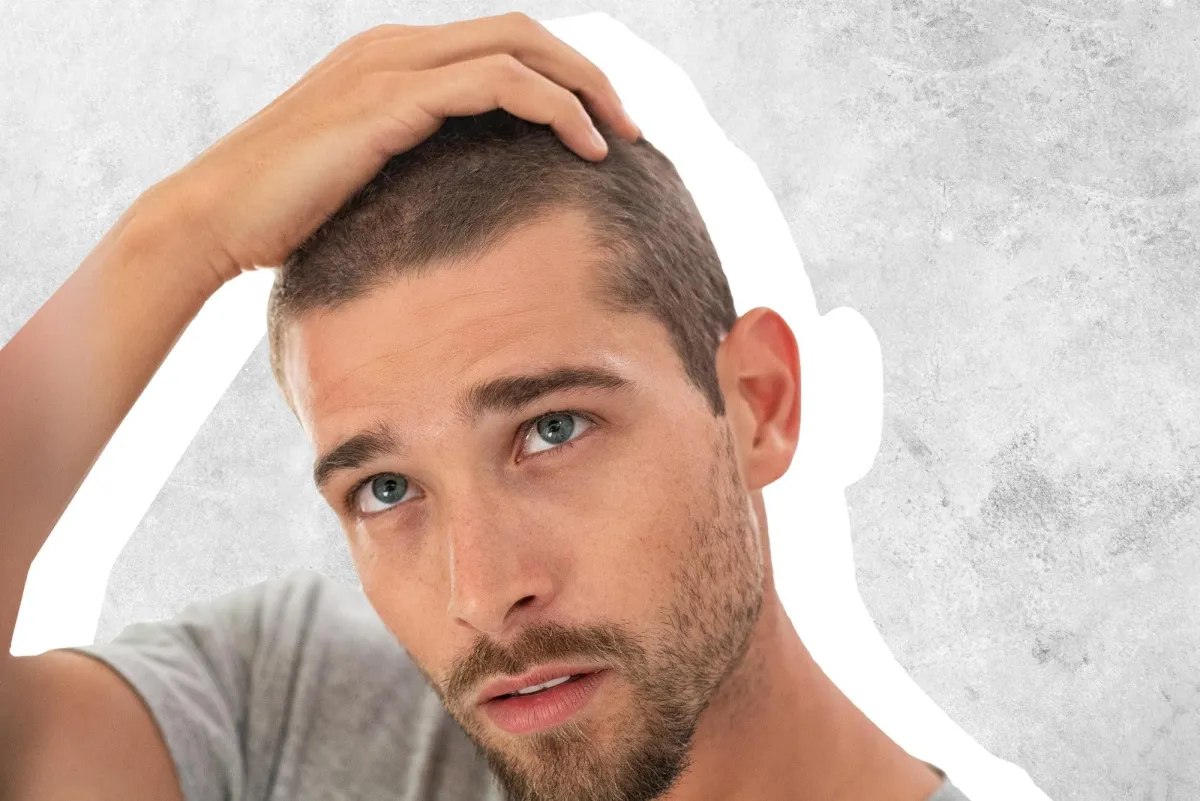
Losing your hair is never a good feeling, most men tend to feel self-conscious about it. Some men decide to completely shave off their heads or constantly wear a hat. One of the most common insecurities men face is hair thinning; for some men, it starts as early as in their 20s. The loss of confidence really starts to affect the way men do their hair and the types of hair cuts they get. Men start to worry about how they will be perceived by friends, family, and colleagues. Hair thinning should not be the cause of self distraughtness, and it should not limit men to have to continuously cover their heads. CADMEN Barbershop has compiled a list of the top 5 best haircuts for men experiencing early hair loss.
The Bald Fade: Technique and Common Mistakes
The Bald Fade: Technique and Common Mistakes
The bald fade starts at zero, bare skin at the base, and blends upward through guard lengths to meet the top length. It is the most requested fade variation in most urban barbershops, and it is also the one where mistakes are most visible. A heavy line at the transition, shadow remaining at the base, or an uneven blend stands out clearly against the skin.
The bald fade requires precision at every step: closing down to the skin cleanly, removing the shadow, and creating a smooth graduation upward. Done well, it is one of the cleanest-looking results in the barbershop. Done poorly, it draws attention to every imprecision.
Tools Needed
- Clippers with a full guard set (0.5 through 4 minimum)
- Balding clipper or T-liner for zero work and shadow removal
- Razor or straight edge (optional, for the cleanest possible finish at the neckline and around the ears)
- Blade oil and cleaning spray (blades need to be sharp and clean, a dull blade pulls rather than cuts, which is immediately apparent on a bald fade)
Step 1: Establish the Zero Line
With the clippers on zero (no guard), cut a line around the base of the head, the neckline and above the ears. This is the starting point of the fade. Do not go too high on this first pass; you are establishing where the skin starts, not the full extent of the fade area. A low or mid bald fade starts this line just above the natural hairline. A high bald fade starts it at a significantly higher position.
Use deliberate, controlled upward strokes that follow the curve of the head. Do not rush at this stage. The zero line sets the foundation for everything above it.
Step 2: Remove the Shadow
After closing to zero, there is typically a dark "shadow" at the base, stubble that is cut to zero length but still shows through the skin as visible color. To remove or reduce the shadow, use a balding clipper or a clipper with a zero snap on the blade in the opposite direction of growth (downward). This cuts the hair as close to the skin as possible without shaving.
For an extremely clean finish, a razor finish over the zero area removes the shadow entirely. A straight razor or safety razor with a single blade over the zero area produces the sharpest, cleanest result. This is optional but expected at premium shops and appreciated by clients who want maximum cleanliness at the base.
Step 3: Build the Fade Upward
Move upward from the zero line through incremental guard levels. Each guard level covers a specific zone above the previous one. The zone for each guard depends on the desired fade height:
- Low bald fade: Zero zone is small (just above the neckline). Guard 0.5 covers a thin band above that, guard 1 above that, and so on up to where the top length begins. The total fade zone is narrow.
- Mid bald fade: The zero zone extends to ear level. The fade zone is wider. Each guard covers a larger area.
- High bald fade: Zero rises to the temple. Very wide fade zone. Each guard covers substantial height up the side of the head.
At each guard level, use an upward flicking motion as the clipper exits the hair. The flick lifts the clipper away from the head at the top edge of each zone, creating the beginning of the blend into the next level.
Step 4: Blend the Transitions
Blending is the most skill-dependent step. The goal is to eliminate any visible lines between guard levels so the fade reads as a smooth, continuous gradient from skin to hair.
Use half-guard techniques: if a visible line remains between guard 1 and guard 2, run a guard 1.5 over the transition zone. The half guard fills the gap between the two levels and breaks up any banding.
Use clipper-over-comb for the final blend in the transition zones. This gives more control over where exactly the hair is reduced than a fixed guard does, and allows for micro-adjustments at the most sensitive blend points.
Common Mistakes
Going too high with the zero too quickly: Starting the zero too high on the first pass removes options. Start lower and build upward once the blend is established.
Leaving shadow at the base: The base needs to be cut against the grain and/or with a razor to clear the shadow. A pale skin with dark shadow at the base is an incomplete bald fade.
Uneven guard pressure: Pressing the clipper blade harder on one side produces a lower cut than on the other, creating asymmetry. Maintain consistent blade angle and pressure throughout.
Skipping intermediate guards: Jumping from 0 to 1 to 2 without half guards on thick or dark hair leaves visible banding. Use 0.5 between 0 and 1.
CADMEN Training
Bald fade technique is the core focus of CADMEN's hands-on fade class. Live clients, 2 days, Mississauga. Book at academy.cadmen.ca/in-person-training.
Frequently Asked Questions
What is the difference between a bald fade and a skin fade?
They are the same thing, used interchangeably in most markets. Both describe a fade that goes to bare skin (zero) at the base and blends upward. Some barbers use "skin fade" as the broader term and "bald fade" to emphasize maximum skin exposure, but in standard client-facing use, the terms refer to the same technique. Confirm with the client how high they want the zero to go rather than relying on the label alone.
How do you remove the shadow on a bald fade?
Cut against the direction of growth at the zero zone using a balding clipper or zero-snap blade. This cuts the stubble as close to the skin as possible. For the cleanest possible result, a razor pass over the zero area removes the remaining visible shadow. Use a clipper blade held flat against the skin (not at an angle) for the against-grain pass to minimize irritation.
How many passes does a good bald fade take?
More than most beginners expect. A clean bald fade typically requires 4 to 7 passes through the fade zone: establishing the zero line, clearing the shadow, each guard level, and blending passes at the transitions. Barbers who try to complete a bald fade in 2 or 3 passes produce results with visible lines and missed areas. Speed comes with repetition, as technique improves, the passes become more efficient, not fewer in number.
How do you get a bald fade even on both sides?
Check symmetry at each step by stepping back from the client and comparing both sides. Establish the zero line, step back, check. Set each guard level, step back, check. Asymmetry caught early (at the zero or first guard level) is easy to correct. Asymmetry discovered at the end of the cut is much harder to fix without going higher or shorter than intended. The habit of checking at each stage rather than only at the end is the single most effective way to produce consistently symmetrical fades.
How often does a bald fade need to be maintained?
Every 2 to 3 weeks for most clients. The zero zone at the base shows new growth quickly because any hair at all against bare skin is immediately visible. Clients who want the fade to look fresh and sharp at all times come in every 2 weeks. Clients who are less particular can stretch to 3 weeks before the growth at the base significantly softens the look. This makes bald fade clients among the highest-return-frequency clients in a shop.
Related Reading From CADMEN Barber Academy
- Bald Fade vs Skin Fade: Are They the Same Thing?
- How to Cut a Bald Fade Step by Step
- The Bald Fade: What It Is, Who It Suits, and How to Maintain It
- How to Cut a Low Fade: Guard Progression, Blending, and the Common Mistakes
- Skin Fade vs Bald Fade: What Is the Difference?
- The Zero Fade: How to Cut a Skin Fade from Scratch
Want to learn to cut a bald fade yourself? CADMEN Barber Academy teaches cutting hands-on, with an educator beside you. See the barber academy in Mississauga or view in-person classes and send an enquiry.
Learn this fade step by step in our free Fade Tutorials playlist on YouTube.

5 Best Haircuts for Men with
Early Hair Thinning
Losing your hair is never a good feeling, most men tend to feel self-conscious about it. Some men decide to completely shave off their heads or constantly wear a hat. One of the most common insecurities men face is hair thinning; for some men, it starts as early as in their 20s. The loss of confidence really starts to affect the way men do their hair and the types of hair cuts they get. Men start to worry about how they will be perceived by friends, family, and colleagues. Hair thinning should not be the cause of self distraughtness, and it should not limit men to have to continuously cover their heads. CADMEN Barbershop has compiled a list of the top 5 best haircuts for men experiencing early hair loss.


For any request, please contact us at info@cadmen.ca