
Barber Tips & Tricks
Follow us for the latest barber techniques and tips
Barber Tips & Tricks
Follow us for the latest barber techniques and tips
Top 7 Reasons Why Your Clients
Aren't Returning
Stay Ahead in the Barbering Game: Nurturing
Lifelong Clientele
You might have come across the saying “give a client a good cut at a reasonable price, and they'll be yours for life.” Unfortunately in reality this is not always the case. That’s where we come in! Check out some of the reasons why your clients may not be returning, whether they were long-term customers or a first-time appointment, below.

Top 7 Reasons Why Your Clients
Aren't Returning
Stay Ahead in the Barbering Game: Nurturing
Lifelong Clientele
You might have come across the saying “give a client a good cut at a reasonable price, and they'll be yours for life.” Unfortunately in reality this is not always the case. That’s where we come in! Check out some of the reasons why your clients may not be returning, whether they were long-term customers or a first-time appointment, below.
Career in Mobile Barbering: Key
Things You Need to Know about
While most barbers work in physical barbershops or hair salons, there are a growing number of barbers who work on-call. What does it mean to be a mobile barber? What are their primary responsibilities? Where to find them? In this blog, we will explain some key terms you should know about mobile barbering and how you can start a new career in it.

Career in Mobile Barbering: Key
Things You Need to Know about
While most barbers work in physical barbershops or hair salons, there are a growing number of barbers who work on-call. What does it mean to be a mobile barber? What are their primary responsibilities? Where to find them? In this blog, we will explain some key terms you should know about mobile barbering and how you can start a new career in it.
Top 4 Ways for Barbers to
Promote Themselves
Marketing is key. Knowing how to market yourself as a barber can be the difference between having 5 to 20 clients a day. If you are interested in boosting the number of your customers and furthering your advertising skills, read the list below with four ways to promote yourself as a barber.

Top 4 Ways for Barbers to
Promote Themselves
Marketing is key. Knowing how to market yourself as a barber can be the difference between having 5 to 20 clients a day. If you are interested in boosting the number of your customers and furthering your advertising skills, read the list below with four ways to promote yourself as a barber.
5 Tips for Social Media Content
Creating as a Barber
It is next to impossible to find someone who is not on social media today. More than just a tool for connection, social media is key helping barbers market themselves and promote their names and skills. If you want to up your barber game quickly, here are five tips on how to promote content online that you don't want to miss out on.

5 Tips for Social Media Content
Creating as a Barber
It is next to impossible to find someone who is not on social media today. More than just a tool for connection, social media is key helping barbers market themselves and promote their names and skills. If you want to up your barber game quickly, here are five tips on how to promote content online that you don't want to miss out on.
5 Best Haircuts for Men with
Early Hair Thinning
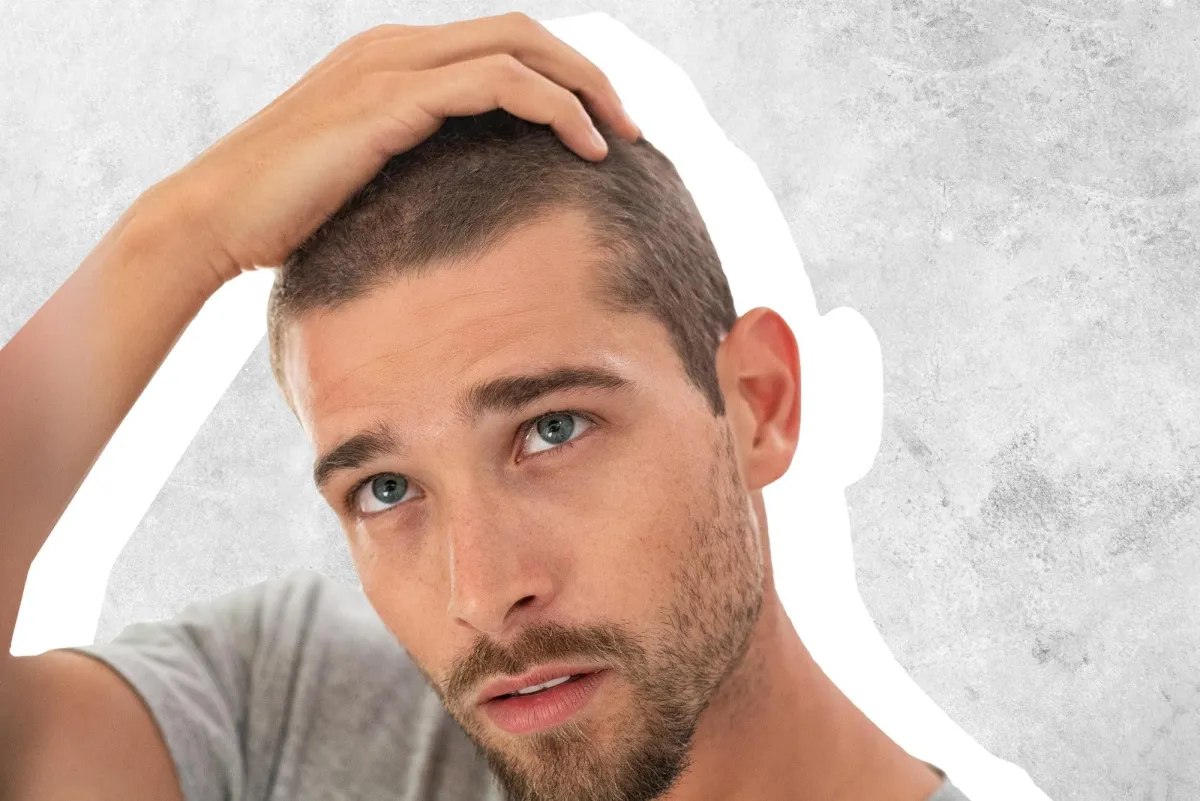
Losing your hair is never a good feeling, most men tend to feel self-conscious about it. Some men decide to completely shave off their heads or constantly wear a hat. One of the most common insecurities men face is hair thinning; for some men, it starts as early as in their 20s. The loss of confidence really starts to affect the way men do their hair and the types of hair cuts they get. Men start to worry about how they will be perceived by friends, family, and colleagues. Hair thinning should not be the cause of self distraughtness, and it should not limit men to have to continuously cover their heads. CADMEN Barbershop has compiled a list of the top 5 best haircuts for men experiencing early hair loss.
How to Sell Retail Products in Your Barbershop
How to Sell Retail Products in Your Barbershop
Most barbershops use styling products on clients every day. Most clients leave without buying the product that was just used on them. The reason is almost never price objection or disinterest, it is that no one offered it or explained it clearly enough to create the purchase.
Retail product sales typically carry 40% to 60% margins. A barbershop doing 100 services per week that converts even 10% of those clients to a single retail purchase at $20 generates $200 to $250 per week in additional revenue from no additional labor, no new clients, and no advertising cost. At that rate the annual retail revenue is $10,000 to $13,000.
The Foundation: Use Products During the Service
Retail product recommendations only land when the client has just experienced the product on their own hair. The sequence that works:
- Use the product during the service (apply clay, pomade, or beard oil as part of the finishing step)
- Briefly describe what you used and what it does: "That's a matte clay, it gives you the texture without the shine, and a small amount goes a long way"
- Ask if they want to take one: "We have these at the station if you want one"
The ask comes AFTER the client has felt the product. They already know they like it. The recommendation is not a pitch, it is a natural extension of the service.
Which Products to Stock
Stock a small, curated range rather than every option. Too many products cause decision paralysis, clients who do not know which to choose often choose nothing. A focused shelf of 5 to 8 products is more effective than 25 options.
Core retail categories for a barbershop:
- Styling products: 1 matte clay, 1 medium-shine pomade, 1 high-shine water-based pomade. Cover the three most common finish preferences.
- Beard products: beard oil, beard balm. The majority of clients with beards use neither and notice the difference when a barber uses them properly during a beard service.
- Scalp care: a quality shampoo + conditioner, specifically marketed for men. Many male clients use whatever shampoo is in the shower without thinking about it. A brief mention of scalp health during the service opens this conversation.
Pricing
Price retail products at the manufacturer's suggested retail price or slightly above. Do not undercut to make it cheaper than online, the purchase in the barbershop is selling the convenience, the recommendation, and the "I just used this on you" trust, which online cannot replicate. Clients who compare prices online are not the primary retail buyer.
Displaying Products Effectively
Products that are visible sell. Products behind the counter or in a cabinet that requires asking to access sell very little. A shelf at eye level near the checkout area, with products face-forward and clearly labeled, gives clients the opportunity to look, pick up, and decide on their own. Add a small price tag to each product, clients who want to buy often do not ask the price.
Training Your Barbers
If other barbers work in the shop, brief product knowledge sessions create the consistency needed for retail to work as a system rather than depending on one enthusiastic barber. Each barber should know: what each product does, which hair types and finishes it suits, the price, and the one-sentence pitch that comes naturally in context ("that texture hold without the helmet look, this is what I used").
CADMEN Business Coaching
Revenue diversification, retail systems, and the full barbershop operations framework are covered in CADMEN's owner coaching program. $4,000 USD. academy.cadmen.ca.
Frequently Asked Questions
Do barbershops make money on retail products?
Yes, when executed consistently. Barbershop retail margins typically run 40% to 60% on professional-grade products purchased at wholesale (through professional supply accounts). A pomade that retails for $22 may cost the shop $9 to $12 at wholesale, producing $10 to $13 in gross margin per unit sold. The challenge is consistency: retail revenue at most barbershops is driven by one or two barbers who naturally recommend products, while others rarely mention retail. Systematizing the recommendation habit across all staff is what turns occasional retail sales into a reliable revenue line. Shops that do this well generate $15,000 to $40,000+ in annual retail revenue depending on volume and average product price.
What products sell best in barbershops?
Styling products (clays, pomades, and pastes) consistently outsell other retail categories in most barbershops because clients experience them directly during every haircut. Beard products are the second-highest category in shops that perform beard services regularly. Shampoos and scalp products sell less frequently but at higher average prices. The specific best-sellers depend on the shop's client demographic, younger clients in urban markets tend to buy matte-finish clays and styling powders; older clients tend to buy water-based pomades and traditional grooming products. The most reliable indicator of what will sell in a specific shop is which products the barbers use and recommend during services.
Do you need a license to sell hair products in Canada?
No specific license is required to sell professional grooming retail products in Canada, though products sold to consumers must comply with Health Canada's regulations for cosmetics (Cosmetics Regulations under the Food and Drugs Act), which primarily govern labeling and ingredient disclosure requirements for the manufacturers, not the retailer. If you are purchasing products through a professional supply account and selling the same products at retail price directly in the shop, no additional regulatory registration is required beyond the standard business license for retail sales.
Should you sell products you do not use on clients?
No. The retail recommendation only works because the client just experienced the product. If a product is on the retail shelf but never used during services, the barbers cannot speak to it credibly and the sell-through will be low. Only stock products you use, trust, and can describe from experience. This also protects the shop's credibility, if a client buys a product based on a recommendation and the result at home does not match the experience in the chair, the barbershop's reputation absorbs the disconnect. Every product on the shelf should be one you would confidently use on yourself.
How do you introduce retail without feeling like a salesperson?
The framing that eliminates the salesperson feeling: you are telling the client what you used on them, not pitching them something. "That was a matte clay, it is what gave it that texture. We have some at the station." is a description, not a sell. The client who likes the result will naturally ask about it or reach for it. The client who does not will not feel pressured because you stated a fact and moved on. The discomfort barbers feel about "selling" products usually comes from an aggressive pitch framing, name the product, describe what it does, mention it is available, and let the client decide. That is a recommendation, not a sale.
Related Reading From CADMEN Barber Academy
- Barbershop Product Retail: How to Add Product Sales Without Becoming a Pushy Salesperson
- Barbershop Retail Products: How to Build a Product Revenue Line That Actually Sells
- How to Increase Product Sales in Your Barbershop
- Men's Hair Products: What They Do, When to Use Them, and How to Recommend the Right One
- Why Barbershops Sell Grooming Products (And Why It Matters)
- Barbershop Retail Products: Why Selling Product at the Chair Is the Easiest Revenue Line You Are Not Using

5 Best Haircuts for Men with
Early Hair Thinning
Losing your hair is never a good feeling, most men tend to feel self-conscious about it. Some men decide to completely shave off their heads or constantly wear a hat. One of the most common insecurities men face is hair thinning; for some men, it starts as early as in their 20s. The loss of confidence really starts to affect the way men do their hair and the types of hair cuts they get. Men start to worry about how they will be perceived by friends, family, and colleagues. Hair thinning should not be the cause of self distraughtness, and it should not limit men to have to continuously cover their heads. CADMEN Barbershop has compiled a list of the top 5 best haircuts for men experiencing early hair loss.


For any request, please contact us at info@cadmen.ca