
Barber Tips & Tricks
Follow us for the latest barber techniques and tips
Barber Tips & Tricks
Follow us for the latest barber techniques and tips
Top 7 Reasons Why Your Clients
Aren't Returning
Stay Ahead in the Barbering Game: Nurturing
Lifelong Clientele
You might have come across the saying “give a client a good cut at a reasonable price, and they'll be yours for life.” Unfortunately in reality this is not always the case. That’s where we come in! Check out some of the reasons why your clients may not be returning, whether they were long-term customers or a first-time appointment, below.

Top 7 Reasons Why Your Clients
Aren't Returning
Stay Ahead in the Barbering Game: Nurturing
Lifelong Clientele
You might have come across the saying “give a client a good cut at a reasonable price, and they'll be yours for life.” Unfortunately in reality this is not always the case. That’s where we come in! Check out some of the reasons why your clients may not be returning, whether they were long-term customers or a first-time appointment, below.
Career in Mobile Barbering: Key
Things You Need to Know about
While most barbers work in physical barbershops or hair salons, there are a growing number of barbers who work on-call. What does it mean to be a mobile barber? What are their primary responsibilities? Where to find them? In this blog, we will explain some key terms you should know about mobile barbering and how you can start a new career in it.

Career in Mobile Barbering: Key
Things You Need to Know about
While most barbers work in physical barbershops or hair salons, there are a growing number of barbers who work on-call. What does it mean to be a mobile barber? What are their primary responsibilities? Where to find them? In this blog, we will explain some key terms you should know about mobile barbering and how you can start a new career in it.
Top 4 Ways for Barbers to
Promote Themselves
Marketing is key. Knowing how to market yourself as a barber can be the difference between having 5 to 20 clients a day. If you are interested in boosting the number of your customers and furthering your advertising skills, read the list below with four ways to promote yourself as a barber.

Top 4 Ways for Barbers to
Promote Themselves
Marketing is key. Knowing how to market yourself as a barber can be the difference between having 5 to 20 clients a day. If you are interested in boosting the number of your customers and furthering your advertising skills, read the list below with four ways to promote yourself as a barber.
5 Tips for Social Media Content
Creating as a Barber
It is next to impossible to find someone who is not on social media today. More than just a tool for connection, social media is key helping barbers market themselves and promote their names and skills. If you want to up your barber game quickly, here are five tips on how to promote content online that you don't want to miss out on.

5 Tips for Social Media Content
Creating as a Barber
It is next to impossible to find someone who is not on social media today. More than just a tool for connection, social media is key helping barbers market themselves and promote their names and skills. If you want to up your barber game quickly, here are five tips on how to promote content online that you don't want to miss out on.
5 Best Haircuts for Men with
Early Hair Thinning
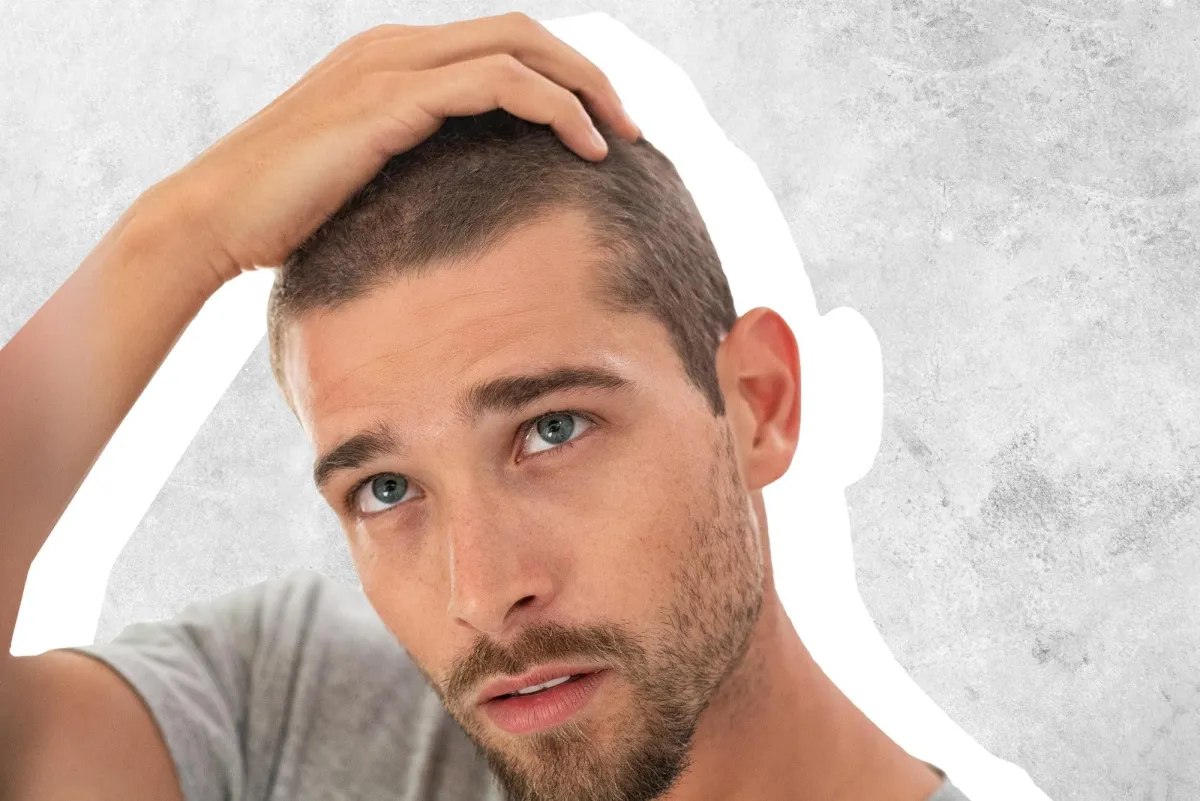
Losing your hair is never a good feeling, most men tend to feel self-conscious about it. Some men decide to completely shave off their heads or constantly wear a hat. One of the most common insecurities men face is hair thinning; for some men, it starts as early as in their 20s. The loss of confidence really starts to affect the way men do their hair and the types of hair cuts they get. Men start to worry about how they will be perceived by friends, family, and colleagues. Hair thinning should not be the cause of self distraughtness, and it should not limit men to have to continuously cover their heads. CADMEN Barbershop has compiled a list of the top 5 best haircuts for men experiencing early hair loss.
What You Need to Open a Barbershop: A Practical List
What You Need to Open a Barbershop: A Practical List
Most first-time barbershop owners underestimate the pre-opening phase. They budget for chairs, equipment, and the first month of rent. They underestimate the cost and timeline of licensing, buildout, staffing, and the first 90 days of operating before the schedule fills up.
This is not an exhaustive legal checklist, requirements vary by province and state. It is a practical sequencing guide of the categories to address and the order to address them.
Phase 1: Business Structure and Licensing (Start First)
Business registration: register the legal entity before signing any contracts. Sole proprietorship is the simplest structure but provides no personal liability protection. Incorporation adds setup cost and accounting complexity but protects personal assets. Consult an accountant before deciding.
Barbershop license / business license: requirements differ significantly by province and state. In Ontario, operating as a barbershop requires compliance with the Safe Personal Services regulation under the Reopening Ontario Act. In Florida, barbershops are regulated by the Florida Department of Business and Professional Regulation. Research the specific licensing requirements for your jurisdiction before signing a lease, the inspection and approval timeline can take 4 to 8 weeks.
Barber registration: individual barbers need their own provincial or state certificates of registration, which require completing an approved barbering program and passing required exams. Confirm that every operator who will work in the shop is registered in good standing in that jurisdiction before they pick up clippers.
Phase 2: Location
Zoning: confirm the target space is zoned for personal services before committing to a lease. Municipal zoning departments can confirm this directly. Not all commercial spaces permit barbershop operations.
Lease terms: have a commercial lawyer review the lease before signing. Specific clauses to understand: permitted use (does the lease permit barbershop operations?), improvements and tenant buildout (who pays for what?), assignment clause (can the lease be transferred if the business is sold?), and exit conditions.
Space layout: barbershop space planning revolves around: number of stations (typical station footprint is 8 to 10 feet wide including the chair, mirror, and workstation), waiting area, wash station if included, storage, restroom, and retail display if applicable. Over-station for your anticipated capacity, a shop with 3 chairs can grow to 4 or 5 if there is physical space; a shop that is already at capacity on opening day has no flexibility.
Phase 3: Equipment and Setup
Core equipment per station: barber chair ($400 to $2,000+ depending on quality), mirror and station unit, appropriate lighting (critical, poor lighting produces poor cuts), and electrical access for clippers and trimmers. A professional hydraulic barber chair is a business investment, not a cost to minimize, clients notice, and operators need the adjustability to work correctly.
Shop-wide needs: reception desk or check-in area, waiting chairs (3 to 6 for a small shop), product display shelving (retail is a meaningful revenue stream if developed), POS system, booking software subscription, and the required sanitation station (barbicide, UV sterilizer, etc.) mandated by the licensing authority.
Phase 4: Staffing and Operations
Hire operators before the opening date with enough lead time to finalize their station setup, align on service menus and pricing, and do a soft opening. Do not open with an unproven team, run internal test days first.
Operations to have live before opening: booking system (online appointments, not just walk-ins), POS and payment processing, client communication (email/SMS reminders for appointments), social media profiles claimed and set up, and Google Business Profile verified with accurate hours, address, and booking link.
CADMEN Business Coaching
Opening a barbershop, business systems, and owner operations are covered in the CADMEN coaching program. academy.cadmen.ca.
Frequently Asked Questions
What licenses do you need to open a barbershop?
Requirements vary by jurisdiction. In Ontario, you need a business license from the municipality, compliance with the Ontario Safe Personal Services regulation (which governs sanitation, sterilization, and operating standards), and any applicable provincial registration. Individual barbers need their certificates of qualification or certificates of registration under the Ontario College of Trades. In Florida, the barbershop must hold a barbershop license from the Florida Department of Business and Professional Regulation (DBPR), individual barbers must hold active Florida barber licenses, and the facility must pass a state inspection before opening. Research your specific jurisdiction's requirements early in the planning process, licensing timelines directly affect when you can open.
How much does it cost to open a barbershop?
Costs vary widely by market, space size, and buildout requirements. A rough range for a small (2 to 3 chair) barbershop in a Canadian or US urban market: $30,000 to $80,000 CAD for all-in first-year costs including leasehold improvements, equipment, first and last month's rent, deposits, licensing, software subscriptions, initial inventory, and operating capital for the first 3 to 4 months before revenue stabilizes. The most common budget errors: underestimating buildout costs (electrical, plumbing for wash stations, flooring), underestimating the time to reach a full schedule (plan for 3 to 6 months before reaching consistent capacity), and not having operating capital to cover payroll during the ramp-up period.
Do you need a barber license to own a barbershop?
In most jurisdictions, the shop license and the individual barber license are separate. The shop owner does not need a personal barber license to hold the business license for the shop, but every barber working in the shop does need their own active license or certificate of registration for the jurisdiction. Some jurisdictions require a "responsible party" with active licensure to be on record as accountable for the shop's operations, even if that person is not actively cutting. Verify the specific requirement in your jurisdiction, because getting this wrong results in operating violations and fines.
How long does it take to open a barbershop?
From decision to open doors: 4 to 9 months is a realistic timeline for a first-time owner. Business registration and lease negotiation: 4 to 8 weeks. Buildout and inspections (for spaces that need significant improvement): 8 to 16 weeks. Licensing and regulatory approvals: 4 to 8 weeks, sometimes overlapping with buildout. Equipment procurement and setup: 2 to 4 weeks. Staffing and soft opening: 2 to 4 weeks. The most common delay factors: zoning issues discovered late, inspection backlogs with licensing authorities, contractor delays on buildout, and underestimating lease negotiation time. Starting the regulatory research and lease negotiation simultaneously, on day one, compresses the timeline significantly.
What equipment does a barbershop need?
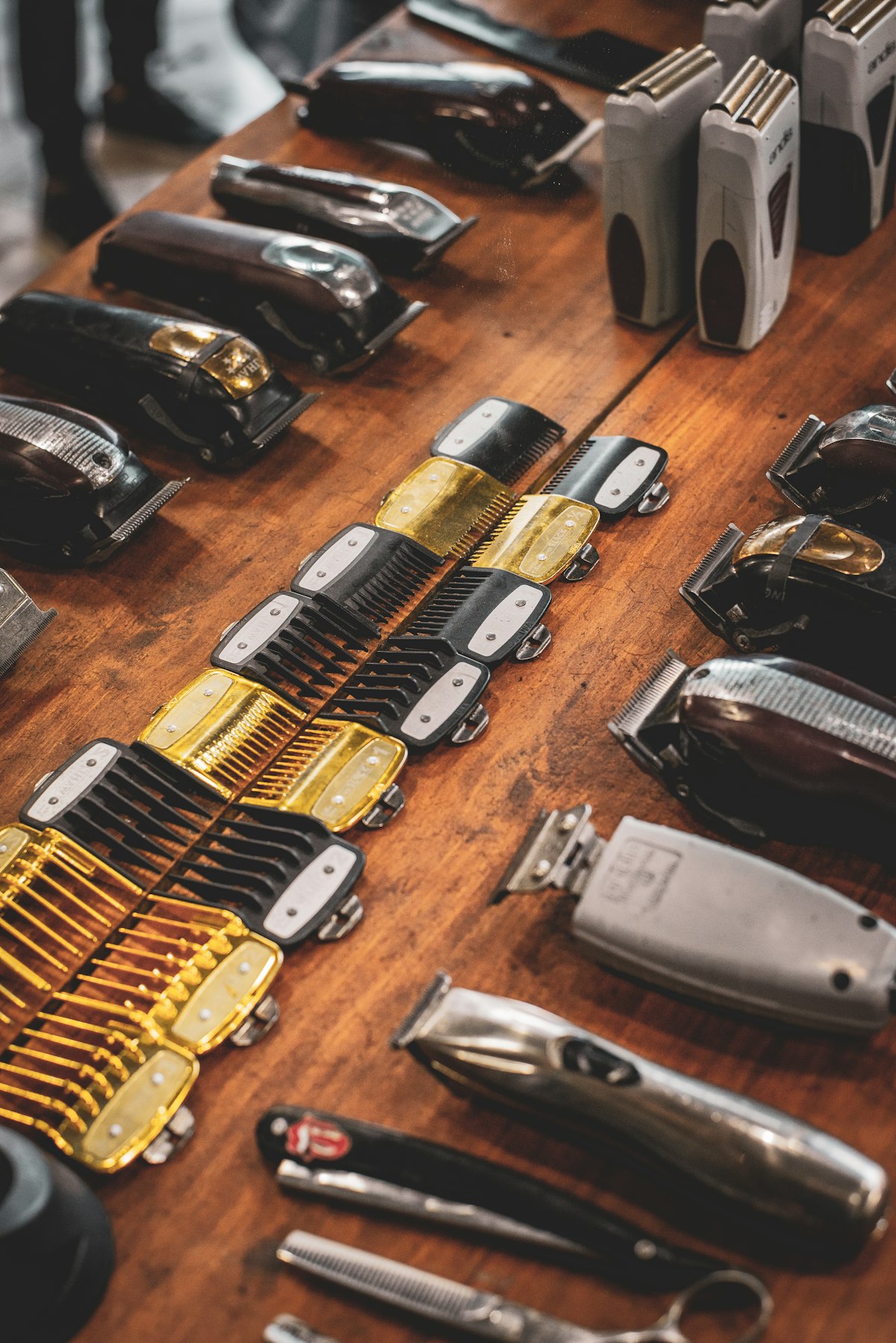
Per barber station: hydraulic barber chair, wall-mounted mirror (large, well-lit), workstation counter or wall shelf, clipper and trimmer set (at minimum a T-outliner, a full-size clipper, and a foil shaver), scissor set, comb set, and clip set. Shop-wide: barbicide jar and immersion sterilizer at each station, UV sanitizer cabinet, shampoo bowl and chair if offering wash services, reception desk or counter, waiting furniture, towel steamer or hot towel cabinet if offering wet shave, POS system and card reader, and product display for retail. Starting with quality barber chairs and professional lighting as non-negotiable investments is the consistent advice from experienced operators: these two items directly affect client perception and operator performance more than any other equipment decision.
Related Reading From CADMEN Barber Academy
- How to Find a Good Barber When You Move to a New City
- How to Get a Good Haircut When You Are New at a Barbershop
- How Much Does It Cost to Open a Barbershop? What the Numbers Actually Look Like
- Open Razor Shaving at the Barbershop: What to Expect
- What to Know Before Signing a Barbershop Lease
- Opening a Barbershop: What New Owners Need to Know

5 Best Haircuts for Men with
Early Hair Thinning
Losing your hair is never a good feeling, most men tend to feel self-conscious about it. Some men decide to completely shave off their heads or constantly wear a hat. One of the most common insecurities men face is hair thinning; for some men, it starts as early as in their 20s. The loss of confidence really starts to affect the way men do their hair and the types of hair cuts they get. Men start to worry about how they will be perceived by friends, family, and colleagues. Hair thinning should not be the cause of self distraughtness, and it should not limit men to have to continuously cover their heads. CADMEN Barbershop has compiled a list of the top 5 best haircuts for men experiencing early hair loss.


For any request, please contact us at info@cadmen.ca