
Barber Tips & Tricks
Follow us for the latest barber techniques and tips
Barber Tips & Tricks
Follow us for the latest barber techniques and tips
Top 7 Reasons Why Your Clients
Aren't Returning
Stay Ahead in the Barbering Game: Nurturing
Lifelong Clientele
You might have come across the saying “give a client a good cut at a reasonable price, and they'll be yours for life.” Unfortunately in reality this is not always the case. That’s where we come in! Check out some of the reasons why your clients may not be returning, whether they were long-term customers or a first-time appointment, below.

Top 7 Reasons Why Your Clients
Aren't Returning
Stay Ahead in the Barbering Game: Nurturing
Lifelong Clientele
You might have come across the saying “give a client a good cut at a reasonable price, and they'll be yours for life.” Unfortunately in reality this is not always the case. That’s where we come in! Check out some of the reasons why your clients may not be returning, whether they were long-term customers or a first-time appointment, below.
Career in Mobile Barbering: Key
Things You Need to Know about
While most barbers work in physical barbershops or hair salons, there are a growing number of barbers who work on-call. What does it mean to be a mobile barber? What are their primary responsibilities? Where to find them? In this blog, we will explain some key terms you should know about mobile barbering and how you can start a new career in it.

Career in Mobile Barbering: Key
Things You Need to Know about
While most barbers work in physical barbershops or hair salons, there are a growing number of barbers who work on-call. What does it mean to be a mobile barber? What are their primary responsibilities? Where to find them? In this blog, we will explain some key terms you should know about mobile barbering and how you can start a new career in it.
Top 4 Ways for Barbers to
Promote Themselves
Marketing is key. Knowing how to market yourself as a barber can be the difference between having 5 to 20 clients a day. If you are interested in boosting the number of your customers and furthering your advertising skills, read the list below with four ways to promote yourself as a barber.

Top 4 Ways for Barbers to
Promote Themselves
Marketing is key. Knowing how to market yourself as a barber can be the difference between having 5 to 20 clients a day. If you are interested in boosting the number of your customers and furthering your advertising skills, read the list below with four ways to promote yourself as a barber.
5 Tips for Social Media Content
Creating as a Barber
It is next to impossible to find someone who is not on social media today. More than just a tool for connection, social media is key helping barbers market themselves and promote their names and skills. If you want to up your barber game quickly, here are five tips on how to promote content online that you don't want to miss out on.

5 Tips for Social Media Content
Creating as a Barber
It is next to impossible to find someone who is not on social media today. More than just a tool for connection, social media is key helping barbers market themselves and promote their names and skills. If you want to up your barber game quickly, here are five tips on how to promote content online that you don't want to miss out on.
5 Best Haircuts for Men with
Early Hair Thinning
Losing your hair is never a good feeling, most men tend to feel self-conscious about it. Some men decide to completely shave off their heads or constantly wear a hat. One of the most common insecurities men face is hair thinning; for some men, it starts as early as in their 20s. The loss of confidence really starts to affect the way men do their hair and the types of hair cuts they get. Men start to worry about how they will be perceived by friends, family, and colleagues. Hair thinning should not be the cause of self distraughtness, and it should not limit men to have to continuously cover their heads. CADMEN Barbershop has compiled a list of the top 5 best haircuts for men experiencing early hair loss.

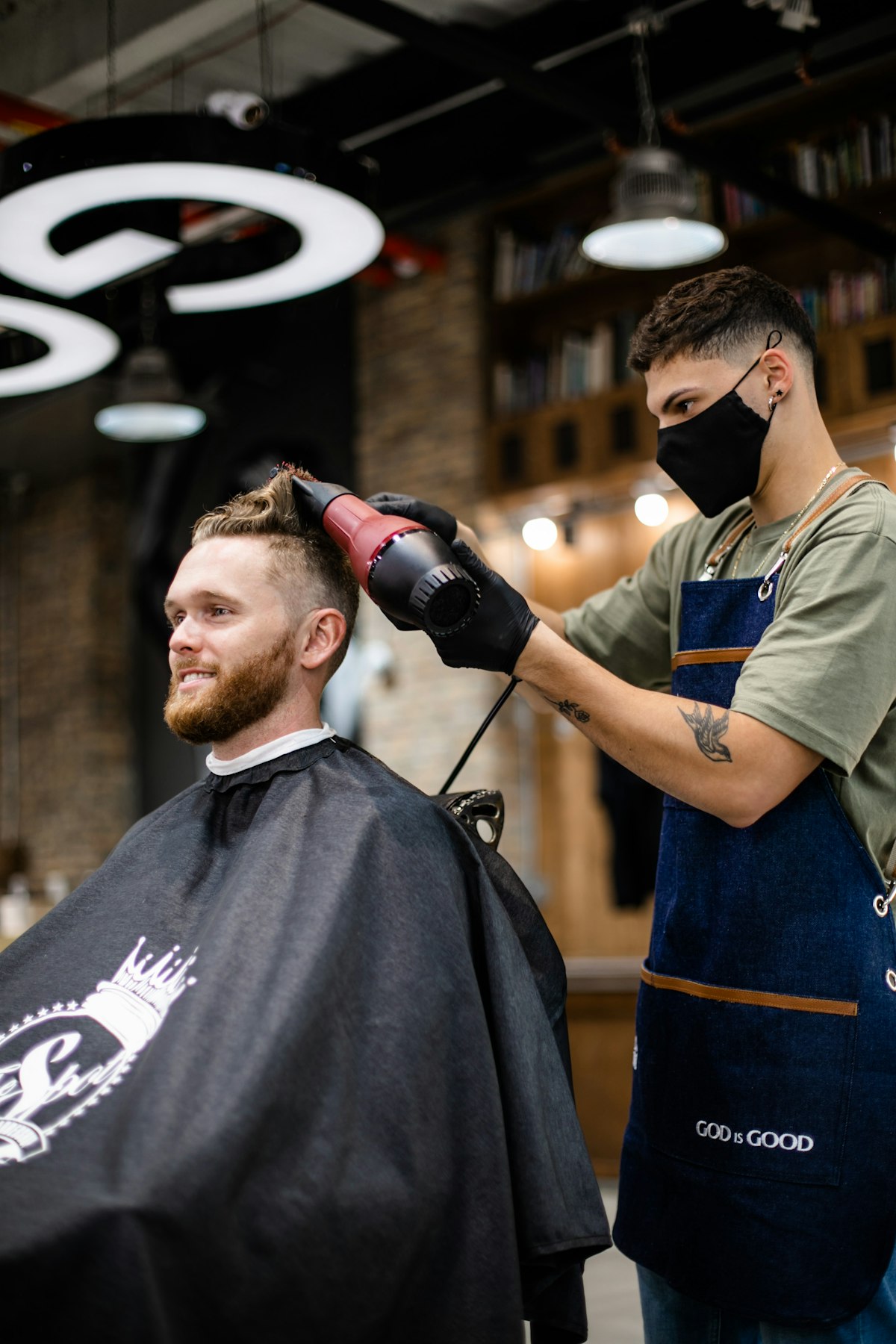
How Much Does It Cost to Open a Barbershop? What the Numbers Actually Look Like
How Much Does It Cost to Open a Barbershop? What the Numbers Actually Look Like
Opening a barbershop is one of the more accessible independent business paths in the personal services industry. The startup costs are lower than most retail businesses and the revenue model is straightforward. That said, the range between a minimal viable setup and a well-appointed professional shop is significant. Here is what you are actually budgeting for.
Location and Lease
Rent is typically the largest ongoing cost and the most variable depending on your market. In most Canadian cities, a small commercial space (400 to 800 square feet) in a reasonable location runs $2,500 to $6,000 per month. In prime high-traffic locations, rent can be significantly higher. First and last month deposits typically mean $5,000 to $12,000 committed upfront just to secure the space. Smaller markets and suburban locations are meaningfully cheaper.
Leasehold Improvements and Buildout
Most commercial spaces need significant work to become a barbershop: plumbing for shampoo bowls, electrical for lighting and outlet placement, flooring, paint, and the barbershop-specific build elements (station walls, mirrors, storage). A basic buildout runs $15,000 to $40,000. A premium shop with high-end finishes, custom millwork, and full plumbing runs $60,000 to $120,000 or more.
Equipment
Barber chairs: $800 to $2,500 each for professional chairs. A 3-chair shop requires $2,400 to $7,500 just in chairs. Shampoo bowls: $400 to $1,200 each. Barbershop stations (mirrors, counters, storage): $500 to $2,000 each. Clippers, trimmers, tools: $300 to $800 per barber station for quality tools. Sterilization equipment, supplies, towel warmers: $500 to $2,000. Total equipment for a 3-chair shop: $10,000 to $25,000 realistic range.
Licensing and Permits
Business license, health department inspection, and barbershop-specific permits vary by municipality: $500 to $3,000 typically in most Canadian jurisdictions.
Working Capital
You need operating funds to cover rent, payroll, and supplies for the first 3 to 6 months while building clientele. Factor $15,000 to $40,000 for this depending on your overhead structure.
Total Realistic Range
A lean but professional 3-chair barbershop: $50,000 to $100,000 all-in. A well-appointed shop in a good location: $100,000 to $200,000.
CADMEN Training
CADMEN Barber Academy's ownership coaching program teaches the business side of opening and running a barbershop. academy.cadmen.ca.
Frequently Asked Questions
Can you open a barbershop for under $30,000?
It is possible to open a very minimal barbershop setup for under $30,000, but the constraints at that budget level are significant and affect both the quality of the client experience and the long-term business potential. What $30,000 or less typically means: a very small space (1 or 2 chairs) in a lower-rent location. Minimal buildout, taking a space that requires little modification. Used or lower-end equipment rather than new professional-grade chairs and stations. No shampoo bowls or very basic ones. Minimal to no retail product setup. Essentially no working capital buffer after the initial setup. The risks at this budget: equipment quality matters in a physical service business. Lower-end barber chairs and tools directly affect the work experience and the shop's professional presentation. Used chairs may have maintenance problems that cost money to fix. The lack of working capital means that slow early months, which almost every new business has, create immediate financial stress. Rent, insurance, and supplies still need to be paid while clientele builds. Better approach at limited capital: instead of opening a full shop at under $30,000, a more sustainable path is renting a chair in an existing barbershop for 12 to 18 months while saving the difference toward a full opening. Booth rental allows you to build clientele, generate income, and learn the business without the full overhead commitment. The clientele and experience you build in that period significantly reduce the risk of a full shop opening later.
How long does it take a new barbershop to break even?
Break-even timelines for new barbershops are highly variable but the typical range for a well-run shop in a good location is 12 to 24 months. The factors that most affect the timeline: location and foot traffic. A shop with high natural foot traffic (busy street, adjacent to complementary businesses) builds walk-in clientele faster than a shop that requires deliberate discovery. The first barber's existing client base. If the primary barber is opening their own shop after years at another location, they may bring a significant portion of their existing clientele on day one, dramatically shortening the break-even timeline. Owner-operators (working barbers who also own the shop) reach break-even faster than shops that rely on hired barbers because the labor cost structure is different. A shop owner who is also cutting hair is generating revenue directly with their own chair while managing the business overhead. Marketing and online presence. New shops that build a strong Google Business Profile, post consistently on social media, and actively solicit reviews from early clients build their reputation and discovery faster than shops that rely only on word of mouth. What break-even looks like practically: break-even means monthly revenue covers all expenses, rent, utilities, supplies, payroll, insurance, software, with no profit yet. Most barbershops need $15,000 to $30,000 in monthly revenue to break even, depending on overhead. Getting there from a standing start typically takes 12 to 24 months of consistent client acquisition. Faster-than-average breaks even come from bringing an established book of clients, opening in a high-traffic location, or having a strong social media presence before opening.
Do barbers make more money as booth renters or employees or shop owners?
Each structure has different risk and income characteristics. Understanding the trade-offs helps at any stage of a barber's career. As an employee: paid a set wage or commission (typically 40 to 60 percent of services performed). Predictable income, no overhead responsibility. The ceiling is limited by the hours you work and the commission rate. Little control over the business, pricing, or scheduling. As a booth renter: pay the shop a flat weekly or monthly rent for use of a station (typically $200 to $600 per week depending on location and market). Keep 100% of service revenue above the booth fee. Income depends entirely on the number and type of clients you serve. No business overhead beyond the booth fee and personal supplies. The risk: slow weeks mean paying booth rent against limited revenue. The reward: strong barbers can net more per hour than as employees. As a shop owner: the highest potential income but also the highest financial risk. Revenue from all chairs, retail, and services flows through the business. After paying rent, employees or booth renters, utilities, supplies, insurance, and all other overhead, the owner takes what remains. Many barbershop owners, especially in the early years, earn similar to or less than they would as a senior employee or booth renter. The value is in building equity in the business, the potential for scale (multiple locations, revenue from multiple barbers), and the eventual exit value of the business. The income spectrum: a booth renter in a busy location can net $60,000 to $120,000+ per year. A successful shop owner with multiple barbers earning consistently can net well above that. An owner in a struggling shop with high overhead can net less than an employee barber. The structure that makes most sense depends on where you are in your career, your financial situation, and your business ambitions.
Related Reading From CADMEN Barber Academy

5 Best Haircuts for Men with
Early Hair Thinning
Losing your hair is never a good feeling, most men tend to feel self-conscious about it. Some men decide to completely shave off their heads or constantly wear a hat. One of the most common insecurities men face is hair thinning; for some men, it starts as early as in their 20s. The loss of confidence really starts to affect the way men do their hair and the types of hair cuts they get. Men start to worry about how they will be perceived by friends, family, and colleagues. Hair thinning should not be the cause of self distraughtness, and it should not limit men to have to continuously cover their heads. CADMEN Barbershop has compiled a list of the top 5 best haircuts for men experiencing early hair loss.


For any request, please contact us at info@cadmen.ca