
Barber Tips & Tricks
Follow us for the latest barber techniques and tips
Barber Tips & Tricks
Follow us for the latest barber techniques and tips
Top 7 Reasons Why Your Clients
Aren't Returning
Stay Ahead in the Barbering Game: Nurturing
Lifelong Clientele
You might have come across the saying “give a client a good cut at a reasonable price, and they'll be yours for life.” Unfortunately in reality this is not always the case. That’s where we come in! Check out some of the reasons why your clients may not be returning, whether they were long-term customers or a first-time appointment, below.

Top 7 Reasons Why Your Clients
Aren't Returning
Stay Ahead in the Barbering Game: Nurturing
Lifelong Clientele
You might have come across the saying “give a client a good cut at a reasonable price, and they'll be yours for life.” Unfortunately in reality this is not always the case. That’s where we come in! Check out some of the reasons why your clients may not be returning, whether they were long-term customers or a first-time appointment, below.
Career in Mobile Barbering: Key
Things You Need to Know about
While most barbers work in physical barbershops or hair salons, there are a growing number of barbers who work on-call. What does it mean to be a mobile barber? What are their primary responsibilities? Where to find them? In this blog, we will explain some key terms you should know about mobile barbering and how you can start a new career in it.

Career in Mobile Barbering: Key
Things You Need to Know about
While most barbers work in physical barbershops or hair salons, there are a growing number of barbers who work on-call. What does it mean to be a mobile barber? What are their primary responsibilities? Where to find them? In this blog, we will explain some key terms you should know about mobile barbering and how you can start a new career in it.
Top 4 Ways for Barbers to
Promote Themselves
Marketing is key. Knowing how to market yourself as a barber can be the difference between having 5 to 20 clients a day. If you are interested in boosting the number of your customers and furthering your advertising skills, read the list below with four ways to promote yourself as a barber.

Top 4 Ways for Barbers to
Promote Themselves
Marketing is key. Knowing how to market yourself as a barber can be the difference between having 5 to 20 clients a day. If you are interested in boosting the number of your customers and furthering your advertising skills, read the list below with four ways to promote yourself as a barber.
5 Tips for Social Media Content
Creating as a Barber
It is next to impossible to find someone who is not on social media today. More than just a tool for connection, social media is key helping barbers market themselves and promote their names and skills. If you want to up your barber game quickly, here are five tips on how to promote content online that you don't want to miss out on.

5 Tips for Social Media Content
Creating as a Barber
It is next to impossible to find someone who is not on social media today. More than just a tool for connection, social media is key helping barbers market themselves and promote their names and skills. If you want to up your barber game quickly, here are five tips on how to promote content online that you don't want to miss out on.
5 Best Haircuts for Men with
Early Hair Thinning
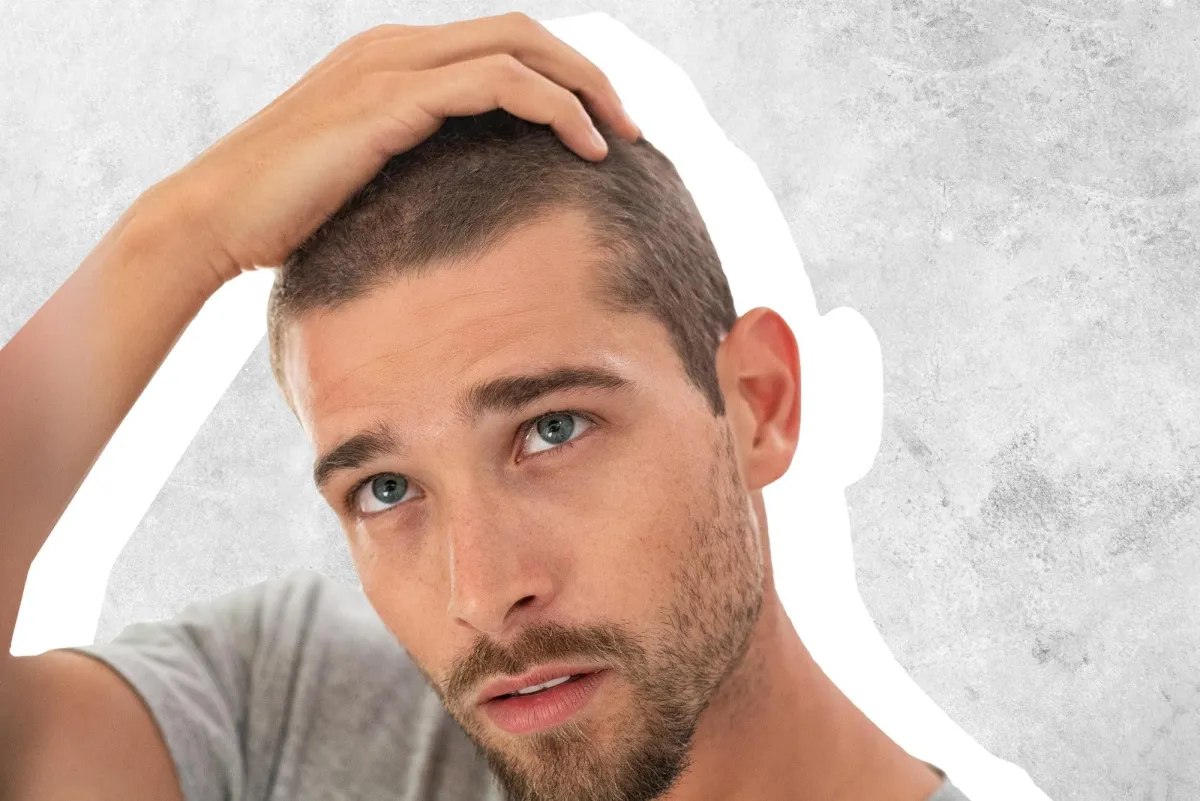
Losing your hair is never a good feeling, most men tend to feel self-conscious about it. Some men decide to completely shave off their heads or constantly wear a hat. One of the most common insecurities men face is hair thinning; for some men, it starts as early as in their 20s. The loss of confidence really starts to affect the way men do their hair and the types of hair cuts they get. Men start to worry about how they will be perceived by friends, family, and colleagues. Hair thinning should not be the cause of self distraughtness, and it should not limit men to have to continuously cover their heads. CADMEN Barbershop has compiled a list of the top 5 best haircuts for men experiencing early hair loss.
The Men's Undercut: How to Cut and Wear It
The Men's Undercut: How to Cut and Wear It
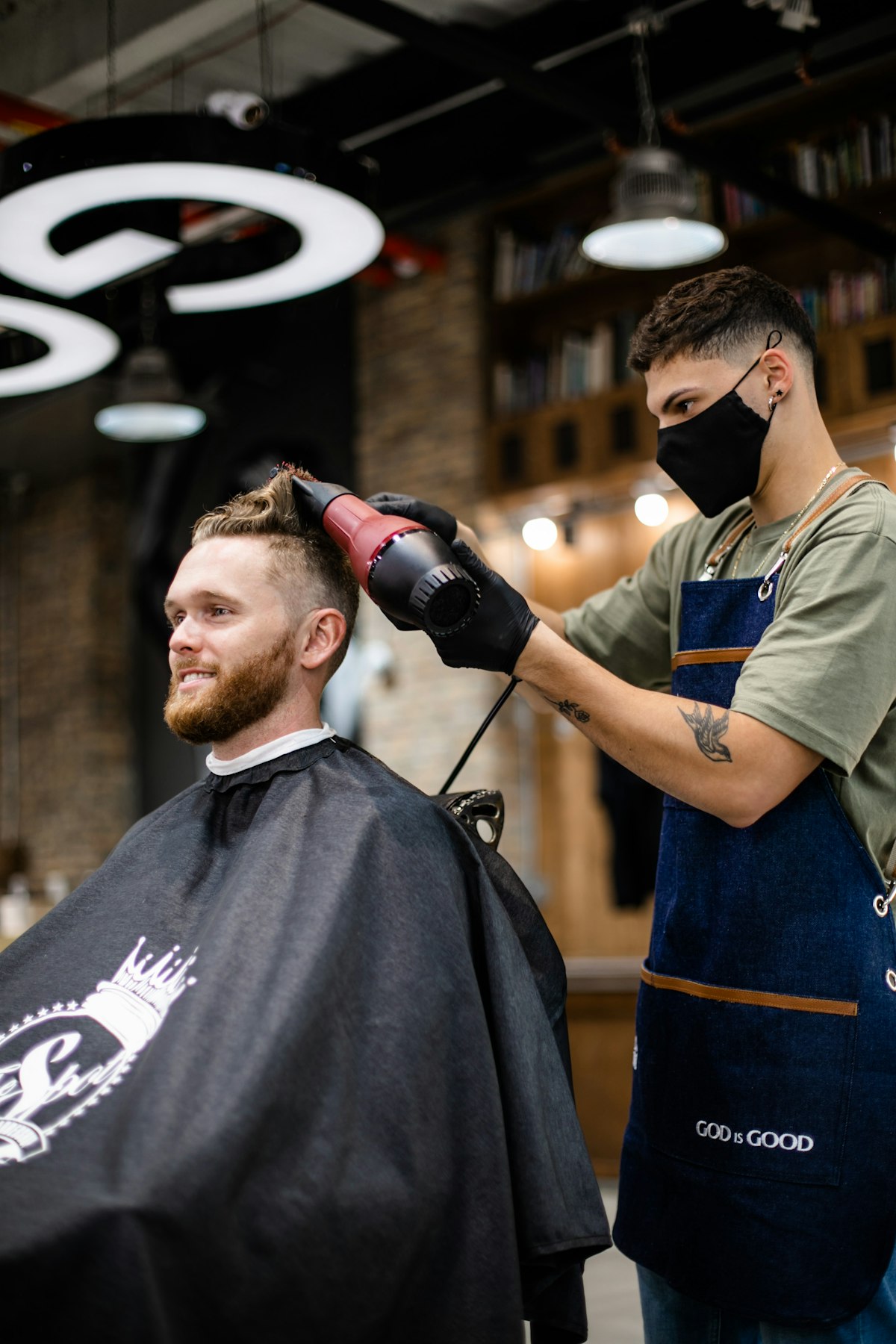
The undercut is one of the highest-contrast men's haircuts: the sides and back are cut very short (or taken to skin), while the top is left significantly longer. The defining visual is the disconnection between the short sides and the long top, a dramatic difference in length that makes both sections appear more extreme by contrast.
The undercut has been in and out of fashion since the early 20th century. The current version, typically combined with a fade or skin fade on the sides, is one of the most-photographed men's haircuts on social media and one of the most-booked services at modern barbershops.
Types of Undercut
The classic/disconnected undercut
The sides are taken to skin or a low guard (0 to 1). The top is left 3 to 6 inches long. There is a hard disconnect between the two sections, no blending, no graduation. The line between the very short sides and the long top is the style. Can be worn with the top styled back, to the side, forward, or as a messy natural fall.
The faded undercut
Similar length contrast but the transition from sides to top is a fade rather than a hard disconnect. The sides graduate from skin or near-skin upward through a standard fade progression, meeting the longer top at the blend point. More modern and mainstream than the hard-disconnect version; still produces dramatic length contrast but with a more polished transition.
The undercut with texture on top
Long top sections that are point-cut or razor-cut for texture rather than blunt-cut. The textured top moves with more dimension and creates a more fashion-forward look than a blunt-top undercut. Works particularly well for clients with medium-thick hair that naturally has movement.
The French/European undercut
A historical variation with a fuller side section and a longer, more swept back or to-the-side top. Less graphic contrast than the modern disconnected version. The sides in a French undercut are short but not taken to skin, typically around guard 2 to 3 rather than zero.
Cutting the Undercut
Establishing the disconnect line
The disconnect line is the most important step. Section off the top section (everything above the desired disconnect line) with clips. The height of the disconnect line is the client's choice, it typically follows the natural occipital bone line or the temporal line depending on how high the contrast is wanted. Confirm with the client before cutting.
Cutting the sides and back
Work the sides and back below the disconnect line with the clipper. For a skin fade version, work through the standard fade progression (balding clipper at the base, guards up through the sides). For a hard disconnect version, cut the entire side section to a low guard (0 or 1) without fading, a consistent short length from the hairline up to the disconnect line.
Cutting the top
Release the clipped section. The top is cut with scissors to the desired length and texture. A blunt cut on the top creates a uniform length block; point cutting creates texture and movement. The natural growth direction of the top section should guide the cutting angle, the barber should be cutting in the direction the style will fall.
Styling the Undercut
The undercut requires more styling than a short fade cut because the longer top section needs product and direction. Common styling choices:
- Swept back pompadour style with a high-shine pomade
- Side-swept with a matte clay for a more relaxed finish
- Messy natural fall with a texturizing paste, the contrast still reads even when unstyled
CADMEN Training
Disconnected undercuts, advanced men's cuts, and barbershop technique are covered in the CADMEN hands-on program. academy.cadmen.ca/in-person-training.
Frequently Asked Questions
What is an undercut haircut for men?
A men's undercut is a haircut where the sides and back are cut significantly shorter than the top section, creating a dramatic contrast in length. The defining feature is the disconnection between the very short sides (often taken to skin or near-skin) and the longer top, which is left at 3 to 6 inches depending on the style. The undercut can be worn with the top styled back into a pompadour, to the side as a sweep, or left in its natural fall direction. It is one of the most versatile men's haircut structures because the long top can be worn in multiple ways, making it suitable for both professional and casual contexts.
How long should the top be for an undercut?
3 to 5 inches is the range that produces the distinctive contrast of the undercut look. Shorter (under 3 inches on top) starts to look more like a standard fade with a slightly longer top than a true undercut. Longer (5+ inches on top) creates the maximum contrast effect and works well for clients who want to style their hair significantly. The right length depends on the client's hair type (thicker hair tends to require slightly longer top length for movement and versatility) and styling commitment (very long top lengths require daily product use to stay intentional). First-time undercut clients typically start at 3 to 4 inches on top and adjust from there.
Can you fade an undercut?
Yes, a faded undercut keeps the long top section but graduates the sides from skin upward through a standard fade rather than cutting them to a hard uniform short length. The result is still high contrast (long top, short sides) but with a blended transition rather than a disconnected line. The faded undercut is more common in current barbershop menus than the traditional hard-disconnect version because it combines the length contrast of the undercut with the blended finish that modern fade culture expects. Either version is technically valid, the choice depends on the client's aesthetic preference and the barber's read of what suits the client's head shape.
How long does an undercut last before it needs a trim?
4 to 6 weeks for the top section, depending on growth rate and the client's tolerance for the growing-out phase. The sides (particularly if skin-faded) require maintenance every 2 to 3 weeks because new growth at the skin line is immediately visible. The top section can often go longer without looking noticeably overgrown because the extra length simply adds to the overall volume. The client typically books based on when the sides need maintenance rather than when the top does. An undercut client who wants sharp sides every 2 to 3 weeks but does not want to trim the top every visit can have the sides freshened without changing the top length, this is a shorter service that costs less and keeps the style looking current between full haircut appointments.
Does an undercut work with fine hair?
Yes, with some adjustment. The undercut actually works particularly well on fine hair because the dramatic contrast in length creates visual structure that fine hair alone does not produce. Very fine hair at full undercut top length (4+ inches) can look limp and fall flat, the solution is styling with a volumizing clay or paste and a blow dry with root lift to add body. Shorter top lengths (3 to 3.5 inches) on fine hair often work better than maximum lengths because the hair has enough body to hold shape without daily effort. The sides of the undercut (skin or near-skin) are not affected by hair density, fine hair and thick hair produce the same visual result at very short lengths.
Related Reading From CADMEN Barber Academy
- The Undercut: What It Is, How Barbers Cut It, and Why It Remains One of the Most Requested Men's Styles
- The Undercut Haircut: A Complete Guide for Men
- Cutting Afro and Type 4 Hair: Techniques for Barbers Working with Coily Textures
- The Blowout Haircut: What It Is and How to Maintain It
- The Brush Up Haircut: What It Is and How to Style It
- The Caesar Haircut: What Makes It a Caesar and How to Cut It Cleanly
Want to learn to cut an undercut yourself? CADMEN Barber Academy teaches cutting hands-on, with an educator beside you. See the barber academy in Mississauga or view in-person classes and send an enquiry.
Watch the free Barbering for Beginners playlist on YouTube.

5 Best Haircuts for Men with
Early Hair Thinning
Losing your hair is never a good feeling, most men tend to feel self-conscious about it. Some men decide to completely shave off their heads or constantly wear a hat. One of the most common insecurities men face is hair thinning; for some men, it starts as early as in their 20s. The loss of confidence really starts to affect the way men do their hair and the types of hair cuts they get. Men start to worry about how they will be perceived by friends, family, and colleagues. Hair thinning should not be the cause of self distraughtness, and it should not limit men to have to continuously cover their heads. CADMEN Barbershop has compiled a list of the top 5 best haircuts for men experiencing early hair loss.


For any request, please contact us at info@cadmen.ca