
Barber Tips & Tricks
Follow us for the latest barber techniques and tips
Barber Tips & Tricks
Follow us for the latest barber techniques and tips
Top 7 Reasons Why Your Clients
Aren't Returning
Stay Ahead in the Barbering Game: Nurturing
Lifelong Clientele
You might have come across the saying “give a client a good cut at a reasonable price, and they'll be yours for life.” Unfortunately in reality this is not always the case. That’s where we come in! Check out some of the reasons why your clients may not be returning, whether they were long-term customers or a first-time appointment, below.

Top 7 Reasons Why Your Clients
Aren't Returning
Stay Ahead in the Barbering Game: Nurturing
Lifelong Clientele
You might have come across the saying “give a client a good cut at a reasonable price, and they'll be yours for life.” Unfortunately in reality this is not always the case. That’s where we come in! Check out some of the reasons why your clients may not be returning, whether they were long-term customers or a first-time appointment, below.
Career in Mobile Barbering: Key
Things You Need to Know about
While most barbers work in physical barbershops or hair salons, there are a growing number of barbers who work on-call. What does it mean to be a mobile barber? What are their primary responsibilities? Where to find them? In this blog, we will explain some key terms you should know about mobile barbering and how you can start a new career in it.

Career in Mobile Barbering: Key
Things You Need to Know about
While most barbers work in physical barbershops or hair salons, there are a growing number of barbers who work on-call. What does it mean to be a mobile barber? What are their primary responsibilities? Where to find them? In this blog, we will explain some key terms you should know about mobile barbering and how you can start a new career in it.
Top 4 Ways for Barbers to
Promote Themselves
Marketing is key. Knowing how to market yourself as a barber can be the difference between having 5 to 20 clients a day. If you are interested in boosting the number of your customers and furthering your advertising skills, read the list below with four ways to promote yourself as a barber.

Top 4 Ways for Barbers to
Promote Themselves
Marketing is key. Knowing how to market yourself as a barber can be the difference between having 5 to 20 clients a day. If you are interested in boosting the number of your customers and furthering your advertising skills, read the list below with four ways to promote yourself as a barber.
5 Tips for Social Media Content
Creating as a Barber
It is next to impossible to find someone who is not on social media today. More than just a tool for connection, social media is key helping barbers market themselves and promote their names and skills. If you want to up your barber game quickly, here are five tips on how to promote content online that you don't want to miss out on.

5 Tips for Social Media Content
Creating as a Barber
It is next to impossible to find someone who is not on social media today. More than just a tool for connection, social media is key helping barbers market themselves and promote their names and skills. If you want to up your barber game quickly, here are five tips on how to promote content online that you don't want to miss out on.
5 Best Haircuts for Men with
Early Hair Thinning
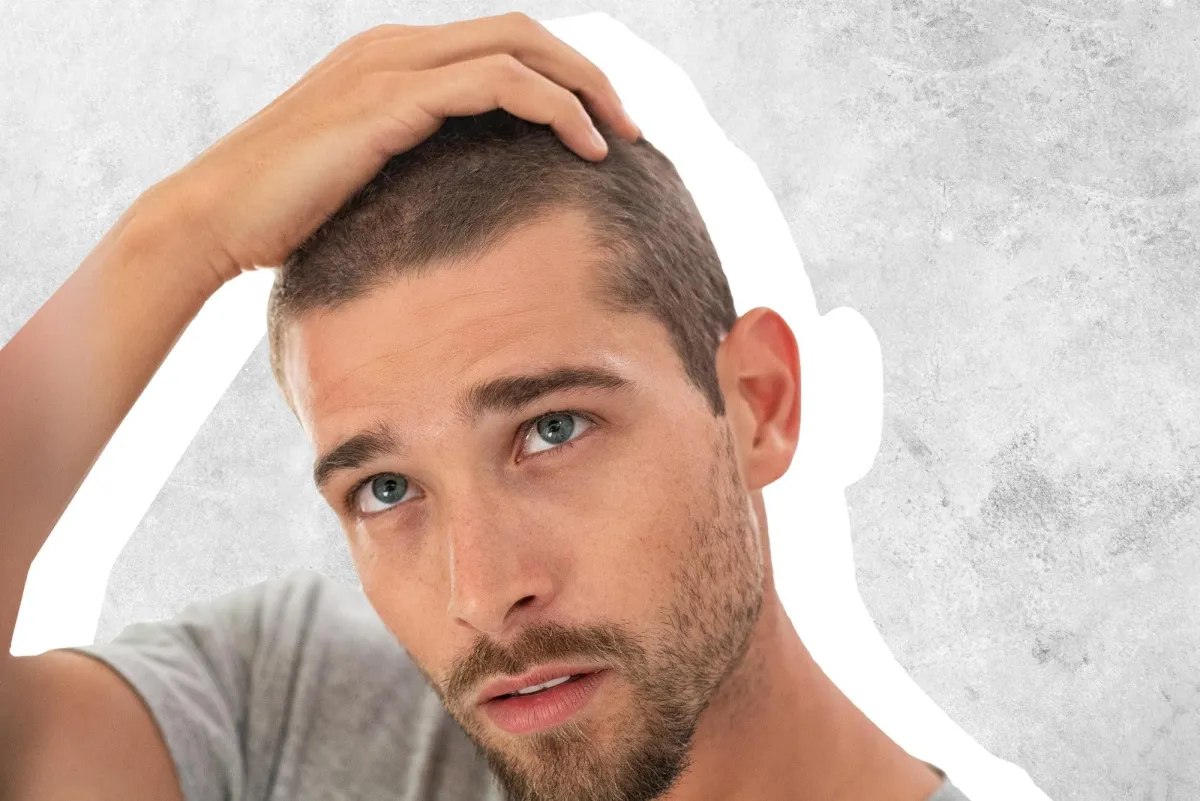
Losing your hair is never a good feeling, most men tend to feel self-conscious about it. Some men decide to completely shave off their heads or constantly wear a hat. One of the most common insecurities men face is hair thinning; for some men, it starts as early as in their 20s. The loss of confidence really starts to affect the way men do their hair and the types of hair cuts they get. Men start to worry about how they will be perceived by friends, family, and colleagues. Hair thinning should not be the cause of self distraughtness, and it should not limit men to have to continuously cover their heads. CADMEN Barbershop has compiled a list of the top 5 best haircuts for men experiencing early hair loss.

Barber Licensing: What It Requires and Why It Matters
Barber Licensing: What It Requires and Why It Matters
Most states and provinces in North America require barbers to hold a license before practicing commercially. Licensing exists to protect clients from unqualified practitioners and to ensure that barbers working on clients have met a minimum standard of training in both technical skills and health and sanitation practices.
What Licensing Typically Requires
In the United States, the specific requirements vary by state. Common elements include: completion of a state-approved barbering program (typically 1,000 to 1,500 hours), passing a written licensing examination that covers theory, sanitation, and regulations, and passing a practical examination where the applicant demonstrates technical competence on a live model or mannequin. Some states also require a specific period of supervised practice (similar to an apprenticeship requirement) before issuing a full license. The state board exam is the formal licensing gate, passing it means meeting the state's minimum competency standard.
Why It Matters for Clients
A licensed barber has met a minimum training standard that includes sanitation protocols, safe handling of implements, and basic competency in core techniques. An unlicensed person performing barbering services has not been evaluated against any standard. For clients, checking that a barbershop employs licensed barbers is a basic due-diligence step that most people skip but should not.
CADMEN Training
CADMEN's barbering program builds the skills needed for professional practice. academy.cadmen.ca/in-person-training.
Frequently Asked Questions
Do barbers need a license to cut hair?
In most states in the United States and most provinces in Canada, yes, barbers are required to hold a state or provincial license to practice commercially. The specific requirements and the name of the credential vary by jurisdiction: in most US states, the credential is called a Barber License issued by the state's board of cosmetology or barber board. Some states distinguish between a "barber" license and a "cosmetologist" license, with different scope of practice for each. In some states, barbering licenses cover specific services (haircutting, shaving, and beard services) while cosmetology licenses cover a broader set including chemical services. In Canada, requirements vary significantly by province. Some provinces regulate barbering separately from cosmetology; others combine them under a single personal services license. Ontario, for example, has a Hairstylist trade regulated under the Ontario College of Trades framework, while other provinces have different structures. What requires a license: practicing barbering services commercially on clients for compensation. This typically includes haircutting, fading, shaving, and beard services when done in exchange for payment. What is typically exempt: cutting hair for family members in a private, non-commercial context does not require a license in most jurisdictions. The practical check for clients: barbershops that are legally operating should have their license displayed visibly (some jurisdictions require this). When in doubt, ask the shop whether their barbers are licensed, a legitimate shop will confirm this without issue.
How long does it take to get a barber license?
The time required to get a barber license depends on the state's hour requirements and how fast the student can complete the training program. In the United States: most states require 1,000 to 1,500 barbering hours. At full-time attendance (35 to 40 hours per week), a 1,500-hour requirement takes approximately 10 to 12 months of school. A 1,000-hour requirement takes approximately 7 to 8 months. Students attending part-time take proportionally longer. After completing the required hours, the student must apply to sit for the state board examination. The exam application and scheduling process typically adds 1 to 3 months, depending on exam availability in the student's area. After passing the examination, the license is issued within days to a few weeks depending on the state. Total timeline from starting school to holding a license: 12 to 18 months at full-time attendance in a standard 1,500-hour state. States with lower hour requirements (some as low as 1,000 hours) can be completed in under a year full-time. In Canada: the timeline varies significantly by province and training pathway. The Ontario Hairstylist apprenticeship pathway, for example, involves a combination of on-the-job hours and in-school training that can span 2 to 3 years. Other provinces have accelerated school-based pathways with shorter timelines. Some jurisdictions also offer reciprocity provisions, a barber licensed in one state can transfer their license to another state without full re-testing, though they may need to meet any additional requirements the new state has.
What is the difference between a barber license and a cosmetology license?
The distinction between a barber license and a cosmetology license varies by state but generally follows this pattern: a barber license covers: haircutting (using clippers, scissors, and razors), shaving (straight razor and shavette), beard and mustache services, and often hair coloring and chemical services to a limited degree depending on the state. The training emphasizes clipper technique, fade work, and razor shaving. A cosmetology license covers: haircutting, hair coloring, chemical services (perms, relaxers), nail services, and skin/facial services depending on the state. The training scope is broader because it includes services beyond haircare. In states where both licenses exist, the differences are: the scope of services allowed varies, some states allow barbers to do everything a cosmetologist does; others restrict chemical services to cosmetologists. The training requirements differ, cosmetology programs typically require more hours (1,200 to 1,800 in most states) than barbering programs (1,000 to 1,500) because of the broader service scope. The focus of training differs, barber programs emphasize the clipper, fade, and razor skills that are central to men's grooming; cosmetology programs spend more time on chemical services and women's salon services. The practical implication for someone choosing a training path: if the primary goal is to work in a barbershop focused on men's haircuts and shaving, a barber license is the direct path. If the goal is a broader set of services including chemical services, coloring, and salon services, cosmetology is the relevant license. In some states, completing a cosmetology license allows practice in both contexts; in others, the barbering license is required specifically for barbershop settings.
Related Reading From CADMEN Barber Academy
- CADMEN Barber Academy: Hands-On Barber Training and Barbershop Business Coaching in Ontario
- How to Choose a Barber School: 7 Questions to Ask Before You Pay
- After Barber School and Still Can't Cut a Clean Fade? Here Is the Real Reason
- Barber Apprenticeship vs. Barber School: Which Path Is Better?
- How to Become a Barber: What the Path Actually Looks Like
- Barbering Certificate vs Diploma: What’s the Difference?
- Barbering Topics Index: Every Guide by Subject
Related guide: how to become a barber in Ontario. To train in person, see barber courses at CADMEN Barber Academy in Mississauga or view in-person classes and send an enquiry.

5 Best Haircuts for Men with
Early Hair Thinning
Losing your hair is never a good feeling, most men tend to feel self-conscious about it. Some men decide to completely shave off their heads or constantly wear a hat. One of the most common insecurities men face is hair thinning; for some men, it starts as early as in their 20s. The loss of confidence really starts to affect the way men do their hair and the types of hair cuts they get. Men start to worry about how they will be perceived by friends, family, and colleagues. Hair thinning should not be the cause of self distraughtness, and it should not limit men to have to continuously cover their heads. CADMEN Barbershop has compiled a list of the top 5 best haircuts for men experiencing early hair loss.


For any request, please contact us at info@cadmen.ca