
Barber Tips & Tricks
Follow us for the latest barber techniques and tips
Barber Tips & Tricks
Follow us for the latest barber techniques and tips
Top 7 Reasons Why Your Clients
Aren't Returning
Stay Ahead in the Barbering Game: Nurturing
Lifelong Clientele
You might have come across the saying “give a client a good cut at a reasonable price, and they'll be yours for life.” Unfortunately in reality this is not always the case. That’s where we come in! Check out some of the reasons why your clients may not be returning, whether they were long-term customers or a first-time appointment, below.

Top 7 Reasons Why Your Clients
Aren't Returning
Stay Ahead in the Barbering Game: Nurturing
Lifelong Clientele
You might have come across the saying “give a client a good cut at a reasonable price, and they'll be yours for life.” Unfortunately in reality this is not always the case. That’s where we come in! Check out some of the reasons why your clients may not be returning, whether they were long-term customers or a first-time appointment, below.
Career in Mobile Barbering: Key
Things You Need to Know about
While most barbers work in physical barbershops or hair salons, there are a growing number of barbers who work on-call. What does it mean to be a mobile barber? What are their primary responsibilities? Where to find them? In this blog, we will explain some key terms you should know about mobile barbering and how you can start a new career in it.

Career in Mobile Barbering: Key
Things You Need to Know about
While most barbers work in physical barbershops or hair salons, there are a growing number of barbers who work on-call. What does it mean to be a mobile barber? What are their primary responsibilities? Where to find them? In this blog, we will explain some key terms you should know about mobile barbering and how you can start a new career in it.
Top 4 Ways for Barbers to
Promote Themselves
Marketing is key. Knowing how to market yourself as a barber can be the difference between having 5 to 20 clients a day. If you are interested in boosting the number of your customers and furthering your advertising skills, read the list below with four ways to promote yourself as a barber.

Top 4 Ways for Barbers to
Promote Themselves
Marketing is key. Knowing how to market yourself as a barber can be the difference between having 5 to 20 clients a day. If you are interested in boosting the number of your customers and furthering your advertising skills, read the list below with four ways to promote yourself as a barber.
5 Tips for Social Media Content
Creating as a Barber
It is next to impossible to find someone who is not on social media today. More than just a tool for connection, social media is key helping barbers market themselves and promote their names and skills. If you want to up your barber game quickly, here are five tips on how to promote content online that you don't want to miss out on.

5 Tips for Social Media Content
Creating as a Barber
It is next to impossible to find someone who is not on social media today. More than just a tool for connection, social media is key helping barbers market themselves and promote their names and skills. If you want to up your barber game quickly, here are five tips on how to promote content online that you don't want to miss out on.
5 Best Haircuts for Men with
Early Hair Thinning
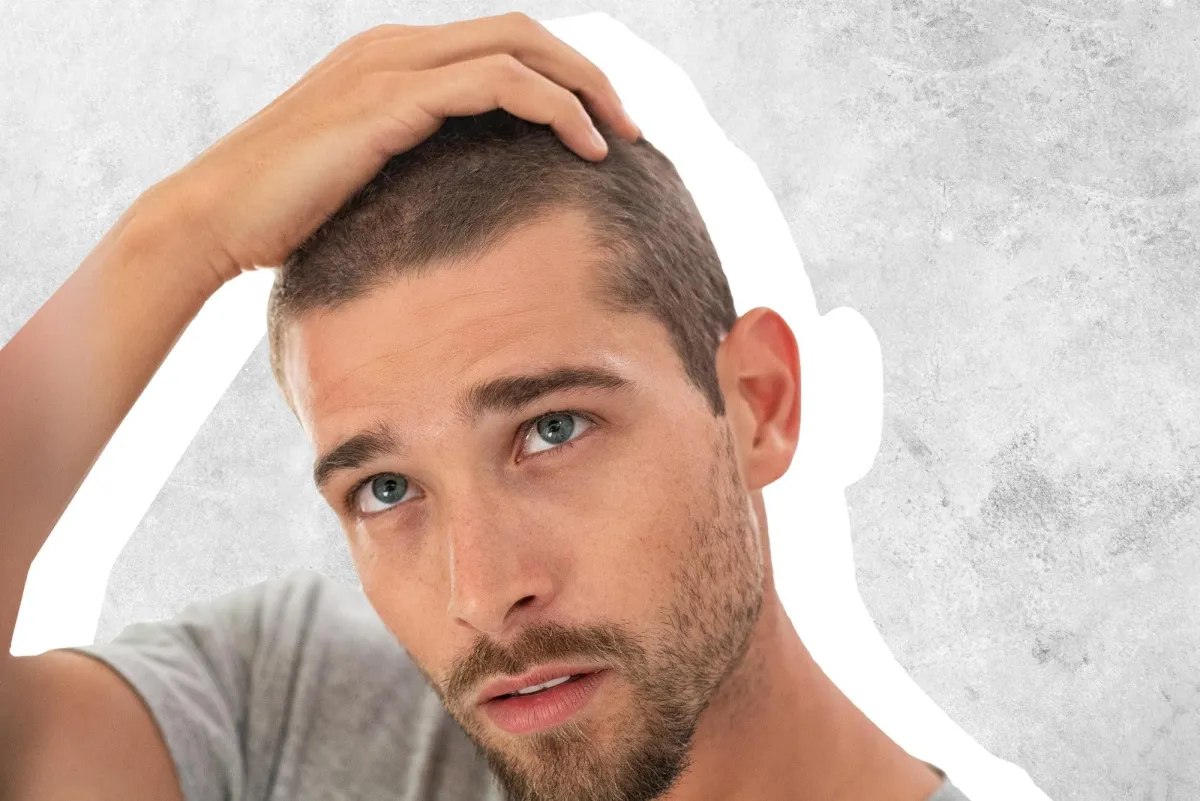
Losing your hair is never a good feeling, most men tend to feel self-conscious about it. Some men decide to completely shave off their heads or constantly wear a hat. One of the most common insecurities men face is hair thinning; for some men, it starts as early as in their 20s. The loss of confidence really starts to affect the way men do their hair and the types of hair cuts they get. Men start to worry about how they will be perceived by friends, family, and colleagues. Hair thinning should not be the cause of self distraughtness, and it should not limit men to have to continuously cover their heads. CADMEN Barbershop has compiled a list of the top 5 best haircuts for men experiencing early hair loss.
How to Cut Grey Hair: What Changes and Why
How to Cut Grey Hair: What Changes and Why
Grey hair is structurally different from pigmented hair. The changes are chemical and physical, not cosmetic, and they affect how grey hair behaves in the chair. Barbers who understand these differences produce better results on grey-haired clients and encounter fewer surprises during cuts.
What Changes in Grey Hair
Texture shift
As hair loses melanin (the pigment that gives hair its color), it often becomes coarser and more wiry. The hair shaft changes structure. Straight hair can become wavy or frizzy. Hair that was manageable and compliant becomes stiffer and harder to control with styling. Not all grey hair goes this route, but it is common enough to be a standard expectation for grey-haired clients.
Porosity increase
Grey hair typically has higher porosity than pigmented hair. It absorbs water and product faster but does not retain moisture as well. This affects how the hair behaves when wet (it may soak up water and appear denser), how it holds product (it may require more product for equivalent hold), and how it responds to heat styling.
Finer or coarser at the same time
Grey hair can simultaneously feel coarser (due to texture changes) while appearing finer visually (because grey hair can lose density). This paradox trips up barbers who expect coarser-feeling hair to be visually denser. A client with grey hair may have the tactile feel of thick hair but the visual appearance of thinning hair. Adjust accordingly.
Cutting Grey Hair: Adjustments
On the sides: fades and tapers
Grey hair fades and tapers the same way pigmented hair does from a technique standpoint. The visual result, however, looks different because the color contrast between different lengths is less pronounced in grey or white hair than in dark hair. A fade that appears seamless and smooth on dark hair can look hazy or less defined on grey hair because the grey and near-zero lengths have less color differentiation.
This does not require a different technique, but it requires slower, more careful blending and more attention to the lightest sections of the fade line. Running the blade slightly closer in the transition zones and taking a cleaner approach to the zero line produces crisper results on grey hair.
The scissor work on top
The texture change in grey hair means it does not always cooperate with scissor cutting the same way. Coarser, wiry grey hair resists scissors more and may require sharper scissors or more deliberate cutting technique. If your scissors pull or snag on grey hair when they would glide through darker hair, sharpness is the issue.
Point cutting works well on grey hair: the textured ends it creates are more flattering on grey hair than blunt cuts, which can emphasize the coarseness of the ends.
Wet vs. dry for grey hair
Grey hair behaves differently dry versus wet than pigmented hair does, because of the porosity. Wet grey hair can look and feel different from what it will be dry. Where possible, check the hair in its dry state to understand the client's natural texture before starting the cut.
Styling Product for Grey Hair
Grey hair typically needs more product than equivalent pigmented hair to achieve the same hold, because the higher porosity absorbs product faster. Pomades and styling creams may need to be applied in slightly larger amounts. Light-hold products may not hold grey hair through a full day.
Matte products (clays, pastes) work well on grey hair because they add texture definition without the flatness that shine-based products can create on hair without natural color richness. A matte clay on grey hair can look very clean and intentional.
The Fully Grey or White Client
Fully white or silver hair is softer and often finer than salt-and-pepper grey. The texture changes described above apply, but the finer shaft means the hair lies more easily. The fade and cut technique is the same; the finishing and product choice is the main variable.
Consultation for Grey-Haired Clients
Most grey-haired clients have had the same texture for years and know what works. Ask what product they use, what they have found works for hold, and whether the texture has changed recently. Grey-haired clients over 60 often want lower-maintenance styles that look good without extensive styling. Shorter, cleaner cuts with well-defined edges typically suit this preference better than longer styles requiring product and daily effort.
CADMEN Training
All hair types, including grey and fine hair, are represented in CADMEN's live client training program. Fade class: $1,750 + HST (small group) or $1,950 + HST (1-on-1). Book at academy.cadmen.ca/in-person-training.
Frequently Asked Questions
Why is grey hair harder to cut than pigmented hair?
Grey hair is often coarser, higher-porosity, and changes texture more than pigmented hair. The fade can look less defined on grey hair because the color contrast between different guard lengths is lower. Scissor cutting may meet more resistance. The hair may behave differently wet vs. dry due to increased porosity. None of these are insurmountable challenges, but they require adjusted technique and product choices compared to cutting dark, lower-porosity hair.
What is the best haircut for grey hair on men?
Clean, defined cuts tend to work better than longer styles that rely on color richness for visual interest. Short tapers and fades with a defined shape at the top complement grey hair well because they emphasize the structure of the cut rather than the density or color of the hair. Styles that require extensive product or heat to hold are harder to maintain for many grey-haired clients, particularly as the hair becomes finer with age.
Does grey hair need special products?
Not specialized grey-hair products, but grey hair typically needs more product volume than pigmented hair for equivalent hold, due to higher porosity. Matte finish products (clay, paste) work well on grey hair because they add definition without making the hair look flat. Heavy pomades can look too shiny on grey/white hair. A good barber will recommend product based on the specific texture and hold needs of the individual client.
Does a fade look good on grey hair?
Yes. A skin fade or taper on grey hair works well and suits most ages and face shapes. The visual contrast of the fade is slightly less dramatic on grey hair than on dark hair because the color difference between guard lengths is smaller, but the structural definition is the same. Clean edges, a sharp neckline, and precise blending look sharp on grey hair at any age.
How do you get a clean fade on grey hair?
The technique is the same as any fade: zero line at the base, build through guard sequence, blend with the flicking motion and lever adjustment. The additional attention on grey hair: slower, more careful blending at the transitions because the reduced color contrast means patches and lines are less forgiving visually. Taking more time at the transition zones and checking from multiple angles produces cleaner results on grey hair than on darker-pigmented hair.
Related Reading From CADMEN Barber Academy
- How to Cut Curly Hair: Barber Techniques and Approach
- The Bowl Cut Is Back: The Modern Version and How to Get It
- How to Cut a Buzz Cut: Guard Selection, Blending, and Common Mistakes
- The Buzz Cut: What It Is and What Face Shapes It Actually Works For
- Buzz Cut Guard Sizes: What Each Length Looks Like and How to Choose the Right One
- Buzz Cut Guard Lengths: What Each Number Does to Your Hair

5 Best Haircuts for Men with
Early Hair Thinning
Losing your hair is never a good feeling, most men tend to feel self-conscious about it. Some men decide to completely shave off their heads or constantly wear a hat. One of the most common insecurities men face is hair thinning; for some men, it starts as early as in their 20s. The loss of confidence really starts to affect the way men do their hair and the types of hair cuts they get. Men start to worry about how they will be perceived by friends, family, and colleagues. Hair thinning should not be the cause of self distraughtness, and it should not limit men to have to continuously cover their heads. CADMEN Barbershop has compiled a list of the top 5 best haircuts for men experiencing early hair loss.


For any request, please contact us at info@cadmen.ca