
Barber Tips & Tricks
Follow us for the latest barber techniques and tips
Barber Tips & Tricks
Follow us for the latest barber techniques and tips
Top 7 Reasons Why Your Clients
Aren't Returning
Stay Ahead in the Barbering Game: Nurturing
Lifelong Clientele
You might have come across the saying “give a client a good cut at a reasonable price, and they'll be yours for life.” Unfortunately in reality this is not always the case. That’s where we come in! Check out some of the reasons why your clients may not be returning, whether they were long-term customers or a first-time appointment, below.

Top 7 Reasons Why Your Clients
Aren't Returning
Stay Ahead in the Barbering Game: Nurturing
Lifelong Clientele
You might have come across the saying “give a client a good cut at a reasonable price, and they'll be yours for life.” Unfortunately in reality this is not always the case. That’s where we come in! Check out some of the reasons why your clients may not be returning, whether they were long-term customers or a first-time appointment, below.
Career in Mobile Barbering: Key
Things You Need to Know about
While most barbers work in physical barbershops or hair salons, there are a growing number of barbers who work on-call. What does it mean to be a mobile barber? What are their primary responsibilities? Where to find them? In this blog, we will explain some key terms you should know about mobile barbering and how you can start a new career in it.

Career in Mobile Barbering: Key
Things You Need to Know about
While most barbers work in physical barbershops or hair salons, there are a growing number of barbers who work on-call. What does it mean to be a mobile barber? What are their primary responsibilities? Where to find them? In this blog, we will explain some key terms you should know about mobile barbering and how you can start a new career in it.
Top 4 Ways for Barbers to
Promote Themselves
Marketing is key. Knowing how to market yourself as a barber can be the difference between having 5 to 20 clients a day. If you are interested in boosting the number of your customers and furthering your advertising skills, read the list below with four ways to promote yourself as a barber.

Top 4 Ways for Barbers to
Promote Themselves
Marketing is key. Knowing how to market yourself as a barber can be the difference between having 5 to 20 clients a day. If you are interested in boosting the number of your customers and furthering your advertising skills, read the list below with four ways to promote yourself as a barber.
5 Tips for Social Media Content
Creating as a Barber
It is next to impossible to find someone who is not on social media today. More than just a tool for connection, social media is key helping barbers market themselves and promote their names and skills. If you want to up your barber game quickly, here are five tips on how to promote content online that you don't want to miss out on.

5 Tips for Social Media Content
Creating as a Barber
It is next to impossible to find someone who is not on social media today. More than just a tool for connection, social media is key helping barbers market themselves and promote their names and skills. If you want to up your barber game quickly, here are five tips on how to promote content online that you don't want to miss out on.
5 Best Haircuts for Men with
Early Hair Thinning
Losing your hair is never a good feeling, most men tend to feel self-conscious about it. Some men decide to completely shave off their heads or constantly wear a hat. One of the most common insecurities men face is hair thinning; for some men, it starts as early as in their 20s. The loss of confidence really starts to affect the way men do their hair and the types of hair cuts they get. Men start to worry about how they will be perceived by friends, family, and colleagues. Hair thinning should not be the cause of self distraughtness, and it should not limit men to have to continuously cover their heads. CADMEN Barbershop has compiled a list of the top 5 best haircuts for men experiencing early hair loss.

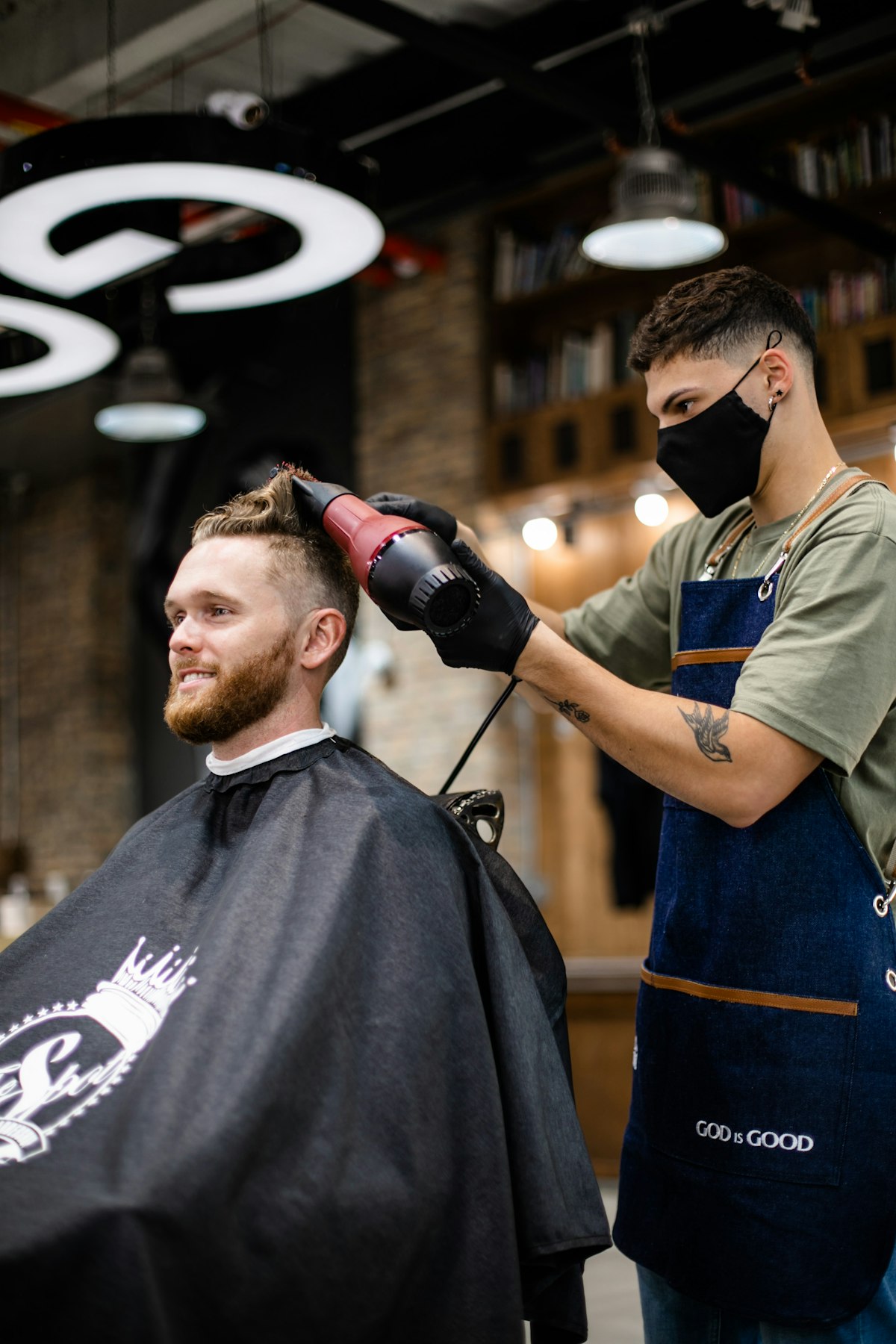
How Long Does It Take to Become a Barber?
How Long Does It Take to Become a Barber?
The timeline to become a working barber depends on which training path you take, your jurisdiction's licensing requirements, and how quickly you develop the practical skills to perform at a professional standard. In most North American markets, the realistic path from zero to working barber is 6 months to 2 years depending on the route chosen.
Licensed State/Provincial Programs
In most US states and Canadian provinces that regulate barbers under a licensing framework, completing an approved barbering program is required before taking a licensing exam. These programs typically run from 1,000 to 1,500 hours, which translates to roughly 6 to 12 months of full-time study at an accredited school. After completing the program hours, candidates sit for a written and practical licensing exam.
The licensed route is the longer path but produces a credential recognized across a wide range of employment and self-employment settings. It is required for barbers who want to work in regulated environments or open their own licensed shop.
Hands-On Training Programs
Focused hands-on training programs cover specific skills (fading, beards, scissor cutting) in concentrated formats of 1 to 5 days. These programs are not substitutes for full licensing in jurisdictions that require it, but they deliver specific technical skills rapidly and are appropriate for barbers who are already working but need to add or sharpen particular techniques, or for markets where licensing is not mandated.
CADMEN offers a two-day fade course in Mississauga with demonstrations, supervised practice on live models and educator feedback. Small-group classes have up to three students, and one-on-one training is also available. Confirm the skill you want to practise with our team before booking. View current details.
What Actually Determines How Fast You Develop
Hours logged matter more than calendar time. A student who performs 300 haircuts in their first year of training will develop faster than a student who performs 50. Volume of repetition with coaching feedback is the primary accelerator. Access to good mentorship, diverse client types, and hair textures compounds this further.
CADMEN Training
CADMEN offers in-person hands-on training in Mississauga. academy.cadmen.ca/in-person-training.
Frequently Asked Questions
How long does it take to become a barber in Canada?
Verify the requirements for your destination province and intended services before choosing a program. Ontario Hairstylist is compulsory, and Alberta’s Barber profile identifies compulsory certification. Start with the Ontario rules or Alberta Barber profile; do not substitute a general national training-hour estimate.
How long does it take to become a barber in the US?
In the United States, barbering is regulated at the state level and most states require a state-issued barber license to cut hair for compensation. The required training hours vary by state: most states require between 1,000 and 1,500 hours at a state-approved barbering school. At 35 hours per week (full-time), this translates to roughly 7 to 11 months of school. After completing the required hours, candidates sit a written exam and in most states a practical (hands-on) exam administered by the state board. Passing both earns the barber license. Full timeline from starting school to holding a license: approximately 9 to 14 months for full-time students. Some states allow an apprenticeship path, working under a licensed barber for a set number of hours, as an alternative to school. This path takes longer in calendar time (apprenticeships often run 2 years) but may be more accessible for people who cannot attend school. The apprenticeship path's availability and requirements vary by state. Check your specific state board for current hour requirements before enrolling, as requirements do change.
Is barbering school worth it?
Ontario offers different routes according to your background. A registered apprenticeship is one route. Experienced workers may qualify to challenge the certifying exam through a Trade Equivalency Assessment; holders of an eligible Canadian credential may use the recognized-certificate process. Ask Skilled Trades Ontario which route applies before choosing training.
Related Reading From CADMEN Barber Academy
- Barber Apprenticeship vs. Barber School: Which Path Is Better?
- After Barber School and Still Can't Cut a Clean Fade? Here Is the Real Reason
- Barber School Online vs. In-Person: What Each Actually Teaches and Where the Gaps Are
- How to Become a Barber Educator: The Path From Practitioner to Teacher
- Barbering Certificate vs Diploma: What’s the Difference?
- How to Become a Barber: The Honest Path from Zero to Working
- Barbering Topics Index: Every Guide by Subject

5 Best Haircuts for Men with
Early Hair Thinning
Losing your hair is never a good feeling, most men tend to feel self-conscious about it. Some men decide to completely shave off their heads or constantly wear a hat. One of the most common insecurities men face is hair thinning; for some men, it starts as early as in their 20s. The loss of confidence really starts to affect the way men do their hair and the types of hair cuts they get. Men start to worry about how they will be perceived by friends, family, and colleagues. Hair thinning should not be the cause of self distraughtness, and it should not limit men to have to continuously cover their heads. CADMEN Barbershop has compiled a list of the top 5 best haircuts for men experiencing early hair loss.


For any request, please contact us at info@cadmen.ca