
Barber Tips & Tricks
Follow us for the latest barber techniques and tips
Barber Tips & Tricks
Follow us for the latest barber techniques and tips
Top 7 Reasons Why Your Clients
Aren't Returning
Stay Ahead in the Barbering Game: Nurturing
Lifelong Clientele
You might have come across the saying “give a client a good cut at a reasonable price, and they'll be yours for life.” Unfortunately in reality this is not always the case. That’s where we come in! Check out some of the reasons why your clients may not be returning, whether they were long-term customers or a first-time appointment, below.

Top 7 Reasons Why Your Clients
Aren't Returning
Stay Ahead in the Barbering Game: Nurturing
Lifelong Clientele
You might have come across the saying “give a client a good cut at a reasonable price, and they'll be yours for life.” Unfortunately in reality this is not always the case. That’s where we come in! Check out some of the reasons why your clients may not be returning, whether they were long-term customers or a first-time appointment, below.
Career in Mobile Barbering: Key
Things You Need to Know about
While most barbers work in physical barbershops or hair salons, there are a growing number of barbers who work on-call. What does it mean to be a mobile barber? What are their primary responsibilities? Where to find them? In this blog, we will explain some key terms you should know about mobile barbering and how you can start a new career in it.

Career in Mobile Barbering: Key
Things You Need to Know about
While most barbers work in physical barbershops or hair salons, there are a growing number of barbers who work on-call. What does it mean to be a mobile barber? What are their primary responsibilities? Where to find them? In this blog, we will explain some key terms you should know about mobile barbering and how you can start a new career in it.
Top 4 Ways for Barbers to
Promote Themselves
Marketing is key. Knowing how to market yourself as a barber can be the difference between having 5 to 20 clients a day. If you are interested in boosting the number of your customers and furthering your advertising skills, read the list below with four ways to promote yourself as a barber.

Top 4 Ways for Barbers to
Promote Themselves
Marketing is key. Knowing how to market yourself as a barber can be the difference between having 5 to 20 clients a day. If you are interested in boosting the number of your customers and furthering your advertising skills, read the list below with four ways to promote yourself as a barber.
5 Tips for Social Media Content
Creating as a Barber
It is next to impossible to find someone who is not on social media today. More than just a tool for connection, social media is key helping barbers market themselves and promote their names and skills. If you want to up your barber game quickly, here are five tips on how to promote content online that you don't want to miss out on.

5 Tips for Social Media Content
Creating as a Barber
It is next to impossible to find someone who is not on social media today. More than just a tool for connection, social media is key helping barbers market themselves and promote their names and skills. If you want to up your barber game quickly, here are five tips on how to promote content online that you don't want to miss out on.
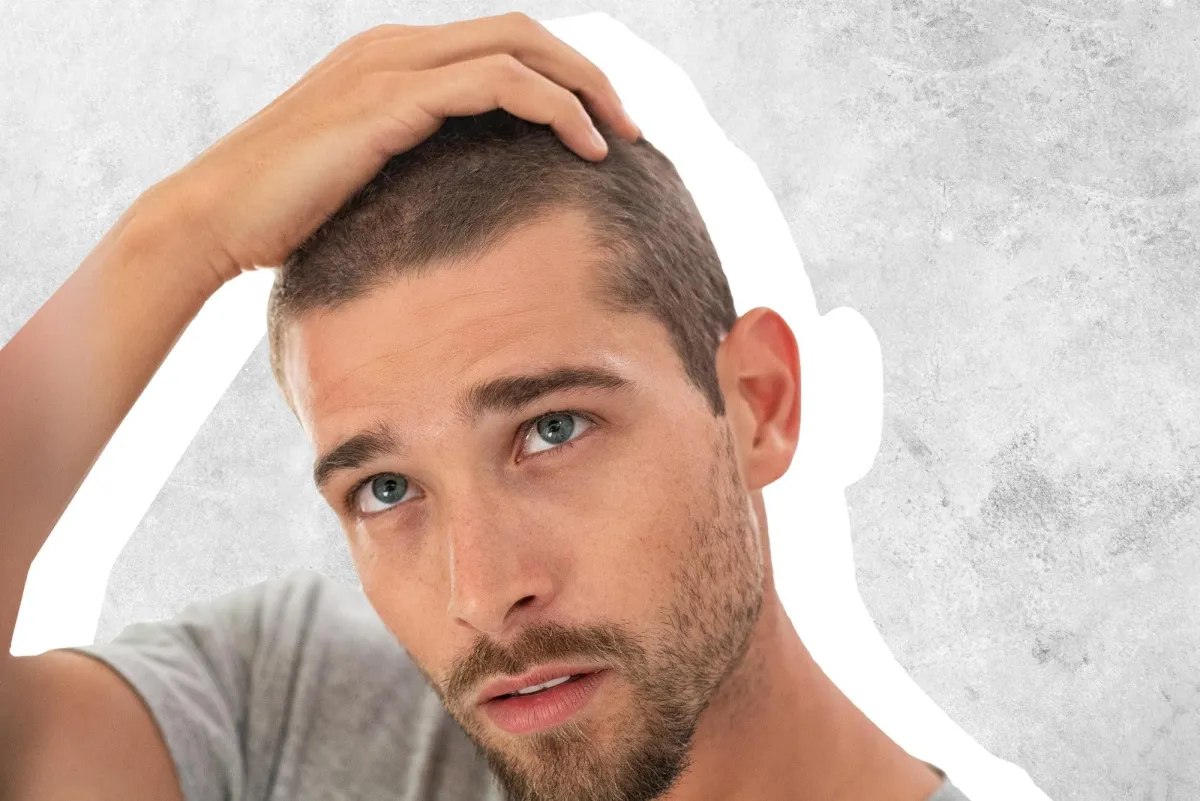
5 Best Haircuts for Men with
Early Hair Thinning
Losing your hair is never a good feeling, most men tend to feel self-conscious about it. Some men decide to completely shave off their heads or constantly wear a hat. One of the most common insecurities men face is hair thinning; for some men, it starts as early as in their 20s. The loss of confidence really starts to affect the way men do their hair and the types of hair cuts they get. Men start to worry about how they will be perceived by friends, family, and colleagues. Hair thinning should not be the cause of self distraughtness, and it should not limit men to have to continuously cover their heads. CADMEN Barbershop has compiled a list of the top 5 best haircuts for men experiencing early hair loss.

Men's Quiff Haircut: What It Is and How to Get It Right
Men's Quiff Haircut: What It Is and How to Get It Right
The quiff sits between the pompadour and the side part in terms of structure. It uses less extreme height than the pompadour and more front volume than a standard side-parted style. Understanding what defines it and how it differs from adjacent styles helps you communicate what you want at the barbershop.
What Defines the Quiff
The quiff is characterized by hair at the front and top of the head styled upward and slightly to one side, creating a soft peak or ridge at the front that sweeps back. Unlike the pompadour, which sweeps straight back from the hairline and creates height primarily at the forehead, the quiff has a more diagonal sweep, often partially to the side as well as back. The front section is the focal point. The sides are typically shorter than the top, creating a contrast that frames the front section; modern quiffs almost always pair the top with faded or closely cut sides.
Quiff vs. Pompadour
The pompadour sweeps straight back from the hairline with maximum height at the front. It has a formal, dramatic quality. The quiff sweeps at an angle (back and to one side), has less height, and reads as less formal and more contemporary. The pompadour is typically more product-heavy and more precisely styled; the quiff works with lighter products and a slightly undone, textured finish. The structural difference is in the direction and height of the front section: pompadour = straight back, high; quiff = angled, moderate height.
Hair Length Requirements
The quiff requires 2 to 4 inches of length at the front and crown to produce the signature sweep and volume. At 2 inches, you get a low, subtle quiff with a defined front ridge. At 3 to 4 inches, the quiff has more substance and movement. The sides can range from a short fade (low or mid) to a blended clipper cut; most contemporary quiff wearers opt for a mid fade to create a clean contrast between the longer top and shorter sides.
Styling the Quiff
Apply a medium-hold clay or matte pomade to damp hair. Blow dry the front section upward and to the side while pushing it back from the hairline; use the heat and direction together to set the sweep. Once dry, add a small additional amount of product to define the front ridge. The quiff does not require the heavy product load of the classic pompadour; the textured, slightly undone finish that most contemporary quiffs use is achieved with lighter products applied sparingly.
Frequently Asked Questions
What face shapes suit the quiff?
The quiff adds height and diagonal volume at the front, which creates visual length and draws attention upward. It suits round and square faces well because it elongates and adds dimension without adding side volume. Oval and heart-shaped faces work with most quiff variations. For oblong or rectangular faces (already visually long), a lower-profile quiff that does not add significant height is the better version; the dramatic high quiff on an oblong face further extends an already long profile.
Is the quiff high maintenance?
It requires daily styling effort to maintain the front sweep and volume; you cannot roll out of bed with a quiff already in place. The styling process takes 5 to 10 minutes with a blow dryer and product. The haircut itself needs touching up every 4 to 6 weeks; the sides if faded need maintenance at 3 to 4 weeks. The daily styling commitment is the primary maintenance requirement: if you are not willing to use a blow dryer in the morning, the quiff is harder to maintain than styles that require no daily direction work.
Can curly hair wear a quiff?
Yes. Curly hair produces a textured, voluminous version of the quiff that uses the natural curl body to achieve the front volume. The styling process for curly quiff hair involves applying a curl cream or light hold product to define the front section, then using the blow dryer with a diffuser to set the direction and volume without disturbing the curl pattern. The result is a softer, more organic version of the quiff shape than straight hair produces, with the curl texture adding visual interest to the front section.
Related Reading From CADMEN Barber Academy
- The Quiff: What Makes It Work and How to Style It
- Cutting Afro and Type 4 Hair: Techniques for Barbers Working with Coily Textures
- The Blowout Haircut: What It Is and How to Maintain It
- The Brush Up Haircut: What It Is and How to Style It
- The Caesar Haircut: What Makes It a Caesar and How to Cut It Cleanly
- The Comb Over Haircut: How Barbers Cut and Style the Most Versatile Men's Haircut
Want to learn to cut a quiff yourself? CADMEN Barber Academy teaches cutting hands-on, with an educator beside you. See the barber academy in Mississauga or view in-person classes and send an enquiry.
Watch the free Barbering for Beginners playlist on YouTube.

5 Best Haircuts for Men with
Early Hair Thinning
Losing your hair is never a good feeling, most men tend to feel self-conscious about it. Some men decide to completely shave off their heads or constantly wear a hat. One of the most common insecurities men face is hair thinning; for some men, it starts as early as in their 20s. The loss of confidence really starts to affect the way men do their hair and the types of hair cuts they get. Men start to worry about how they will be perceived by friends, family, and colleagues. Hair thinning should not be the cause of self distraughtness, and it should not limit men to have to continuously cover their heads. CADMEN Barbershop has compiled a list of the top 5 best haircuts for men experiencing early hair loss.


For any request, please contact us at info@cadmen.ca