
Barber Tips & Tricks
Follow us for the latest barber techniques and tips
Barber Tips & Tricks
Follow us for the latest barber techniques and tips
Top 7 Reasons Why Your Clients
Aren't Returning
Stay Ahead in the Barbering Game: Nurturing
Lifelong Clientele
You might have come across the saying “give a client a good cut at a reasonable price, and they'll be yours for life.” Unfortunately in reality this is not always the case. That’s where we come in! Check out some of the reasons why your clients may not be returning, whether they were long-term customers or a first-time appointment, below.

Top 7 Reasons Why Your Clients
Aren't Returning
Stay Ahead in the Barbering Game: Nurturing
Lifelong Clientele
You might have come across the saying “give a client a good cut at a reasonable price, and they'll be yours for life.” Unfortunately in reality this is not always the case. That’s where we come in! Check out some of the reasons why your clients may not be returning, whether they were long-term customers or a first-time appointment, below.
Career in Mobile Barbering: Key
Things You Need to Know about
While most barbers work in physical barbershops or hair salons, there are a growing number of barbers who work on-call. What does it mean to be a mobile barber? What are their primary responsibilities? Where to find them? In this blog, we will explain some key terms you should know about mobile barbering and how you can start a new career in it.

Career in Mobile Barbering: Key
Things You Need to Know about
While most barbers work in physical barbershops or hair salons, there are a growing number of barbers who work on-call. What does it mean to be a mobile barber? What are their primary responsibilities? Where to find them? In this blog, we will explain some key terms you should know about mobile barbering and how you can start a new career in it.
Top 4 Ways for Barbers to
Promote Themselves
Marketing is key. Knowing how to market yourself as a barber can be the difference between having 5 to 20 clients a day. If you are interested in boosting the number of your customers and furthering your advertising skills, read the list below with four ways to promote yourself as a barber.

Top 4 Ways for Barbers to
Promote Themselves
Marketing is key. Knowing how to market yourself as a barber can be the difference between having 5 to 20 clients a day. If you are interested in boosting the number of your customers and furthering your advertising skills, read the list below with four ways to promote yourself as a barber.
5 Tips for Social Media Content
Creating as a Barber
It is next to impossible to find someone who is not on social media today. More than just a tool for connection, social media is key helping barbers market themselves and promote their names and skills. If you want to up your barber game quickly, here are five tips on how to promote content online that you don't want to miss out on.

5 Tips for Social Media Content
Creating as a Barber
It is next to impossible to find someone who is not on social media today. More than just a tool for connection, social media is key helping barbers market themselves and promote their names and skills. If you want to up your barber game quickly, here are five tips on how to promote content online that you don't want to miss out on.
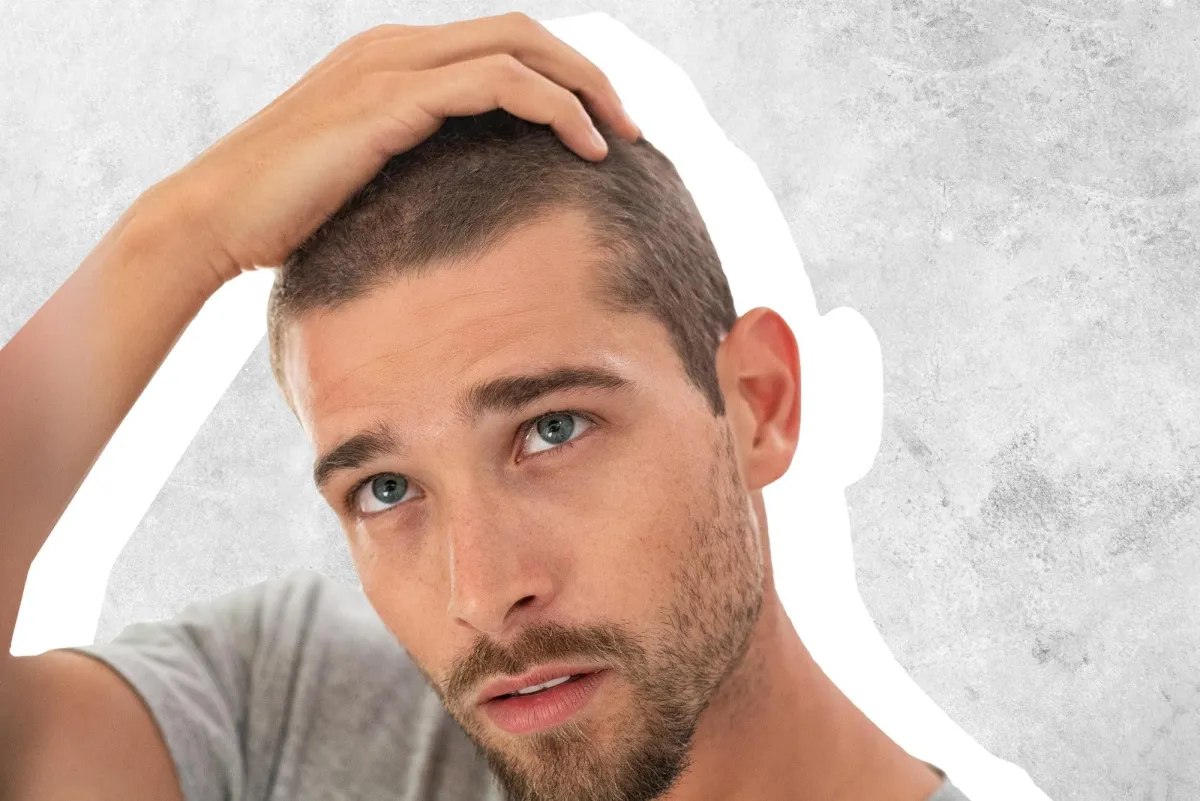
5 Best Haircuts for Men with
Early Hair Thinning
Losing your hair is never a good feeling, most men tend to feel self-conscious about it. Some men decide to completely shave off their heads or constantly wear a hat. One of the most common insecurities men face is hair thinning; for some men, it starts as early as in their 20s. The loss of confidence really starts to affect the way men do their hair and the types of hair cuts they get. Men start to worry about how they will be perceived by friends, family, and colleagues. Hair thinning should not be the cause of self distraughtness, and it should not limit men to have to continuously cover their heads. CADMEN Barbershop has compiled a list of the top 5 best haircuts for men experiencing early hair loss.

How Barbers Prepare Skin Before a Straight Razor Shave
How Barbers Prepare Skin Before a Straight Razor Shave
A straight razor shave at a barbershop is a significantly different experience from a home shave, and the quality of the outcome depends heavily on preparation. The shave itself takes roughly eight to twelve minutes. The preparation that makes it possible takes as long or longer. Understanding what barbers do before the blade touches the skin explains why the professional result is difficult to replicate at home without the same investment of time and materials.
The Purpose of Preparation
Straight razor shaving is a close-contact blade technique that removes hair at or just below the skin surface. Done without preparation, it causes irritation, nicks, razor burn, and missed hairs. The goal of preparation is to achieve three things before the blade is used: soften the hair so it cuts easily without dragging, lubricate the skin surface so the blade glides without friction, and open the pores to allow the closest possible cut. Each step in the barber's preparation routine addresses one or more of these goals.
The Hot Towel
The hot towel is the first step and the most recognizable element of a professional pre-shave preparation. A towel soaked in hot water is applied to the face for two to four minutes. The heat and steam penetrate the skin surface and soften both the hair shaft and the skin itself.
Hair absorbs water and swells when wet, becoming softer and easier to cut. A hair that is softened by heat and moisture offers significantly less resistance to the blade than a dry hair does. The hot towel also relaxes the skin, which makes it more pliable and easier to stretch properly during the shave.
The temperature of the towel is important. Too cool and it provides minimal softening. Too hot and it causes discomfort and can irritate sensitive skin. A well-prepared barber wrings the towel so it retains heat without dripping and applies it at the right temperature for the client's comfort level.
Pre-Shave Oil
After the hot towel, many barbers apply a pre-shave oil. The oil adds a lubricating layer to the skin surface that the lather applied afterward will work with rather than displace. Pre-shave oil keeps the skin lubricated throughout the shave, which is particularly helpful for men with dry or sensitive skin.
Not all barbers use pre-shave oil. It is a step that varies by barber and by client skin type. Men with naturally dry or sensitive skin benefit the most from it. Men with oilier skin may not need the extra lubrication layer.
Lathering the Shave Cream or Soap
The lather is the primary lubricating medium for the shave. A professional barber builds lather using a shave brush and either a shave soap or cream. The brush agitates the product and creates a thick, dense foam that coats the hair and skin with a lubricated cushion.
The brush application does more than simply coat the skin with product. The brush's bristles lift the facial hair slightly away from the skin as they work the lather in, presenting the hair more upright for the blade. The massaging action also increases blood flow to the area, which temporarily warms and softens the skin further.
Quality shave soaps and creams create a lather that stays slick throughout a several-pass shave. Consumer foams from cans dry out and thin quickly, which is one reason at-home shaving with these products produces more irritation than professional shaving with quality lather. The lather needs to maintain its cushioning and lubrication through the entire shave, not just the first pass.
Skin Stretching During the Shave
Preparation creates the conditions for a good shave, but the technique during the shave continues the skin management process. Barbers hold the skin taut while shaving by stretching it with the free hand. A taut, flat skin surface allows the blade to cut efficiently across it. Loose or slack skin causes the blade to drag and increases the risk of nicks.
This is one of the most difficult aspects of self-shaving with a straight razor. Stretching your own skin while controlling the blade requires a coordination that takes substantial practice. A professional barber's free hand is constantly adjusting position to keep the target area properly taut.
Frequently Asked Questions
How long does the full straight razor shave experience take at a barbershop?
A full hot towel straight razor shave including preparation, shave, and post-shave care takes approximately 25 to 45 minutes depending on the barber and the client's beard density. Some barbershops offer express services; a thorough professional shave cannot be properly executed faster than about 25 minutes without cutting the preparation short.
Should I shave at home before a barber appointment?
No. If you are getting a professional straight razor shave, arrive with natural beard growth. Shaving at home immediately before the appointment removes the hair the barber is working with. If you are getting a haircut only and the barber offers neckline cleanup with a razor, a day or two of growth at the neckline is ideal and makes their work cleaner.
Does the preparation help with ingrown hairs?
Yes. Softening the hair with heat and moisture reduces the stiffness that causes hair to cut at angles that lead to ingrowth. A close, properly prepared straight razor shave that cuts hair cleanly at or just above skin level is less likely to produce ingrown hairs than a dry, unlubricated shave that cuts hair at irregular angles.
Can I replicate this preparation at home?
Partially. A hot shower before shaving softens the hair and opens pores similarly to a hot towel. A quality shave soap or cream used with a brush produces better lather than canned foam. These two steps at home produce a meaningfully better result than a cold, foam-from-a-can shave. Matching the full barber preparation exactly at home requires the same materials and the same time investment that a professional shop puts in.
Is a straight razor shave safe for sensitive skin?
Yes, when properly prepared and executed. The preparation steps exist specifically to reduce irritation on sensitive skin. Men with sensitive skin who struggle with razor burn from standard multi-blade cartridges often find that a properly prepared professional straight razor shave produces less irritation. The difference is that a sharp single blade cuts cleanly with one stroke per pass, while a multi-blade cartridge stretches and cuts repeatedly in the same motion.
Related Reading From CADMEN Barber Academy
- Straight Razor Shave: What Barbers Need to Know
- Straight Razor Shave at the Barbershop: What It Involves and Whether It Is Worth It
- What Happens During a Straight Razor Shave at the Barbershop
- How to Prepare for a Straight Razor Shave: Client and Barber
- Straight Razor Technique for Barbers: The Basics of a Clean Shave and Safe Edge Work
- Straight-Razor Shaving at the Barbershop: What to Expect

5 Best Haircuts for Men with
Early Hair Thinning
Losing your hair is never a good feeling, most men tend to feel self-conscious about it. Some men decide to completely shave off their heads or constantly wear a hat. One of the most common insecurities men face is hair thinning; for some men, it starts as early as in their 20s. The loss of confidence really starts to affect the way men do their hair and the types of hair cuts they get. Men start to worry about how they will be perceived by friends, family, and colleagues. Hair thinning should not be the cause of self distraughtness, and it should not limit men to have to continuously cover their heads. CADMEN Barbershop has compiled a list of the top 5 best haircuts for men experiencing early hair loss.


For any request, please contact us at info@cadmen.ca