
Barber Tips & Tricks
Follow us for the latest barber techniques and tips
Barber Tips & Tricks
Follow us for the latest barber techniques and tips
Top 7 Reasons Why Your Clients
Aren't Returning
Stay Ahead in the Barbering Game: Nurturing
Lifelong Clientele
You might have come across the saying “give a client a good cut at a reasonable price, and they'll be yours for life.” Unfortunately in reality this is not always the case. That’s where we come in! Check out some of the reasons why your clients may not be returning, whether they were long-term customers or a first-time appointment, below.

Top 7 Reasons Why Your Clients
Aren't Returning
Stay Ahead in the Barbering Game: Nurturing
Lifelong Clientele
You might have come across the saying “give a client a good cut at a reasonable price, and they'll be yours for life.” Unfortunately in reality this is not always the case. That’s where we come in! Check out some of the reasons why your clients may not be returning, whether they were long-term customers or a first-time appointment, below.
Career in Mobile Barbering: Key
Things You Need to Know about
While most barbers work in physical barbershops or hair salons, there are a growing number of barbers who work on-call. What does it mean to be a mobile barber? What are their primary responsibilities? Where to find them? In this blog, we will explain some key terms you should know about mobile barbering and how you can start a new career in it.

Career in Mobile Barbering: Key
Things You Need to Know about
While most barbers work in physical barbershops or hair salons, there are a growing number of barbers who work on-call. What does it mean to be a mobile barber? What are their primary responsibilities? Where to find them? In this blog, we will explain some key terms you should know about mobile barbering and how you can start a new career in it.
Top 4 Ways for Barbers to
Promote Themselves
Marketing is key. Knowing how to market yourself as a barber can be the difference between having 5 to 20 clients a day. If you are interested in boosting the number of your customers and furthering your advertising skills, read the list below with four ways to promote yourself as a barber.

Top 4 Ways for Barbers to
Promote Themselves
Marketing is key. Knowing how to market yourself as a barber can be the difference between having 5 to 20 clients a day. If you are interested in boosting the number of your customers and furthering your advertising skills, read the list below with four ways to promote yourself as a barber.
5 Tips for Social Media Content
Creating as a Barber
It is next to impossible to find someone who is not on social media today. More than just a tool for connection, social media is key helping barbers market themselves and promote their names and skills. If you want to up your barber game quickly, here are five tips on how to promote content online that you don't want to miss out on.

5 Tips for Social Media Content
Creating as a Barber
It is next to impossible to find someone who is not on social media today. More than just a tool for connection, social media is key helping barbers market themselves and promote their names and skills. If you want to up your barber game quickly, here are five tips on how to promote content online that you don't want to miss out on.
5 Best Haircuts for Men with
Early Hair Thinning
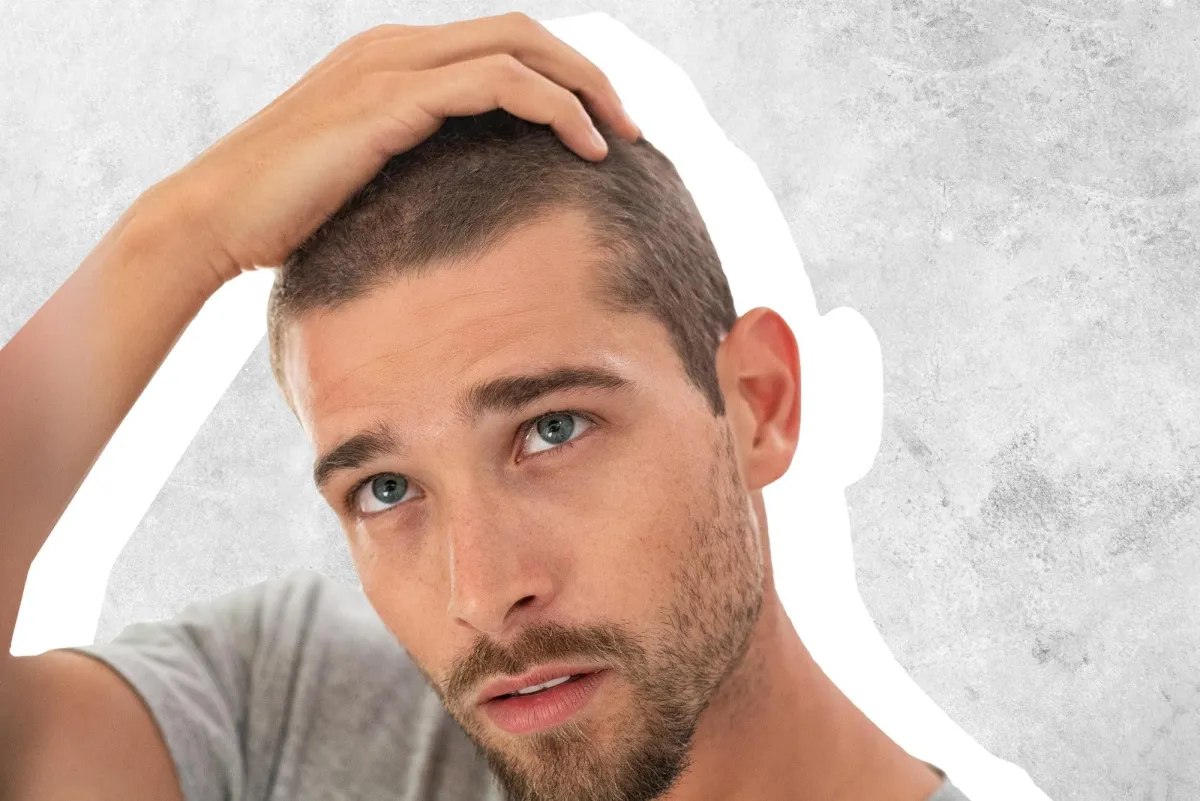
Losing your hair is never a good feeling, most men tend to feel self-conscious about it. Some men decide to completely shave off their heads or constantly wear a hat. One of the most common insecurities men face is hair thinning; for some men, it starts as early as in their 20s. The loss of confidence really starts to affect the way men do their hair and the types of hair cuts they get. Men start to worry about how they will be perceived by friends, family, and colleagues. Hair thinning should not be the cause of self distraughtness, and it should not limit men to have to continuously cover their heads. CADMEN Barbershop has compiled a list of the top 5 best haircuts for men experiencing early hair loss.
Barbershop Lobby and Waiting Area: What the Design Communicates
Barbershop Lobby and Waiting Area: What the Design Communicates
Most barbershop owners think about the stations, the chairs, and the mirror wall. The waiting area is frequently under-planned, which is a mistake. Every client walks through the waiting area before their service and sits in it before every appointment. The impression it creates shapes the client's expectation for the entire experience.
What the Waiting Area Says Before Anyone Speaks
A well-maintained, intentionally designed waiting area communicates: this shop is professional, organized, and worth paying for. A worn, mismatched, or cluttered waiting area communicates the opposite, regardless of how good the barbers are. Clients make these assessments in the first 10 to 30 seconds of walking in. Those assessments are hard to reverse once formed.
This matters commercially. A client who walks into a premium-feeling space is primed to accept premium pricing, tip more generously, and return more consistently. A client who walks into a cheap-feeling space has price anchored downward before they even sit down.
The Core Elements
Seating: Minimum 3 to 6 seats for a standard barbershop. The material and style should match the shop's aesthetic. Matching or coordinated seating communicates intention. Mismatched chairs (different styles, colors, heights) signal that the owner has not thought about the space. Cushioned seating is standard; hard bench seating is acceptable in a deliberately industrial or stripped-back aesthetic.
Lighting: The waiting area does not need the high-intensity work lighting of the stations, but it must not be dim or feel closed. Natural light where possible. Ambient LED at neutral to warm white (3,000K to 4,000K). Avoid fluorescent overhead strips, they read as institutional and counter the premium feel most barbershops are building.
Flooring: Clean, maintained flooring in a material consistent with the shop's aesthetic. Worn or stained flooring is the single most visible sign of deferred maintenance. If the floor is worn, it reads as: this owner lets things go.
Wall treatment: Artwork, mirrors, or branded elements. At minimum, one wall should have something intentional on it, a framed art print, a brand sign, a mirror. Bare white walls in a waiting area are a missed opportunity.
What to Include (and What to Skip)
Include: a coat hook or rack, a small magazine/reading shelf (optional but appreciated), a visible price list or menu board, a clear indication of the booking or walk-in system so clients know what to do when they arrive.
Skip: cluttered retail displays that block the space, personal items (family photos, non-brand art from a barber's home), visible storage boxes or equipment, anything that says "the owner ran out of space."
The Detail That Separates Average from Premium
Smell. The waiting area should smell clean and neutral at minimum, and ideally carry a subtle consistent scent that is part of the brand. A shop that smells of hair product, cleaning chemicals, and old clippings communicates something specific. A shop with a consistent, professional scent communicates something entirely different. This is a small detail with disproportionate impact on first impressions.
CADMEN Business Coaching
Shop environment design and client experience are covered in CADMEN's barbershop owner coaching program. academy.cadmen.ca.
Frequently Asked Questions
How do you set up a barbershop waiting area?
A functional professional waiting area requires: matching or coordinated seating (3 to 6 chairs minimum for a standard shop), adequate lighting at 3,000K to 4,500K neutral white, intentional wall treatment (artwork, branded signage, or mirrors, not bare walls), clean and maintained flooring, a price/menu display visible from the entrance, a coat hook or rack, and optionally a reading shelf or device-charging station. The total square footage for a waiting area can be modest (100 to 200 sq ft is sufficient for a small shop) as long as the elements within it are intentional and maintained. The common mistake is dedicating too little budget to the waiting area relative to the service stations, clients spend an equal or greater amount of time in the waiting area across their visits and form their strongest visual impression of the shop from it.
What should a barbershop have in the waiting area?
Essentials: seating for 3 to 6 clients (more for high-volume shops), ambient lighting, a displayed price list or service menu, and a visible process (sign-in sheet, booking kiosk, or clear walk-in instruction). Beneficial additions: a small magazine or reading material selection, a device charging station, branded retail products displayed on a shelf (which serve as both convenience and passive revenue, clients waiting 20 minutes are much more likely to browse and purchase retail than clients who are called immediately), and a clearly visible brand aesthetic element (logo sign, statement piece, distinctive wall treatment). What to avoid: cluttered retail overstocking that makes the space feel crowded, personal items that are not brand-consistent, visible storage or utility areas, and any element that is clearly deteriorating or unmaintained.
How does barbershop design affect client perception?
Barbershop design creates the client's price anchor. Research in service businesses consistently shows that the physical environment shapes the perceived value of the service before the service is delivered. A premium-looking barbershop environment, defined as clean, intentional, aesthetically consistent, and well-maintained, primes clients to expect (and accept) higher prices, tip more generously, and attribute higher quality to the same service they would evaluate more critically in a low-quality environment. The inverse is also true: a worn, cluttered, or low-effort environment creates downward price pressure regardless of the barber's skill. The waiting area is the first prolonged impression the client forms. Investing in it is investing in revenue, not in decoration.
What is the best flooring for a barbershop?
Barbershop flooring needs to handle hair, product spills, foot traffic, and the rolling weight of chairs and carts. Options by priority: luxury vinyl tile (LVT) or luxury vinyl plank (LVP), durable, water-resistant, available in designs that range from industrial to premium, easy to maintain, and mid-range cost; porcelain tile, extremely durable, premium appearance, easy to clean, higher installation cost, cold and hard underfoot which can matter in standing work environments; polished concrete, industrial aesthetic, very durable, high initial cost if resurfacing is required, can be sealed for easy maintenance; and standard vinyl sheet flooring at the budget end, which is functional but dates the space. Wood floors and laminate are avoided in barbershops due to water and product exposure, they warp and stain. Whatever flooring is chosen, the condition of the flooring carries more visual weight than the material, worn-out premium flooring looks worse than well-maintained budget flooring.
How important is a barbershop's environment compared to the barber's skill?
Both matter, but for different outcomes. Barber skill determines client satisfaction after the service and drives return visits and referrals based on the cut result. Shop environment determines client acquisition (first impressions, walk-in conversion, how the shop is perceived in photos), pricing power (the price ceiling clients will accept before looking elsewhere), and the kind of client the shop attracts (premium environments attract price-insensitive clients; budget environments attract price-sensitive clients). A shop with excellent barbers and poor environment will retain clients who found it through referral but will struggle with walk-in conversion and premium pricing. A shop with premium environment and average barbers will attract more clients but lose them on the service quality. The highest-revenue barbershops optimize both. Between the two, environment affects new-client acquisition more directly; skill affects client retention more directly.
Related Reading From CADMEN Barber Academy
- How to Set Up Online Booking for Your Barbershop
- Barbershop Interior Design: What Creates the Environment Clients Come Back For
- The Barbershop in American History: How a Service Became a Cultural Institution
- How Much Space Does a Barbershop Need? Square Footage by Shop Type
- Barbershop Signage Ideas: What Your Sign Communicates Before Clients Walk In
- Barbershop Waiting Area: How to Design a Space That Converts Walk-Ins and Retains Clients
- Barbering Topics Index: Every Guide by Subject

5 Best Haircuts for Men with
Early Hair Thinning
Losing your hair is never a good feeling, most men tend to feel self-conscious about it. Some men decide to completely shave off their heads or constantly wear a hat. One of the most common insecurities men face is hair thinning; for some men, it starts as early as in their 20s. The loss of confidence really starts to affect the way men do their hair and the types of hair cuts they get. Men start to worry about how they will be perceived by friends, family, and colleagues. Hair thinning should not be the cause of self distraughtness, and it should not limit men to have to continuously cover their heads. CADMEN Barbershop has compiled a list of the top 5 best haircuts for men experiencing early hair loss.


For any request, please contact us at info@cadmen.ca