
Barber Tips & Tricks
Follow us for the latest barber techniques and tips
Barber Tips & Tricks
Follow us for the latest barber techniques and tips
Top 7 Reasons Why Your Clients
Aren't Returning
Stay Ahead in the Barbering Game: Nurturing
Lifelong Clientele
You might have come across the saying “give a client a good cut at a reasonable price, and they'll be yours for life.” Unfortunately in reality this is not always the case. That’s where we come in! Check out some of the reasons why your clients may not be returning, whether they were long-term customers or a first-time appointment, below.

Top 7 Reasons Why Your Clients
Aren't Returning
Stay Ahead in the Barbering Game: Nurturing
Lifelong Clientele
You might have come across the saying “give a client a good cut at a reasonable price, and they'll be yours for life.” Unfortunately in reality this is not always the case. That’s where we come in! Check out some of the reasons why your clients may not be returning, whether they were long-term customers or a first-time appointment, below.
Career in Mobile Barbering: Key
Things You Need to Know about
While most barbers work in physical barbershops or hair salons, there are a growing number of barbers who work on-call. What does it mean to be a mobile barber? What are their primary responsibilities? Where to find them? In this blog, we will explain some key terms you should know about mobile barbering and how you can start a new career in it.

Career in Mobile Barbering: Key
Things You Need to Know about
While most barbers work in physical barbershops or hair salons, there are a growing number of barbers who work on-call. What does it mean to be a mobile barber? What are their primary responsibilities? Where to find them? In this blog, we will explain some key terms you should know about mobile barbering and how you can start a new career in it.
Top 4 Ways for Barbers to
Promote Themselves
Marketing is key. Knowing how to market yourself as a barber can be the difference between having 5 to 20 clients a day. If you are interested in boosting the number of your customers and furthering your advertising skills, read the list below with four ways to promote yourself as a barber.

Top 4 Ways for Barbers to
Promote Themselves
Marketing is key. Knowing how to market yourself as a barber can be the difference between having 5 to 20 clients a day. If you are interested in boosting the number of your customers and furthering your advertising skills, read the list below with four ways to promote yourself as a barber.
5 Tips for Social Media Content
Creating as a Barber
It is next to impossible to find someone who is not on social media today. More than just a tool for connection, social media is key helping barbers market themselves and promote their names and skills. If you want to up your barber game quickly, here are five tips on how to promote content online that you don't want to miss out on.

5 Tips for Social Media Content
Creating as a Barber
It is next to impossible to find someone who is not on social media today. More than just a tool for connection, social media is key helping barbers market themselves and promote their names and skills. If you want to up your barber game quickly, here are five tips on how to promote content online that you don't want to miss out on.
5 Best Haircuts for Men with
Early Hair Thinning
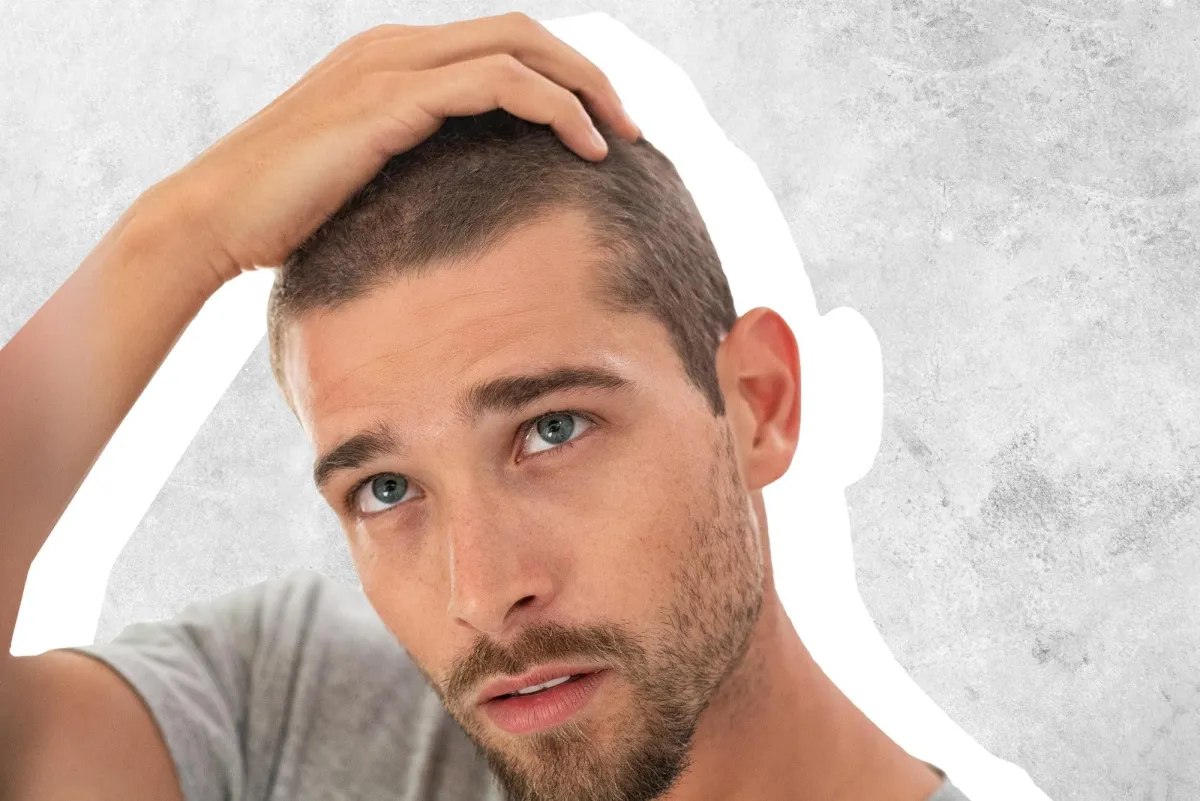
Losing your hair is never a good feeling, most men tend to feel self-conscious about it. Some men decide to completely shave off their heads or constantly wear a hat. One of the most common insecurities men face is hair thinning; for some men, it starts as early as in their 20s. The loss of confidence really starts to affect the way men do their hair and the types of hair cuts they get. Men start to worry about how they will be perceived by friends, family, and colleagues. Hair thinning should not be the cause of self distraughtness, and it should not limit men to have to continuously cover their heads. CADMEN Barbershop has compiled a list of the top 5 best haircuts for men experiencing early hair loss.
Beard Oil: What It Does and How to Use It
Beard Oil: What It Does and How to Use It
Beard oil is one of the most consistently useful products in a man's grooming routine once a beard reaches a noticeable length. Understanding what it actually does makes it easier to use correctly and to decide whether it belongs in your routine.
What Beard Oil Does
Beard oil primarily addresses two things: the beard hair and the skin underneath it. The hair in a beard is coarser than head hair and is exposed to less of the scalp's natural oils. Sebum produced at the follicle travels down a hair shaft, but a long beard puts the ends of the hair far from the follicle's oil supply. The ends of longer beard hairs are more dry and prone to becoming rough or brittle.
The skin under the beard is often irritated, dry, or flaky (beard dandruff), especially in men who do not moisturize specifically under the beard. The beard creates a surface that reduces airflow and blocks topical skincare from reaching the skin beneath. Beard oil penetrates through the beard hair to moisturize the skin at the follicle level.
What It Contains
Most beard oils use a carrier oil as the base. Common carrier oils include jojoba, argan, sweet almond, coconut, and grapeseed oil. Jojoba is particularly common because its molecular structure is similar to sebum, which is thought to make it well-accepted by both the skin and the hair shaft. Essential oils are added for scent and sometimes for additional benefit; tea tree oil (antibacterial), cedarwood, sandalwood, and citrus are common.
The carrier oil is the active component. Essential oils make up a small percentage of the formula and are primarily aromatic. A beard oil that smells strongly of a specific scent has a relatively high essential oil concentration. For men with sensitive skin, a lightly scented or unscented beard oil reduces the risk of irritation from essential oils.
When to Apply It
After washing the face or beard, when the skin and hair are slightly damp rather than soaking wet or completely dry. Damp hair and skin absorb oil more readily than completely dry surfaces. The warmth of the skin also helps the oil distribute. Apply directly after pat-drying the beard, while the skin still has some warmth and slight moisture from the wash.
How Much to Use
Less than most men expect. For a short beard (under 1 centimeter), 2 to 3 drops is typically sufficient. For a medium beard (1 to 3 centimeters), 4 to 6 drops. For a long beard (over 3 centimeters), 6 to 10 drops. Using too much oil leaves the beard looking greasy rather than groomed. Start at the lower end and add if needed. The beard should feel conditioned and soft, not visibly oily or slick.
Application Technique
Place the drops in the palm of one hand. Rub both palms together to distribute the oil evenly and warm it slightly. Work the hands through the beard from the skin outward, making sure the oil reaches the skin under the beard rather than just coating the outer surface of the beard hair. Follow with a beard brush or comb to distribute the oil further and train the beard direction.
Frequently Asked Questions
Does beard oil help with beard itch?
Yes, for most men. Beard itch during the growth phase is caused by dry skin under the beard and dry hair with sharp cut ends that catch on the skin. Beard oil moisturizes both the skin and the hair, reducing the irritation that causes itching. Men who experience severe persistent itching should also check for contact dermatitis from the oil's ingredients, which is uncommon but possible.
Can I use regular facial moisturizer instead of beard oil?
Facial moisturizer addresses the skin component but not the beard hair. It may not penetrate effectively through a dense beard to reach the skin. Beard oil is formulated to work on both hair and skin simultaneously in a format that distributes through beard hair. For men with short stubble (under 3mm), a facial moisturizer may be sufficient. For longer beards, beard oil or a beard-specific balm provides better coverage of both surfaces.
How often should I use beard oil?
Once daily after washing is standard for most beard lengths. Men in very dry climates or who wash frequently may benefit from twice-daily application. Men who do not wash daily may apply once every other day. The beard and skin should feel comfortable and non-dry; use that as the measure of frequency rather than a strict schedule.
Does beard oil help beard growth?
No. Beard oil conditions existing hair and skin but does not affect the follicle's growth rate or stimulate new follicle activity. Growth rate is determined by genetics and hormone levels. Beard oil improves the condition of the hair that grows but does not change how much grows or how fast. Products that claim to stimulate beard growth are not supported by strong evidence unless they contain minoxidil, which has some evidence for topical follicle stimulation but is a pharmaceutical rather than a cosmetic product.
Can beard oil cause breakouts?
Some oils are comedogenic (pore-clogging) and may contribute to breakouts in acne-prone skin. Coconut oil and wheat germ oil are among the more comedogenic carrier oils. Jojoba, argan, hemp seed, and rosehip oils are generally considered less comedogenic. Men with acne-prone skin should choose a beard oil with non-comedogenic carrier oils and avoid applying the oil directly to the skin along the jawline and cheeks if those areas are prone to breakouts. Starting with a small amount and monitoring skin response is the practical approach.
Related Reading From CADMEN Barber Academy
- Beard Balm vs. Beard Oil: The Difference, When to Use Each, and How to Explain It to Your Clients
- Beard Oil: What It Does and How to Use It
- Beard Oil for Men: What It Does and How to Use It
- Beard Balm vs. Beard Oil: What Each Product Does
- Beard Color for Barbers: Services, Techniques, and Adding Color to Your Menu
- How to Contour and Shape a Beard

5 Best Haircuts for Men with
Early Hair Thinning
Losing your hair is never a good feeling, most men tend to feel self-conscious about it. Some men decide to completely shave off their heads or constantly wear a hat. One of the most common insecurities men face is hair thinning; for some men, it starts as early as in their 20s. The loss of confidence really starts to affect the way men do their hair and the types of hair cuts they get. Men start to worry about how they will be perceived by friends, family, and colleagues. Hair thinning should not be the cause of self distraughtness, and it should not limit men to have to continuously cover their heads. CADMEN Barbershop has compiled a list of the top 5 best haircuts for men experiencing early hair loss.


For any request, please contact us at info@cadmen.ca