
Barber Tips & Tricks
Follow us for the latest barber techniques and tips
Barber Tips & Tricks
Follow us for the latest barber techniques and tips
Top 7 Reasons Why Your Clients
Aren't Returning
Stay Ahead in the Barbering Game: Nurturing
Lifelong Clientele
You might have come across the saying “give a client a good cut at a reasonable price, and they'll be yours for life.” Unfortunately in reality this is not always the case. That’s where we come in! Check out some of the reasons why your clients may not be returning, whether they were long-term customers or a first-time appointment, below.

Top 7 Reasons Why Your Clients
Aren't Returning
Stay Ahead in the Barbering Game: Nurturing
Lifelong Clientele
You might have come across the saying “give a client a good cut at a reasonable price, and they'll be yours for life.” Unfortunately in reality this is not always the case. That’s where we come in! Check out some of the reasons why your clients may not be returning, whether they were long-term customers or a first-time appointment, below.
Career in Mobile Barbering: Key
Things You Need to Know about
While most barbers work in physical barbershops or hair salons, there are a growing number of barbers who work on-call. What does it mean to be a mobile barber? What are their primary responsibilities? Where to find them? In this blog, we will explain some key terms you should know about mobile barbering and how you can start a new career in it.

Career in Mobile Barbering: Key
Things You Need to Know about
While most barbers work in physical barbershops or hair salons, there are a growing number of barbers who work on-call. What does it mean to be a mobile barber? What are their primary responsibilities? Where to find them? In this blog, we will explain some key terms you should know about mobile barbering and how you can start a new career in it.
Top 4 Ways for Barbers to
Promote Themselves
Marketing is key. Knowing how to market yourself as a barber can be the difference between having 5 to 20 clients a day. If you are interested in boosting the number of your customers and furthering your advertising skills, read the list below with four ways to promote yourself as a barber.

Top 4 Ways for Barbers to
Promote Themselves
Marketing is key. Knowing how to market yourself as a barber can be the difference between having 5 to 20 clients a day. If you are interested in boosting the number of your customers and furthering your advertising skills, read the list below with four ways to promote yourself as a barber.
5 Tips for Social Media Content
Creating as a Barber
It is next to impossible to find someone who is not on social media today. More than just a tool for connection, social media is key helping barbers market themselves and promote their names and skills. If you want to up your barber game quickly, here are five tips on how to promote content online that you don't want to miss out on.

5 Tips for Social Media Content
Creating as a Barber
It is next to impossible to find someone who is not on social media today. More than just a tool for connection, social media is key helping barbers market themselves and promote their names and skills. If you want to up your barber game quickly, here are five tips on how to promote content online that you don't want to miss out on.
5 Best Haircuts for Men with
Early Hair Thinning
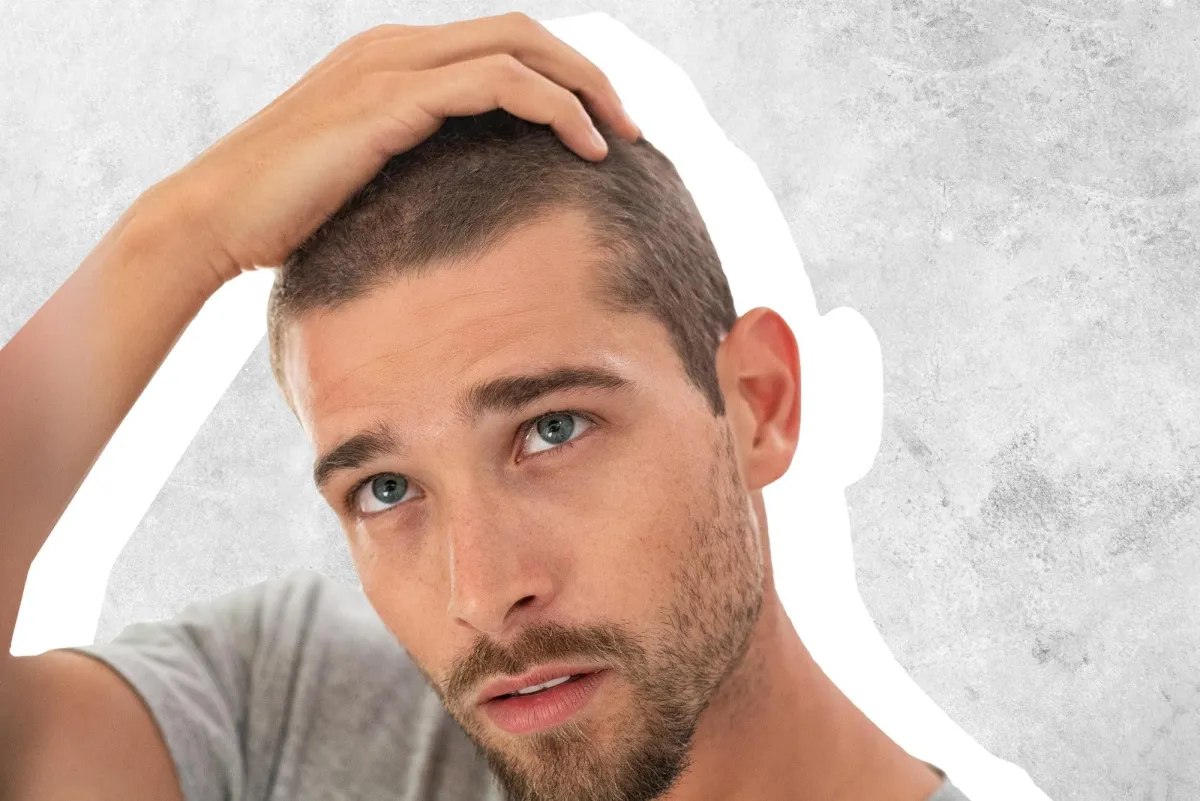
Losing your hair is never a good feeling, most men tend to feel self-conscious about it. Some men decide to completely shave off their heads or constantly wear a hat. One of the most common insecurities men face is hair thinning; for some men, it starts as early as in their 20s. The loss of confidence really starts to affect the way men do their hair and the types of hair cuts they get. Men start to worry about how they will be perceived by friends, family, and colleagues. Hair thinning should not be the cause of self distraughtness, and it should not limit men to have to continuously cover their heads. CADMEN Barbershop has compiled a list of the top 5 best haircuts for men experiencing early hair loss.

How to Hire Barbers: Portfolio, Interview and Practical Assessment
A useful barber hiring process starts with clarity about the work. Define the services, client experience, schedule and support the shop expects to provide. Then decide what evidence will help assess whether a candidate can meet those requirements.
Look beyond a polished portfolio
Ask for recent work relevant to the services on your menu. Discuss consistency, different client requests and the choices behind a result. A strong photograph is useful evidence of one outcome, but it does not show every part of the service.
Give candidates an opportunity to explain work they are still developing. A person starting a career may need a different assessment from an experienced barber. Do not assume that experience alone proves readiness for your shop's processes.
Ask consistent questions
A structured interview can explore consultation, handling feedback, responding to a booking error and communicating when a service will take longer than expected. Ask for examples and describe the standards the shop uses.
Assess reliability using relevant evidence. Avoid blanket statements that someone who never calls in sick is a better employee. Legitimate illness, protected leave and accommodation needs should not be confused with unwillingness to do the job.
Confirm authorization and assessment conditions
Before any live service, check the required trade authorization and supervision. In Ontario, Hairstylist is compulsory; Skilled Trades Ontario provides the current requirements. Completion of a private training course alone does not establish authorization for compulsory-trade work.
A practical assessment should use an agreed service, appropriate time, client or model consent and safe equipment. Clarify insurance and payment arrangements. Ontario's employee-status guidance explains that trial work can be employment even before an offer. Using a model does not by itself resolve those obligations.
Observe the process as well as the result
Where a lawful assessment is appropriate, observe consultation, preparation, technical choices, communication and cleanup. Record specific observations and allow the candidate to explain their approach. Use criteria connected to the role rather than an arbitrary pass mark or a personal impression alone.
Do not expect one assessment to reveal every character trait or predict long-term retention. References, conversations and supported onboarding provide additional information.
Explain the compensation arrangement
Describe how pay or rent is calculated, what costs are covered and what happens when appointments are quiet. Avoid comparing service revenue with take-home pay as though they were the same thing.
To explain a commission calculation, multiply service revenue by the agreed commission fraction before considering other applicable items. That calculation does not establish a typical rate, predict income or determine employment status. The actual relationship matters; see CRA's employee or self-employed guidance.
Match onboarding to the person
For a newer barber, plan observation, feedback and appropriate supervision. For an experienced hire, explain the shop's own booking, payment, consultation and cleaning procedures rather than assuming they are familiar.
Write down what the shop will teach, who will support the person and when progress will be reviewed. Adjust the plan based on demonstrated readiness, without promising a full appointment book by a fixed date.
Review recruitment sources with your own data
Track applications and outcomes from referrals, training contacts, job boards and other channels. Do not label one source as universally superior without evidence. See CADMEN business coaching for the current description of support with staff attraction and operations.
Correction, September 29, 2026: This article has been revised to remove unsupported statistics, outcome claims and descriptions of services that could not be verified. Examples are identified as examples. See linked official sources and current CADMEN pages for applicable requirements and available services.

5 Best Haircuts for Men with
Early Hair Thinning
Losing your hair is never a good feeling, most men tend to feel self-conscious about it. Some men decide to completely shave off their heads or constantly wear a hat. One of the most common insecurities men face is hair thinning; for some men, it starts as early as in their 20s. The loss of confidence really starts to affect the way men do their hair and the types of hair cuts they get. Men start to worry about how they will be perceived by friends, family, and colleagues. Hair thinning should not be the cause of self distraughtness, and it should not limit men to have to continuously cover their heads. CADMEN Barbershop has compiled a list of the top 5 best haircuts for men experiencing early hair loss.


For any request, please contact us at info@cadmen.ca