
Barber Tips & Tricks
Follow us for the latest barber techniques and tips
Barber Tips & Tricks
Follow us for the latest barber techniques and tips
Top 7 Reasons Why Your Clients
Aren't Returning
Stay Ahead in the Barbering Game: Nurturing
Lifelong Clientele
You might have come across the saying “give a client a good cut at a reasonable price, and they'll be yours for life.” Unfortunately in reality this is not always the case. That’s where we come in! Check out some of the reasons why your clients may not be returning, whether they were long-term customers or a first-time appointment, below.

Top 7 Reasons Why Your Clients
Aren't Returning
Stay Ahead in the Barbering Game: Nurturing
Lifelong Clientele
You might have come across the saying “give a client a good cut at a reasonable price, and they'll be yours for life.” Unfortunately in reality this is not always the case. That’s where we come in! Check out some of the reasons why your clients may not be returning, whether they were long-term customers or a first-time appointment, below.
Career in Mobile Barbering: Key
Things You Need to Know about
While most barbers work in physical barbershops or hair salons, there are a growing number of barbers who work on-call. What does it mean to be a mobile barber? What are their primary responsibilities? Where to find them? In this blog, we will explain some key terms you should know about mobile barbering and how you can start a new career in it.

Career in Mobile Barbering: Key
Things You Need to Know about
While most barbers work in physical barbershops or hair salons, there are a growing number of barbers who work on-call. What does it mean to be a mobile barber? What are their primary responsibilities? Where to find them? In this blog, we will explain some key terms you should know about mobile barbering and how you can start a new career in it.
Top 4 Ways for Barbers to
Promote Themselves
Marketing is key. Knowing how to market yourself as a barber can be the difference between having 5 to 20 clients a day. If you are interested in boosting the number of your customers and furthering your advertising skills, read the list below with four ways to promote yourself as a barber.

Top 4 Ways for Barbers to
Promote Themselves
Marketing is key. Knowing how to market yourself as a barber can be the difference between having 5 to 20 clients a day. If you are interested in boosting the number of your customers and furthering your advertising skills, read the list below with four ways to promote yourself as a barber.
5 Tips for Social Media Content
Creating as a Barber
It is next to impossible to find someone who is not on social media today. More than just a tool for connection, social media is key helping barbers market themselves and promote their names and skills. If you want to up your barber game quickly, here are five tips on how to promote content online that you don't want to miss out on.

5 Tips for Social Media Content
Creating as a Barber
It is next to impossible to find someone who is not on social media today. More than just a tool for connection, social media is key helping barbers market themselves and promote their names and skills. If you want to up your barber game quickly, here are five tips on how to promote content online that you don't want to miss out on.
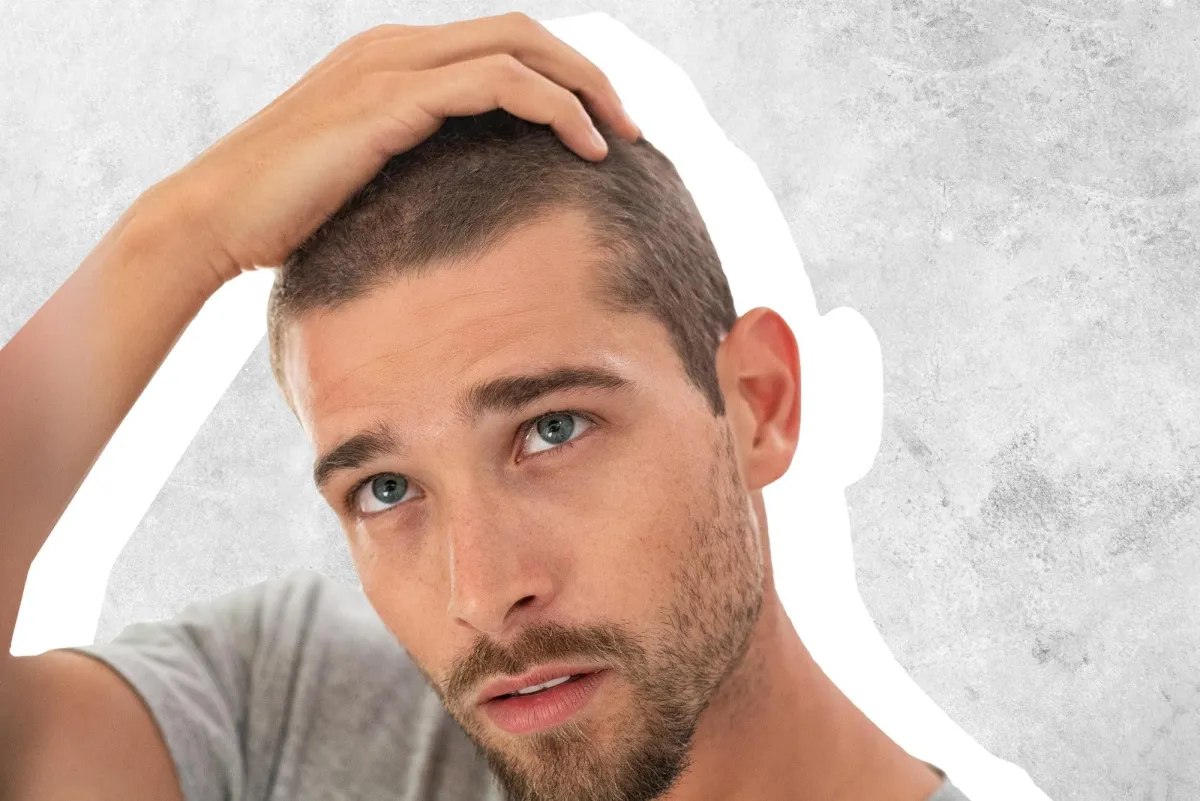
5 Best Haircuts for Men with
Early Hair Thinning
Losing your hair is never a good feeling, most men tend to feel self-conscious about it. Some men decide to completely shave off their heads or constantly wear a hat. One of the most common insecurities men face is hair thinning; for some men, it starts as early as in their 20s. The loss of confidence really starts to affect the way men do their hair and the types of hair cuts they get. Men start to worry about how they will be perceived by friends, family, and colleagues. Hair thinning should not be the cause of self distraughtness, and it should not limit men to have to continuously cover their heads. CADMEN Barbershop has compiled a list of the top 5 best haircuts for men experiencing early hair loss.

How to Tell If Your Barber Is Using Dull Blades
How to Tell If Your Barber Is Using Dull Blades
Dull clipper and trimmer blades produce identifiable problems in a haircut. Most clients notice the symptoms without knowing the cause. Understanding what dull blades look and feel like helps you give your barber accurate feedback and understand why a particular cut felt different from usual.
Pulling and Tugging During the Cut
Sharp blades cut through hair cleanly in a single pass. Dull blades do not cut as much as drag and pull the hair before it breaks. If you feel a persistent tugging sensation during the cut, especially in areas being clipped with the grain, the blades may be dull or misaligned. A single pull on a thick section is normal; repeated pulling throughout the cut is not.
Uneven or Choppy Results
Dull blades cut inconsistently. Where sharp blades produce a clean, even line, dull blades leave an uneven result, some hairs cut shorter, others longer, creating a choppy or slightly ragged appearance rather than a clean gradient or line. This shows up most visibly in the fade zone and along the neckline.
Skin Irritation After the Cut
Dull blades cause more friction on the skin than sharp ones. The tugging motion can cause redness and irritation, particularly at the neckline and around the ears where the clippers work close to the skin. If you regularly experience redness or razor-like irritation after clippers work rather than after a straight-razor shave, dull blades are a likely factor.
What Good Barbers Do
Professional barbers oil their blades regularly, zero-gap their trimmers for clean lines, and replace blades or send clippers for servicing when they dull. A barber who oils blades visibly during or before your service is demonstrating good tool maintenance habits. If the cut feels rough, mentioning it calmly gives the barber the opportunity to switch tools.
CADMEN Training
CADMEN Barber Academy teaches tool maintenance alongside cutting technique. academy.cadmen.ca/in-person-training.
Frequently Asked Questions
How often should a barber change or sharpen clipper blades?
The answer depends on volume and the type of work. For a barber working full-time on 6 to 10 clients per day, the general professional standard is blade sharpening every 3 to 6 months for primary workhorses, with inspection more frequently. The variables: how often the blades are oiled (regular oiling significantly extends blade life), the hair types worked on (coarse, thick, or heavily product-coated hair dulls blades faster than fine, clean hair), and whether the blades are properly aligned (misaligned blades wear faster and cut poorly even when sharp). Practical indicators that it is time: the blades pull consistently rather than occasionally, the cut feels rough, or the barber notices the clipper requires multiple passes to achieve what used to take one. Most professional barbers have multiple sets of blades and rotate them, keeping a fresh set ready and retiring dulling blades to sharpening rather than continuing to use them. The expectation for clients: you should not regularly experience pulling or skin irritation during a clippers-based cut. Occasional roughness on thick sections is normal; consistent tugging throughout the cut is a tool issue. If you notice a pattern over multiple visits (not just one), it is worth mentioning.
Is there a way to tell before the cut starts if the blades are dull?
There is no client-visible pre-cut test, but there are soft signals you can observe. The oil test: before or during setup, professional barbers often apply blade oil. If a barber oils their blades before starting, that is a positive signal about their maintenance habits. The blade appearance: severely dull blades sometimes show visible rust, discoloration, or roughness on the cutting edge. This is not always visible from the client's position, and mild dulling is not visually obvious, but heavily worn blades often look different from sharp ones. The barber's behavior: a barber who frequently stops mid-cut to adjust, re-oil, or switch clippers is managing tool performance in real time, generally a sign of attentiveness rather than a problem. The sound of the clipper: severely dull or misaligned blades sometimes produce a different sound than well-maintained blades, more of a grinding or rattling quality versus a clean hum. This is subtle and not reliable as a diagnostic, but trained ears sometimes notice it. The most reliable indicator is still how the cut feels during, pulling, repeated passes on the same section, or uneven results after the fact. These are observable and worth noting.
What should you say to a barber if the cut feels rough or is pulling?
Say it directly and without accusation during the cut, not after: "That feels like it's pulling a bit." That is enough information. A professional barber will either check their blades, switch to a different clipper, or explain why the sensation is expected for the section being worked on (some areas near the crown, with difficult hair growth patterns, can pull on even sharp blades). What you do not need to do: diagnose the problem for them ("your blades are dull"), express frustration, or stay silent hoping it improves. Barbers who care about their work want to know when something is off. The pulling sensation often directly affects the cut quality, so it is in both parties' interest to address it. If the barber dismisses the feedback and continues without any adjustment, that is useful information about how they handle client input. If the issue is consistent across multiple visits and the barber does not address it after being told, the tool maintenance practices at that shop may be below standard. Most clients find that a simple, calm mention mid-cut resolves the situation quickly, the barber switches tools, adjusts, and the rest of the cut proceeds normally.
Related Reading From CADMEN Barber Academy
- Early Signs of Hair Loss in Men: What to Look For and What to Do First
- Early Signs of Hair Loss in Men and What to Do About Them
- Early Signs of Hair Loss Men Miss: What Barbers See First
- Straight Razor Shave: What Barbers Need to Know
- Razor Fading: When to Use a Straight Razor on Fades and What It Actually Does
- How Barbers Use Clippers vs. Scissors: What Each Tool Does
- Barbering Topics Index: Every Guide by Subject

5 Best Haircuts for Men with
Early Hair Thinning
Losing your hair is never a good feeling, most men tend to feel self-conscious about it. Some men decide to completely shave off their heads or constantly wear a hat. One of the most common insecurities men face is hair thinning; for some men, it starts as early as in their 20s. The loss of confidence really starts to affect the way men do their hair and the types of hair cuts they get. Men start to worry about how they will be perceived by friends, family, and colleagues. Hair thinning should not be the cause of self distraughtness, and it should not limit men to have to continuously cover their heads. CADMEN Barbershop has compiled a list of the top 5 best haircuts for men experiencing early hair loss.


For any request, please contact us at info@cadmen.ca