
Barber Tips & Tricks
Follow us for the latest barber techniques and tips
Barber Tips & Tricks
Follow us for the latest barber techniques and tips
Top 7 Reasons Why Your Clients
Aren't Returning
Stay Ahead in the Barbering Game: Nurturing
Lifelong Clientele
You might have come across the saying “give a client a good cut at a reasonable price, and they'll be yours for life.” Unfortunately in reality this is not always the case. That’s where we come in! Check out some of the reasons why your clients may not be returning, whether they were long-term customers or a first-time appointment, below.

Top 7 Reasons Why Your Clients
Aren't Returning
Stay Ahead in the Barbering Game: Nurturing
Lifelong Clientele
You might have come across the saying “give a client a good cut at a reasonable price, and they'll be yours for life.” Unfortunately in reality this is not always the case. That’s where we come in! Check out some of the reasons why your clients may not be returning, whether they were long-term customers or a first-time appointment, below.
Career in Mobile Barbering: Key
Things You Need to Know about
While most barbers work in physical barbershops or hair salons, there are a growing number of barbers who work on-call. What does it mean to be a mobile barber? What are their primary responsibilities? Where to find them? In this blog, we will explain some key terms you should know about mobile barbering and how you can start a new career in it.

Career in Mobile Barbering: Key
Things You Need to Know about
While most barbers work in physical barbershops or hair salons, there are a growing number of barbers who work on-call. What does it mean to be a mobile barber? What are their primary responsibilities? Where to find them? In this blog, we will explain some key terms you should know about mobile barbering and how you can start a new career in it.
Top 4 Ways for Barbers to
Promote Themselves
Marketing is key. Knowing how to market yourself as a barber can be the difference between having 5 to 20 clients a day. If you are interested in boosting the number of your customers and furthering your advertising skills, read the list below with four ways to promote yourself as a barber.

Top 4 Ways for Barbers to
Promote Themselves
Marketing is key. Knowing how to market yourself as a barber can be the difference between having 5 to 20 clients a day. If you are interested in boosting the number of your customers and furthering your advertising skills, read the list below with four ways to promote yourself as a barber.
5 Tips for Social Media Content
Creating as a Barber
It is next to impossible to find someone who is not on social media today. More than just a tool for connection, social media is key helping barbers market themselves and promote their names and skills. If you want to up your barber game quickly, here are five tips on how to promote content online that you don't want to miss out on.

5 Tips for Social Media Content
Creating as a Barber
It is next to impossible to find someone who is not on social media today. More than just a tool for connection, social media is key helping barbers market themselves and promote their names and skills. If you want to up your barber game quickly, here are five tips on how to promote content online that you don't want to miss out on.
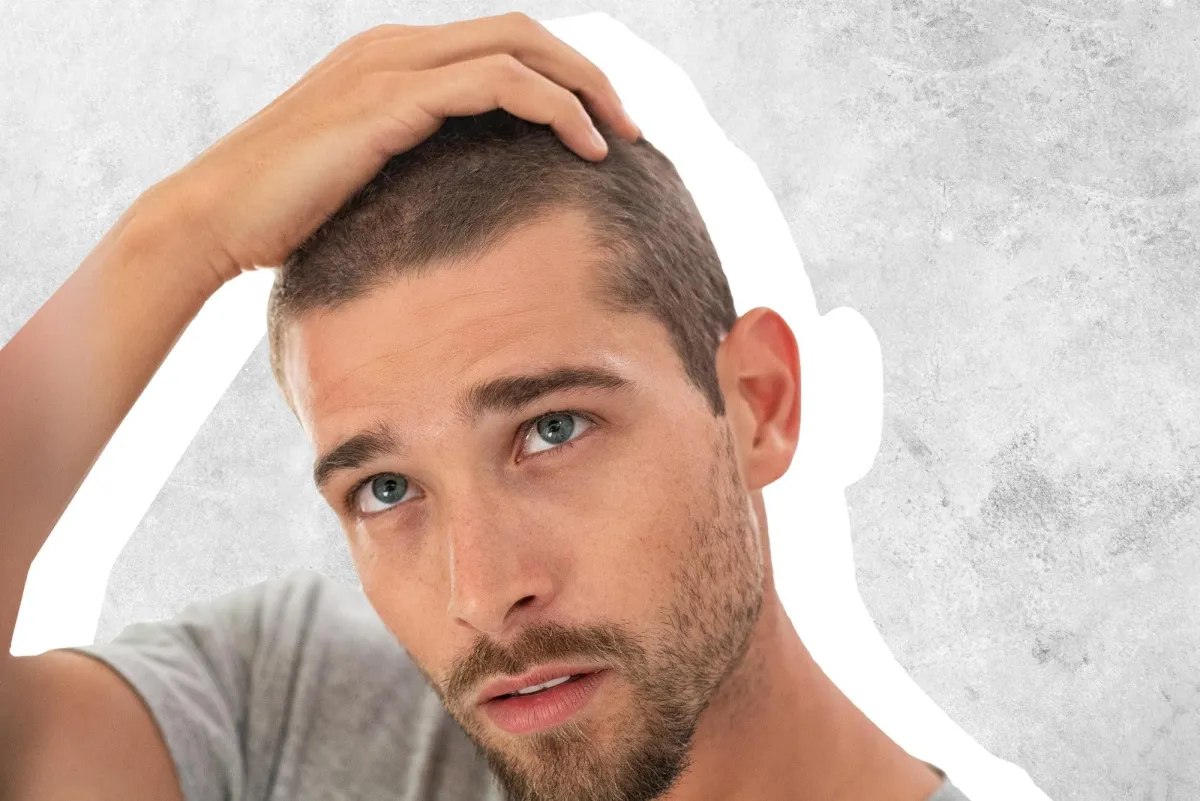
5 Best Haircuts for Men with
Early Hair Thinning
Losing your hair is never a good feeling, most men tend to feel self-conscious about it. Some men decide to completely shave off their heads or constantly wear a hat. One of the most common insecurities men face is hair thinning; for some men, it starts as early as in their 20s. The loss of confidence really starts to affect the way men do their hair and the types of hair cuts they get. Men start to worry about how they will be perceived by friends, family, and colleagues. Hair thinning should not be the cause of self distraughtness, and it should not limit men to have to continuously cover their heads. CADMEN Barbershop has compiled a list of the top 5 best haircuts for men experiencing early hair loss.

How to Clean and Care for Clipper Blades
How to Clean and Care for Clipper Blades
A blade that has not been cleaned properly pulls hair rather than cutting it. The pulling sensation is immediately uncomfortable for the client, and the uneven cut quality from a dull or clogged blade is visible in the finished result. Blade maintenance is not supplemental barber knowledge, it is fundamental. Clean, sharp, properly oiled blades are the baseline for professional work.
Why Blades Degrade
Clipper blades cut through thousands of hairs per day. Hair and skin cells accumulate between the blade teeth during each use. Product residue from pomades, waxes, and beard products on the client's hair transfers to the blade and builds up in the teeth. Without regular cleaning, this buildup creates friction between the blade surfaces, which generates heat, degrades cutting performance, and accelerates wear.
A blade that feels hot after a few minutes of use is a blade with insufficient lubrication and likely inadequate cleaning frequency.
After Every Client: Quick Clean
After each client, remove visible hair from the blade using a stiff barbershop brush. Brush from the back of the blade forward and along the sides of the teeth. This removes the bulk of accumulated hair.
Apply 2 to 3 drops of clipper oil along the full width of the blade, at the point where the two blade surfaces meet. Run the clippers for 10 to 15 seconds to distribute the oil across the blade surface. Wipe the excess oil off the outside of the blade housing with a clean cloth.
This between-client maintenance takes under 30 seconds and keeps the blades running cleanly throughout the day.
Deep Clean: Weekly or Bi-Weekly
Once or twice per week (or more often if the shop volume is high), blades should be removed from the clipper body for a more thorough cleaning.
Removing and brushing
Remove the blade from the clipper according to the manufacturer's process (most detachable blade systems release by pressing a side lever). Separate the two blade components if the design allows. Use a stiff brush to remove all accumulated hair and debris from both blade surfaces and from the clipper body where the blade attaches.
Cleaning solution soak
A blade cleaning solution (Andis Cool Care, Wahl Blade Ice, or similar spray) disinfects and removes fine buildup that brushing alone does not address. With the clippers running, dip the blade teeth into the cleaning solution or apply spray directly to the running blade. Run for 20 to 30 seconds. The running blade pulls the solution through the teeth, flushing out fine debris. Wipe dry.
Alternatively, remove the blade and soak in Barbicide or a commercial disinfectant solution for the manufacturer-recommended duration. Dry thoroughly before reassembly, a wet blade will rust.
Re-oil after cleaning
After any cleaning that involves solution or water, re-oil the blade before the next use. The cleaning process removes the oil along with the debris, so reapplying is essential before cutting.
Blade Alignment
A blade that pulls despite being clean and oiled may have misaligned blade rails. On most clipper designs, the two blade components (cutter and guide rail) need to be positioned so the cutter blade sits slightly recessed behind the guide rail. If the cutter protrudes past the guide rail, it contacts the skin rather than the hair, causing pulling and potential skin irritation.
Check alignment by looking at the blade from the front. The cutting teeth of the cutter blade should sit just below the guard rail tips. Most blades are adjustable, consult the specific clipper manual for alignment procedure. Realigning a misaligned blade can restore cutting performance without replacing the blade.
When to Replace
Even with perfect maintenance, blades dull over time as the steel edges wear. Signs a blade needs replacing or professional sharpening: it pulls even after cleaning and oiling, it leaves patchy cuts on fine or straight hair, or the cutting edge shows visible wear under inspection. Most professional-grade blades last 6 to 18 months of daily use before requiring sharpening or replacement, depending on the steel quality and usage volume.
CADMEN Training
Tool maintenance, setup, and the full professional workflow are part of the CADMEN hands-on barber program. academy.cadmen.ca/in-person-training.
Frequently Asked Questions
How often should you oil clipper blades?
After every client for professional barbers doing full days of cutting. Apply 2 to 3 drops along the blade width, run briefly to distribute, wipe excess. For barbers doing lighter volume or home use, oiling before and after each cutting session is the minimum. Insufficient oiling is the most common cause of hot blades, which in turn is the most common cause of client discomfort during the service. The cost of blade oil is negligible relative to the performance and client experience benefit of consistent oiling.
Why are my clipper blades pulling hair instead of cutting?
Three causes in order of frequency: insufficient oiling, hair and debris buildup in the blade teeth, or blade misalignment. Check in that order. Oil the blade first and run it, if still pulling, clean the blade thoroughly with a brush and cleaning solution, re-oil, and test. If still pulling after cleaning and oiling, check the blade alignment (cutter should sit slightly recessed behind guide rail). If alignment is correct, the blade may be dull and require sharpening or replacement. In most cases, pulling is resolved by the first or second step, cleaning and oiling.
What is the best oil for clipper blades?
Purpose-made clipper blade oils from Andis, Wahl, Oster, or the clipper manufacturer's own brand are the appropriate choice. These are thin, lightweight mineral oils specifically formulated for the metal and the operating conditions of a clipper blade. Alternatives like sewing machine oil are sometimes used and function comparably. Avoid cooking oils, thick lubricants, or water-based products, these either gum up the blade mechanism or do not provide sufficient lubrication. Use the manufacturer-recommended oil when possible; if unavailable, a light mineral oil is the appropriate substitute.
How do you disinfect barbershop clippers between clients?
In most North American jurisdictions, clippers must be disinfected between clients as required by provincial or state health regulations for personal care services. The standard practice: brush visible hair from the blade, apply a disinfectant spray (Barbicide, Andis Cool Care Plus, or an equivalent EPA-registered disinfectant for the required contact time), allow the contact time per manufacturer instructions, and re-oil before the next use. Barbicide immersion is used for tools fully submerged; spray disinfectants cover the blade surface for clipper blades that cannot be fully submerged. Confirm your province's specific requirements, Ontario, for example, has published guidelines for personal service settings that specify required procedures.
How long do clipper blades last?
With daily professional use and proper maintenance (cleaning after every client, regular deep cleaning, consistent oiling), high-quality clipper blades last 6 to 18 months before performance noticeably degrades. Blades used on varying hair types, with heavy product buildup, or without regular maintenance wear faster. Professional blade sharpening services can extend blade life significantly, a sharpened blade that cost $30 to $50 new can be sharpened professionally for $5 to $15 and returned to near-original performance. Barbers doing high volume (8 to 12 clients per day) often rotate multiple blade sets to extend the total lifespan of each set.
Related Reading From CADMEN Barber Academy
- Clipper Maintenance for Barbers: How to Keep Your Tools Cutting Like New
- Clipper Blade Numbers Explained: What Each Guard Does to Your Hair
- Clipper Blade Maintenance for Barbers: Oiling, Cleaning, and Extending Blade Life
- How to Clean and Maintain Barber Clippers: The Routine That Keeps Them Cutting Correctly
- Barber Clipper Maintenance: How to Keep Clippers Running Clean Every Day
- Clipper Over Comb: The Foundational Technique Every Barber Needs to Master

5 Best Haircuts for Men with
Early Hair Thinning
Losing your hair is never a good feeling, most men tend to feel self-conscious about it. Some men decide to completely shave off their heads or constantly wear a hat. One of the most common insecurities men face is hair thinning; for some men, it starts as early as in their 20s. The loss of confidence really starts to affect the way men do their hair and the types of hair cuts they get. Men start to worry about how they will be perceived by friends, family, and colleagues. Hair thinning should not be the cause of self distraughtness, and it should not limit men to have to continuously cover their heads. CADMEN Barbershop has compiled a list of the top 5 best haircuts for men experiencing early hair loss.


For any request, please contact us at info@cadmen.ca