
Barber Tips & Tricks
Follow us for the latest barber techniques and tips
Barber Tips & Tricks
Follow us for the latest barber techniques and tips
Top 7 Reasons Why Your Clients
Aren't Returning
Stay Ahead in the Barbering Game: Nurturing
Lifelong Clientele
You might have come across the saying “give a client a good cut at a reasonable price, and they'll be yours for life.” Unfortunately in reality this is not always the case. That’s where we come in! Check out some of the reasons why your clients may not be returning, whether they were long-term customers or a first-time appointment, below.

Top 7 Reasons Why Your Clients
Aren't Returning
Stay Ahead in the Barbering Game: Nurturing
Lifelong Clientele
You might have come across the saying “give a client a good cut at a reasonable price, and they'll be yours for life.” Unfortunately in reality this is not always the case. That’s where we come in! Check out some of the reasons why your clients may not be returning, whether they were long-term customers or a first-time appointment, below.
Career in Mobile Barbering: Key
Things You Need to Know about
While most barbers work in physical barbershops or hair salons, there are a growing number of barbers who work on-call. What does it mean to be a mobile barber? What are their primary responsibilities? Where to find them? In this blog, we will explain some key terms you should know about mobile barbering and how you can start a new career in it.

Career in Mobile Barbering: Key
Things You Need to Know about
While most barbers work in physical barbershops or hair salons, there are a growing number of barbers who work on-call. What does it mean to be a mobile barber? What are their primary responsibilities? Where to find them? In this blog, we will explain some key terms you should know about mobile barbering and how you can start a new career in it.
Top 4 Ways for Barbers to
Promote Themselves
Marketing is key. Knowing how to market yourself as a barber can be the difference between having 5 to 20 clients a day. If you are interested in boosting the number of your customers and furthering your advertising skills, read the list below with four ways to promote yourself as a barber.

Top 4 Ways for Barbers to
Promote Themselves
Marketing is key. Knowing how to market yourself as a barber can be the difference between having 5 to 20 clients a day. If you are interested in boosting the number of your customers and furthering your advertising skills, read the list below with four ways to promote yourself as a barber.
5 Tips for Social Media Content
Creating as a Barber
It is next to impossible to find someone who is not on social media today. More than just a tool for connection, social media is key helping barbers market themselves and promote their names and skills. If you want to up your barber game quickly, here are five tips on how to promote content online that you don't want to miss out on.

5 Tips for Social Media Content
Creating as a Barber
It is next to impossible to find someone who is not on social media today. More than just a tool for connection, social media is key helping barbers market themselves and promote their names and skills. If you want to up your barber game quickly, here are five tips on how to promote content online that you don't want to miss out on.
5 Best Haircuts for Men with
Early Hair Thinning
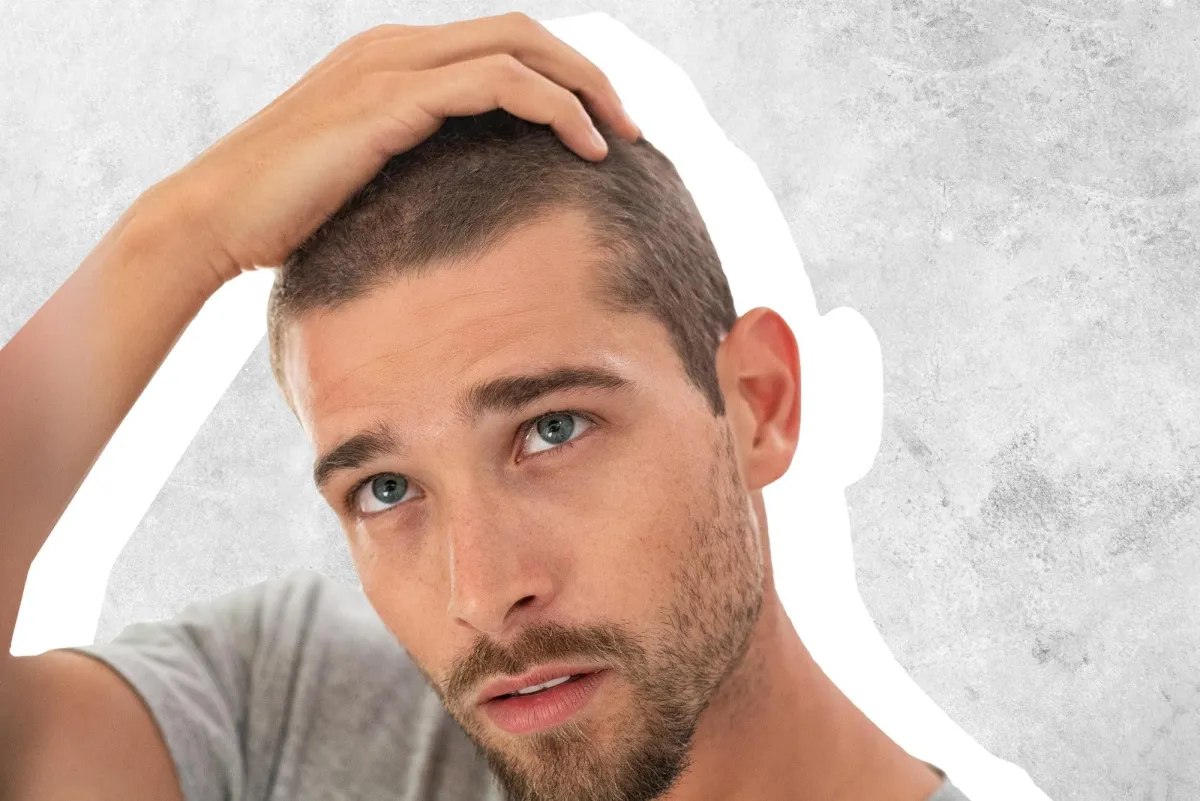
Losing your hair is never a good feeling, most men tend to feel self-conscious about it. Some men decide to completely shave off their heads or constantly wear a hat. One of the most common insecurities men face is hair thinning; for some men, it starts as early as in their 20s. The loss of confidence really starts to affect the way men do their hair and the types of hair cuts they get. Men start to worry about how they will be perceived by friends, family, and colleagues. Hair thinning should not be the cause of self distraughtness, and it should not limit men to have to continuously cover their heads. CADMEN Barbershop has compiled a list of the top 5 best haircuts for men experiencing early hair loss.

Beard Styles by Face Shape: What Actually Works and Why
Beard Styles by Face Shape: What Actually Works and Why
Beard styles interact with face shape in specific ways. The right beard can improve facial proportions visually, narrowing a wide face, lengthening a short one, or adding definition to an undefined jawline. The wrong beard amplifies the proportions you are less happy with. The principles are consistent even if no guide eliminates the need for personal judgment.
Oval Face
Oval faces are proportionally balanced, slightly longer than wide, with gently curved edges. Almost any beard style works on an oval face because the face does not have disproportionate features to correct. The oval face is the reference point most face-shape guides use for "what looks good on everyone." Full beards, short beards, goatees, and clean-shaved all read well.
Round Face
A round face is approximately equal in width and length with soft curves. The goal: add vertical length and reduce horizontal width perception. Styles that work: full beard kept longer at the chin than the cheeks, which draws the eye downward and creates an elongating effect. Stubble with length at the chin. Keeping the beard tight on the cheeks and fuller at the chin specifically. Avoid: very round, full, evenly-distributed beards that match the round face's existing shape. Wide sideburns without chin length amplify the width.
Square Face
A square face has strong, angular jawline and roughly equal width and height. The goal: soften the sharp edges. Styles that work: full beard with rounded edges at the jaw corners, stubble that obscures the corner definition. A beard with some length and volume at the chin adds vertical interest without emphasizing the width. Avoid: very angular, sharply defined beard shapes that mirror the face's existing angularity.
Oblong or Long Face
An oblong face is noticeably longer than wide. The goal: reduce perceived length. Styles that work: full beards with width and volume on the sides rather than length at the chin. Keeping beard length shorter at the bottom and fuller at the sides creates horizontal visual weight that reduces the elongated appearance. Avoid: long, pointed beards that extend the existing vertical length of the face.
Diamond Face
Wide cheekbones, narrow forehead, and narrow chin. The goal: add width at the chin to balance the wide mid-face. Styles that work: fuller at the chin and jaw. A goatee or chin-heavy beard creates visual width at the narrowest part of the face. Stubble that fades toward the cheekbones rather than a thick beard on the already-wide cheek area.
CADMEN Training
Beard shaping consultation and technique are part of CADMEN Barber Academy's hands-on curriculum. academy.cadmen.ca/in-person-training.
Frequently Asked Questions
How do barbers shape a beard to suit a face?
Barbers who specialize in beard work approach shaping as a visual balance exercise, assessing the face's proportions and the current beard growth pattern, then making cutting and edge decisions that serve the overall appearance rather than just cleaning up what exists. The consultation: before touching the beard, a skilled barber looks at the face shape and the beard's natural growth pattern. Where does the beard grow densely? Where is it sparse? How does the natural neckline sit? These observations determine the shaping approach. The neckline decision: this is the most structurally important decision in beard shaping. A neckline set too high makes the beard look too small for the face and creates a "chinstrap" effect. A neckline set too low creates an undefined, ungroomed appearance. The barber sets the neckline at approximately 1 to 1.5 finger-widths above the Adam's apple for most men, adjusted for the specific face's proportions and the beard's goal length. The cheek line: the upper border of the beard where the cheek meets the open skin above. This can be left natural (following the beard's natural growth edge) or defined higher for a cleaner, more groomed appearance. Natural cheek lines work for fuller, more casual beard looks. Defined cheek lines work for shorter, more structured beards. The chin shaping: for beards meant to elongate a round face, the barber takes length away from the cheeks relative to the chin, creating the chin-length emphasis. For beards meant to add width to a long face, the barber shapes the sides slightly fuller while keeping the chin shorter. These are proportion adjustments of typically 5 to 15mm that change the visual impression significantly.
How long does a beard need to be before it can be styled?
The minimum length for meaningful beard styling depends on what you are trying to achieve. Basic clean edges and neckline definition: achievable at any length above very short stubble (about 5mm). Even a short beard can be defined with a clean neckline and cheek line. The shape is minimal but the defined borders give the beard a groomed appearance. Defined beard shape (volume, direction control): noticeable shape requires approximately 2 to 3cm (about an inch) of length. At this length there is enough material for the barber to create contour around the jaw and chin, and for product (balm, wax) to give direction and definition. Styled full beard look (shaped volume, distinct shape): requires 3 to 5cm or more. This is where beard shape becomes a visible style statement and where the face-shape principles matter most. Length at the chin versus cheeks can be deliberately different to serve the face's proportions. The patience period: most men find the first 4 to 6 weeks of beard growth the most difficult from a presentation standpoint. The beard is past the stubble stage but not yet long enough to have a defined shape. During this phase: keep the neckline and cheek line clean and defined, this gives the growing beard a contained, intentional appearance even at awkward lengths. Apply beard oil daily to manage the itch and reduce the wild, unkempt look of early growth. At the 6 to 8 week mark (approximately 2 to 3cm), the beard is ready for its first full shaping appointment to establish the contours that will define the style going forward.
How often should a shaped beard be maintained at a barbershop?
A professionally shaped beard requires maintenance visits to stay within its intended shape as the hair grows. Frequency by beard length: short beards (under 1cm): the shape and defined edges change quickly with growth. Maintenance every 2 to 3 weeks is standard to keep the neckline and cheek line defined and the length consistent. Medium beards (1 to 3cm): growth changes the proportions of a medium beard on a 2 to 4 week timeline. The neckline descends, the cheek line rises from below, and the overall shape becomes less defined. Monthly visits maintain the shape, with neckline touch-ups possible at home between visits. Long and full beards (3cm or more): the shape changes more slowly at this length as a proportion of the total beard. 4 to 6 week maintenance visits for shape work, with home neckline cleanup weekly or biweekly. Neckline maintenance at home: the neckline is the one part of beard maintenance that is accessible for home management in most men. A trimmer with a guard run along the neckline weekly keeps the lower border clean without a barbershop visit. The cheek line and overall shape are generally better left to the barber, the precision required and the angle challenge of working on your own face make home mistakes common in these areas. The economic view: for a man on a monthly budget, a monthly beard shaping appointment combined with home neckline maintenance is the standard approach that balances cost, time, and appearance quality.
Related Reading From CADMEN Barber Academy
- Beard Shapes for Men: A Complete Guide to Every Style
- Choosing a Hairstyle for Your Face Shape: A Practical Guide
- Men's Beard Styles: Which One Suits Your Face
- Best Fade for Your Face Shape: A Practical Guide
- Men's Beard Styles: A Practical Guide to the Most Common Options
- Best Haircuts for Men With Diamond Face Shapes

5 Best Haircuts for Men with
Early Hair Thinning
Losing your hair is never a good feeling, most men tend to feel self-conscious about it. Some men decide to completely shave off their heads or constantly wear a hat. One of the most common insecurities men face is hair thinning; for some men, it starts as early as in their 20s. The loss of confidence really starts to affect the way men do their hair and the types of hair cuts they get. Men start to worry about how they will be perceived by friends, family, and colleagues. Hair thinning should not be the cause of self distraughtness, and it should not limit men to have to continuously cover their heads. CADMEN Barbershop has compiled a list of the top 5 best haircuts for men experiencing early hair loss.


For any request, please contact us at info@cadmen.ca