
Barber Tips & Tricks
Follow us for the latest barber techniques and tips
Barber Tips & Tricks
Follow us for the latest barber techniques and tips
Top 7 Reasons Why Your Clients
Aren't Returning
Stay Ahead in the Barbering Game: Nurturing
Lifelong Clientele
You might have come across the saying “give a client a good cut at a reasonable price, and they'll be yours for life.” Unfortunately in reality this is not always the case. That’s where we come in! Check out some of the reasons why your clients may not be returning, whether they were long-term customers or a first-time appointment, below.

Top 7 Reasons Why Your Clients
Aren't Returning
Stay Ahead in the Barbering Game: Nurturing
Lifelong Clientele
You might have come across the saying “give a client a good cut at a reasonable price, and they'll be yours for life.” Unfortunately in reality this is not always the case. That’s where we come in! Check out some of the reasons why your clients may not be returning, whether they were long-term customers or a first-time appointment, below.
Career in Mobile Barbering: Key
Things You Need to Know about
While most barbers work in physical barbershops or hair salons, there are a growing number of barbers who work on-call. What does it mean to be a mobile barber? What are their primary responsibilities? Where to find them? In this blog, we will explain some key terms you should know about mobile barbering and how you can start a new career in it.

Career in Mobile Barbering: Key
Things You Need to Know about
While most barbers work in physical barbershops or hair salons, there are a growing number of barbers who work on-call. What does it mean to be a mobile barber? What are their primary responsibilities? Where to find them? In this blog, we will explain some key terms you should know about mobile barbering and how you can start a new career in it.
Top 4 Ways for Barbers to
Promote Themselves
Marketing is key. Knowing how to market yourself as a barber can be the difference between having 5 to 20 clients a day. If you are interested in boosting the number of your customers and furthering your advertising skills, read the list below with four ways to promote yourself as a barber.

Top 4 Ways for Barbers to
Promote Themselves
Marketing is key. Knowing how to market yourself as a barber can be the difference between having 5 to 20 clients a day. If you are interested in boosting the number of your customers and furthering your advertising skills, read the list below with four ways to promote yourself as a barber.
5 Tips for Social Media Content
Creating as a Barber
It is next to impossible to find someone who is not on social media today. More than just a tool for connection, social media is key helping barbers market themselves and promote their names and skills. If you want to up your barber game quickly, here are five tips on how to promote content online that you don't want to miss out on.

5 Tips for Social Media Content
Creating as a Barber
It is next to impossible to find someone who is not on social media today. More than just a tool for connection, social media is key helping barbers market themselves and promote their names and skills. If you want to up your barber game quickly, here are five tips on how to promote content online that you don't want to miss out on.
5 Best Haircuts for Men with
Early Hair Thinning
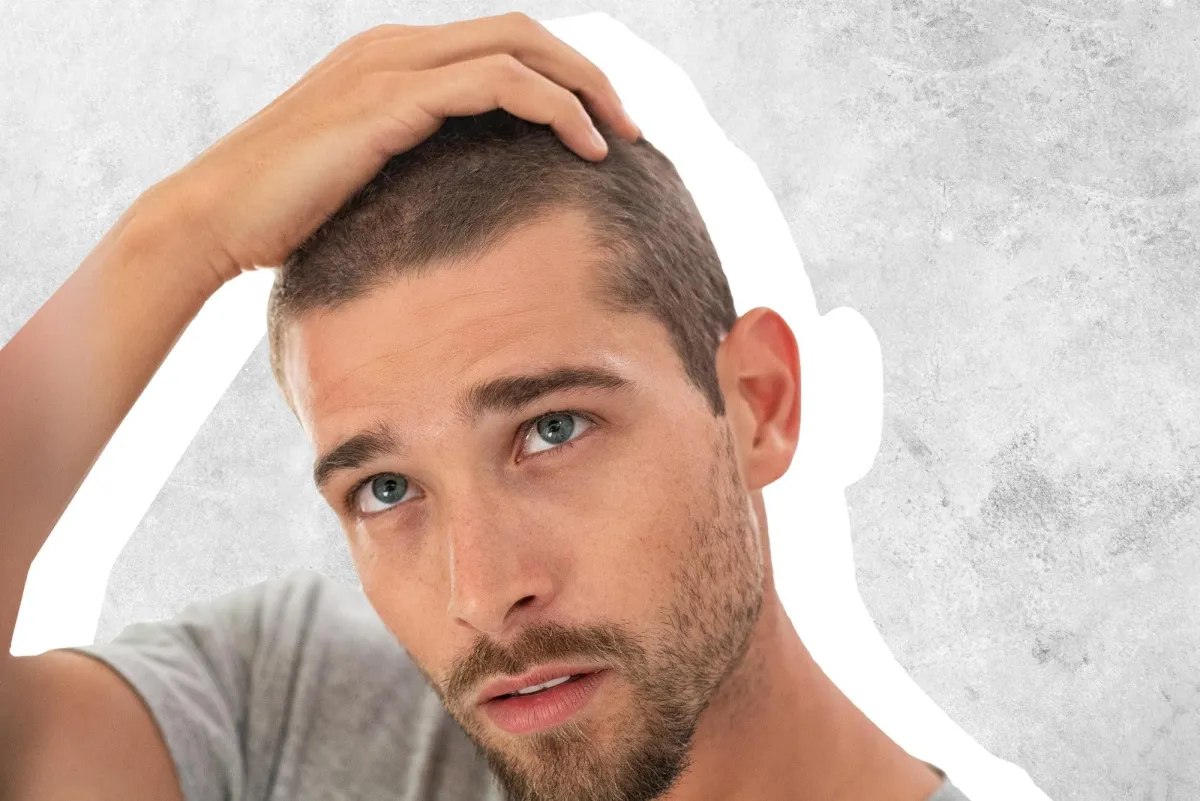
Losing your hair is never a good feeling, most men tend to feel self-conscious about it. Some men decide to completely shave off their heads or constantly wear a hat. One of the most common insecurities men face is hair thinning; for some men, it starts as early as in their 20s. The loss of confidence really starts to affect the way men do their hair and the types of hair cuts they get. Men start to worry about how they will be perceived by friends, family, and colleagues. Hair thinning should not be the cause of self distraughtness, and it should not limit men to have to continuously cover their heads. CADMEN Barbershop has compiled a list of the top 5 best haircuts for men experiencing early hair loss.
Beard Fading: What It Is and How Barbers Do It
Beard Fading: What It Is and How Barbers Do It
A beard fade connects the beard to the haircut by gradually blending the beard density into the skin at the edges, the sideburn area, the cheek line, and sometimes the mustache. Rather than a hard line where the beard ends and skin begins, a beard fade creates a smooth transition that integrates the beard and the hair as a single cohesive style. It is a technically specific service that not every barber offers, and clients who have experienced it usually cannot go back to a hard-edge beard shape.
Where a Beard Fade Is Applied
The most common beard fade location is the sideburn connection, where the haircut's temple fade meets the top of the beard. A well-executed fade at this junction blends the two elements so the haircut and beard read as one continuous style rather than two separate grooming choices sitting next to each other. The cheek line is the secondary location: instead of a hard, shaved line at the top of the beard, the barber fades the beard density gradually from full beard density downward to skin over a short distance. This produces a softer, more natural-looking cheek line.
How Barbers Execute a Beard Fade
The technique is similar to hair fading but on a smaller scale and with more precision required. The barber uses a trimmer (without guard, with guards at various lengths) to remove density progressively at the fade zone. Starting at the longest beard length, the barber steps down guard lengths in sequence through the fade area, blending each transition with the trimmer at an angle. The zone of the fade is short, typically half an inch to one inch, and requires precision to blend cleanly without creating a visible band at any guard level.
CADMEN Training
Beard shaping and fading are covered in CADMEN's beard class. academy.cadmen.ca/in-person-training.
Frequently Asked Questions
What is a beard fade?
A beard fade is a barbering technique that creates a gradual, seamless transition between the beard and the skin at the beard's edges. Instead of a hard, defined line where beard hair stops and bare skin begins, a beard fade blends the beard density through several shortened lengths down to skin over a short distance. The result is a fade at the beard's perimeter that mirrors the technique used in hair fades. The beard fade is most commonly applied at the sideburn junction (where the haircut's temple fade meets the beginning of the beard) to create a unified, continuous transition from hair to beard. It is also applied at the cheek line (the upper boundary of the beard on the cheek) to produce a softer, more natural cheek contour rather than a geometric hard shave line. A beard fade does not mean the entire beard is faded to short length, only the transition zones at the edges are faded. The main beard density in the chin, jaw, and mustache areas is maintained at the client's preferred length. The beard fade is a finishing technique that elevates the presentation of both the beard and the haircut by integrating the two into a cohesive look.
How is a beard fade different from a regular beard trim?
A regular beard trim reduces the length of the beard to a desired length using a trimmer with a guard or scissors, and cleans up the neckline and cheek lines with a defined edge. It is a length-management and shape-maintenance service. A beard fade adds a specific blending technique at the beard's edge zones that a standard trim does not include. The difference is most visible at the sideburn area and the cheek line: after a standard trim, the sideburn typically ends as a defined edge. After a beard fade, the sideburn transitions through a gradual fade into the temple fade from the haircut, so no edge is visible, just a smooth density gradient from full hair at the top of the ear down to beard density at the jaw. The beard fade requires additional skill and time compared to a standard trim. Not all barbershops and barbers offer it, and those that do typically charge more than a standard beard trim for the additional technique involved. A beard fade service typically takes 20 to 35 minutes versus 10 to 15 minutes for a standard trim. The visual impact is significant, clients who see the difference in the mirror after a beard fade typically make it a standard part of their regular service.
Can you maintain a beard fade at home?
Maintaining a beard fade at home is possible but requires more precision than standard beard upkeep. The challenge: the fade zone is a small, precise area where multiple guard lengths blend together. Replicating this at home with a consumer-grade trimmer requires either strong natural steadiness or a mirror setup that lets you see the sideburn area at the angle the barber uses. The practical approach: use the barber-set fade as the template and only maintain the perimeter (trimming obvious overgrowth along the cheek and neckline) rather than attempting to re-fade the blend zones. Let the barber re-establish the fade at each appointment. DIY attempts to re-fade the sideburn junction often result in a too-wide fade, an uneven blend, or accidental removal of too much beard density. The at-home routine: wash, oil, and maintain the main beard length. Clean up obvious stray hairs below the barber-set neckline with a trimmer. Return to the barber to re-establish the fade when it has grown out sufficiently (typically every 2 to 4 weeks). Most barbers can refresh a beard fade in 10 to 15 minutes as an add-on to a haircut appointment, making it practical to maintain without a separate dedicated visit.
Related Reading From CADMEN Barber Academy
- Blending the Beard into the Fade: How Barbers Connect Hair and Beard
- Beard Fade: What It Is and How to Ask for One
- Beard Fade: What It Is and How Barbers Blend the Beard into the Skin
- How to Fade a Beard to Match Your Haircut
- Fade with Beard: Making the Two Work Together
- Bald Fade vs Skin Fade: Are They the Same Thing?
Want to learn to cut a beard fade yourself? CADMEN Barber Academy teaches cutting hands-on, with an educator beside you. See the barber academy in Mississauga or view in-person classes and send an enquiry.
Learn this fade step by step in our free Fade Tutorials playlist on YouTube.

5 Best Haircuts for Men with
Early Hair Thinning
Losing your hair is never a good feeling, most men tend to feel self-conscious about it. Some men decide to completely shave off their heads or constantly wear a hat. One of the most common insecurities men face is hair thinning; for some men, it starts as early as in their 20s. The loss of confidence really starts to affect the way men do their hair and the types of hair cuts they get. Men start to worry about how they will be perceived by friends, family, and colleagues. Hair thinning should not be the cause of self distraughtness, and it should not limit men to have to continuously cover their heads. CADMEN Barbershop has compiled a list of the top 5 best haircuts for men experiencing early hair loss.


For any request, please contact us at info@cadmen.ca