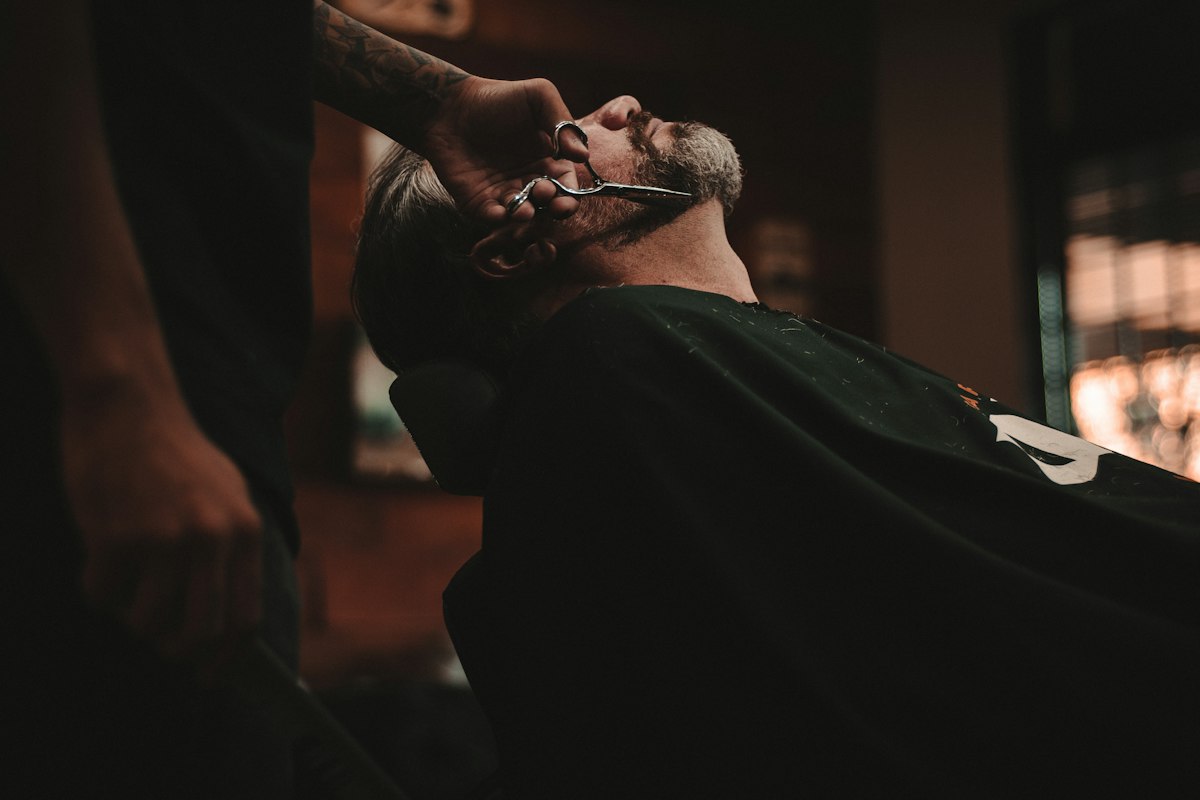
Taper Fade vs Skin Fade: The Difference and When to Use Each
Taper Fade vs Skin Fade: The Difference and When to Use Each
These are two of the most requested styles at every barbershop in Canada. The terms are often used interchangeably by clients, which leads to mismatched expectations. For barbers, understanding the technical difference determines which set of execution challenges you are solving for on any given cut.
What a Taper Fade Is
A taper is a graduation in length from longer at the top of the sides down to shorter at the perimeter. In a taper fade, that graduation uses clipper guards in sequence: the hair gets progressively shorter as it approaches the neckline and temples, but the shortest point is a short clipper length, not bare skin.
Typical taper fades end with a 0.5 guard or 1 guard at the very bottom. There is still visible hair at the perimeter. The graduation is smooth but the contrast between the perimeter and the background (skin) is lower than in a skin fade.
Taper fades work well for:
- Clients who want a clean look without the high-contrast edge of a skin fade
- Conservative or professional environments where a skin fade reads as too sharp
- Clients whose hair texture or growth pattern does not hold a clean skin fade well (coarse, wavy, or very dense hair can produce bumps at the skin line)
- Older clients who prefer a more traditional barbershop aesthetic
What a Skin Fade Is
A skin fade (also called a bald fade or zero fade) takes the graduation all the way to bare skin at the perimeter. The neckline and temple areas show no hair. The graduation moves from bare skin upward through the guard sequence into the body of the style.
The defining visual is the contrast between bare skin at the bottom and hair above it. Done cleanly, it is one of the sharpest looks in modern barbering. Done inconsistently, the flaws are immediately visible because bare skin provides no visual coverage for blending errors.
Skin fades work well for:
- Clients who want a high-contrast, sharp-looking style
- Styles that benefit from a clean edge: afro-textured hair, pompadours, textured crops, and most current popular men's cuts
- Clients who visit frequently (every 2 to 3 weeks) and maintain the look
The Technical Difference for Barbers
Both fades use the same zone-based structure and guard sequence. The difference is in the starting point and the contrast the result produces.
Taper fade execution
A taper fade ends at a short guard length rather than zero. The blending zones are the same but the lowest zone ends at a half guard or 1 guard rather than a balding clipper pass on bare skin. This means any minor blending inconsistency in the lower zone is less visible because there is still hair there covering the transition.
Taper fades are generally more forgiving than skin fades. They are the right starting point for barbers building their zone-blending mechanics before moving to the higher-contrast demands of a full skin fade.
Skin fade execution
A skin fade introduces one technical challenge that a taper does not have: the bare skin zone. Getting the bare skin zone completely clean requires a balding clipper pass against and with the grain, followed by an open zero or closed zero pass that removes any remaining stubble visible against the skin. Any hair left in this zone creates a shadow that reads as uneven from certain angles.
The second challenge is the transition from the bare skin zone into the first guard length. This is the highest-contrast moment in the entire fade, and any step or hard line here is immediately visible. The scooping blend technique applied with an open-zero or half-guard at this transition is the critical execution point that separates a clean skin fade from one with a visible line.
Most new barbers produce skin fades that are clean in the mid-zones and have visible lines at the very bottom, at the skin-to-guard transition. This is the specific correction point that intensive training with a master barber addresses fastest.
What Clients Mean When They Ask for Each
Clients use these terms loosely. A client who asks for a "fade" often means a skin fade because that is the dominant look in current popular culture. A client who asks for a "taper" usually wants the softer, more conservative version. When in doubt, show reference photos during the consultation and confirm before starting the cut.
The three-question consultation before any fade:
- How high do you want the fade to sit? (Low, mid, or high fade position)
- Do you want it to go down to skin or stay at a short length?
- What are you going for on top? (This determines whether the fade level makes sense for the style)
Building Skin Fade Technique at CADMEN
CADMEN's 2-day fade intensive covers both taper and skin fade execution. The class is structured so that students move through the guard sequence systematically on live clients, with Francis Paua watching and correcting each cut in real time. Approximately 10 haircuts over 2 days. 3 students maximum per session.
Investment: $1,750 + HST (small group) or $1,950 + HST (1-on-1). $300 deposit. Book at academy.cadmen.ca/in-person-training.
CADMEN Barber Academy is a private training institution in Mississauga, Ontario. It does not provide Skilled Trades Ontario apprenticeship hours or Certificate of Qualification pathways.
Frequently Asked Questions
What is the difference between a taper fade and a skin fade?
A taper fade graduates from longer hair down to a short clipper length (0.5 or 1 guard) at the perimeter. A skin fade graduates all the way to bare skin. The endpoint is the key difference: a taper ends at short but visible hair, a skin fade ends at skin. Skin fades produce higher contrast and a sharper look. Taper fades are softer and more conservative.
Which is harder to do, a taper fade or a skin fade?
A skin fade is harder to execute consistently. The bare skin creates a high-contrast edge that makes any blending inconsistency immediately visible. A taper fade ends at a short guard length, which partially conceals minor blending imperfections. For barbers developing their technique, mastering a clean taper before extending to a full skin fade is the logical progression.
What should I ask for at a barbershop, a taper or a skin fade?
Ask for a skin fade if you want a high-contrast, sharp look with bare skin at the sides and back. Ask for a taper if you want a softer graduation that does not go all the way to skin. When in doubt, bring a photo. Most barbers will advise on what looks best for your specific hair texture and face shape once they see what you are aiming for.
Want to learn to cut a skin fade yourself? CADMEN Barber Academy teaches cutting hands-on, with an educator beside you. See the barber academy in Mississauga or view in-person classes and send an enquiry.
Learn this fade step by step in our free Fade Tutorials playlist on YouTube.
