How to Choose a Barber in Toronto for the Best Fade
Francis Paua trained barbers who now teach for L'Oréal around the world. He cuts NBA, NFL, and NHL athletes. Skill at that level shows before the clippers turn on, in how a barber reads a head shape and steers a client to the right cut.
That read is the skill most people never see when they pick a barber. Distance and price are easy to compare. Judgment is what you are actually paying for. You can test for it before you commit to a chair.
What separates a good fade from a bad one
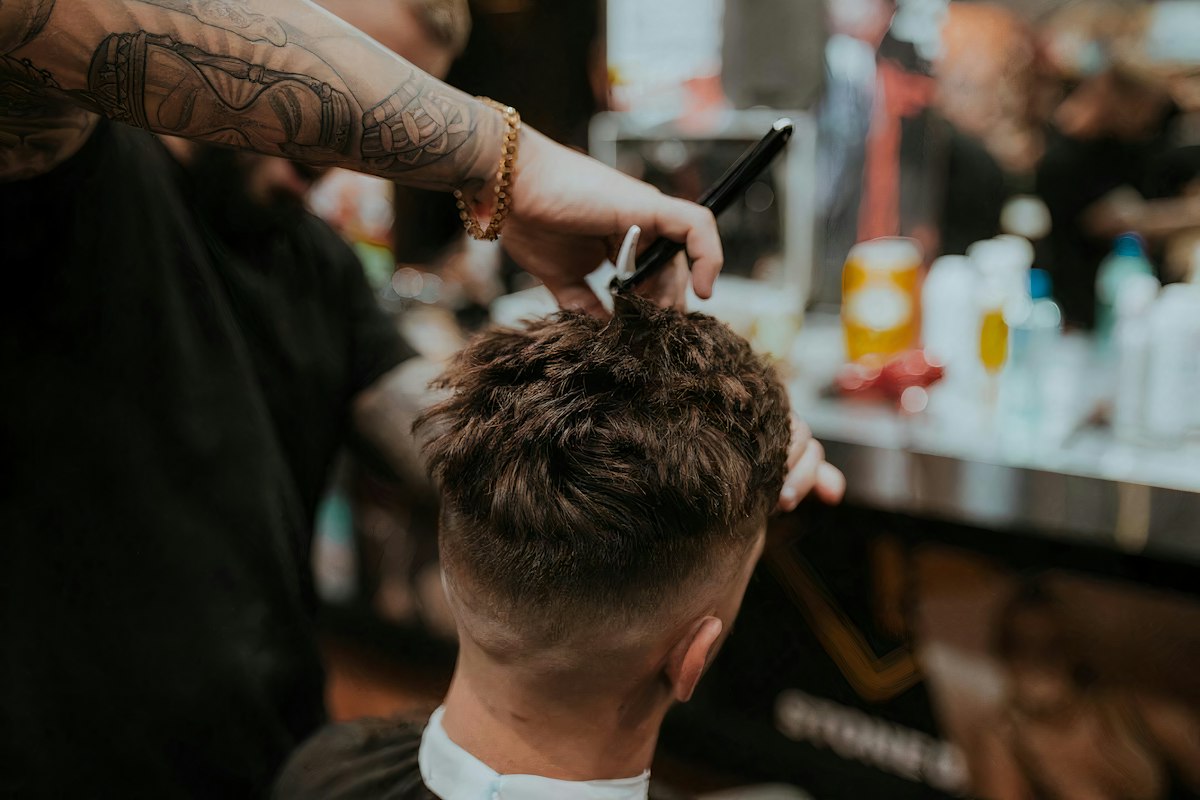
A good fade is one smooth gradient from skin to length with no visible lines. A bad fade shows steps, patches, or a blend sitting in the wrong place for your head shape.
- The blend. Check the transition zone under bright light. You should see a gradient with no hard line anywhere in it.
- Symmetry. Both sides should hit the same height. Look around the ears, where rushed work shows first.
- The neckline. A tapered neckline grows out clean. A hard straight line across the neck looks sharp for 3 days and ragged after that.
- Placement. High, mid, or low should be chosen for your skull shape and hairline. A barber who picks the same height for everyone is running on habit.
- The grow-out. A good fade still looks intentional at day 10. A bad one shows its lines within 4 days.
Five questions to ask a new barber
Ask before the cape goes on. A skilled barber enjoys these questions because they get to show their thinking.
- "What would you do with my hair?" An open question reveals whether they study your head or recite a menu.
- "How high would you take the fade on me?" The answer should reference your head shape, hairline, or crown.
- "How will this grow out?" Barbers who think past the chair plan how the cut looks in week 3.
- "Can I see cuts you have done on hair like mine?" Texture changes everything about a fade. Proof beats promises.
- "What should I ask for next time?" A good barber hands you the vocabulary: guard numbers, fade height, neckline style. That language works in any chair in the city.
Red flags that should send you elsewhere
Walk away from a barber who starts cutting without a single question. Every other warning sign is a version of that same problem.
- The cape goes on and clippers start inside 30 seconds.
- Every client leaves with the same haircut.
- The station is dirty or blades go uncleaned between clients.
- The fade is done in 15 minutes. The blend is the slow part, and rushing it is where lines come from.
- They cannot explain what they are doing when you ask.
- They blame your hair when something looks off.
How a real consultation works
A proper consultation happens before any cutting and takes 2 to 5 minutes. The barber should study your head before they reach for a clipper.
Expect four things. First, questions about your last cut: what you liked, what bothered you by week 2. Second, a hands-on read of your hair, meaning growth direction, cowlicks, density, and hairline. Third, an agreement in plain terms: fade height, guard numbers, neckline finish. Fourth, a mirror check at the end with a genuine chance to adjust. A barber who does all four is managing your hair over months. That is the relationship worth paying for.
The shop behind this advice
CADMEN Barbershop sits on the 2nd floor at 240 Queen St W in Toronto. Francis Paua co-founded it. Eight barbers work the floor, and the shop holds 4.9 stars across 415 Google reviews plus 5.0 stars across 97 reviews on Squire. Prices on Squire run from $32 with a junior barber to $66 for the expert hair and beard package, so there is an entry point at every level. The shop cut hair straight through the Osgoode station construction years, and Queen West foot traffic now sits above pre-pandemic levels. You can book through Squire.
Take the questions above into any shop in the city. A barber worth keeping will welcome them.
FAQ
How do I choose a good barber in Toronto?
Look for a real consultation before any cutting, photos of their work on hair like yours, and fades with no visible lines. Read recent reviews and watch for mentions of specific cuts. Book a quieter mid-week slot for a first visit so the barber has time to talk.
What is the difference between a low, mid, and high fade?
The name describes where the shortest point sits on your head. A low fade starts just above the ears, a mid fade starts around the temples, and a high fade starts near the top of the sides. Lower fades grow out slower. Higher fades look sharper and need a touch-up sooner.
How often should I get a fade touched up?
Every 2 to 3 weeks keeps most fades sharp. Skin fades show grow-out fastest and can need attention at the 2 week mark. A well-cut fade should still look intentional at day 10.
How long should a fade haircut take?
A quality fade usually takes 30 to 45 minutes. The blend is the slow part. A full skin fade finished in 15 minutes usually means the detail work got skipped, and that is where visible lines come from.
What should I tell a barber if I do not know what to ask for?
Describe your daily routine and show a photo of your hair on a good day. Mention how short you went last time and whether you liked it. A skilled barber can build the right cut from that and will give you the exact words to ask for next time.
