Barbershop vs Salon: What Is the Actual Difference for Men?
Barbershop vs Salon: What Is the Actual Difference for Men?
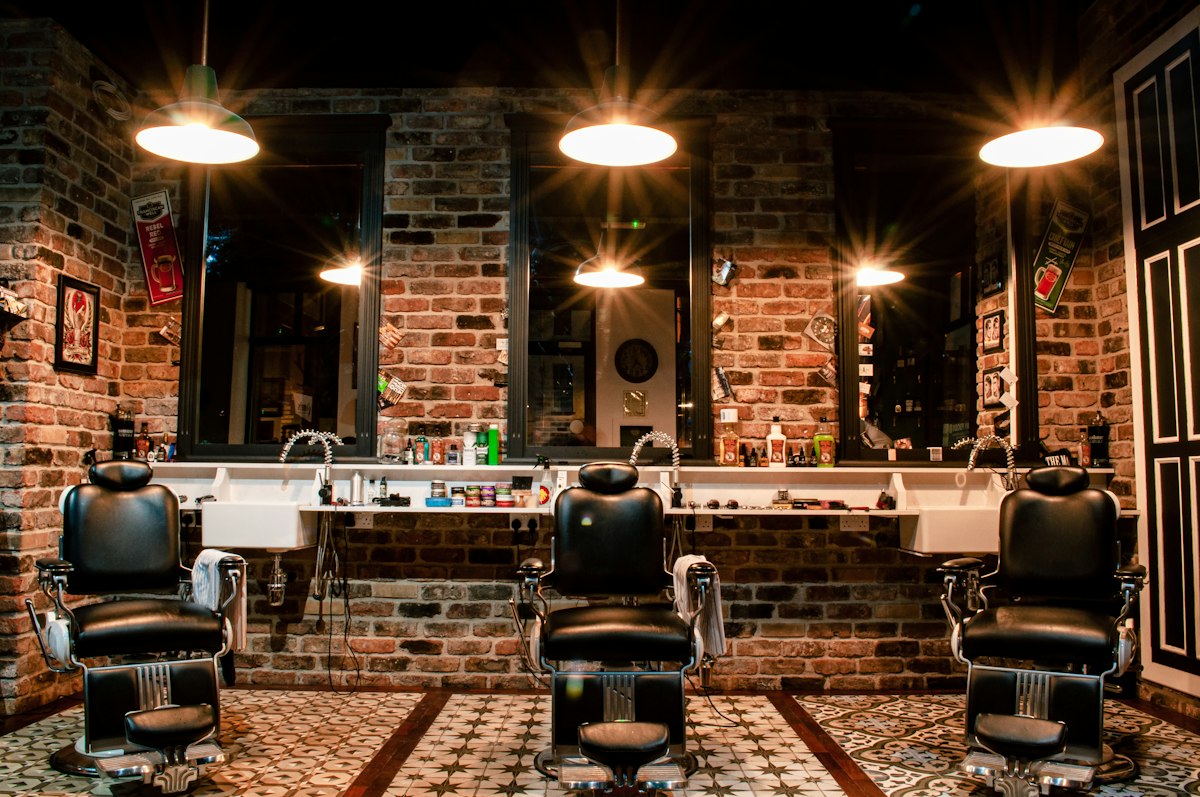
Men's haircuts are available at both barbershops and salons, and the choice is not always obvious. The differences come down to training focus, services offered, pricing structure, and the experience itself.
Training Differences
Barbers are trained and licensed specifically in the services performed on the head, face, and neck, haircuts, shaving, beard work, and razor services. Barbering school curricula have a heavy focus on clipper and razor technique, fades, tapers, and men's cutting. Cosmetologists (who work in salons) have broader training that covers hair coloring, chemical services, and cuts across all hair types and lengths, with less focus on the specific clipper and razor techniques that define men's barbershop cuts. A skilled cosmetologist can cut men's hair well, but the training emphasis is different.
Services
Barbershops typically offer: haircuts (with clipper, scissor, or both), beard trims and shaping, straight razor shaves, and hot towel services. Salons typically offer: haircuts, color services (highlights, dye, bleach), chemical treatments (perms, relaxers), and sometimes nail or skin services. For men who want a fade, a skin fade, or a straight razor shave, a barbershop is typically the better choice. For men who want hair coloring or a chemical treatment, a salon is typically better equipped.
Pricing
Men's cuts at barbershops are often priced lower than equivalent services at salons in the same market, reflecting the more focused service menu and typically faster execution time. Premium barbershops close the gap. In high-end markets, premium barbershops and premium salons may be priced similarly.
CADMEN Training
CADMEN trains barbers to the highest standard in men's cutting and beard technique. academy.cadmen.ca/in-person-training.
Frequently Asked Questions
Can I go to a salon for a men's haircut?
Yes. Salons cut men's hair regularly, and many salons employ skilled stylists who produce excellent men's haircuts. The practical question is whether the specific stylist at the specific salon has strong experience with the style you want. The relevant considerations: for simple cuts (scissors-only trims, basic tapers at longer lengths, scissor-based textured cuts): the skill gap between a salon stylist and a barber is often small. Many talented scissor-based cutters work in salons. For clipper-heavy cuts (fades, skin fades, close tapers, anything requiring precise clipper blending): barbers have more focused training on clipper technique and are more likely to produce a consistent, precise result. Not all salon stylists have extensive clipper training. For beard services and straight razor shaving: barbershops are the correct choice. Straight razor shaving is within the scope of a barber's license and training. Most salons do not offer this service. How to evaluate a specific salon: ask the stylist directly about their experience with the specific cut you want. A confident, specific answer ("I do fades regularly on male clients") is a better signal than a vague "yes, we do men's cuts." Look at their portfolio or Instagram for examples of men's cuts they have done. The quality of previous work is the best indicator. The practical tip: if you want a fade and a salon is your only realistic option, show a clear reference photo and ask if the stylist is comfortable with the specific style before booking. A skilled stylist who is honest about their limitations is more trustworthy than one who will attempt anything regardless of training.
Is a barbershop or salon better for men's hair color?
For men's hair color, salons are typically the better choice. Here is why: cosmetologist training has a strong emphasis on color chemistry, application techniques, and correction work. The curriculum for cosmetology school includes far more color-focused coursework than barbering school. Barbering school focuses primarily on cutting and razor services. Some barbers are highly skilled at color and specifically offer it as a specialty service, particularly modern hair coloring techniques like bleach-based fades, fashion colors, and toning that intersect with fade work. But the training foundation for complex color is more consistently available at salons. What type of color you want matters: simple, single-process color (one overall color, application is straightforward): this can be done well by many barbers who have added color to their service menu, particularly at modern barbershops. Bleach-based services (lightening the hair, highlights, balayage, bleach fades): the higher the technical demand of the color service, the more the salon's cosmetologist training advantage matters. These services require understanding of the bleaching process, timing, and toning, all areas emphasized in cosmetology school. Color corrections (fixing a previous color service that went wrong): cosmetologists are better equipped for this. Color corrections require the full breadth of color chemistry training. The practical recommendation: for simple, conservative color (a slightly darker or lighter overall shade): a barber who does color is a reasonable option. For any bleach-based service, highlights, or color corrections: see a cosmetologist at a salon who specializes in the type of color you want.
Why do some barbershops charge more than salons for the same haircut?
In some markets and at some service levels, barbershops charge more than salons for a men's haircut. This seems counterintuitive given that salons typically offer more services and have higher-overhead service menus (color treatments, chemical services). Several factors explain when and why barbershops are priced higher: specialization premium. A barbershop that is specifically known for exceptional fade work, straight razor shaves, or men's specialty cuts can command a premium because the skill level in that specific area exceeds what most salons offer. Clients pay for the specialized expertise, not just the haircut. The destination-shop model. Some barbershops position themselves as destination experiences with branded environments, curated atmospheres, and carefully cultivated reputations. The price reflects the overall brand experience, not just the haircut. These shops are priced against other premium service experiences, not against budget salons. Senior barber vs junior stylist comparison: a comparison between a senior barber with 15 years of experience and a junior salon stylist 2 years out of school will often show the barber priced higher. The correct comparison is experience-to-experience: a senior barber and a senior salon stylist with similar experience levels and reputations in the same market will often be priced comparably. Location effects: barbershops and salons in the same high-rent urban neighborhood often converge on similar price points regardless of service type because rent, labor, and supplies cost the same for both. The historical context: the stereotype that barbershops are cheaper than salons comes from an era when barbershops were budget, utilitarian shops and salons charged more for "full-service" styling. That distinction has largely dissolved in urban markets where premium barbershops are positioned as premium service businesses.
Related Reading From CADMEN Barber Academy
- Barbershop vs Hair Salon: What Is the Difference?
- Barbershop vs. Hair Salon for Men: What the Difference Actually Is
- Barbershop vs Salon for Men: What the Difference Actually Is
- Barbershop vs Hair Salon: What Is the Difference and Which Should You Go To
- Barbershop vs. Hair Salon for Men: What the Difference Actually Is
- Why Barbershop Prices Differ from Salon Prices
