Natural Hair at the Barbershop: What Men Need to Know About Afro-Texture Care
Natural Hair at the Barbershop: What Men Need to Know About Afro-Texture Care
Afro-texture hair, tight coils and curls with high density, requires barbershop technique and product knowledge that differs significantly from straight hair care. Getting good results consistently means finding a barber with specific experience and understanding what services are appropriate for your hair type.
Finding the Right Barber
The most important factor is finding a barber with experience cutting natural afro-texture hair. Look at their portfolio before booking. You want to see examples of the specific styles you are interested in, defined curls, tapered naturals, afros, locs, or whatever your goal is. A barber who works primarily with straight or wavy hair may not have the technique for afro-texture cuts even if they are skilled generally.
How Afro-Texture Hair Is Cut Differently
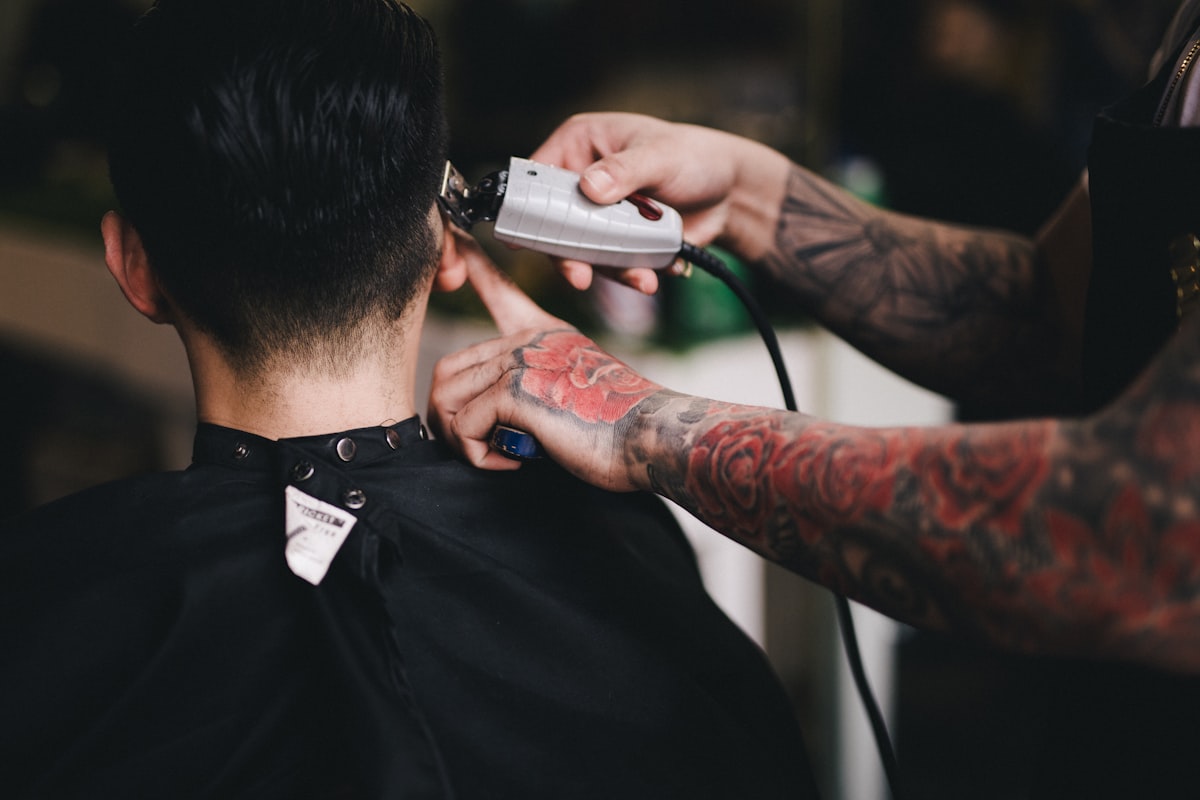
Clippers used on natural hair should be used differently than on straight hair, pulling the pick comb through the hair first to stretch the coils before cutting gives a more accurate read on length. Dry cutting versus wet cutting matters too: natural hair shrinks significantly when dry (sometimes 30-50% from its stretched length), so many barbers who specialize in natural hair cut it in its natural dry state to see the true shape. Scissors and shears are used for shape refinement around the perimeter and for detail work.
Moisture Is the Central Maintenance Factor
Afro-texture hair is naturally drier than straight hair because the coil pattern makes it difficult for scalp oil to travel down the shaft. Regular moisturizing, both at-scalp and along the hair shaft, is the single most important care practice. Dry, brittle hair breaks and loses length. A well-moisturized natural retains length and holds its shape better between cuts.
CADMEN Training
Cutting techniques for afro-texture and natural hair are part of CADMEN Barber Academy's curriculum. academy.cadmen.ca/in-person-training.
Frequently Asked Questions
How often should men with natural afro-texture hair visit the barbershop?
The frequency depends on the style. For close-cut styles (fades, tapers, low-cut naturals): visit every 2 to 4 weeks. The fade and taper portions grow out quickly and the clean shape deteriorates on the same timeline as any other fade. For medium-length naturals (1 to 3 inches): every 4 to 6 weeks is common. The shape holds longer at this length but the edges and perimeter still benefit from regular cleanup. For longer natural styles (afros, defined curl styles): every 6 to 8 weeks for shape maintenance. The longer the hair, the more slowly the overall shape changes with growth. Locs: the maintenance timeline for locs is different and depends on the loc method, how fast your hair grows, and whether you are getting retwists, interlocking, or style maintenance. A barber who specializes in locs will give you a specific recommendation based on your loc method and growth rate. The key principle: regular maintenance prevents the shape from fully breaking down between visits, which makes each visit easier and less time-intensive. Letting natural hair go significantly past its ideal cut before visiting means more work to reshape and longer appointments.
What products are recommended for natural afro-texture hair?
Products for natural afro-texture hair serve two purposes: moisture retention and style definition. The right products depend on your hair length and the style you are maintaining. For moisture: water-based leave-in conditioners are the foundation. They hydrate the hair shaft and provide the base for styling. Apply after washing while the hair is still damp. Sealing oils (jojoba, argan, castor) are applied on top of the leave-in to seal the moisture in and reduce the rate at which the hair dries out. The liquid-then-oil order (LOC or LCO method) is the standard. For definition (coils and curls): curl creams and twist-out butters define the curl pattern and reduce frizz. They provide hold without stiffness. Gel (eco styler, flaxseed gel) over the top can increase definition and control in high-humidity environments or for longer-lasting definition. For afros and textured wash-and-go styles: a lighter hold product (curl milk, leave-in plus oil) may be all that is needed to maintain moisture and a natural, lived-in appearance. Products to generally avoid for afro-texture natural hair: anything heavy with mineral oil or petroleum as the primary ingredient (these coat the hair and prevent moisture absorption without adding moisture). Alcohol-heavy products (dry the hair out). Sulfate-heavy shampoos used too frequently (strip natural oils and contribute to dryness, co-washing or low-sulfate cleansers more often is a better approach). Your barber or a natural hair specialist can recommend products specifically suited to your coil pattern, density, and porosity.
Can afro-texture hair be treated with heat regularly?
Heat can be used on afro-texture natural hair but requires more caution than on straight or lightly wavy hair. The coil structure makes afro-texture hair more susceptible to heat damage, which in severe cases can loosen the curl pattern permanently (a condition called heat damage or "heat trained" hair). Safe heat use: always use a heat protectant product specifically formulated for natural hair before any heat tool. Use the lowest effective heat setting. A blow-dryer with a diffuser or comb attachment at medium heat is significantly safer than a flat iron at high temperature. Limit direct high-heat tools (flat irons, hot combs) to occasional use, not a daily routine. Use high heat in sections with the tool moving continuously rather than holding it stationary on the hair. Signs of heat damage: the affected sections of hair will no longer coil or curl naturally after washing. They will appear looser, straighter, or in a different pattern than the unaffected sections. Heat damage is cumulative and progressive. Once a section is heat-damaged, the only remedy is cutting the damaged portion as the hair grows. The practical approach: many men with natural afro-texture hair blow-dry on low to medium heat for shape or length visualization without causing heat damage. Reserve high-heat straightening tools for special occasions rather than regular styling.
Related Reading From CADMEN Barber Academy
- Natural Hair Care for Men: What Barbers Recommend and Why It Works
- Men's Natural Hair Care: What the Routine Actually Requires
- Cutting Coily Hair: The Techniques That Work and the Mistakes That Damage the Pattern
- Cutting Curly Hair: What Barbers Do Differently
- How to Cut Curly Hair: Barber Techniques and Approach
- Curly Hair at the Barbershop: What Barbers Do Differently
