Barbershop Etiquette: What Every Client Should Know
Barbershop Etiquette: What Every Client Should Know
Most barbershop etiquette comes down to two things: communication and respect for the barber's time. The clients who get the best haircuts consistently are usually the ones who have figured out how to communicate clearly and show up prepared. Here is what makes the difference.
Know What You Want Before You Sit Down
Arriving with a clear idea of what you want is the single most useful thing you can do. "Just a trim" and "clean it up" are the most common requests and the hardest ones for a barber to execute precisely, because they mean different things to different people. The better approach: name the haircut, specify the fade height and skin or guard finish on the sides, tell the barber how much length you want to keep on top. Or bring a reference photo. A photo from your phone takes 30 seconds to pull up and eliminates all ambiguity about what you are describing.
Be Honest About Your Last Haircut
If your last cut was from somewhere else, or you tried to cut it yourself, tell the barber. Knowing what was done previously helps the barber understand what they are working with and whether there are corrections needed. Hiding that information does not help anyone and can lead to a suboptimal result when the barber reaches a section that was clearly cut differently from what is showing on the surface.
Timing and Cancellations
Arriving on time respects the barber's schedule and the clients waiting behind you. Cancelling well in advance is a courtesy. Last-minute cancellations and no-shows cost barbers significant income, a slot that could have been filled is lost. If same-day cancellations are unavoidable, call as early as possible rather than simply not showing up.
During the Cut
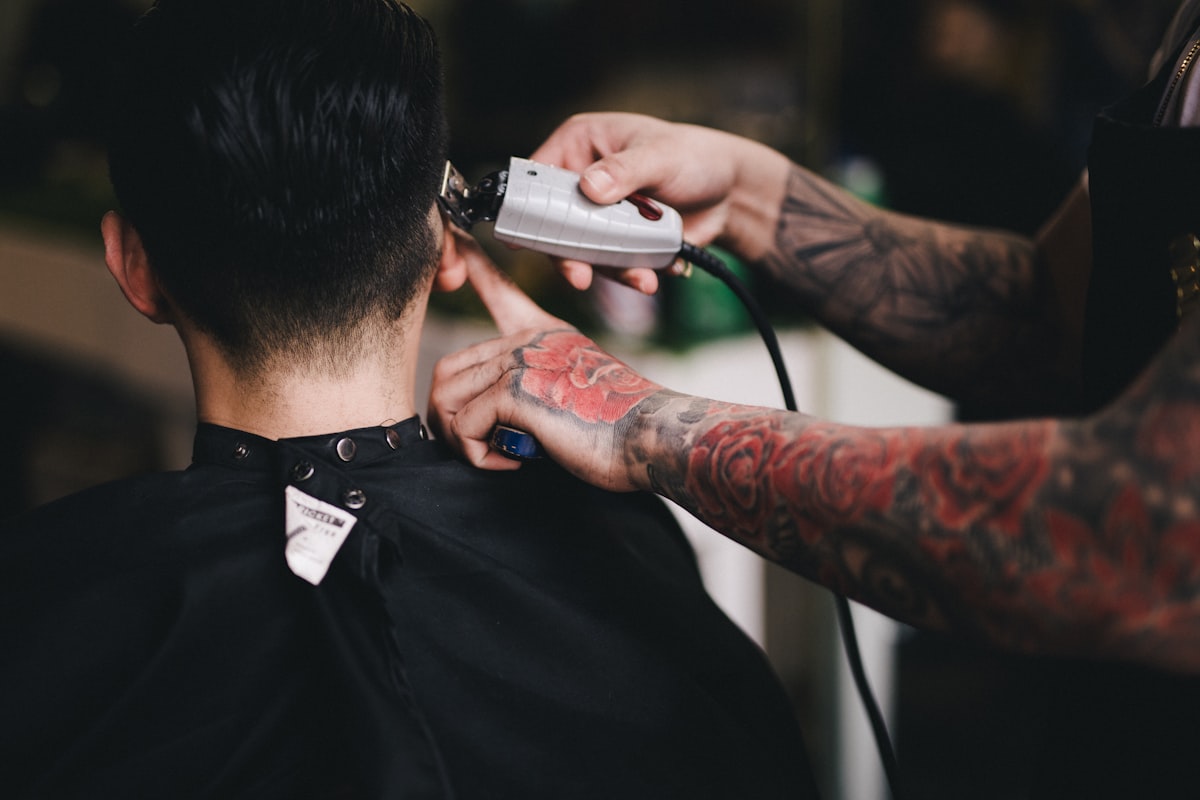
Stay still. Movement during the cut is the primary cause of uneven lines and mistakes. If you need to check your phone, ask the barber first. Avoid turning your head without warning. If something feels wrong mid-cut, say something while it can still be addressed, not after the cut is finished.
CADMEN Training
Client consultation and communication are covered in CADMEN's hands-on barbering program. academy.cadmen.ca/in-person-training.
Frequently Asked Questions
What should I tell my barber?
Tell your barber: (1) the style or cut you want, with as much specificity as possible, name the cut type (fade, taper, crop, etc.), specify side length preference (skin fade, low fade, or guard number), state how much length to take off the top, (2) how you style your hair daily (air dry, blow dry, product, no product) so the barber can cut the weight and texture to suit how you actually wear it rather than how it looks when wet or fresh-cut, (3) any problem areas, a stubborn cowlick, a widow's peak, thinning areas, or a previous cut gone wrong. The more specific and accurate the information you provide, the more precisely the barber can deliver what you want. "Short on the sides, longer on top" is a starting point, not a sufficient description. "Skin fade stopping at the temple, guard 2 from the temple to the crown, leaving about 3 inches on top for a side part" is a description a barber can execute exactly. Reference photos are the most effective communication tool at any specificity level, show the barber the cut you want and the consultation time cuts to near zero.
How do I find a good barber?
The most reliable path to finding a good barber: ask someone whose haircut you noticed and liked where they go. Personal referrals bypass the guesswork of online searching entirely. The second path: reviews with photos. Look for Google reviews or Instagram posts from the barbershop that show the type of cut you want, not generic positive reviews, but specifically reviews from clients who got a similar haircut to yours. A shop that specializes in skin fades will show that in their post content. A shop that mainly does longer scissor cuts will look different. The third path: look at the barbershop's Instagram before booking. The content they post is usually their best work, if you do not see your cut represented there, they may not specialize in it. Once you find a barber who cuts your hair well: stick with them. The longer a barber cuts your hair, the better they understand your specific growth pattern, texture, and preferences. Switching barbers frequently resets that accumulated knowledge every time.
How much should you tip a barber?
Standard tipping in most US and Canadian barbershops: 15 to 20 percent of the service cost. For a $30 haircut, a $5 to $6 tip is standard. For exceptional service or a complex job that took more time than usual, 20 to 25 percent is appropriate. For regular clients who have an established relationship with a barber: consistent tipping matters more than the occasional high-tip visit, a reliable $5 tip every visit builds the relationship over time. Situations where tipping above standard is common: holiday periods (many clients tip extra in December), when the barber accommodated a last-minute appointment, or when the barber fixed a problem cut from somewhere else. Tipping is not obligatory and varies by country and culture, in some markets it is standard, in others it is uncommon. In US and Canadian urban markets, 15 to 20 percent is the widely accepted baseline.
Related Reading From CADMEN Barber Academy
- What Barbers Wish More Clients Knew Before Sitting in the Chair
- Barber Chair Etiquette: What Clients Should Know and What the Best Barbers Expect
- Barber Client Communication: How to Run a Consultation That Produces the Right Haircut Every Time
- The Barber Consultation: What to Ask Before Every Cut
- Barber Client Consultation Tips: Getting the Information You Need Before the First Cut
- How to Build Client Loyalty in Your Barbershop
