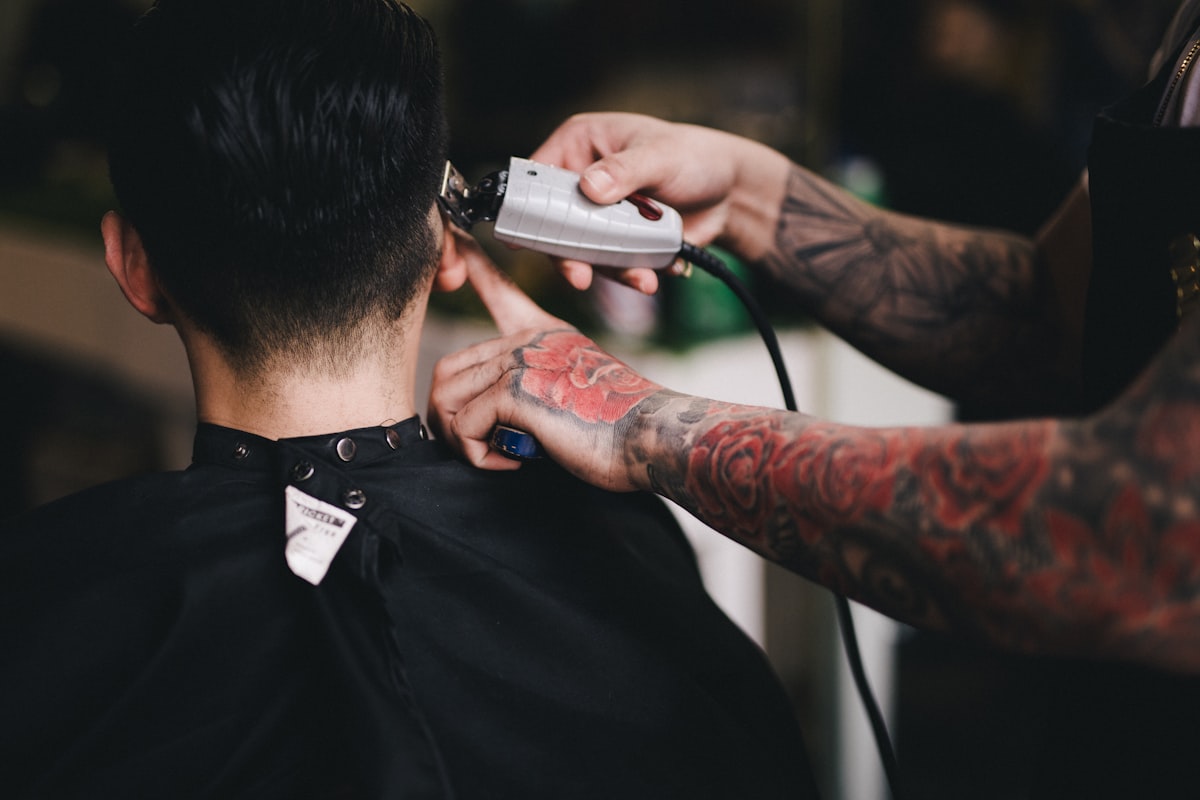
How to Become a Barber: What the Training and Licensing Process Looks Like
How to Become a Barber: What the Training and Licensing Process Looks Like
Becoming a licensed barber in the United States requires completing a state-approved barbering program, accumulating the required training hours, and passing both a written and practical licensing exam. The specific requirements vary by state, but the general structure is consistent across most jurisdictions.
The Training Program
Most states require 1,000 to 1,500 hours of training at a state-licensed barbering school. The curriculum covers hair cutting, shaving and razor work, scalp and skin care, sanitation and disinfection, anatomy and physiology relevant to barbering, business basics, and state law. Full-time programs run 10 to 14 months. Part-time options extend the timeline but allow students to work while completing hours.
The Licensing Exams
After completing the required hours, candidates take a written theory exam (typically administered by the National Interstate Council of State Boards of Cosmetology, NIC) and a practical skills exam where the candidate demonstrates cutting, shaving, and other barbering techniques on a live model or mannequin. Both components must be passed. Some states require additional state-specific law sections on the written exam.
After Licensing
A licensed barber can work in a licensed barbershop, rent a chair, or eventually open their own shop. Most states require continuing education and license renewal every 1 to 2 years.
CADMEN Training
CADMEN Barber Academy offers professional hands-on training for aspiring barbers in Mississauga. academy.cadmen.ca/in-person-training.
Frequently Asked Questions
How long does it take to become a barber?
The time to become a fully licensed barber depends on the state's required training hours, whether you attend full-time or part-time, and how quickly you pass the licensing exams after completing training. The hour requirements by state: most US states require between 1,000 and 1,500 hours of barbering school training. States at the lower end (1,000 to 1,200 hours) typically have training programs that run 10 to 12 months full-time. States at the higher end (1,500 hours) typically require 12 to 18 months full-time. Full-time vs. part-time: full-time barbering school programs typically run 8 to 10 hours per day, 5 days per week. At this pace, 1,500 hours takes approximately 37 to 40 weeks (about 10 months). Part-time programs (typically 20 to 25 hours per week) extend the timeline to 18 to 24 months for the same total hours. The practical consideration: part-time programs allow students to maintain a job while in school, but extend the time before they are earning income as a barber. After completing the hours: most candidates schedule both the written and practical exams within 4 to 8 weeks of completing their training hours. The exams themselves take a day each. From passing the exam to receiving the license typically takes 2 to 4 weeks for processing. Total timeline from start to working as a licensed barber: 10 to 18 months for most students in most states. Some students take longer due to part-time attendance, re-scheduling exams, or state processing times. The fastest possible path: attending a full-time program in a state with 1,000-hour requirements, completing the program in approximately 6 to 7 months, scheduling exams immediately after finishing, and passing both on the first attempt produces a timeline of approximately 8 to 9 months from enrollment to license.
How much does barbering school cost?
Barbering school costs vary significantly depending on the state, the type of program, and the specific school. The realistic cost range in the United States is $6,500 to $20,000 for the complete program. What drives the price variation: the state and market. Schools in high-cost-of-living states (California, New York, Florida) generally charge more than schools in lower-cost markets. The school type. Private for-profit barbering schools are the most common option and tend to be at the middle to upper end of the price range. Community college programs with barbering departments are typically less expensive than private schools. The program format. Some schools include all tools and supplies in the tuition. Others charge separately for a required tool kit (typically $800 to $2,000 for professional-grade tools). Total cost to account for: program tuition, tool kit, application and testing fees for the licensing exams (typically $100 to $300 total), and ongoing costs like uniforms or materials if not included. Financial aid: barbering schools accredited by the National Accrediting Commission of Career Arts and Sciences (NACCAS) are eligible for Title IV federal financial aid, including Pell Grants and student loans. Many students finance a significant portion of their barbering education through federal aid. Students should verify that the specific school is NACCAS-accredited before assuming federal aid is available. The return on investment: a licensed barber working in a well-located shop can earn $35,000 to $70,000 per year or more, depending on the market, their clientele, and their schedule. Chair renters who build strong clienteles can earn significantly more. The upfront cost of training is typically recoverable within 1 to 3 years of licensed work.
What skills does a barber school teach that you can't learn on YouTube?
YouTube and online resources can teach the theory of barbering techniques and give a general understanding of how certain cuts and services work. What they cannot replace is the supervised, hands-on repetition that a barbering school provides. The specific skills that require in-person instruction: straight razor safety and technique. A straight razor is a sharp exposed blade that, in untrained hands, causes cuts and injury. Learning to hold, strop, and use a straight razor safely requires direct supervision and correction from an instructor. No amount of video watching substitutes for the physical muscle memory of correct razor technique with immediate feedback. Reading hair growth patterns on real heads. Every head is different, and learning to assess cowlicks, growth direction, density variations, and hairline irregularities requires looking at and working on many different people. Online resources can describe what to look for, but the ability to detect and respond to these variations is built through repetitive hands-on work. Client communication and reading real situations. Interacting with clients, managing expectations, and communicating about a cut while performing it requires practice with real people. Most barbering programs include a student floor where students work on real clients under supervision. This practical client experience builds confidence and communication skills that are impossible to replicate in solo practice. State examination preparation. The licensing practical exam has specific criteria and evaluations. Barbering schools prepare students specifically for what the examiners look for. Online self-study does not provide this structured preparation. Sanitation and disinfection procedures. State-regulated barbering requires specific sanitation protocols for tools and equipment. Learning the correct procedures and developing the habit of following them requires training in an environment where they are enforced. Passing the state licensing exam. Practically, most states require a barbering school diploma to be eligible to sit for the licensing exam. Self-taught barbering skill, however extensive, does not meet the legal requirement for licensure in most jurisdictions.
Related Reading From CADMEN Barber Academy
- How to Choose a Barber School: 7 Questions to Ask Before You Pay
- Barber School Online vs. In-Person: What Each Actually Teaches and Where the Gaps Are
- Barber Licensing: What It Requires and Why It Matters
- Barbering Certificate vs Diploma: What’s the Difference?
- How to Become a Barber: What the Path Actually Looks Like
- What Students Learn in Barber School
- Barbering Topics Index: Every Guide by Subject
Related guide: how to become a barber in Ontario. To train in person, see barber courses at CADMEN Barber Academy in Mississauga or view in-person classes and send an enquiry.
